Dog Dental Care Guide: Why It’s Needed and What to Do (2026)


Dog Dental Care Guide: Why It’s Needed and What to Do (2026)

Dog Dental Care Guide: Why It’s Needed and What to Do (2026)

الدكتور سهيل سيمائي

8 دقائق

8 دقائق

تاريخ النشر

تاريخ النشر

تمت الكتابة بواسطة

تمت الكتابة بواسطة

Custom Icon
Custom Icon
Custom Icon

This article has been reviewed by Dr. Lidija Krvavac.
A pet owner is hugging her newly adopted cat.

انتقل إلى القسم

انتقل إلى القسم

Good oral health translates seamlessly into good overall health for dogs. It starts with a practiced routine at home and professional dental cleaning. Our veterinarians always emphasize its importance. 

أهم النقاط

Dog dental care prevents severe oral disease, stops bacteria from entering the bloodstream, and promotes comfort.

Common signs of dental disease include bad breath, yellow or brown buildup, drooling, red or bleeding gums, loose teeth, and chewing on one side. 

Daily brushing is ideal. If not possible, aim to brush your dog’s teeth at least 2-3 times a week.

What’s the Importance of a Dog’s Dental Health?

Complete dog dental care matters because it prevents plaque and tartar buildup. By doing so, it avoids severe and painful conditions such as gum disease and tooth root abscesses. 

Additionally, it also helps prevent bacteria from entering the bloodstream and spreading to the heart, kidneys, and liver. Good oral care for dogs also eliminates bad breath and avoids painful eating difficulties. 

How Does Plaque and Tartar Form?

Plaque is essentially a soft film of bacteria, food particles, and saliva that coats the teeth and gumline. If not cleaned out, the minerals in the dog’s saliva harden this plaque into rough tartar, which is much harder to remove. 

Plaque can harden into tartar in just 24-72 hours. Tartar is more serious because its porous surface creates the perfect breeding ground for even more bacteria. This accelerates the progression of dental disease.
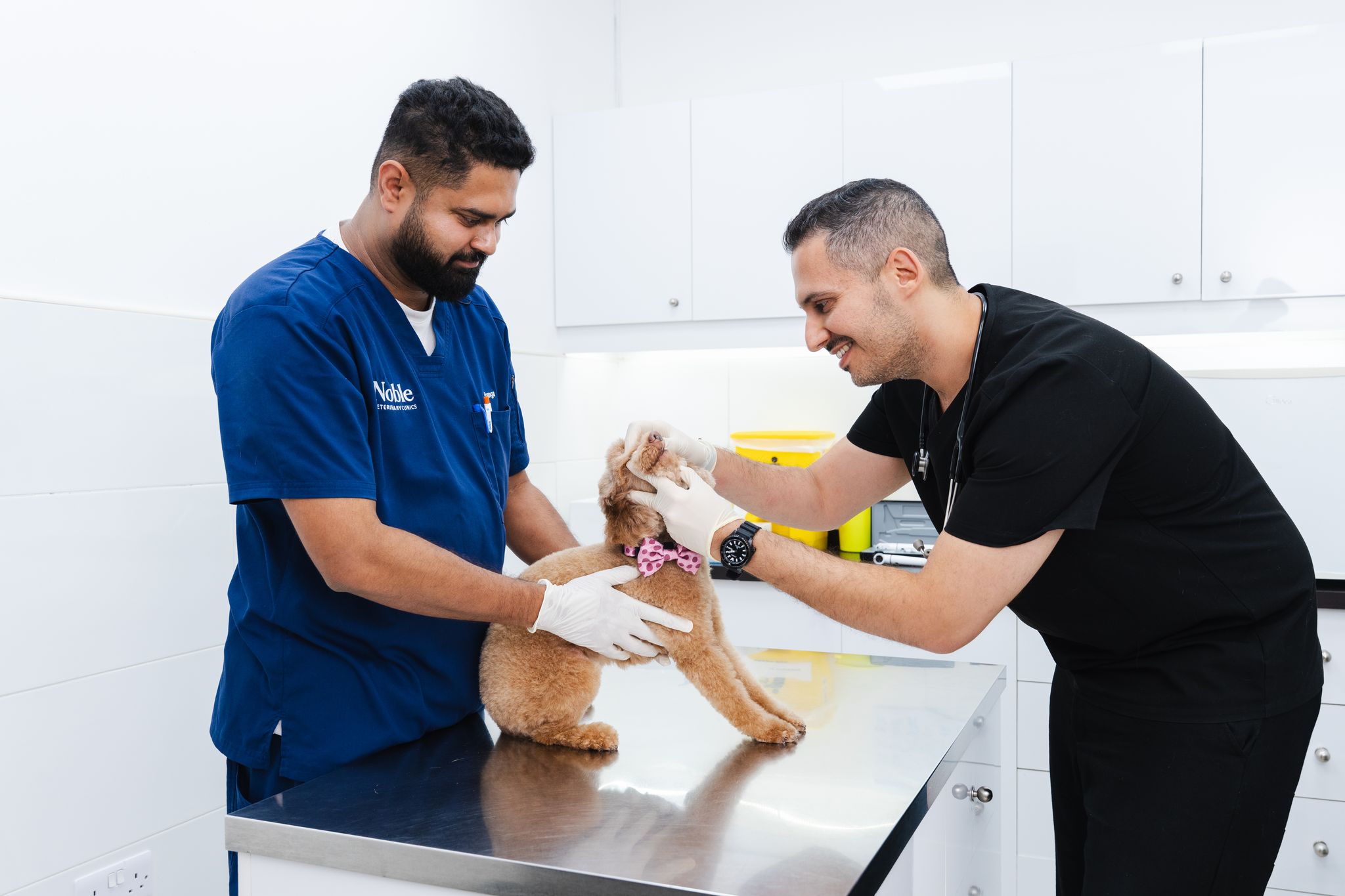
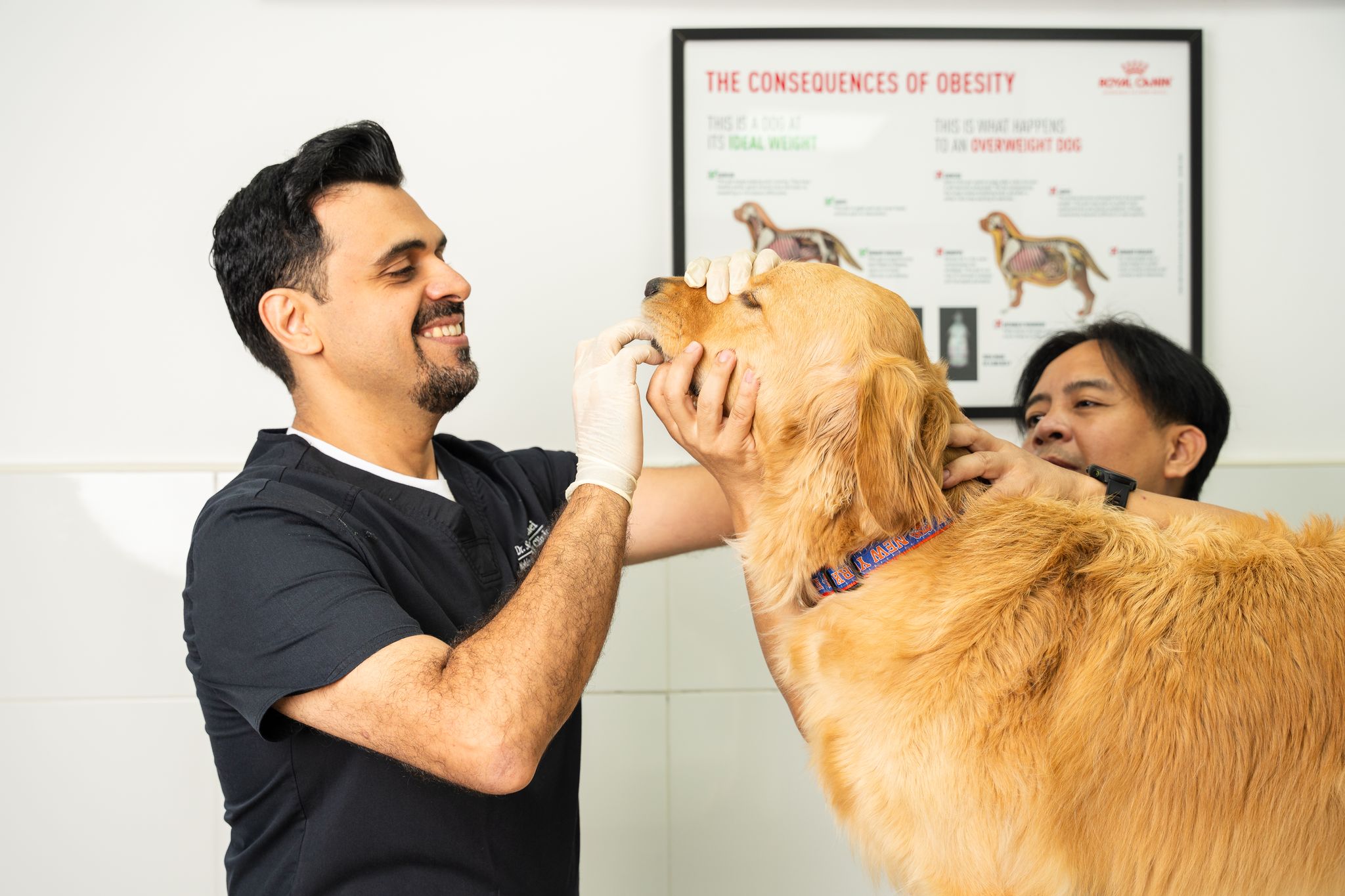
Two veterinarians are examining a dog's teeth and gums inside the clinic.

Signs Your Dog May Have Dental Problems

Here are the common symptoms our veterinarians observe in dogs: 

  • Bad breath that doesn’t improve

  • Yellow or brown buildup on the teeth

  • Red, swollen, or bleeding gums

  • Drooling more than usual

  • Pawing at the mouth or face

  • Chewing on one side

  • Avoiding hard food or treats

  • Loose, broken, or missing teeth

  • Overall loss of interest and discomfort

If you notice any of these signs, contact our vets so we can help your dog recover. 

Want to protect your dog's oral health?

Want to protect your dog's oral health?

Let our pet dentists help.

Let our pet dentists help.

Dog Dental Care Tips by Age

A dog’s dental health needs vary by life stage. Here’s a quick overview:

Puppies

For puppies, the goal is to build habits and provide relief from teething. You may start by using a finger cot and letting your finger rub their gums as a form of practice. Gradually introduce an appropriate dog toothpaste and toothbrush once they get used to it. 

Rewards are helpful to promote good behavior and feelings about this activity. You may also provide soft and safe chew toys to soothe their sore gums and help the baby teeth fall off. Always check and monitor their teeth regularly. 

Adult Dogs

For adults, the goal is to maintain the established routine and prevent plaque buildup. This is the stage where consistency matters the most. We recommend brushing your dog’s teeth daily, but if that’s not possible, aim for at least 2-3 times a week. 

Dental chews and products can support oral health, but they should not replace regular brushing. Adult dog dental care should also include professional oral exams and cleaning sessions. 

Senior Dogs

Seniors are more likely to develop plaque and tartar buildup, gum disease, and loose teeth. This means that the focus shifts to monitoring for disease and preventing tooth decay. Keep the brushing routine consistent and always look out for the common signs of dental issues. 

Some seniors will require more frequent dental exams and cleanings for comfort. Tooth extractions are often recommended to provide relief from the extreme pain and improve their quality of life. 

How Do I Brush My Dog’s Teeth?

The brushing routine is simple when you have the right tools. Start by preparing a dog-specific toothbrush or finger brush, dog-safe toothpaste, and a couple of treats for later. Here’s a quick guide from our vets:

  1. Let your dog lick the toothpaste from your finger.

  2. Lift the lip and gently massage the outside of the teeth and gums.

  3. Apply the toothpaste to the toothbrush and introduce it.

  4. Gently brush in circular motions at a 45° angle against the gumline.

  5. Focus on the outside surfaces of the canines and back molars. 

  6. Keep the sessions short at around 1-2 minutes.

  7. Give treats and praise after the brushing session.

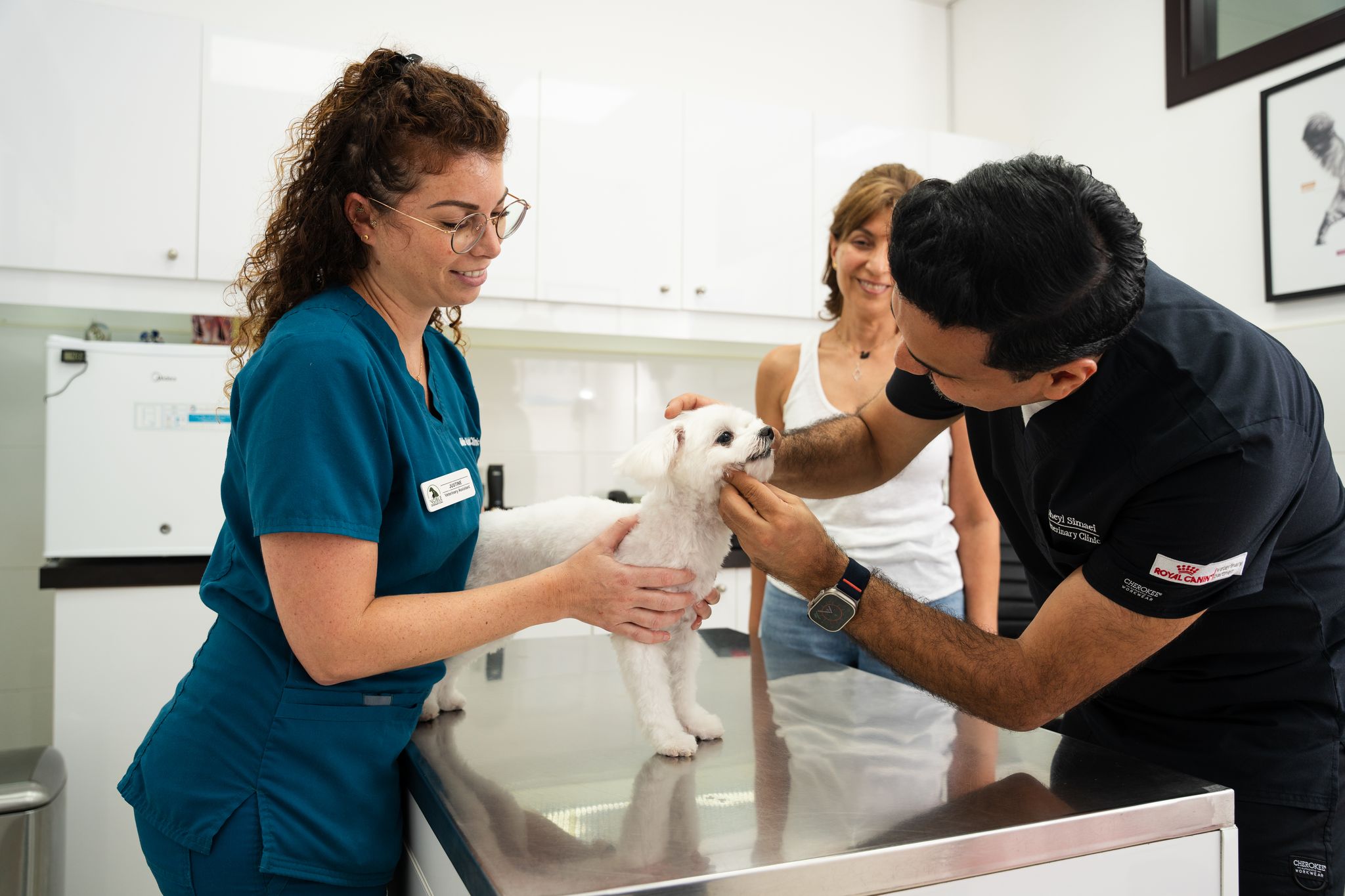
Two veterinarians are examining a white dog's dental health while talking to the pet owner.

When Is Professional Dog Dental Cleaning Needed?

Small breeds and other dogs prone to dental disease may require professional dental cleaning every 6-9 months. Start their first session by the age of 1. 

For medium to large dog breeds, professional cleaning may begin at age 2, with regular appointments at least once a year. Seniors may need oral cleaning sessions every 6 months. 

Here’s what you can expect from the appointment:

  • Full oral exam (mouth, teeth, and gums)

  • Dental probing and radiographs

  • Anesthesia and monitoring

  • Ultrasonic scaling and polishing

  • Fluoride treatments

  • Oral surgery and treatment (if needed)

How Do Vets Grade Dental Health in Dogs?

Grade

What It Means

0 (Good Oral Health)

Teeth and gums look healthy with little to no plaque or tartar. 

1 (Gingivitis)

Mild plaque or tartar is present, and gums have slight redness.

2 (Early Periodontitis)

Plaque and tartar buildup are more noticeable, and gums are inflamed.

3 (Moderate Periodontitis)

Significant tartar buildup, inflammation, and gum recession.

4 (Advanced Periodontitis)

Severe tartar buildup, deep gum pockets, loose teeth, and bleeding gums. 

“Protecting our dogs’ smiles is one of the best ways to safeguard their health.”

- Dr. Soheyl Simaei

Dog dental care is an important part of keeping your dog healthy and comfortable. A consistent routine effectively prevents plaque and tartar buildup, helping avoid many painful oral conditions. Paired with professional cleaning, your dog’s oral health stays secure.

الأسئلة المتكررة والتفسيرات

Why is human toothpaste bad for dogs?

Human toothpaste is dangerous for dogs because they cannot spit it out. Chemicals such as xylitol, fluoride, and foaming agents are toxic to them.

Why is human toothpaste bad for dogs?

Human toothpaste is dangerous for dogs because they cannot spit it out. Chemicals such as xylitol, fluoride, and foaming agents are toxic to them.

How long is a dog dental cleaning session?

A professional cleaning takes about 30-45 minutes. The entire visit may take several hours for preparations, examinations, treatment, and recovery.

How long is a dog dental cleaning session?

A professional cleaning takes about 30-45 minutes. The entire visit may take several hours for preparations, examinations, treatment, and recovery.

What foods support a dog’s oral health?

Natural options include carrots, celery, apples, and broccoli. There are also specialized diets formulated to help prevent plaque and tartar buildup.

What foods support a dog’s oral health?

Natural options include carrots, celery, apples, and broccoli. There are also specialized diets formulated to help prevent plaque and tartar buildup.

What are the signs of a dental emergency?

Symptoms include facial or jaw swelling, heavy or persistent bleeding, fractured or broken teeth, and foreign objects.

What are the signs of a dental emergency?

Symptoms include facial or jaw swelling, heavy or persistent bleeding, fractured or broken teeth, and foreign objects.

Can dental disease be reversed?

Yes, but only at the first stage. Once the disease progresses, the damage becomes irreversible and can only be halted and managed.

Can dental disease be reversed?

Yes, but only at the first stage. Once the disease progresses, the damage becomes irreversible and can only be halted and managed.

مشاركة

مشاركة

Custom Icon
Custom Icon
Custom Icon

اشترك في نشرتنا الإخبارية

اشترك للحصول على نصائح صحية أسبوعية للحيوانات الأليفة ورؤى من أطبائنا البيطريين. اجعل صحة حيوانك الأليف أولوية واحصل على معلومات موثوقة من خبرائنا.

اشترك للحصول على نصائح صحية أسبوعية للحيوانات الأليفة ورؤى من أطبائنا البيطريين. اجعل صحة حيوانك الأليف أولوية واحصل على معلومات موثوقة من خبرائنا.

الرعاية الصحية والعناية الطارئة

حجز موعد

هل أنت قلق بشأن حيوانك الأليف؟

نحن هنا لتقديم الرعاية الطارئة، والفحوصات الصحية الروتينية، وكل ما يقع بينهما.

في عيادة نوبل البيطرية، ندعم العناية بصحة الحيوانات الأليفة مدى الحياة، وكذلك العلاقات التي تجعلها ذات مغزى.

نحن نوظف! لنُغيّر مستقبل الرعاية البيطرية معًا.

نحن نوظف! لنُغيّر مستقبل الرعاية البيطرية معًا.

نحن نوظف! لنُغيّر مستقبل الرعاية البيطرية معًا.

Noble Vet Clinics logo

رعاية فريدة لأصدقائك الأعزاء، لأنهم جزء من العائلة.

تواصل معنا

مجمع دبي للاستثمار

من الساعة 8 صباحًا إلى 9 مساءً

جي ال تي

10 صباحًا إلى 7 مساءً

جُميرا

من الإثنين إلى الجمعة: 8 صباحًا إلى 8 مساءً

السبت والأحد: 9 صباحًا إلى 6 مساءً

Instagram icon
Facebook icon
LinkedIn icon
TikTok icon

© 2006-2026 عيادات نوبل البيطرية

تم تصميم الموقع بواسطة أرينا

Noble Vet Clinics logo

رعاية فريدة لأصدقائك الأعزاء، لأنهم جزء من العائلة.

تواصل معنا

مجمع دبي للاستثمار

من الساعة 8 صباحًا إلى 9 مساءً

جي ال تي

10 صباحًا إلى 7 مساءً

جُميرا

من الإثنين إلى الجمعة: 8 صباحًا إلى 8 مساءً

السبت والأحد: 9 صباحًا إلى 6 مساءً

Instagram icon
Facebook icon
LinkedIn icon
TikTok icon

© 2006-2026 عيادات نوبل البيطرية

تم تصميم الموقع بواسطة أرينا

Noble Vet Clinics logo

السياسات

تواصل معنا

مجمع دبي للاستثمار

من الساعة 8 صباحًا إلى 9 مساءً

جي ال تي

10 صباحًا إلى 7 مساءً

جُميرا

من الإثنين إلى الجمعة: 8 صباحًا إلى 8 مساءً

السبت والأحد: 9 صباحًا إلى 6 مساءً

© 2006-2026 عيادات نوبل البيطرية

تم تصميم الموقع بواسطة أرينا