Dog Deworming Guide: Treatment, Benefits, and Process (2026)


This article has been reviewed by Dr. Soheyl Simaei.

أهم النقاط
Dewormers vary by their main component depending on the type of parasite involved in the infection.
Puppies should start deworming at 2 weeks of age.
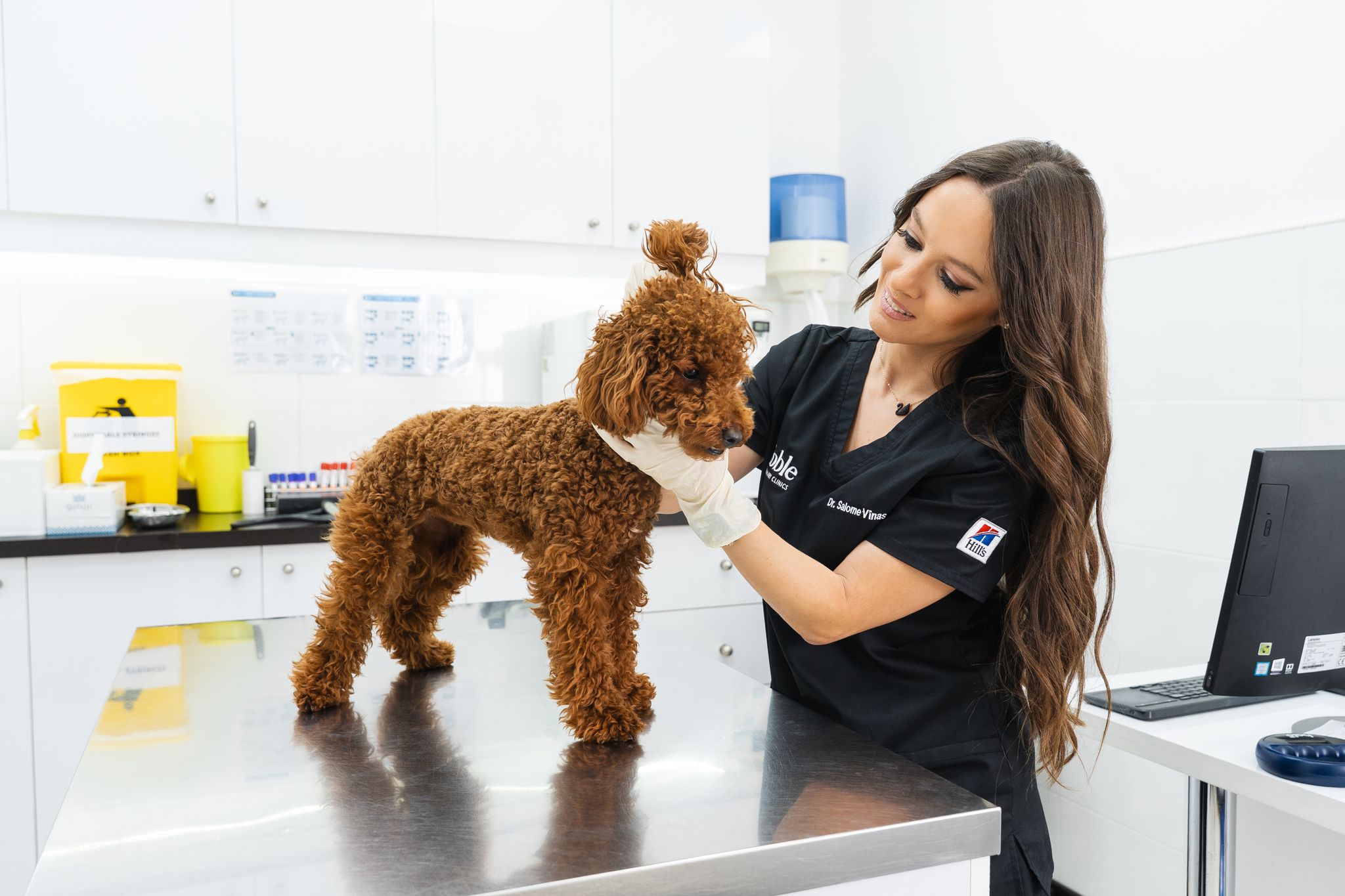
A professional deworming appointment consists of a full exam, fecal and diagnostic tests, and medication.
Deworming is the process of eliminating intestinal and internal parasites from your pet’s body. The right dewormer for dogs depends on age, weight, symptoms, health status, and the specific parasite.
It’s considered a significant part of routine pet care, including vaccinations and external parasite preventives.
What Is the Best Dewormer for Dogs?
It depends on the specific worm or parasite. Our veterinarians carefully select deworming treatments, emphasizing a specific component for each parasite. Here’s an overview:
Parasite | Main Treatment Ingredient |
|---|---|
Roundworms | Fenbendazole and pyrantel pamoate |
Tapeworms | Praziquantel |
Hookworms | Fenbendazole and pyrantel pamoate |
Whipworms | Fenbendazole and febantel |
Heartworms | Melarsomine dihydrochloride |
Giardia | Fenbendazole and metronidazole |
Coccidia | Sulfadimethoxine |
Types of Deworming Medicine for Dogs
Deworming medications can be grouped into broad-spectrum and targeted categories. Broad-spectrum dewormers treat multiple types of parasites, while targeted dewormers treat a specific parasite.
These may come in forms such as:
Chewable tablets
Standard pills
topicals
Liquids and pastes
injections
When Should Puppies and Dogs Start Deworming?
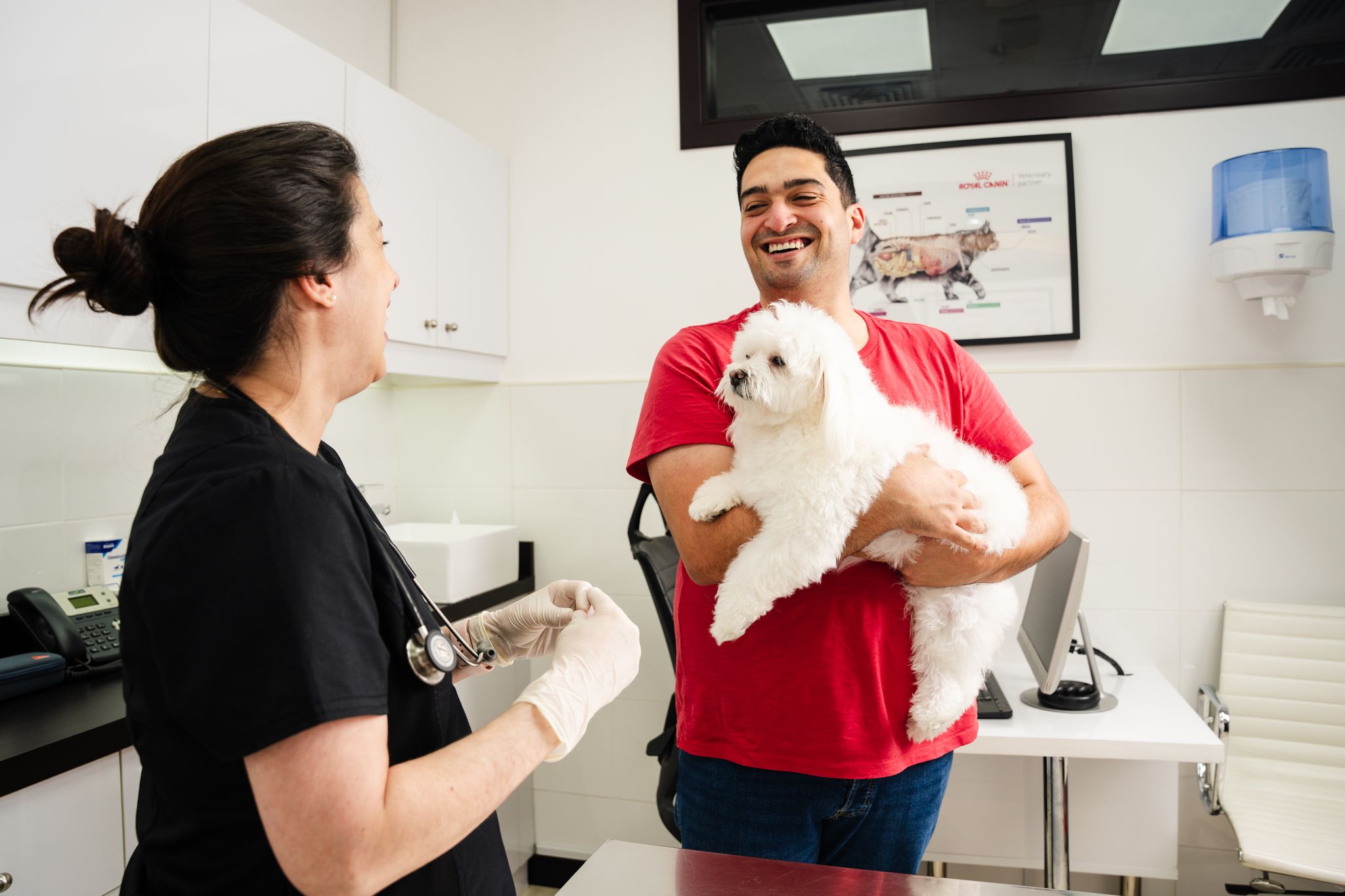
Puppies should get dewormed starting at 2 weeks of age. This must be repeated every 2 weeks until they reach 12 weeks of age.
After the 12-week series, the schedule will switch to monthly deworming treatments until they reach 6 months of age. By this time, dewormers for dogs must be administered every 3-4 months based on lifestyle and risk of exposure.
Puppy and Dog Deworming Schedule
Age | Deworming Frequency |
|---|---|
2 weeks | Every 2 weeks |
12 weeks | Every month |
6 months | Every 3-4 months |
According to Dr. Soheyl Simaei, our head vet, deworming is especially important for puppies because their immune systems are still developing. Puppies may contract worms during birth or nursing.
Adult dogs, even with their developed defenses, will still need preventive treatments to stay safe. High-risk dogs, including those who always visit outdoor dog parks, daycares, boarding facilities, and grooming salons, will require more frequent treatment.
Ideally, our veterinarians recommend annual parasite checkups to confirm your dog’s health and happiness.
الأسئلة المتكررة والتفسيرات







اشترك في نشرتنا الإخبارية
هل أنت قلق بشأن حيوانك الأليف؟
نحن هنا لتقديم الرعاية الطارئة، والفحوصات الصحية الروتينية، وكل ما يقع بينهما.