Ehrlichiosis in Dogs: Transmission, Symptoms, and Treatment


Ehrlichiosis in Dogs: Transmission, Symptoms, and Treatment

Ehrlichiosis in Dogs: Transmission, Symptoms, and Treatment

Dr. Mafalda Sardinha

Published Date

Published Date

Custom Icon
Custom Icon
Custom Icon

When it comes to our pets, parasites are always a problem. They can easily get to our dogs and cause a serious disease. One of these is the brown dog tick, a parasite capable of transmitting ehrlichiosis in dogs. 
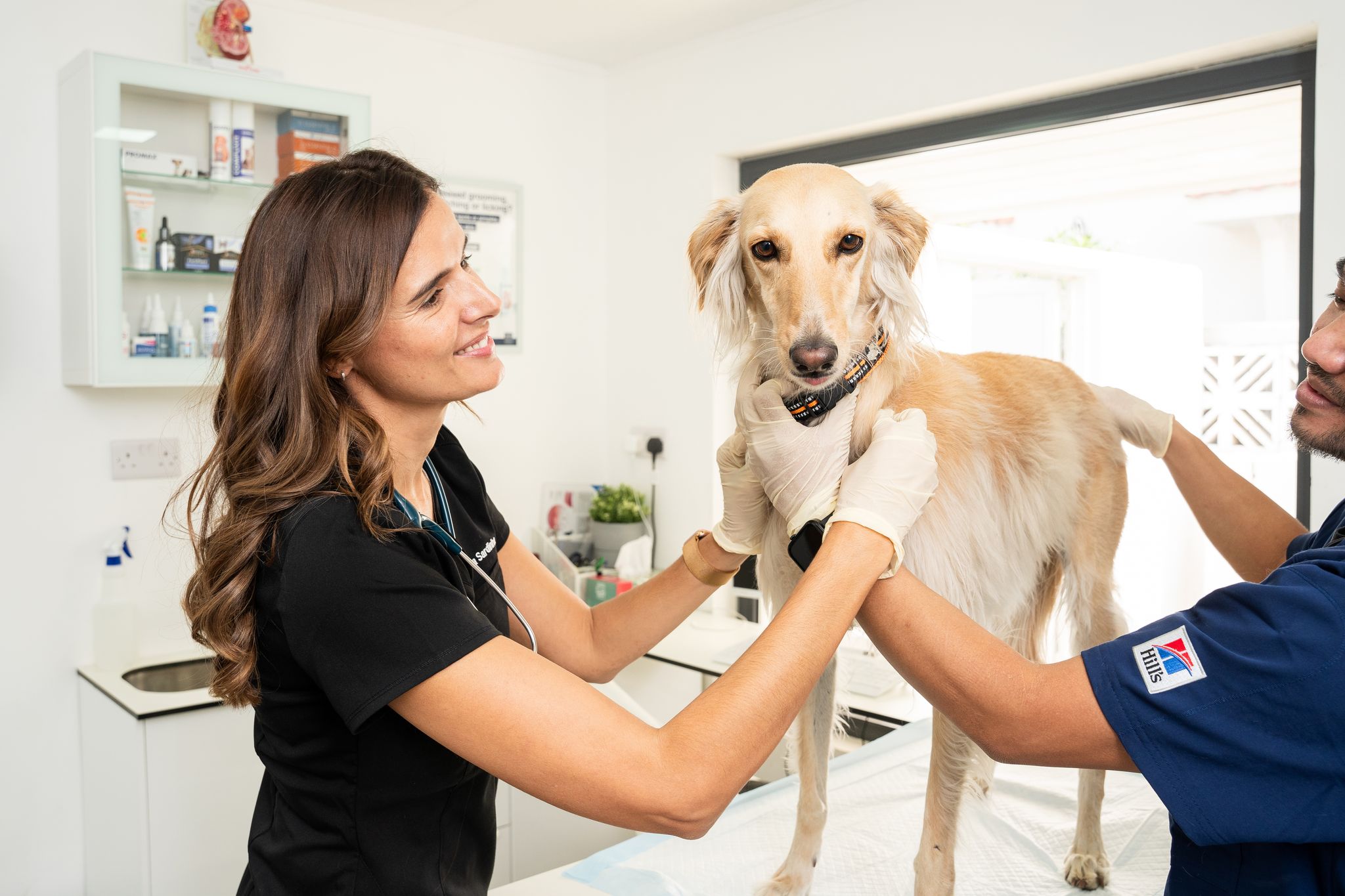
A veterinarian in a black shirt is checking a dog for ehrlichiosis. Another vet is assisting by holding the dog.

Ehrlichiosis is a serious tick-borne disease that affects dogs worldwide. As previously mentioned, it is caused by the brown dog tick, also known as Rhipicephalus sanguineus. This happens when they bite dogs. 

In this blog, we’ll talk all about ehrlichiosis in dogs and share the ways it’s treated, diagnosed, and prevented. 

How Do Dogs Get Ehrlichiosis?

Ehrlichiosis is caused by bacteria from the genus Ehrlichia, with the primary species being Ehrlichia canis. These are intracellular bacteria, meaning they can invade and live within our dogs' white blood cells. This disrupts the immune system and interferes with their health. 

When an infected brown dog tick feeds on your dog, it transmits the bacteria into the bloodstream through its saliva. This will require 3 to 6 hours of attachment to transmit the disease. 

The ticks themselves become carriers for Ehrlichia canis when they feed on an infected animal, repeating the cycle as they are now considered infectious for life. Here’s the usual flow: 

  1. The Tick Gets the Bacteria

Ticks get the bacteria when they feed on an infected host. Once inside the tick, the bacteria will simply multiply and be ready for transmission through the salivary glands. 

  1. Transmission to the Dog

The bacteria are transmitted to a new dog when the tick feeds on them. It’s a quick process, taking as fast as 3 to 6 hours. 

  1. Spreads Within the Dog

When bacteria reach the bloodstream, they target white blood cells, particularly monocytes. From here, they can spread throughout the body and damage internal organs. 
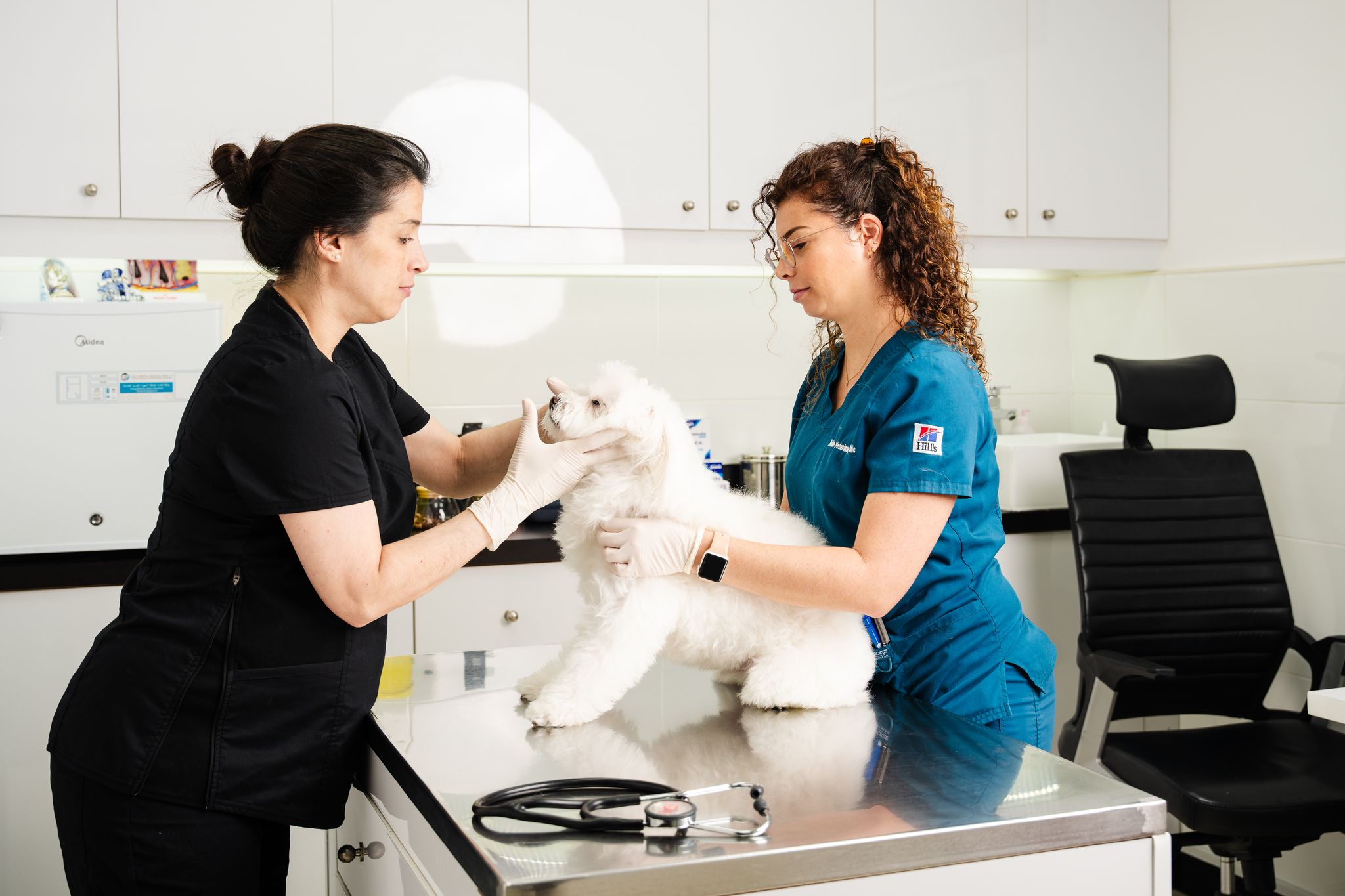
A vet is holding a white dog's face to look for the ticks that cause ehrlichiosis. Another vet is holding the dog steady.

What Are the Symptoms of Ehrlichiosis in Dogs? 

Since the signs may mimic those of other types of infections, it’s crucial to keep a keen eye. Here are the common ones: 

  • Fever. Your dog’s temperature might become elevated as a result of the disease. This symptom is usually the first sign of ehrlichiosis in dogs.

  • Lethargy and Weakness. Some affected dogs might experience weakness and lethargy. 

  • Loss of Appetite and Weight. Your dog might lose its appetite and eat less, even its favorite food. As a result, you will notice a loss of weight.

  • Swollen Lymph Nodes. You might feel or see swollen glands around the neck, shoulders, or back legs.

  • Joint Pain or Stiffness. Affected dogs may be hesitant to move due to joint pain. Some may lie down and rest more often compared to their previous activity levels. 

  • Pale Gums or Anemia. A pale color inside your dog’s mouth can indicate a decrease in red blood cells. This usually happens in chronic cases.

  • Bleeding Issues. Nosebleeds, bruising, or small red spots on the skin are common in severe cases.

  • Neurological Symptoms. Dogs with ehrlichiosis may experience behavioral changes, disorientation, and uncoordinated movements. 

Is Ehrlichia Painful for Dogs?

Yes, the bacteria cause significant pain and discomfort through joint stiffness and severe inflammation. In chronic cases, it results in debilitating pain and bleeding disorders. 
Is your dog showing the signs?

Is your dog showing the signs?

Let's give them the help they need.

Let's give them the help they need.

Clinical Phases of Ehrlichiosis in Dogs

Canine ehrlichiosis can progress through three distinct phases: acute, subclinical, and chronic.

  1. Acute Phase

This phase begins 1 to 3 weeks after an infected tick bites a dog. The more the bacteria multiply and spread, the more likely dogs may have:

  • Fever

  • Lethargy or reduced energy

  • Swollen lymph nodes

  • Loss of appetite

  • Minor bleeding

The acute phase may last 4 weeks. Most dogs may fully recover when prompt treatment is administered. 

  1. Subclinical Phase

During the subclinical phase, the bacteria will remain in the body without causing obvious symptoms. This stage is often referred to as the "hidden" phase because dogs appear healthy, but the bacteria are silently causing damage.

The bacteria persist in the dog’s immune cells in the subclinical phase. The immune system may try to control the infection, but cannot fully eliminate it. Some dogs remain in this phase for months.

Even if there are no visible signs, blood tests may reveal abnormalities, including a low platelet count. When treatment isn't given, ehrlichiosis in dogs can progress to the chronic phase. 

  1. Chronic Phase

The chronic phase is the most severe and can have life-threatening consequences. Dogs in this phase will often experience extensive damage to their organs and immune systems. The common symptoms of this phase of ehrlichiosis in dogs include:

  • Severe weight loss

  • Pale gums due to anemia

  • Spontaneous bleeding or bruising

  • Persistent fever

  • Enlarged spleen

  • Disorientation or difficulty walking

Dogs in the chronic phase may also develop secondary infections mainly because of their compromised immune systems.

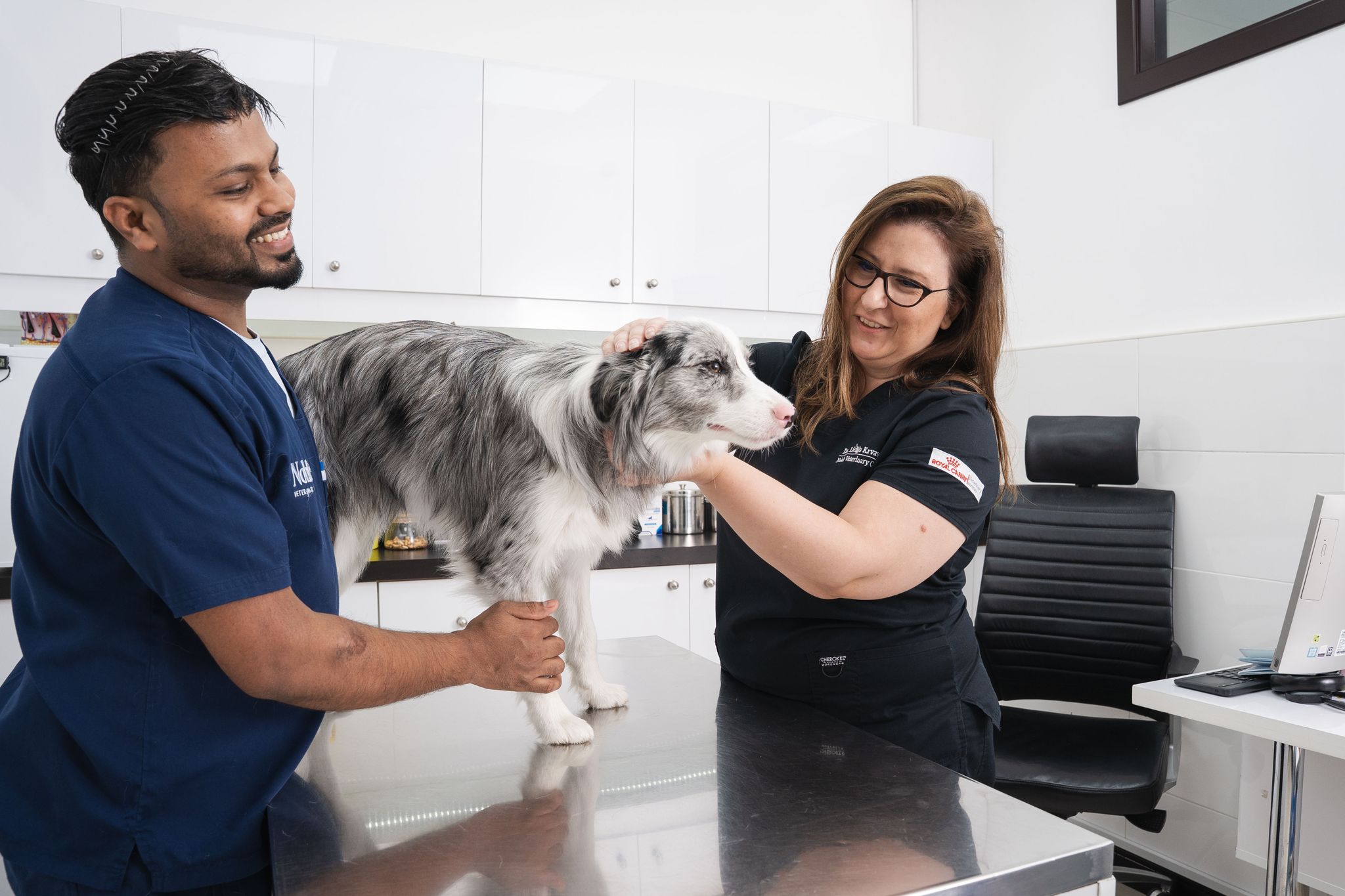
A veterinarian in a blue shirt is holding a dog so another vet can check for its symptoms for ehrlichiosis.

How Do Vets Diagnose Ehrlichiosis in Dogs?

Our process relies on specific laboratory tests to detect the canine Ehrlichia bacteria and their effects. 

  • Complete Blood Count. A CBC is often performed to assess a dog’s overall health, looking for changes such as low platelet, red blood cell, and white blood cell counts.

  • Serology Tests. These tests can detect the specific antibodies produced by the dog’s immune system in response to the infection by Ehrlichia bacteria. This may include ELISA tests and an IFA.

  • Polymerase Chain Reaction Test. The PCR test is considered one of the most accurate diagnostic tests for ehrlichiosis in dogs. It works by detecting Ehrlichia DNA in the blood. 

  • Blood Smear Examination. In this test, a drop of the dog’s blood is examined under a microscope. Through this, our vets can look for Ehrlichia organisms inside white blood cells. 

How Is Ehrlichiosis in Dogs Treated?

The treatment process will focus on eliminating the bacteria and helping with recovery. 

Antibiotics

The cornerstone of canine ehrlichiosis treatment is the use of medications. Antibiotic therapy is highly effective when administered promptly, and doxycycline is one of the most common choices.

Generally, the treatment process will be done for 3 to 4 weeks, depending on your dog’s condition and the severity of the disease.

Supportive Care

Additionally, supportive care treatments will also be used to support your dog’s treatment. Intravenous fluids will be used to rehydrate your dogs and restore electrolyte balance, especially if they have lost their appetite. Blood transfusions will also be considered.

Pain medications can also be used to deal with joint pain and inflammation, helping improve your dog’s comfort. Additionally, we’ll also look to help your dog regain its strength through nutritional support. This is important for dogs who have lost a ton of weight.

What Happens if Ehrlichiosis Is Left Untreated in Dogs?

If canine ehrlichiosis is left untreated, it can progress from an acute infection to a much more severe, long-term condition. Several health problems may also arise, including severe anemia, organ damage, blood disorders, neurological dysfunction, and bone marrow failure. It may also lead to death. 

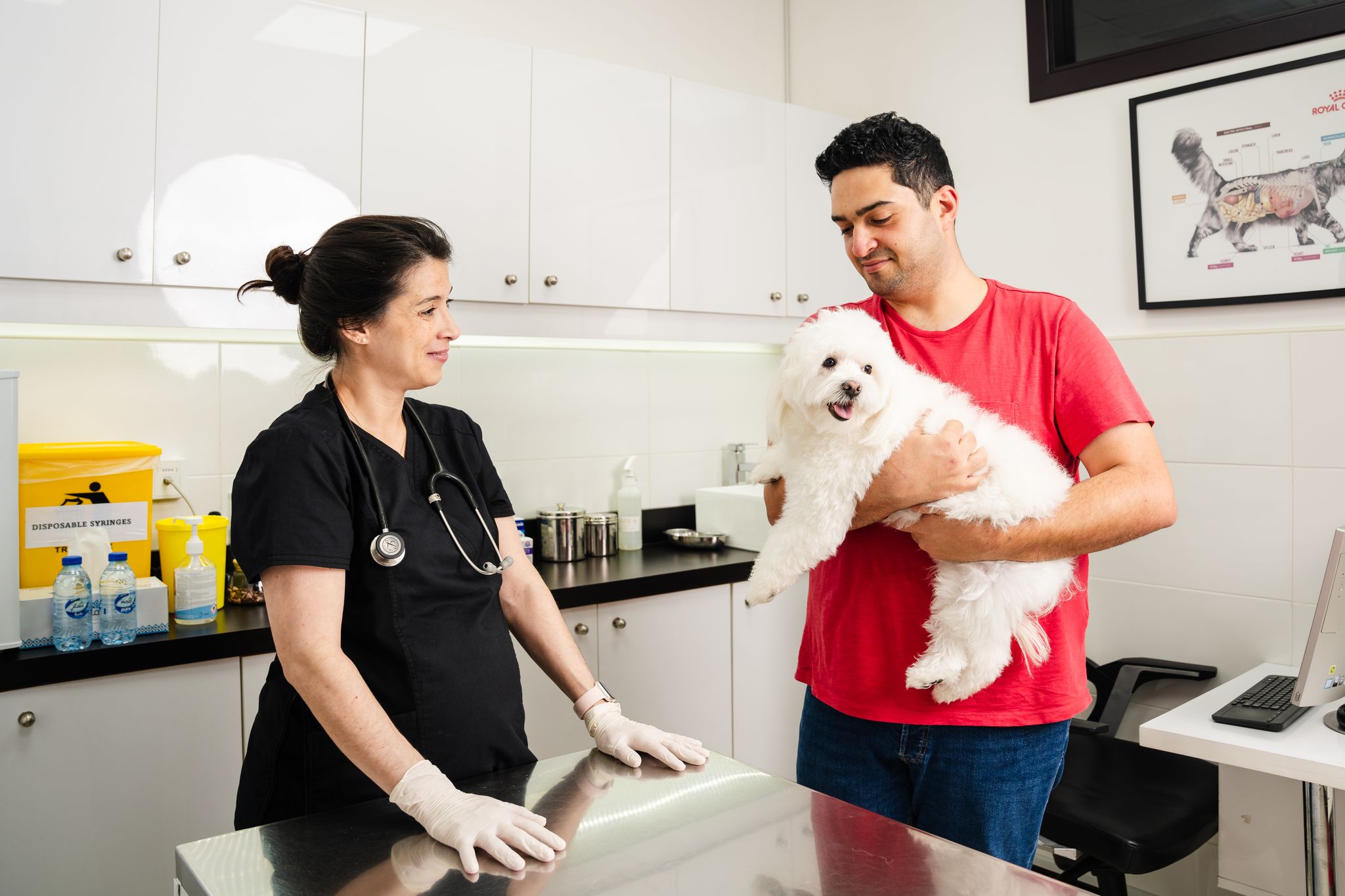
A pet owner in a red shirt is holding a white dog while listening to a vet talk about canine ehrlichiosis.

How to Prevent Ehrlichiosis in Dogs?

The best way to keep our dogs safe from ehrlichiosis is to prevent ticks from coming into contact with them. 

  1. Provide Regular Preventives 

The most effective strategy is to minimize your dog’s exposure to ticks. Regularly applying pet-safe products such as topical treatments, oral medications, or tick collars can protect your dog by either repelling or killing ticks. 

If you need help with this step, our clinic is ready to provide the anti-tick medications your dog needs. Plus, we can also take the time to check your dog for any issues that should be addressed. 

  1. Groom Your Dog

Pay close attention to areas like the ears, neck, armpits, between the toes, and around the tail. Use vet-approved shampoos and be sure to dry your dog after. 

If you find a tick, remove it with tweezers or a tick removal tool. Removing ticks is important as ticks usually require just 3 to 6 hours to transmit the canine Ehrlichia bacteria. 

  1. Manage Your Dog’s Environment

Keeping your dog’s home clean is another important part of prevention. Ticks thrive in outdoor areas such as the yard, where tall grass and bushes are prevalent.

Mow your lawn and trim your bushes to make your yard less attractive to ticks. If possible, limit your dog’s access to wooded or high-risk areas where ticks are abundant. 

“Your dog relies on you to shield them from the many diseases that can endanger its health.”

- Dr. Mafalda Sardinha

Final Thoughts

Ehrlichiosis in dogs can be quite concerning, but it can easily be prevented with regular treatments and preventives. Having a good understanding of this disease goes a long way in creating a better and safer life for your best friend.

Frequently Asked Questions

What is the survival rate of ehrlichiosis in dogs?

The survival rate for a dog with ehrlichiosis is around 95%. The excellent prognosis comes with early diagnosis and treatment. The prognosis will be much poorer in those with chronic cases or severe complications.

What if my dog tests positive for Ehrlichia?

If your dog tests positive for the bacteria, you should immediately proceed with treatment. This will likely involve medication and supportive care for 28 days.

Can dogs recover from ehrlichiosis?

Yes. Ehrlichiosis in dogs can be treated, leading to a full recovery. The timeline will vary depending on when the disease was diagnosed and treated. When left untreated, this disease can cause severe complications.

Can dogs spread Ehrlichia to humans?

No, dogs cannot spread the canine Ehrlichia to humans, as the disease is only transmitted through tick bites. This means that humans cannot get the disease by touching or handling a dog or getting bitten by one.

Can my dog sleep with me if he has ticks?

No, you should not sleep with your dog if they have ticks. This will increase the risk of tick bites for you and the transmission of diseases.

Share

Custom Icon
Custom Icon
Custom Icon

Subscribe to Our Newsletter

Sign up for weekly pet health tips and insights from our veterinarians.

Sign up for weekly pet health tips and insights from our veterinarians.

Wellness & Emergency Care

Book Appointment

Worried about your pet?

We’re here for urgent care, wellness checks, or anything in between. 

Get the best Vet care for your pet

© 2006-2026 Noble Veterinary Clinics

Unique care for your best friends, because they’re family.

© 2006-2026 Noble Veterinary Clinics

© 2006-2026 Noble Veterinary Clinics