النفخة القلبية عند الكلاب: أنواعها، ودرجاتها، ودلالاتها الصحية بالتفصيل


قد يكون سماع خبر إصابة كلبك بنفخة قلبية (خرير القلب) أمرًا مخيفًا ومثيرًا للقلق. ولكن الحقيقة هي أنه ليست كل النفخات القلبية مميتة أو تشكل خطورة محتومة على حياته. فهناك العديد من الكلاب التي تعيش حياة طبيعية تمامًا وبصحة جيدة، حتى بعد تشخيص إصابتها بهذه الحالة.

أهم النقاط
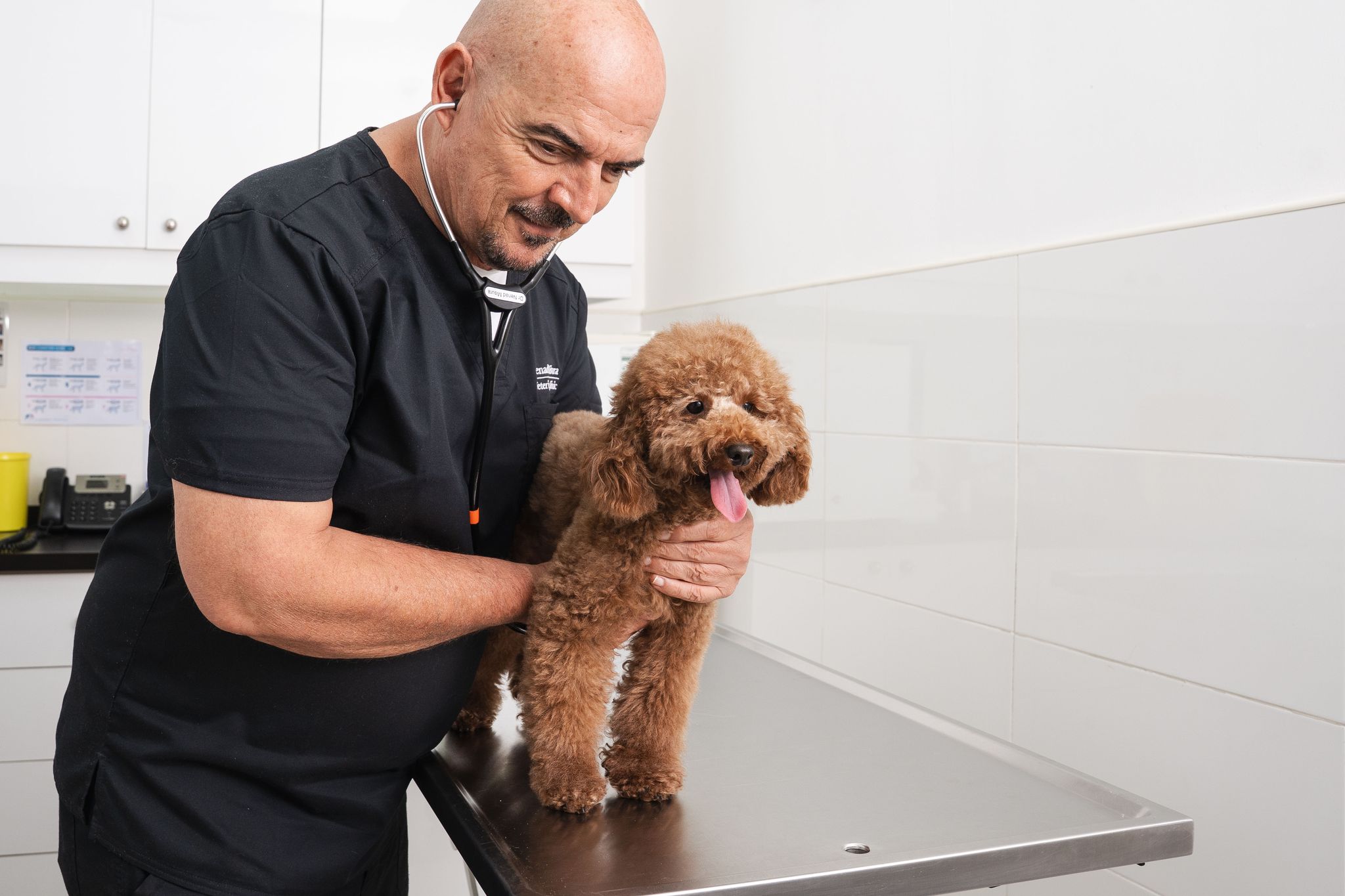
نفخة القلب (أو اللغط القلبي) هي صوت غير طبيعي يشبه "الهمس" أو "الصفير"، وينتج عن تدفق الدم بشكل مضطرب وغير منتظم داخل القلب أو بالقرب منه. ويستطيع الطبيب سماع هذا الصوت بوضوح باستخدام السماعة الطبية.
تُصنف درجة شدة هذه الحالة من الدرجة الأولى حتى الدرجة السادسة. وتشمل الأسباب الشائعة والمؤدية إليها أمراض الصمام المترالي في القلب، واعتلال عضلة القلب المتوسع، بالإضافة إلى العيوب والتشوهات الخلقية منذ الولادة.
إن علاج النفخات القلبية (خرير القلب) يعني بالأساس معالجة المشكلة الصحية المحددة المسببة لها؛ وقد يشمل ذلك تناول أدوية معينة، أو التدخل الجراحي، بالإضافة إلى إجراء تغييرات في النظام الغذائي المتبع وتعديل نمط الحياة اليومي.
ما هي أنواع لغط القلب (النفخة القلبية) عند الكلاب؟
يُصنف لغط القلب عموماً بناءً على توقيت حدوثه خلال دورة نبضات القلب إلى ثلاثة أنواع رئيسية: لغط انقباضي، ولغط انبساطي، ولغط مستمر.
اللغط الانقباضي
يحدث هذا النوع من النفخات القلبية لدى الكلاب عندما تنقبض عضلة القلب لضخ الدم إلى خارج الجسم. وهو النوع الأكثر شيوعاً وانتشاراً، وغالباً ما يكتشفه الأطباء البيطريون أثناء الفحوصات الدورية المعتادة. وعادةً ما يرتبط اللغط الانقباضي بأمراض الصمام المترالي الثنائي الشرفات.
اللغط الانبساطي
يحدث اللغط الانبساطي عندما ترتخي عضلة القلب وتمتلئ بالدم من جديد. هذا النوع أقل شيوعاً بكثير من النوع الأول، ولكنه يعد أكثر خطورة؛ إذ يشير اللغط الانبساطي غالباً إلى وجود تدفق غير طبيعي للدم داخل القلب، مما يتطلب إجراء فحوصات واختبارات تشخيصية إضافية متقدمة.
اللغط المستمر
يُسمع هذا النوع من اللغط طوال دورة نبضات القلب بأكملها دون انقطاع، أي أثناء انقباض القلب وانبساطه على حد سواء. وعادةً ما يرتبط بالعيوب الخلقية في القلب، وخاصةً حالة القناة الشريانية السالكة (PDA). وتعتبر هذه النفخات المستمرة حالة مزمنة في الغالب وتتطلب علاجاً طبياً مستمراً.
ما هي درجات اللغط القلبي لدى الكلاب؟
يقوم الأطباء البيطريون لدينا بتصنيف درجات لغط القلب بناءً على مدى ارتفاع صوته ودرجة شدته وخطورته الطبية.
الدرجة | الوصف | ماذا يعني ذلك |
|---|---|---|
I (الدرجة الأولى) | خافت وضعيف جداً | غالباً ما يكون غير ضار ولا يشكل خطراً |
II (الدرجة الثانية) | ناعم ومنخفض الصوت، ولكن يمكن سماعه | عادة ما يكون خفيفاً ولا يرافقه أي أعراض ظاهرة |
III (الدرجة الثالثة) | متوسط الارتفاع والوضوح | قد يشير إلى بداية الإصابة بمرض في القلب |
IV (الدرجة الرابعة) | عالٍ ومسموع بوضوح تام | غالباً ما يرتبط بوجود مشاكل وتشوهات هيكلية في القلب |
V (الدرجة الخامسة) | عالٍ جداً ويرافقه اهتزاز محسوس في جدار الصدر | يشير بقوة إلى وجود مرض قلبي مؤكد |
VI (الدرجة السادسة) | مرتفع الصوت بدرجة فائقة، ويمكن سماعه حتى دون ملامسة السماعة الطبية للصدر | حالة طبية حرجة وشديدة الخطورة تتطلب تدخلاً علاجياً فورياً وطارئاً |
ما هي أعراض لغط القلب عند الكلاب؟
قد لا تظهر أي أعراض واضحة على بعض الكلاب، خاصة في المراحل المبكرة من الحالة. ومع ذلك، قد تبدأ علامات معينة في الظهور والوضوح مع تقدم المرض وتطوره.
السعال المستمر. قد يعاني الكلب من سعال مزمن ومتواصل، حيث يعد السعال أحد أكثر العلامات شيوعاً للنفخات القلبية لدى الكلاب، وقد تزداد حدته ومشاكله سوءاً أثناء الليل أو بعد بذل أي مجهود بدني.
صعوبات في التنفس. قد تلاحظ على كبلك تنفساً سريعاً، أو متثاقلاً، أو سطحياً، حتى وإن كان في حالة راحة تامة ولم يقم بأي نشاط بدني أو مجهود.
عدم القدرة على تحمل التمارين. غالباً ما تعجز الكلاب التي تعاني من مشاكل في القلب عن مواكبة مستويات نشاطها المعتادة؛ فقد تتعب بسرعة كبيرة أو تبدي ممانعة وتكاسلاً عن اللعب والتمارين.
الضعف العام والإغماء. في الحالات الشديدة والمتقدمة، قد يصاب الكلب الذي يعاني من لغط القلب بضعف شديد في عضلاته وخمول، وقد يصل الأمر إلى حدوث حالات إغماء مفاجئة. ويحدث هذا عندما لا يحصل الدماغ على كمية كافية من الأكسجين بسبب ضعف وعجز الدورة الدموية.
انتفاخ وتورم البطن. يعد انتفاخ منطقة البطن علامة بارزة وخطيرة على وصول مرض القلب إلى مراحل متقدمة، وذلك نتيجة لتراكم السوائل واحتباسها في تجويف البطن.
تغيرات سلوكية. قد تفقد بعض الكلاب شهيتها للأكل تماماً وتظهر عليها علامات الخمول والكسل وتراجع الحيوية بشكل ملحوظ.
ما الذي يسبب لغط القلب عند الكلاب؟
ينتج لغط القلب عن حدوث تدفق مضطرب وغير منتظم للدم داخل غرف القلب أو في الأوعية الدموية الرئيسية القريبة منه. ويحدث هذا الاضطراب نتيجة لخلل في الصمامات، أو عيوب تشريحية في بنية القلب، أو حتى بسبب أمراض تؤدي إلى إضعاف عضلة القلب نفسها. وإليك أبرز الحالات الصحية الشائعة التي قد تؤدي إلى حدوث اللغط القلبي.
مرض الصمام المترالي
يعتبر مرض الصمام ثنائي الشرفات حالة تتسم بزيادة سمك الصمام وتراجعه في الكفاءة، مما يؤدي إلى تسرب الدم وارتجاعه إلى الخلف من البطين الأيسر إلى الأذين الأيسر أثناء انقباض القلب. هذا الارتجاع والتسرب هو الذي يسبب الصوت المميز للغط القلبي لدى الكلاب.
ينتشر هذا المرض بشكل شائع في سلالات معينة مثل كلاب كافاليير كينغ تشارلز، وكلاب الداشهند (السجق)، واليوركشاير تيرير، وغيرها من سلالات الكلاب صغيرة الحجم.
اعتلال عضلة القلب التوسعي
يؤدي اعتلال عضلة القلب التوسعي إلى إضعاف وترهل عضلة القلب، مما يتسبب في تضخم غرف وتجاويف القلب بشكل يفوق الطبيعي. هذا التمدد يمنع الصمامات المترالية من الانغلاق بإحكام وسد المجرى تماماً، مما يتيح للدم التسرب إلى الخلف مسبباً صوت اللغط.
يصيب اعتلال عضلة القلب التوسعي عموماً الكلاب ذات السلالات الكبيرة، بما في ذلك كلاب الدوبرمان بينشر، والبوكسر، والجريد دين (الكلب الدنماركي الضخم)، وكلاب سانت برنارد.
العيوب والتشوهات الخلقية
تشمل العيوب الخلقية تشوهات هيكلية في بنية القلب تولد مع الكلب، مثل ضيق الصمامات، أو عدم اكتمال نمو غرف القلب، أو وجود اتصالات شريانية غير طبيعية. وتؤثر هذه العيوب بشكل مباشر على حركة الدم وتجعل تدفقه مضطرباً وعنيفاً عبر القلب، مما ينشأ عنه صوت اللغط.
التهاب شغاف القلب
هو عدوى بكتيرية تصيب البطانة الداخلية للقلب وتسبب التهاباً شديداً وتلفاً في بنية الصمامات ومنعها من الانغلاق السليم والمحكم. يؤدي هذا الخلل إلى تدفق الدم بالاتجاه المعاكس مسبباً صوت النفخة القلبية. مرض الدودة القلبية
يتسبب مرض الدودة القلبية لدى الكلاب في حدوث لغط في القلب عن طريق خلق انسدادات مادية ملموسة داخل الأوعية وإلحاق الضرر بالصمام ثلاثي الشرفات. إذ يمكن للأعداد الكبيرة من الديدان المتراكمة أن تعيق تدفق الدم ميكانيكياً وتؤدي إلى التهاب الأنسجة والهياكل الداخلية للقلب.
فقر الدم (الأنيميا)
يمكن أن يؤدي فقر الدم أيضاً إلى إحداث لغط قلبي لدى الكلاب؛ حيث يبدو الدم المصاب بالأنيميا أقل لزوجة وأكثر سيولة من المعتاد، مما يؤدي إلى تدفق سريع ومضطرب جداً للدم أثناء مروره عبر غرف وصمامات القلب.
لغط القلب (أو النفخة القلبية) عند الكلاب هو صوت غير معتاد يُسمع أثناء دقات القلب. وغالباً ما يوصف هذا الصوت بأنه صوت "حفيف" أو "وشيش" ناعم يسمعه الأطباء البيطريون باستخدام السماعة الطبية أثناء الفحص الروتيني المعتاد.
ينتج هذا الصوت عن تدفق الدم بشكل غير منتظم أو مضطرب داخل تجاويف القلب أو الأوعية الدموية القريبة منه. وعلى الرغم من أن هذا اللغط قد يشير إلى وجود مشكلة صحية معينة، إلا أنه لا يعني دائماً بالضرورة أن كلبك يعاني من مرض خطير.
سنناقش في هذا الدليل الشامل كل ما يتعلق بنفخات وقلب الكلاب، بدءًا من الأنواع والأعراض المختلفة ووصولاً إلى طرق العلاج المتاحة.
الأسئلة المتكررة والتفسيرات






اشترك في نشرتنا الإخبارية
هل أنت قلق بشأن حيوانك الأليف؟
نحن هنا لتقديم الرعاية الطارئة، والفحوصات الصحية الروتينية، وكل ما يقع بينهما.