Can Cats Eat Grapes? A Guide to This Toxic Fruit


When it comes to our cats, they’re always up for some treats. But it’s important to note that not all types of human food should be given to cats. Even some fruits can be dangerous. So what about grapes? Can cats eat grapes?
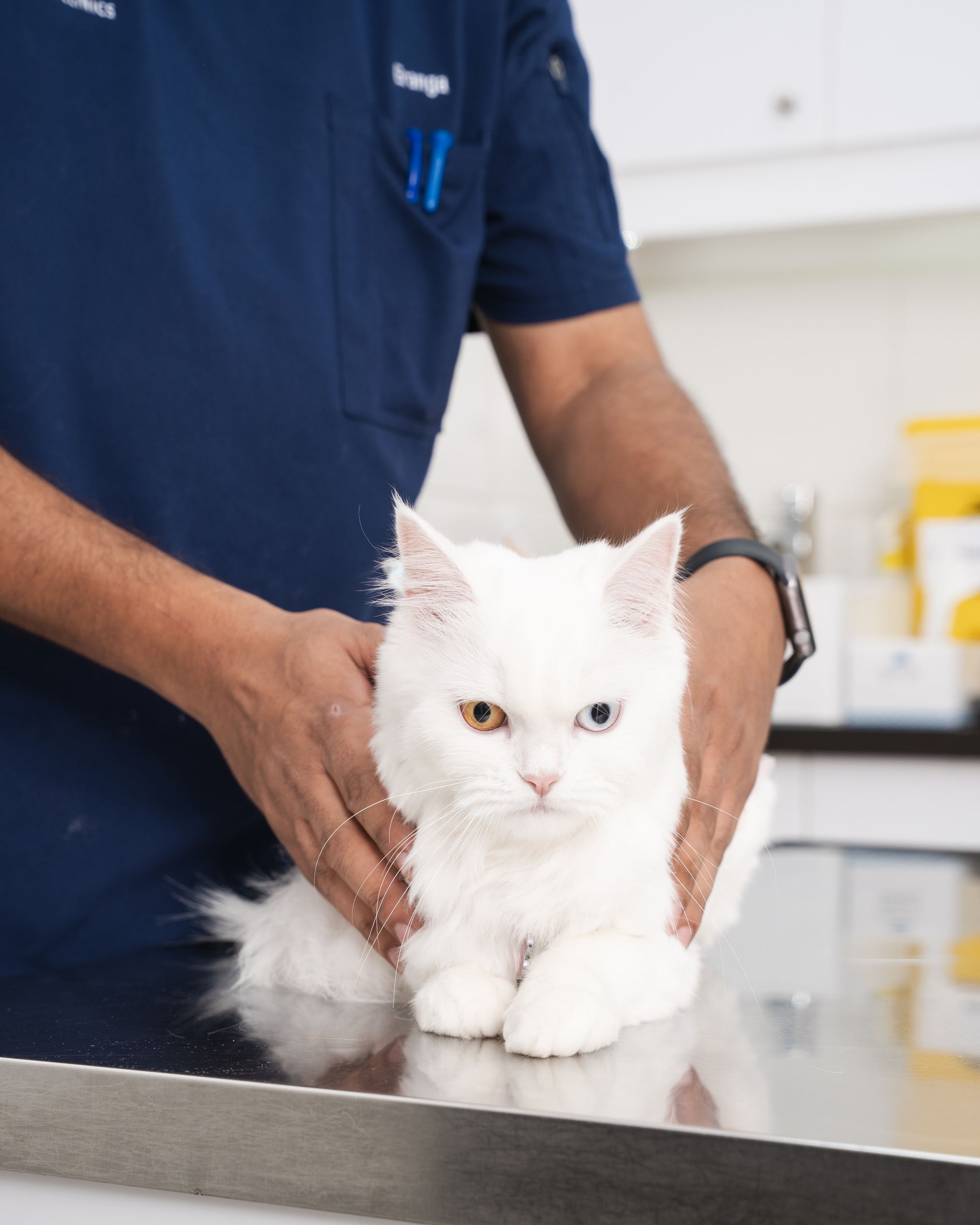
The simple answer is no: cats can’t eat grapes, nor should they eat them. Even if this fruit is a tasty snack for us humans, grapes can cause a lot of problems for our cats.
While the exact component in grapes that causes harm hasn’t been identified, all pet experts advise pet owners to avoid grapes in cat nutrition.
When cats eat grapes, the fruit can be bad for them. Grape toxicity in cats primarily affects the kidneys, potentially leading to acute kidney failure. This means the kidneys may lose their ability to filter waste from the bloodstream, leading to life-threatening situations.
Even a small amount of grapes can be harmful to your cat, so it’s best to avoid offering them at all, even as treats.
What Happens When Cats Eat Grapes?
When it comes to grape toxicity, recognizing the signs early is important to help your cat recover. Unlike some other toxins, grape poisoning in cats can lead to severe consequences, even if only a small amount is ingested. Here are the possible effects when cats eat grapes:
Vomiting. Vomiting is often one of the earliest symptoms of grape toxicity. When cats eat grapes, their bodies will attempt to expel the harmful substance from the stomach before it can cause further damage.
Diarrhea. As the body tries to eliminate toxins, the digestive system becomes irritated, leading to diarrhea. Loose, watery stools that may appear unusually frequent. In severe cases, there may be some traces of blood in the stool.
Lethargy. Some cats can experience lethargy and fatigue, especially if the toxin runs its course. Your cat may prefer to rest a lot more than usual and hesitate to play.
Loss of Appetite. Poisoning disrupts the cat's normal metabolic processes, making them lose their appetite. Kidney issues can also make food unappealing. You might see your cat refusing even their favorite meals and treats.
Increased Thirst and Urination. As the kidneys become stressed, they may lose the ability to regulate fluids effectively, leading to increased thirst and excessive urination.
Abdominal Pain. The ingested toxins can cause inflammation or irritation in the gastrointestinal tract and kidneys, resulting in discomfort. Your cat may appear tense, flinch when their belly is touched, or adopt unusual postures to avoid pressure on their abdomen.
Dehydration. Vomiting, diarrhea, and kidney dysfunction can quickly lead to dehydration. You can check for dehydration in your cat by gently pinching the skin between its shoulder blades. If it doesn’t snap back quickly, your cat may be dehydrated.
Weakness or Collapse. As kidney function deteriorates, toxins build up in the bloodstream, leading to severe systemic effects that can weaken your cat or cause them to collapse. Your cat may stagger, struggle to stand, or appear unable to move at all.
What to Do if Your Cat Has Eaten Grapes?
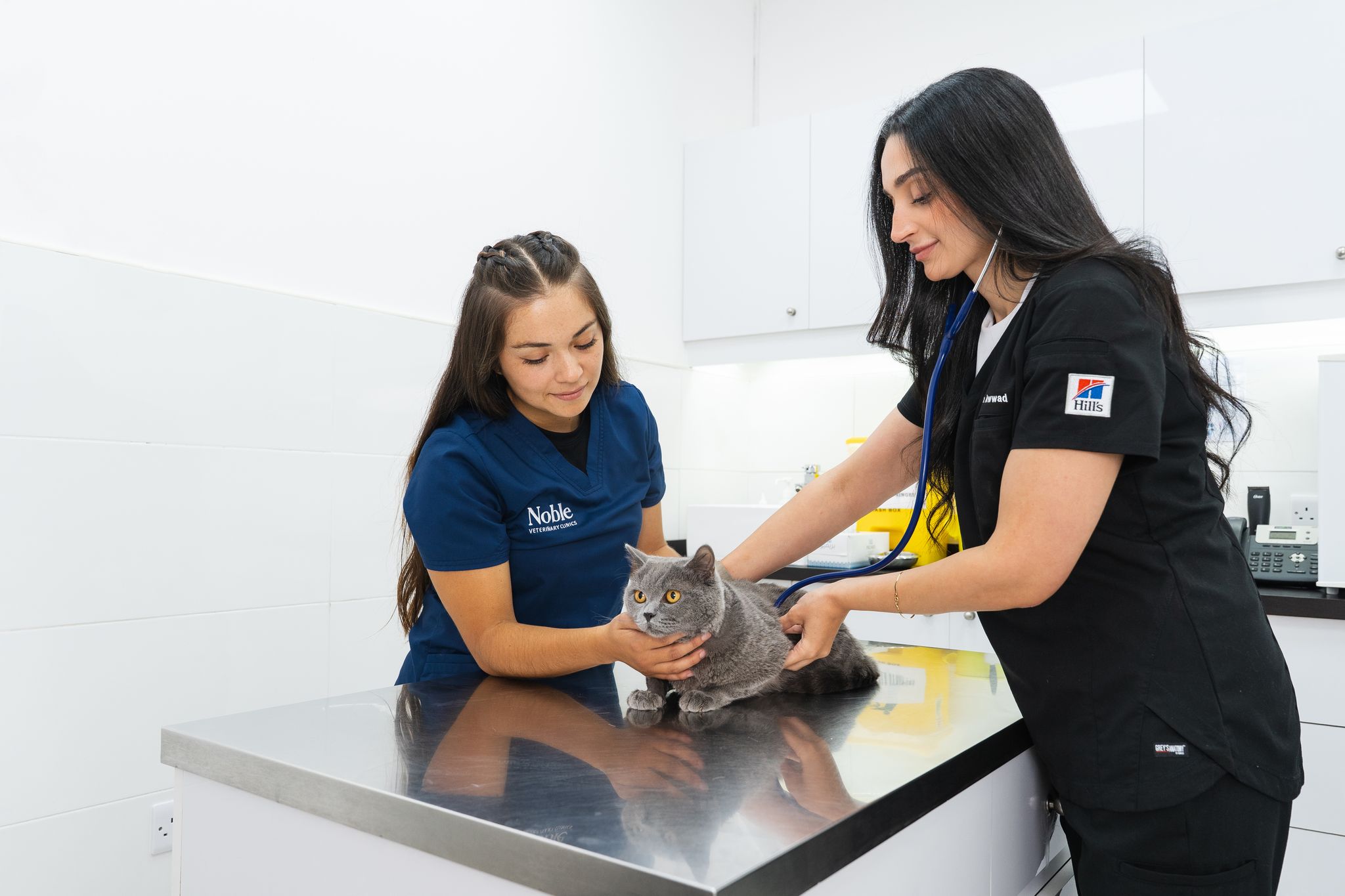
If your cat has eaten grapes, the situation is essentially considered an emergency. The best course of action is to bring your cat to the clinic for emergency care. Here’s a guide on how to do so:
The first step is to stay calm. Remaining calm helps you gather essential information and act quickly without confusion. Cats are sensitive, so staying composed will help them feel less stressed.
You’ll also need to call our vets immediately. This is so you’ll have a guide on what to do when your cat has eaten grapes. Our vets and other vets near you will help you proceed with home care or treatment at the clinic.
If your cat has eaten more than one piece of a grape, then it’s very important to bring your best friend to the clinic. Make sure you don’t do any home remedies to be sure things don’t get worse.

Frequently Asked Questions







Subscribe to Our Newsletter
Worried about your pet?
We’re here for urgent care, wellness checks, or anything in between.