25 Common Cat Behaviors: Understanding Your Cat’s Personality


Cats are amazing creatures with very interesting personalities and behaviors. One moment you see them purring and relaxing around you, and the next, they’re zooming across the house at full speed.
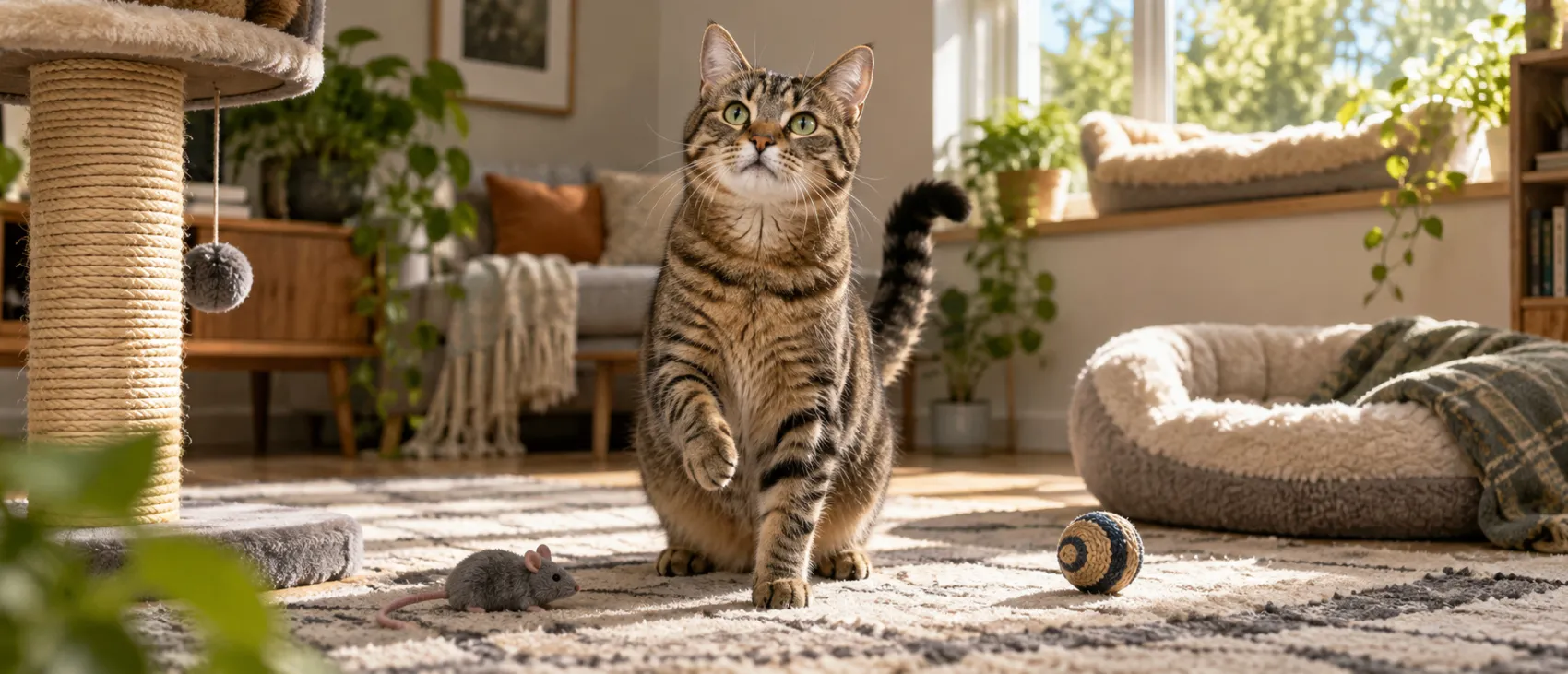
Each and every twitch, tail flick, or body language has its own unique meaning, and these behaviors are among the ways our cats communicate with us. When you know a part of it, you can begin to get to know your cat even more. Let’s talk more about cat behavior.
Why You Need to Understand Your Cat’s Behavior
But before we actually talk about the many sides of a cat’s behavior, let’s first discuss why understanding this is so important.
Strengthens Your Bond
Your cat’s behavior is your gateway to connecting with them on a deeper level. When you can interpret their signals and behavioral changes, you’ll know how to respond and what to do to help.
Meets Their Needs
The moment you learn what your cat is trying to tell you, you can provide whatever they need. This includes food, water, cuddles, playtime, or maybe just opening a door.
Checks Their Health
A change in a cat’s behavior can signal a disease, injury, or problem. With small shifts in behavior and accompanying symptoms, you can determine what your cat is experiencing. When you do, you can get them the help they need.
Builds Trust and Confidence
Communication leads to long-term trust and confidence. So, when you respond according to what your cat asks, such as for food, they’ll trust you more and more. They can easily feel safe and secure with your presence.
Improves Their Quality of Life
All in all, understanding cat behavior improves their lives and experiences. When they have a loving pet owner who provides for their needs, they feel happier and more comfortable in life.
Cat Behaviors About Affection and Comfort
Kneading
Kneading is when your cat rhythmically pushes its paws against a soft surface, such as a blanket, cushion, or even your lap. This behavior originates in kittenhood when nursing kittens knead their mother’s belly to help with milk flow.
So, when you notice them kneading, or in other words, making bread, they feel relaxed, comfortable, and affectionate.
Purring
One of the most recognizable and common cat behaviors is purring, a soft, rhythmic sound that cats produce when they are content. While cat purring is almost always associated with happiness, there are times when it can have other meanings, such as anxiety and discomfort.
Slow Blinking
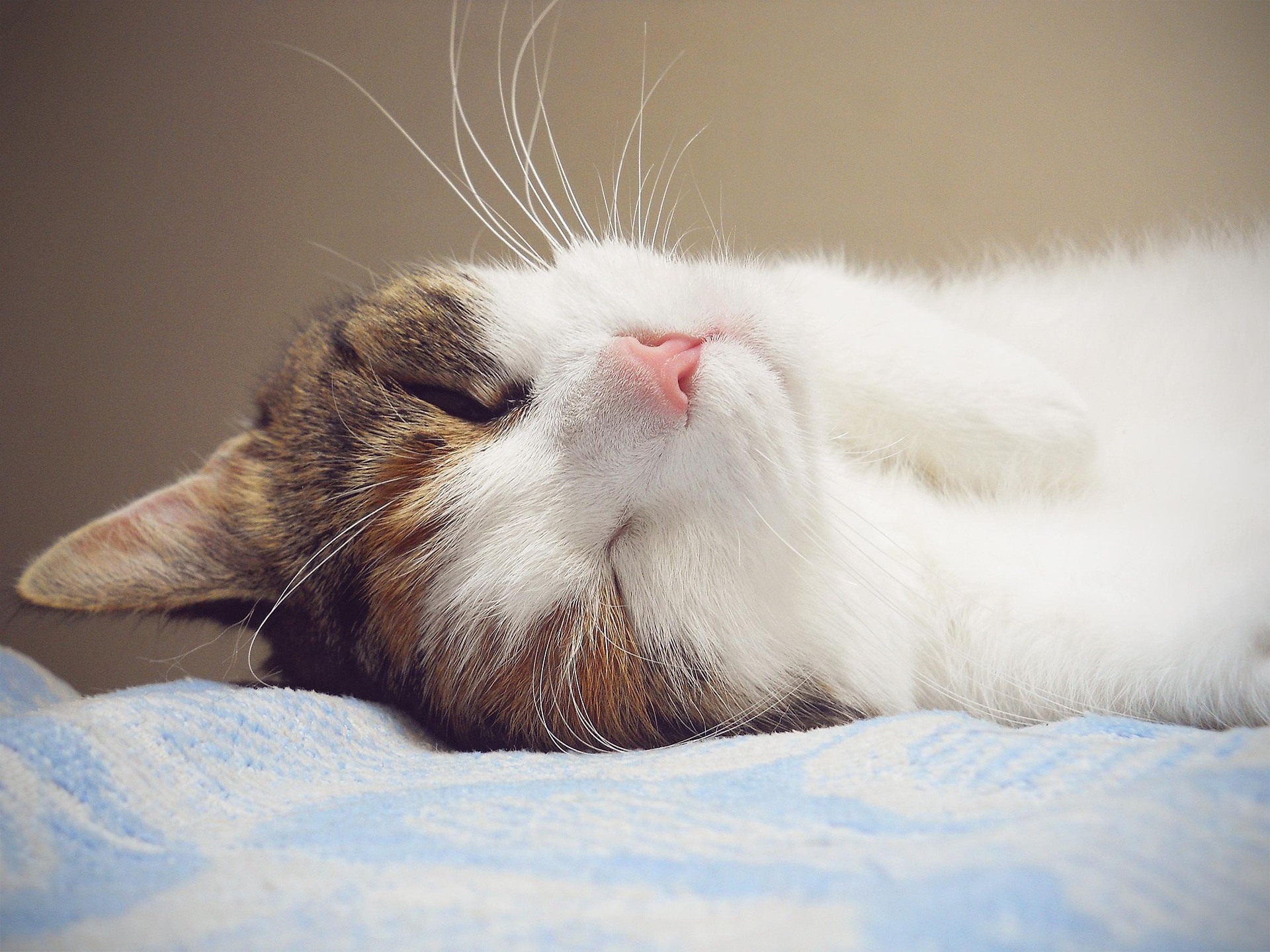
If you notice your cat looking at you eye to eye and slowly closing and opening their eyes, it essentially means that they trust and love you. In the feline world, direct eye contact can be seen as a challenge, but a slow blink signals that your cat feels safe and comfortable around you.
When they do this, doing the same thing as a response will help them feel reciprocated.
Head-Butting
Cats have various scent glands on their cheeks, forehead, and chin. So, whenever you notice them head-butting you, it’s not a challenge, but a complete show of affection. When they rub against you, they leave their scent behind and claim you as their own.
Licking You or Themselves
Cats groom themselves meticulously, but they also groom other cats as a sign of bonding. If your cat licks you, they’re engaging in this same social grooming behavior, treating you as if you were another cat in their family.
While it’s an attempt to “clean” you, it shows just how much they care to spend the time to groom you.
Rolling Over and Exposing Belly
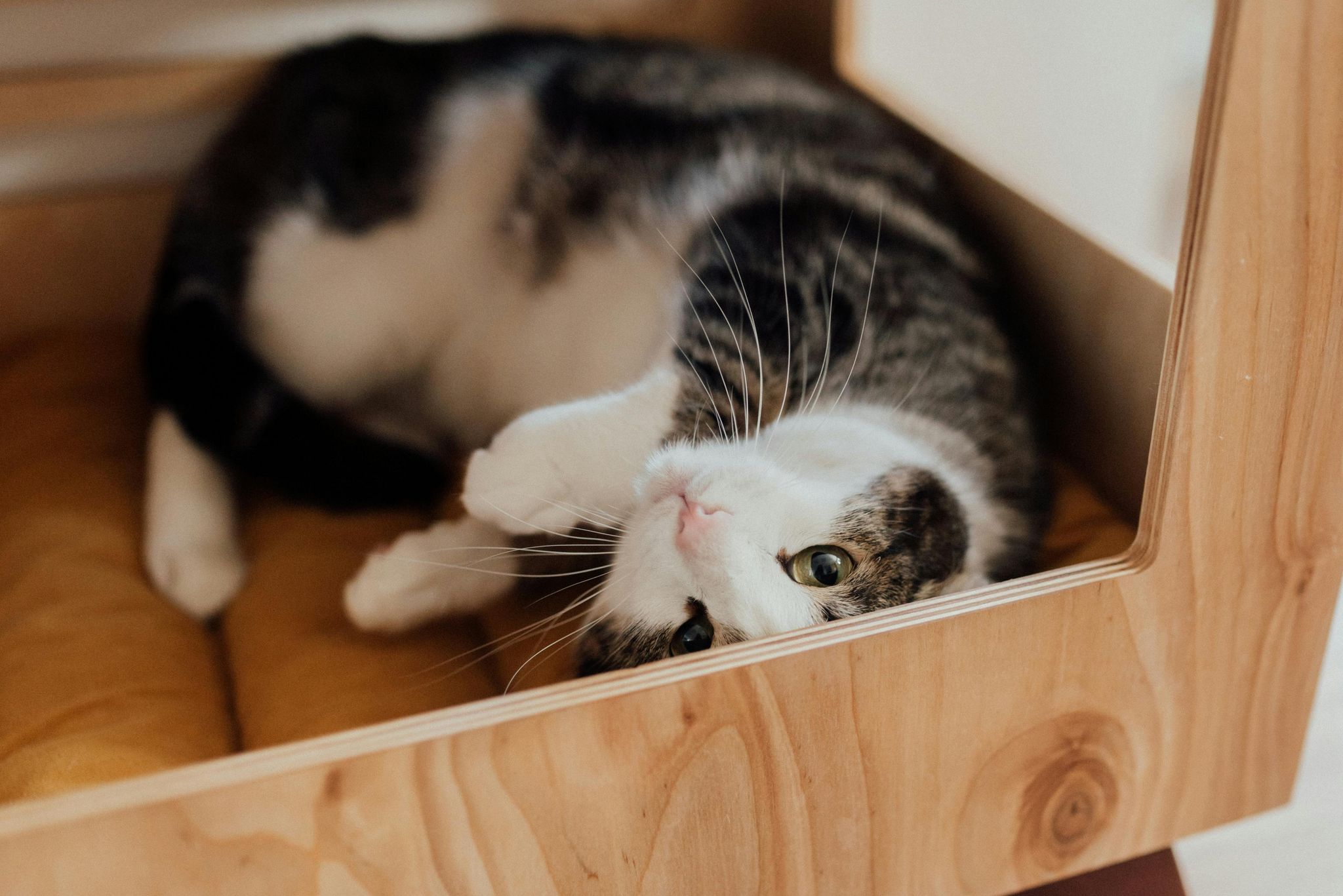
You may notice your cat rolling over and showing their belly. Many people assume this is an invitation for belly rubs, but it’s actually a deep showing of trust. If a cat shows you its belly, it means that they feel comfortable around you, even enough for a belly rub.
Elevated Butt During Petting
Some cats like a good scratch, while others love it so much they pop their rear end up in the air. This cat behavior generally tells you that they love and enjoy the petting, especially when near the base of the tail.
Hiding in Small Areas
Cats have a natural instinct to seek enclosed spaces, which provide them with a sense of security. Domestic cats, which is why they love hiding in boxes, under beds, or inside cabinets.
Napping
Cats sleep all the time, taking up to 12t to 16 hours a day. If you see your cat taking a good and comfortable nap all throughout the day, they’re relaxed. They can even sleep anywhere, from the cold floor to the best spot on the sofa.
Another version of this is when your cat sleeps with you, as this signifies deep trust, safety, and affection.
Staring
If you notice your cat staring at you, it might be asking for something. This can be food, attention, or even comfort. Additionally, staring can sometimes come with slow blinking, which confirms this showing of affection.
Interrupting Calls
If your cat suddenly becomes more vocal, affectionate, and needy while you talk to someone over the phone, it’s a sign of the need for attention. Cats have incredible hearing, which means they can hear voices, but might be confused as to where they’re coming from.
Following You Around
Cats sometimes follow their owners around the house because they feel comfortable and secure in their presence. You might have almost tripped because of this, as they might stick to your feet, following you in every room you enter.
Seeking High Places
If you notice your cat always finding ways to get on top of tables, shelves, platforms, and sofas, then it’s normal. Cats love seeking high places because they feel more secure and comfortable here. The height gives them the confidence to look over and observe their environment.
Frequently Asked Questions







Subscribe to Our Newsletter
Worried about your pet?
We’re here for urgent care, wellness checks, or anything in between.