Is a Cat a Carnivore or an Omnivore?


Is a Cat a Carnivore or an Omnivore?

Is a Cat a Carnivore or an Omnivore?

Dr. Paulina Czerska

Published Date

Published Date

Dec 22, 2025

Dec 22, 2025

Custom Icon
Custom Icon
Custom Icon

If you’ve wondered about your cat’s main diet, you’re not alone. It’s one of the most puzzling concepts for new pet owners, especially since cats can eat just about anything they want to. This has led people to wonder whether cats are carnivores or omnivores.
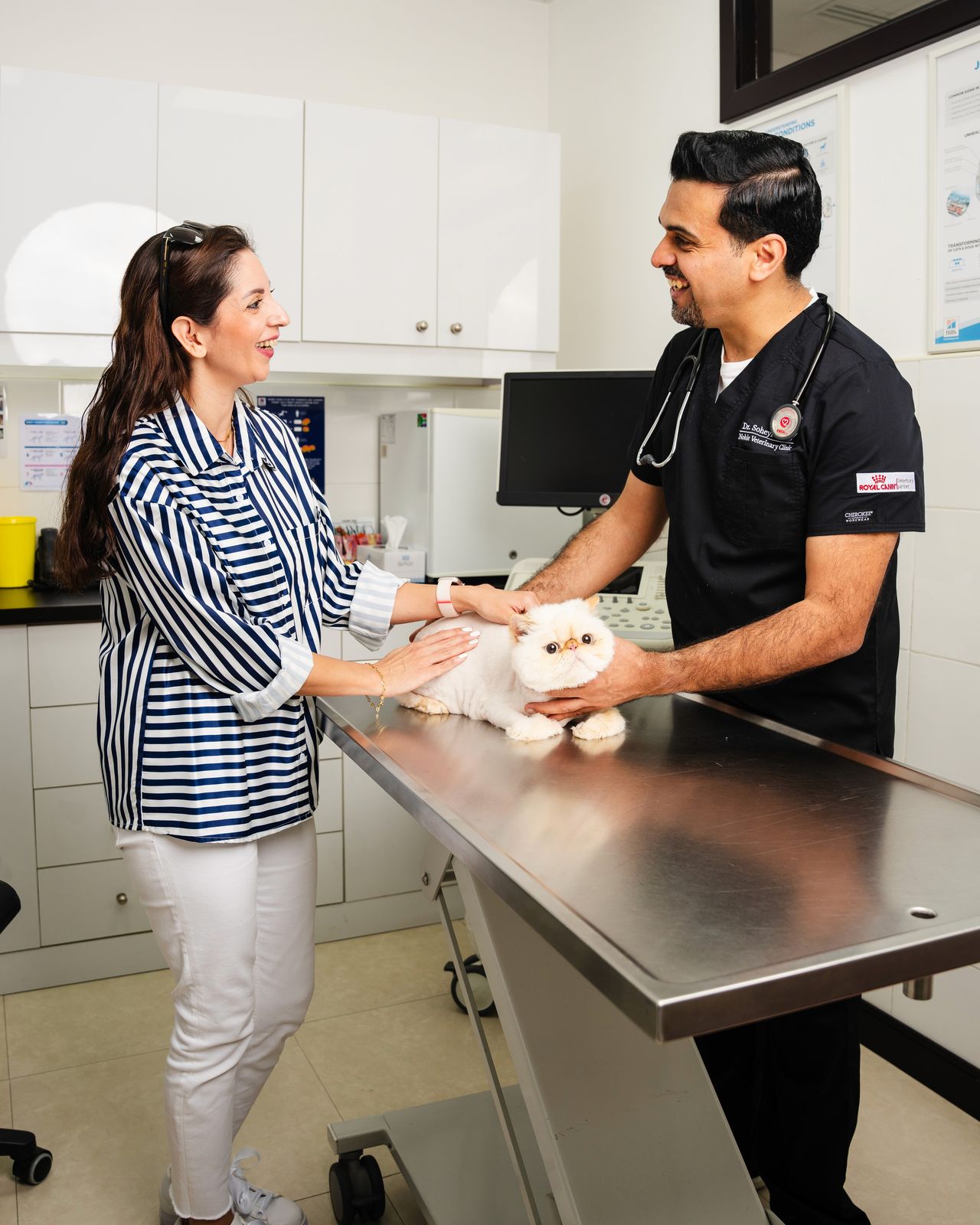
A gray cat on a metal table is being examined by a veterinarian with a black shirt.

Essentially, cats are carnivores, even if they eat other foods like vegetables and fruits. Specifically, they are obligate carnivores. In this blog, we’re going to talk about the kind of eaters cats are, how they get their nutrition, and how to support it at home. 

Carnivores vs Omnivores

But what’s really the difference between the two? Basically, they are key terms that describe how an animal is biologically designed to eat in order to grow, develop, and stay healthy. 

Carnivores

A carnivore is an animal whose natural diet is based primarily on other animal sources. Carnivores are adapted to digest protein and fat from animal tissues efficiently, and their bodies rely heavily on nutrients that come from meat.

This also means that their digestive systems tend to be shorter because meat is easier for them to break down compared to fibrous plant materials. Carnivores can also be classified further based on how much meat they should consume to survive. Here’s a guide: 

Classification

Percentage of Meat in Diet

Hypercarnivore

70% or above

Mesocarnivore

50-70% 

Hypocarnivore

30% or below 

Cats are classified as hypercarnivores, also known as obligate carnivores. This basically means that their diet should consist mainly of meat, about 70% or above, to grow, develop, and survive. 

Omnivores

An omnivore is an animal that can thrive on a combination of plant and animal foods. Omnivores have digestive systems and metabolic pathways that allow them to extract nutrients from a wide variety of sources. This includes starches, fruits, vegetables, and meats. 

Humans are a good example of omnivores because we can meet our nutritional needs from many different sources. 

Can Cats Eat Fruits and Vegetables?

Technically, yes, but they’re not needed. 

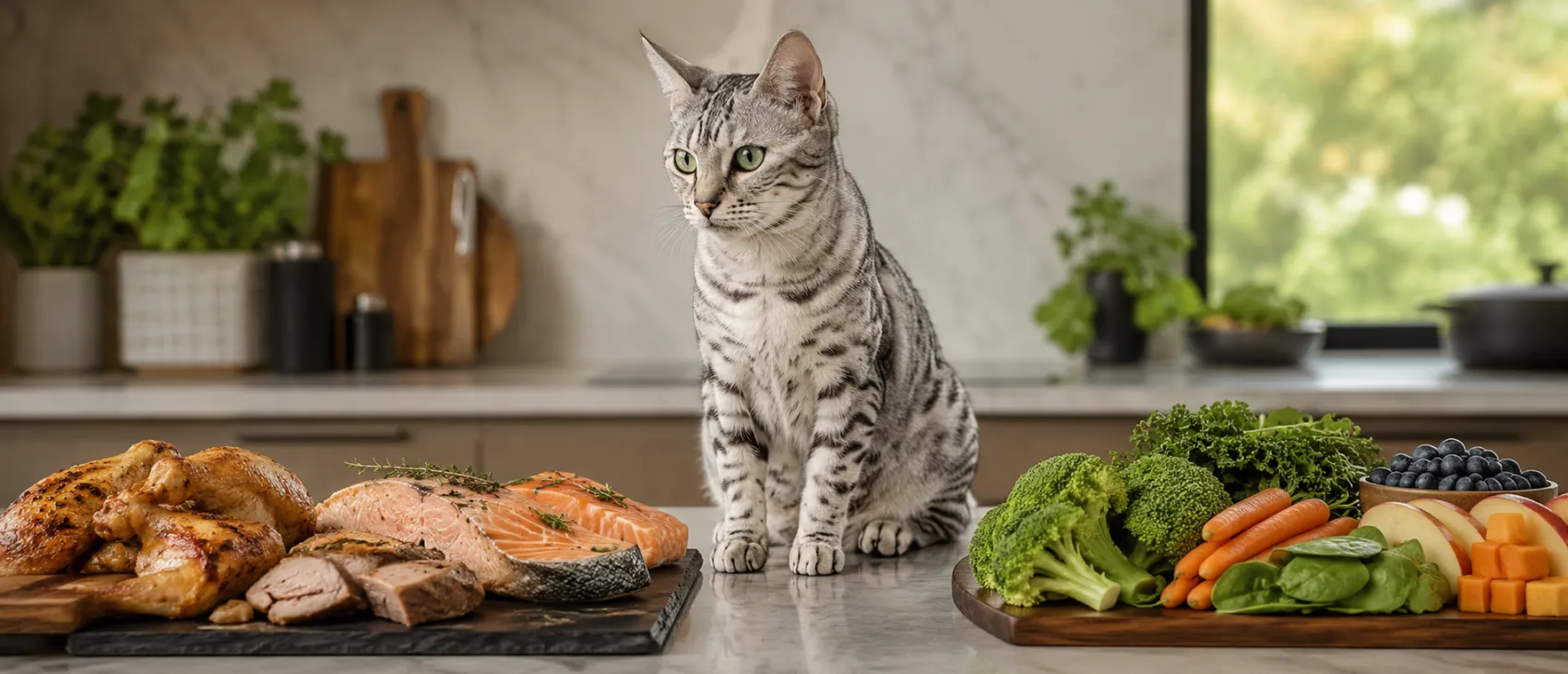
While cats may occasionally eat small amounts of plant-based foods or consume diets that include fruits or vegetables, this does not make them omnivores. These ingredients can provide energy and some benefits, but they do not supply the specific range of nutrients cats need.

Cats cannot efficiently produce certain vital compounds on their own, and many of those nutrients occur naturally in animal-based foods.

What Makes Cats Carnivores?

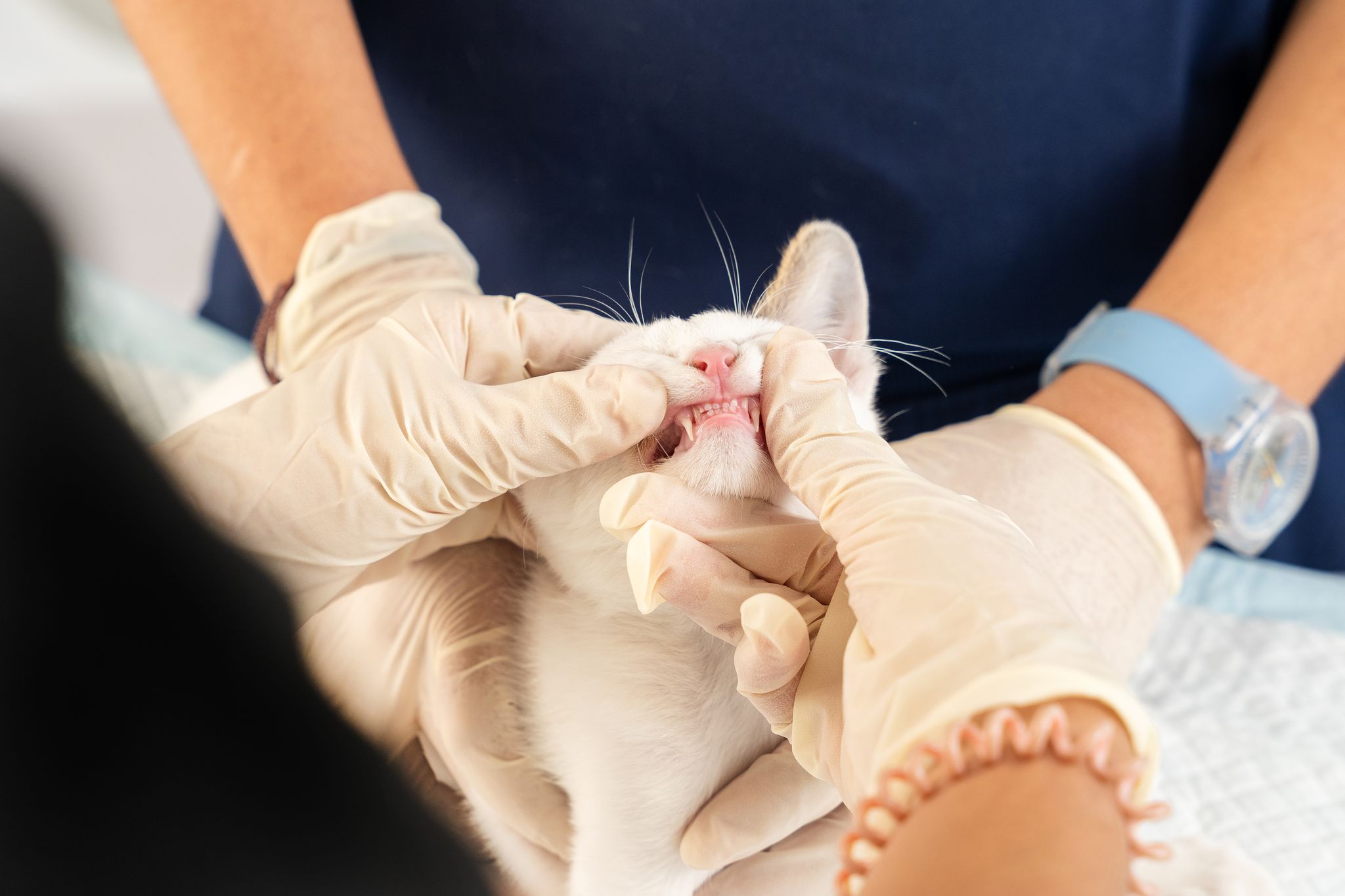
Two veterinarians are holding a cat's face to check its teeth, gums, and overall dental health.

Cats have specialized features that help them consume meat. It all comes from their needs and anatomical specifications. These include: 

Sharp Teeth

A cat’s teeth are basically meat-processing tools. They have long, pointed canines for gripping, plus razor-sharp premolars and molars that shear and cut the meat. That slicing design is a classic carnivore trait, helping them break down meat for digestion. 

Jaws

Their jaws also have a special purpose. It’s built more like a hinge rather than one that rotates, good for biting down and tearing meat. It’s different from the side-to-side grinding needed for fibrous plants. This is the reason why cats often swallow pieces of food rather than chewing them down. 

Digestive System

As carnivores, cats have a shorter digestive tract compared to those that eat plants because meat is easier to digest. Plant-heavy diets require longer intestines to extract the nutrients. Since cats don’t eat those, they have a shorter one to process animal tissues efficiently. 

Aside from this shorter tract, cats have an acidic stomach that helps them break down the animal sources they eat. This is key to breaking down fat, protein, and bones. Cats also lack salivary amylase, so they are unable to efficiently process carbohydrates.


Want to improve your cat's diet?

Want to improve your cat's diet?

Let our vets guide you.

Let our vets guide you.

What Do Cats Need for Nutrition?

A veterinarian is talking to a pet owner about the nutrients her cat needs.

Now that we know what kinds of eaters cats are, it’s time to determine what they need in their diet. These are also some of the traits that define a cat’s carnivorous nature, since they require these specific nutrients to survive. Cat nutrition is something all pet owners should focus on. 

They are carnivores, which is why cats require proteins, healthy fats, vitamins, minerals, and water. 

Protein and Amino Acids

Protein is the centerpiece of cat nutrition because cats are built to use amino acids from animal protein for everyday body functions. Compared to other pets, cats have a higher dependence on dietary protein to maintain their bodily functions, health, energy, and normal metabolism. 

This is why high-quality animal protein should be the standard for cats. 

There are also specific amino acids to keep in mind. This includes taurine, arginine, and histidine, among many more. Each has a specific purpose. Here’s a quick overview of what they do: 

Amino Acid

Benefits 

Arginine

Ammonia detoxification, immune support, circulation, heart health

Histidine

Growth and development, blood health, immune and digestive function

Taurine

Vision, heart function, digestion, reproduction, immune system function

Isoleucine

Muscle growth and repair, energy source, skin and coat health

Leucine

Muscle maintenance and growth, tissue repair, energy, metabolism, immune system support

Lysine

Immune system support, helps fight FHV-1, supports muscles, blood, and bones

Methionine

Skin and coat health, liver support, urinary health, antioxidant support

Phenylalanine

Protein synthesis, supports neurotransmitters, helps manage pain

Threonine

Muscle growth, immune support, gastrointestinal health, metabolism

Tryptophan

Improves mood, reduces stress, promotes good sleep

Valine

Muscle growth and repair, energy production, tissue repair, nervous and immune system function

Fats

Fat is another essential part of cat nutrition. It provides concentrated energy, supports skin and coat health, and helps the body absorb fat-soluble vitamins. Cats need omega-3 and omega-6 fatty acids, which can be obtained from animal fats and fish oil.

Vitamins and Minerals

Cats need the right amounts of vitamins and minerals. These include vitamins A, D, E, and K, as well as calcium, phosphorus, magnesium, potassium, and iron. Basically, each of these supports specific parts of your cat’s health.

Water

Water is perhaps one of the most important parts of feline nutrition. Water supports everything that constitutes a cat, including bodily functions, digestion, temperature regulation, organ function, waste removal, and overall health. 

Some cats naturally drink less than you’d expect, so it’s important to help them drink more. This can be through water fountains, mixed feeding, and moisture-rich diets.

“It’s crucial to determine the type of diet our cats need to grow and develop.”

- Dr. Paulina Czerska

Final Thoughts

So, is a cat a carnivore or an omnivore? Cats are obligate carnivores, the type that requires at least 70% of their diet to consist of meat and animal sources. They get the essential nutrients they need from these diets, as their bodies are designed to eat and digest these sources.

Share

Custom Icon
Custom Icon
Custom Icon

Subscribe to Our Newsletter

Sign up for weekly pet health tips and insights from our veterinarians.

Sign up for weekly pet health tips and insights from our veterinarians.

Wellness & Emergency Care

Book Appointment

Book Appointment

Worried about your pet?

We’re here for urgent care, wellness checks, or anything in between. 

We’re here for urgent care, wellness checks, or anything in between. 

Get the best Vet care for your pet

© 2025 Noble Veterinary Clinics

Unique care for your best friends, because they’re family.

© 2025 Noble Veterinary Clinics

© 2025 Noble Veterinary Clinics