Hot Spots on Dogs: Causes, Symptoms, and Treatment


Hot Spots on Dogs: Causes, Symptoms, and Treatment

Hot Spots on Dogs: Causes, Symptoms, and Treatment

Dr. Paulina Czerska

Published Date

Published Date

Mar 3, 2026

Mar 3, 2026

Custom Icon
Custom Icon
Custom Icon

If you’ve ever noticed a sudden red, irritated patch of skin on your dog that seems to grow larger by the hour, you may be dealing with a hot spot. 
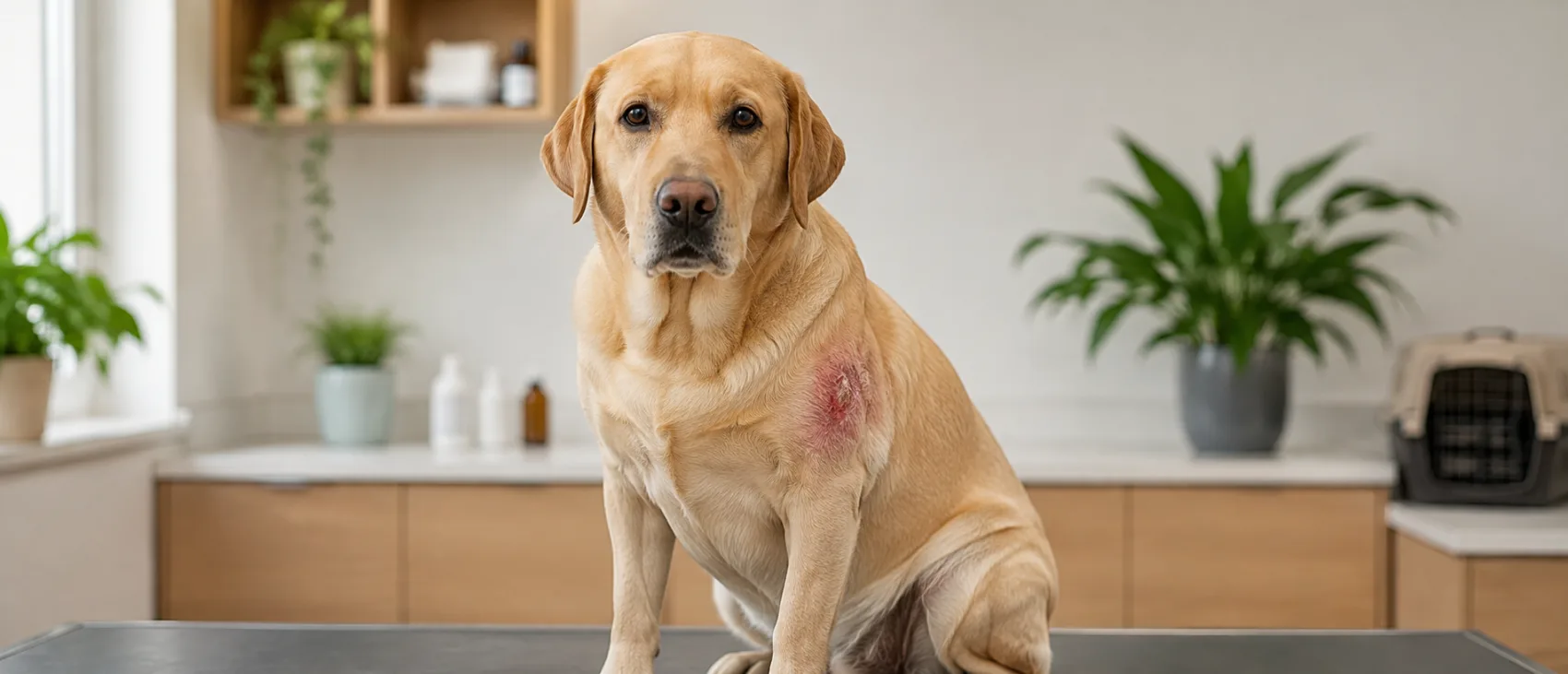
A veterinarian in a black shirt is holding a brown dog in her arms before the checkup for hot spots.

Hot spots on dogs, also known as acute moist dermatitis or pyotraumatic dermatitis, are painful, fast-spreading skin infections. They can grow from a tiny red patch to an oozing sore in just hours, especially if your dog keeps licking or scratching. 

Left untreated, they can develop into deeper bacterial skin lesions and recurring issues. Let’s talk more about it so we can protect our dogs from these painful sores.

What Causes Hot Spots on Dogs?

Hot spots don’t just pop up for no reason. There’s always a trigger, a cause, that should be looked into. But here’s the good news: most of these causes are easy to spot once you know what to look for.

Let’s break it down into medically relevant categories. Here are the common causes of hot spots on dogs:

Skin Allergies

Skin allergies are a common enemy, just like hot spots. These can include:

  • Environmental allergies. Pollen, grass, mold, and dust can cause itching and irritation.

  • Food allergies. Specific ingredients, including chicken, beef, and soy. 

  • Flea allergies. Flea bites can introduce the saliva, which some dogs are allergic to. 

External Parasites

Fleas, ticks, and mites are parasites that can cause a lot of itching for dogs. When these parasites bite or burrow into the skin, they can cause irritation that causes excessive scratching or licking. This behavior damages the skin and creates the perfect conditions for bacteria to take hold and form a hot spot.

Poor Grooming

When a dog’s coat is neglected, mats and tangles can form, trapping dirt, bacteria, and moisture close to the skin. This creates irritation and inflammation, increasing the likelihood of hot spots in your dog. Because of this, regular grooming is very important, especially for dogs with thick fur.

Additionally, dogs with thick or long fur are particularly vulnerable to hot spots caused by trapped moisture. After swimming, bathing, or even getting caught in the rain, moisture can linger under their coat if they aren’t dried thoroughly. 

This means that it’s important to dry your dog off after a swim or bath.

The damp environment encourages bacterial growth, which can quickly lead to a hot spot. Yes, even leaving your dog wet can be a problem. It’s all in the little things.

Skin Trauma

Matted fur, post-surgery licking, and even small wounds can create localized irritation. When dogs start chewing or licking, these areas start to become a bigger problem, hot spots. This is also a way for opportunistic bacteria to come and cause secondary infections.

Infections

Sometimes, hot spots are secondary to another issue, such as a skin or ear infection. For example, a dog with an ear infection might scratch or rub the area excessively, creating the conditions for a hot spot to form. Hot spots can start small and, if not addressed, can worsen and lead to more infections.

Infections in other parts of the body can also cause localized irritation that leads to these lesions.

Stress or Boredom

Dogs can bite or chew on their skin whenever they get too stressed or bored. This can damage the skin’s barrier and result in lesions, wounds, and hot spots in dogs. 

Stress often comes from changes in their lives, illness, separation anxiety, and more. Boredom happens when dogs don’t get the fulfilling exercise or stimulation they require. 

Orthopedic Pain or Underlying Disease

Dogs with joint pain, such as arthritis, may lick the affected area excessively, especially on the elbows or hips. Other issues, including hypothyroidism, can dry their skin, prompting them to bite and chew the affected areas.

Any health issue that affects their skin and irritates it can cause dogs chew on it to alleviate the pain. 

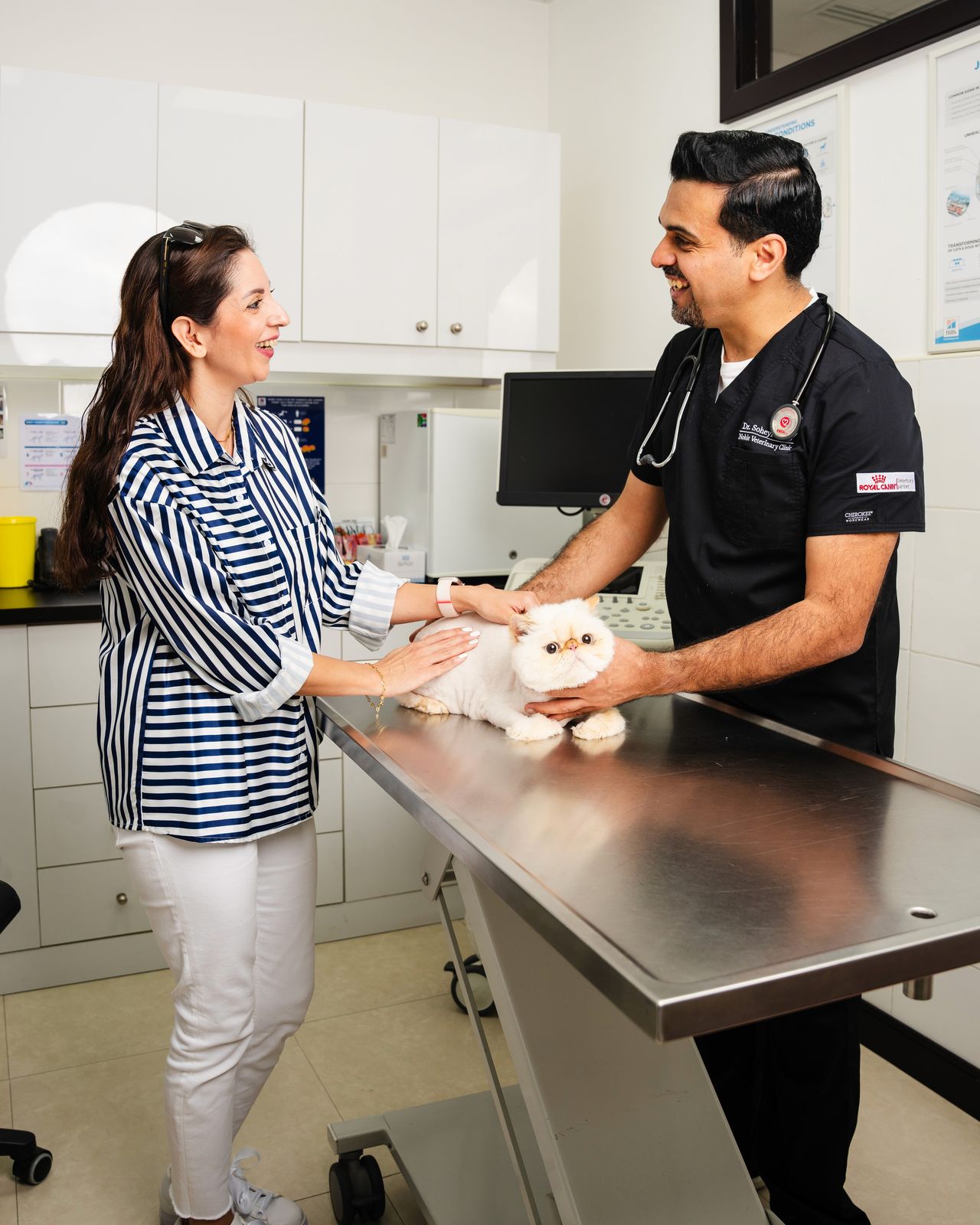
Two veterinarians are talking to a pet owner about his dog's hot spots.

What Do Hot Spots Look Like on Dogs?

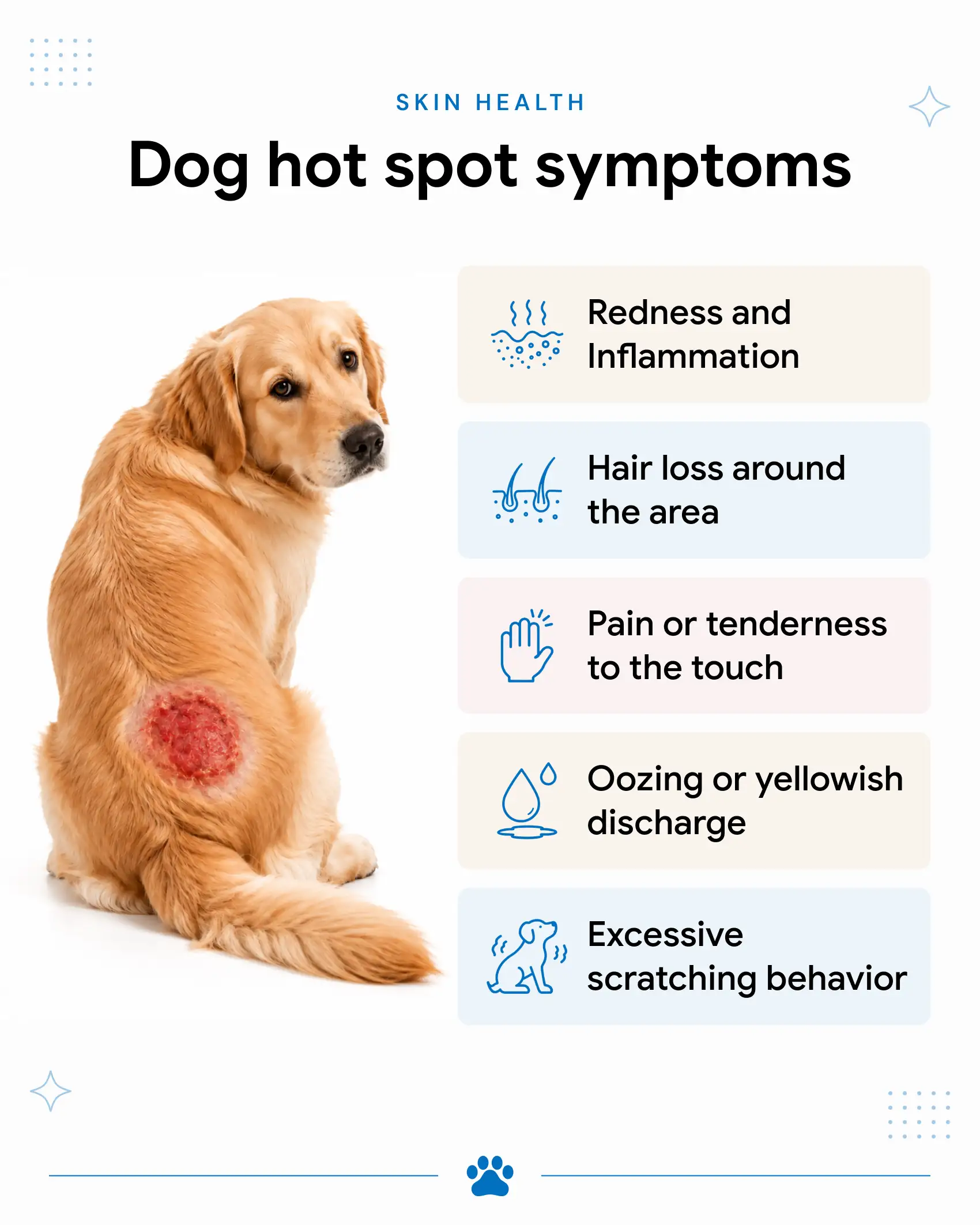
Acute moist dermatitis spreads rapidly and presents intense itching. These areas look like painful, red, inflamed, and raw lesions. The sores are often moist or oozing pus, making the surrounding skin matted or crusty. They may also feel warm or even hot to the touch. 

Additionally, there’ll be other signs that accompany the main sores. 

Behavioral Changes

One of the first signs of hot spots is how a dog’s behavior changes. Dogs with hot spots will be visibly disturbed and uncomfortable. They tend to lick it nonstop in an attempt to relieve the irritation. Unfortunately, this only makes the problem worse. 

Obvious Irritation

Constant licking, chewing, or scratching creates more problems and worsens the condition of your dog’s skin. 

Skin Changes and Hair Loss

As the hot spot progresses, you might see swelling or thickened skin around the area. In severe cases, scabs or crusty patches can develop as the skin tries to repair itself. This repetitive activity can cause fur to fall out, resulting in bald spots and thinning fur.
Want to prevent hot spots in your dog?

Want to prevent hot spots in your dog?

Book a consultation with our veterinary team today.

Book a consultation with our veterinary team today.

How Do Vets Diagnose Hot Spots in Dogs?

When we work with hot spots, we seek out the common signs, which are the characteristic lesions’ appearance. They often appear on the head, limbs, or hips. In some cases, a visual exam is enough to confirm hot spots in dogs. We may also do additional laboratory tests, like these below: 

  • Skin Cytology. We use a direct impression smear to obtain a sample of skin cells. From here, we stain it and analyze it under a microscope. This allows us to check for inflammatory cells, bacteria, yeast, and more. 

Skin Scrapings. Our team collects skin scrapings using a dull scalpel and observes them under a microscope. This is a common technique for bacterial overgrowth. 

  • Orthopedic Exams. We identify pain points from issues such as arthritis to see if this is what’s causing the chewing. 

  • Allergy Testing. One way we do this is by injecting a small amount of allergen into the dog’s skin. The test is positive if a reaction occurs. 

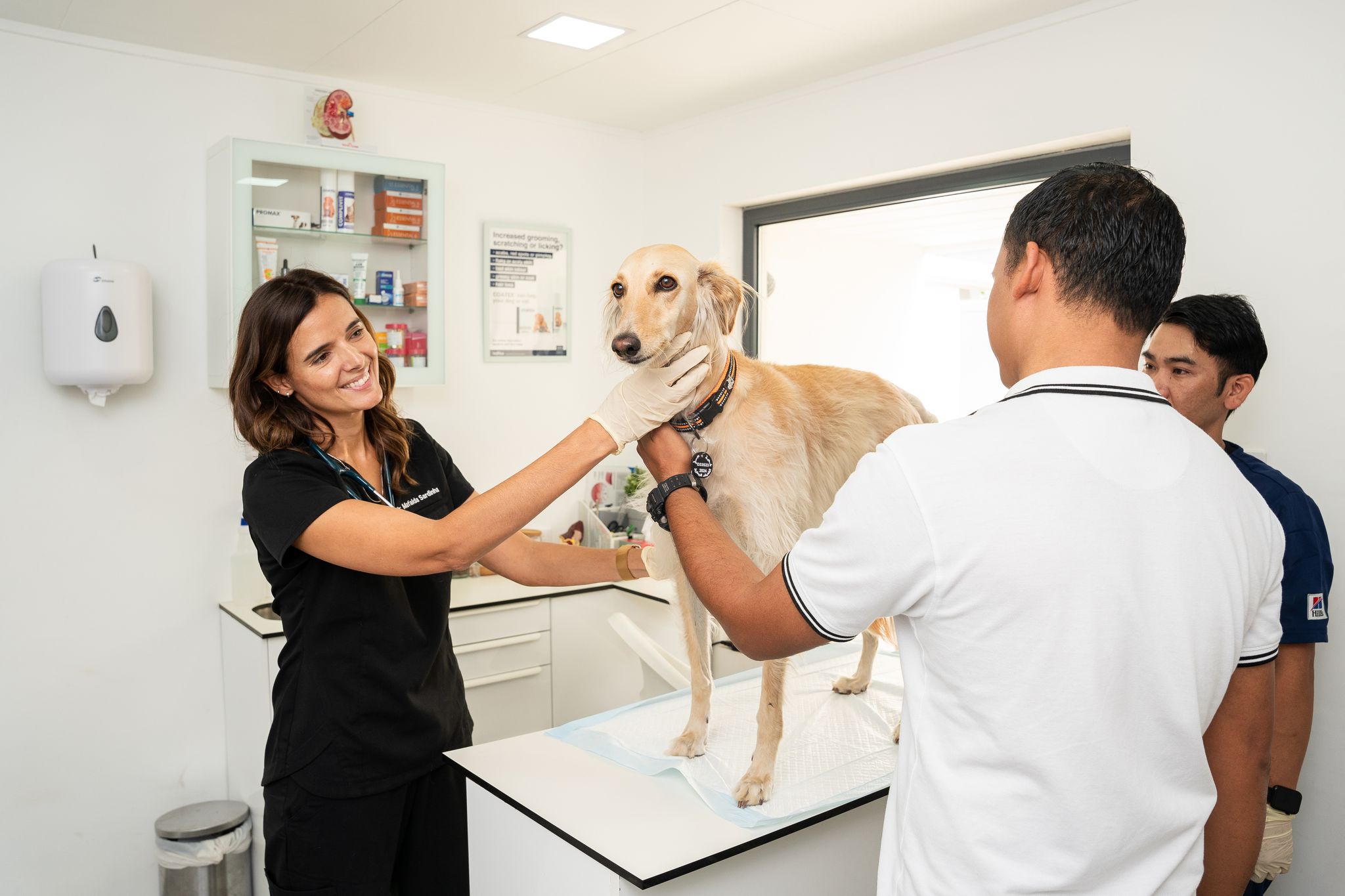
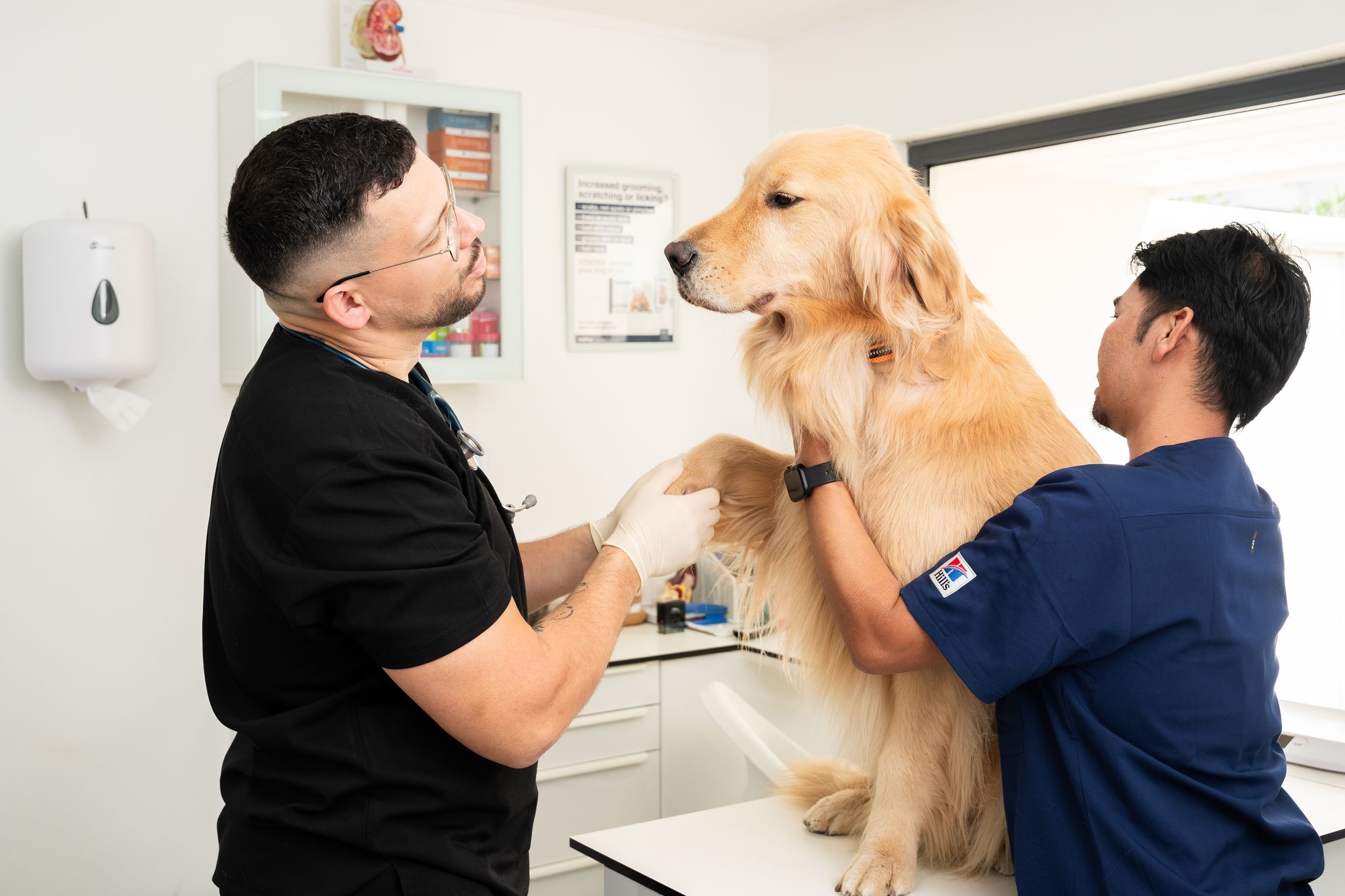
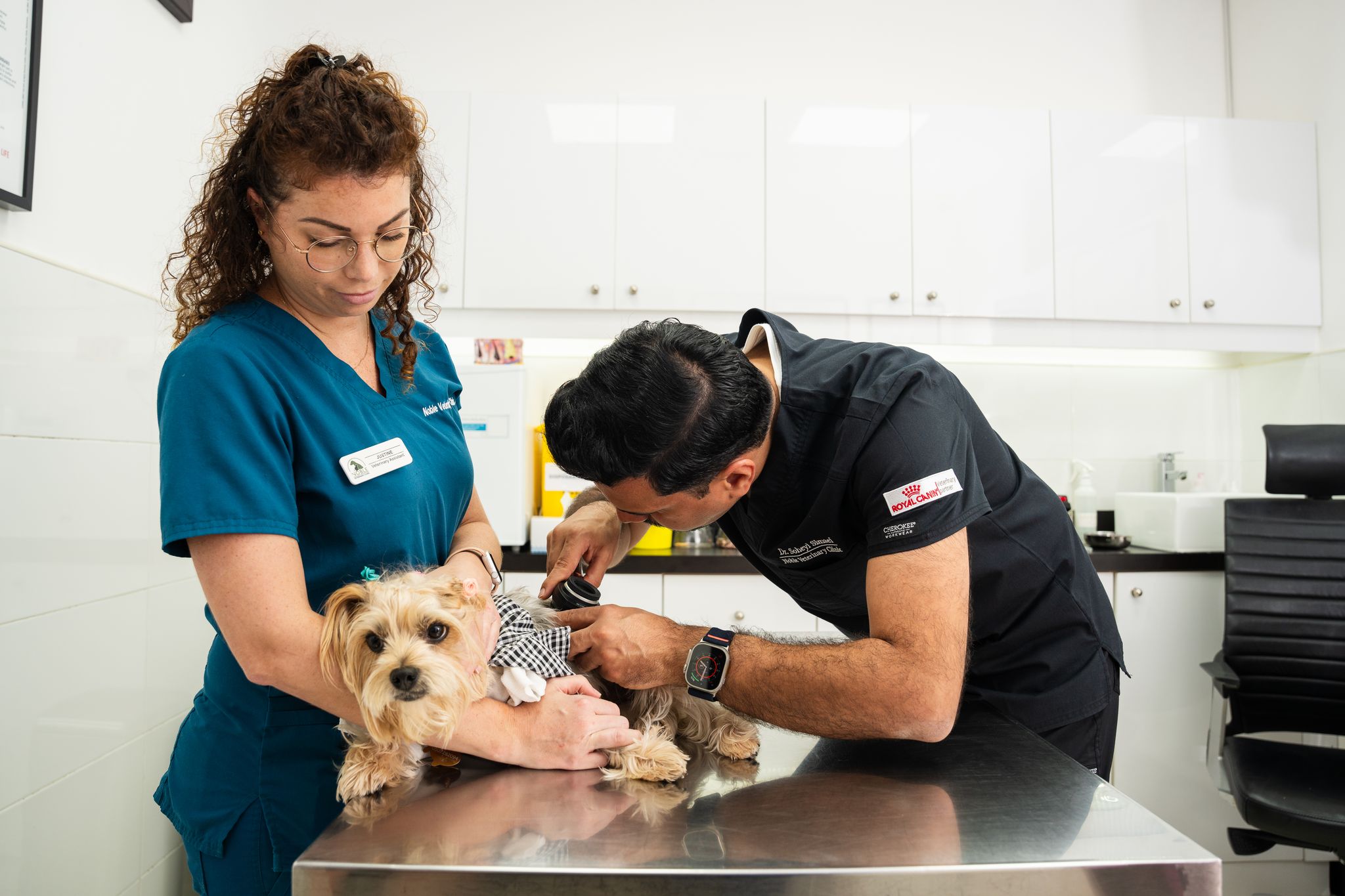
A veterinarian is using a tool to check for the cause of the dog's hot spots. Another vet is holding the dog gently.

How Are Hot Spots in Dogs Treated?

The goal is to act quickly and give the skin the tools it needs to heal. Here’s how we help treat your dog’s hot spots.

Clipping and Cleaning

We remove the hair around the hot spots with clippers to prevent anything from touching the area. This is cleaned with antiseptic solutions to remove the debris and bacteria. 

Administering Medication

Our team provides the medicines needed, including steroids, antihistamines, or other soothing ointments. We’ll also provide antibiotics, with oral forms for severe infections. 

Home Care

We recommend using an E-collar for your dog so they’ll avoid chewing or biting the area. This will help the sores heal. Apply the medications as prescribed and provide a clean resting space for your dog.

Recovery Timeline and Recurrence

Most hot spots heal within 3 to 7 days with prompt treatment. If infection is present, antibiotics may be needed for 10 to 14 days.

Hair usually regrows after the skin has fully healed. But recurring hot spots are common in dogs with underlying allergies, parasites, or behavioral triggers. Identifying and addressing the cause is essential to long-term success.

A veterinarian is keeping a dog calm before the treatment for hot spots. Another vet is keeping the dog still.

How to Prevent Hot Spots in Dogs?

While hot spots can be treated effectively, prevention is always the better option. Follow these practical tips listed below. 

  1. Groom Your Dog

Brush your dog’s coat weekly to remove loose fur and prevent matting. Bathe your dog regularly as well, every 1 to 3 months. For long-haired breeds, aim for at least once a month. 

  1. Maintain Preventives

Stay on top of your dog’s parasite preventives to prevent infections and excessive irritation all-year-round. 

  1. Manage Allergies

Identify your dog’s allergies within the environment and food. Once you know the triggers, you can avoid them in the future. 

  1. Feed a Healthy Diet

Add foods with omega-3 fatty acids, including salmon and sardines. You can also use supplements if they’re easier for you.

“Hot spots are clear signs that our dogs’ skin needs help. Let’s give them the relief they deserve.”

- Dr. Paulina Czerska

Final Thoughts

Hot spots on dogs can be painful and uncomfortable. However, they are manageable and preventable with the right knowledge and care. The key is to act quickly when you notice a hot spot. Treat it immediately, and your dog will thank you.

Frequently Asked Questions

Is a hot spot harmful to dogs?

Yes, especially if left untreated. Hot spots can grow quickly, become infected, and cause intense discomfort. Chronic or recurring hot spots may signal underlying health issues like allergies, pain, or skin infections.

How long do these sores last on dogs?

With prompt treatment, mild hot spots can heal within 3 to 7 days. If there’s an infection or a delayed response, healing can take up to two weeks. Fur usually regrows once the skin recovers.

Do a dog’s hot spots heal on their own?

Hot spots rarely heal on their own and need professional treatment to prevent them from worsening. This includes cleaning and medications.

Can these leave scars?

Yes, hot spots in dogs can leave scars, especially when they are left untreated, severely infected, or are chronic cases.

Are some dog breeds more prone to hot spots?

Yes, dogs with thick coats and skin folds can easily trap in moisture, debris, and bacteria, which can irritate the skin. When this happens, the dogs can chew and bite on the affected areas until they become hot spots.

Share

Custom Icon
Custom Icon
Custom Icon

Subscribe to Our Newsletter

Sign up for weekly pet health tips and insights from our veterinarians.

Sign up for weekly pet health tips and insights from our veterinarians.

Wellness & Emergency Care

Book Appointment

Worried about your pet?

We’re here for urgent care, wellness checks, or anything in between. 

Get the best Vet care for your pet

© 2006-2026 Noble Veterinary Clinics

Unique care for your best friends, because they’re family.

© 2006-2026 Noble Veterinary Clinics

© 2006-2026 Noble Veterinary Clinics