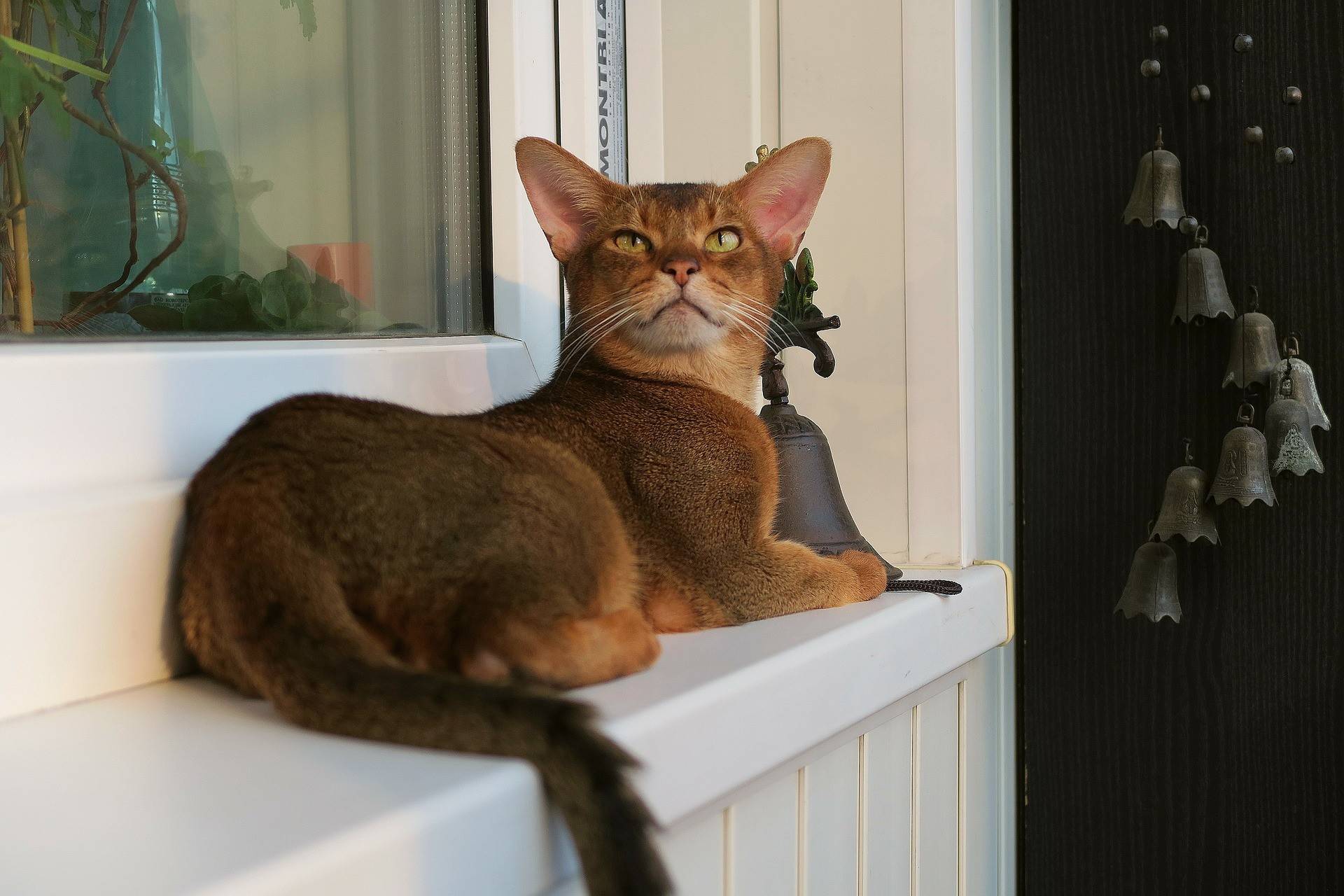
Breed Overview
Personality: Affectionate, active, playful, intelligent, loyal
3-4.5 kg (5-10 lbs)
Coat Colors: Red, blue, cream
Short
Coat Patterns: Ticked
Eye Color: Gold, hazel, green
12 to 15 years
No
History of the Abyssinian Cat
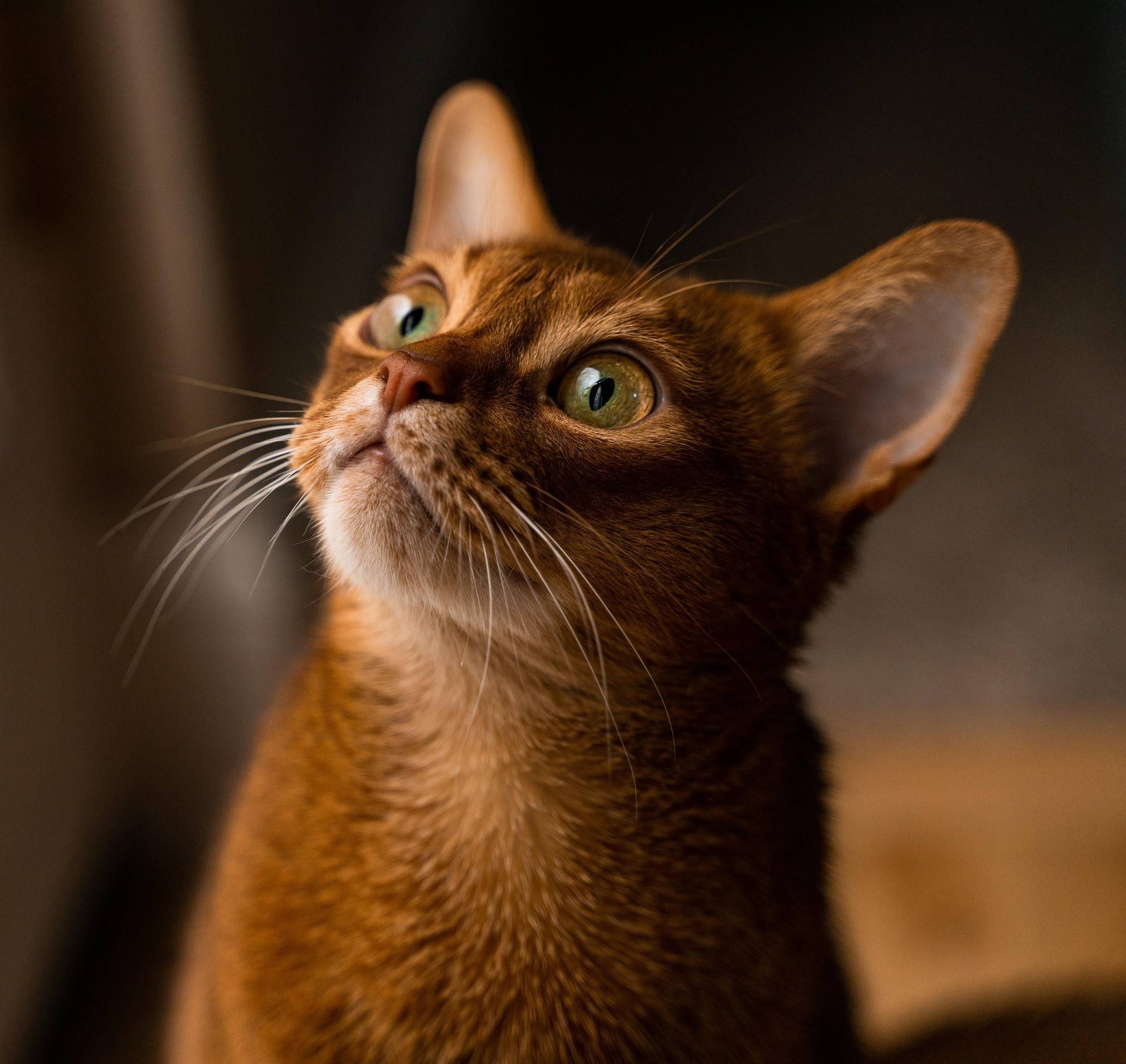
Even though the name was associated with the previous moniker of ancient Ethiopia, the Abyssinian cat has no relation to this place at all. Instead, this cat was genetically studied and found to have originated along the shores of the Indian Ocean and in several parts of Southeast Asia.
The first Abyssinian to be showcased was Zula. During the Crystal Palace show, she garnered the attention of all who were in attendance, starting the foundation for the cat breed’s popularity. In the early 1900s, Abyssinian cats were brought over to the US, where they were developed even more.
Today, the Abys remain a favorite for their playful personalities and distinctive wildcat look.
Physical Characteristics of Abyssinian Cat
Head
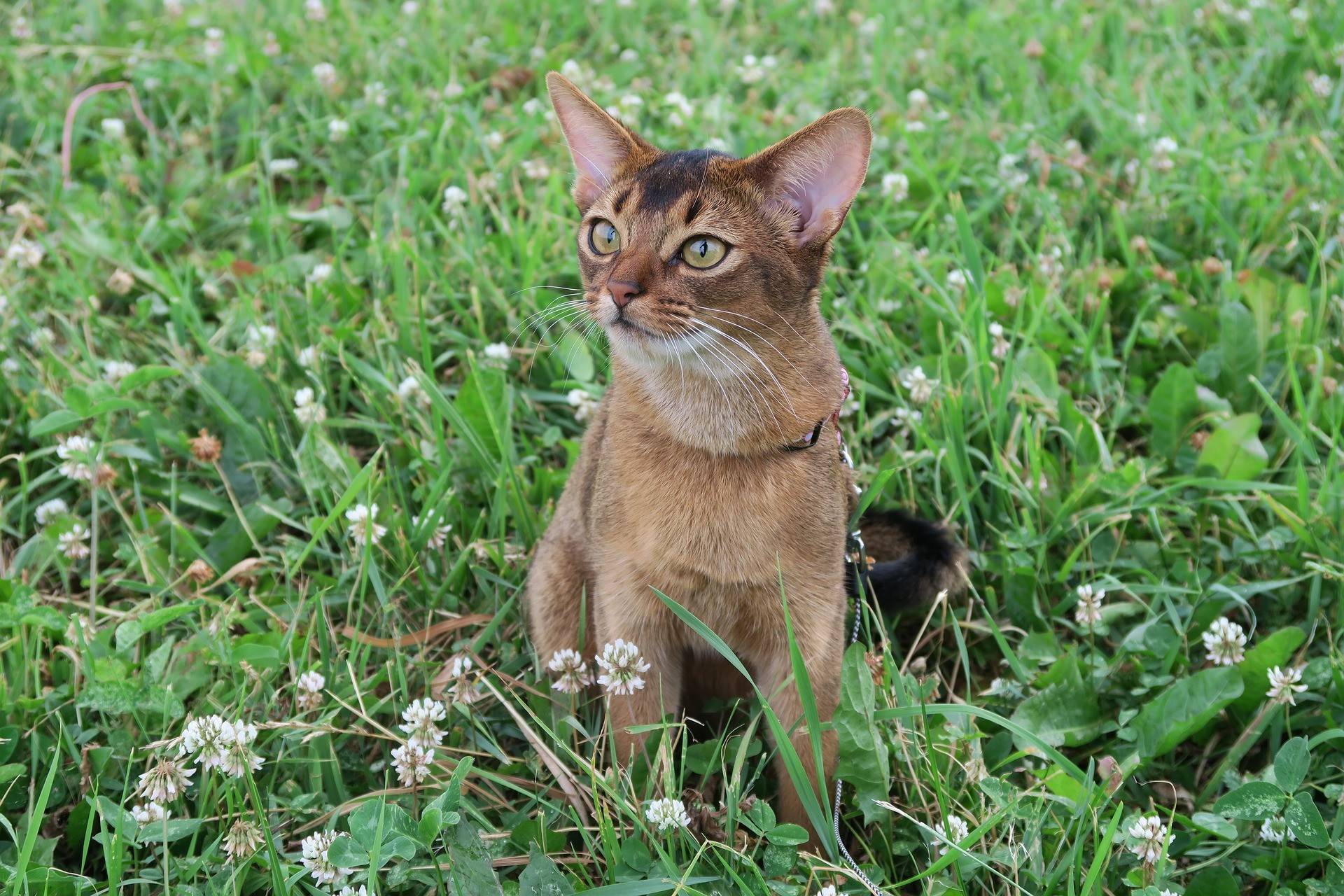
The head of an Abyssinian cat is a bit curved, slightly round, and wedge-shaped. It’s not sharp, but mostly balanced and well-proportioned.
Eyes
Their eyes are large and almond-shaped, coming in colors like gold, hazel, and green.
Ears
They have ears that are pointed, upright, and made to appear alert. These are set well apart and angled slightly forward on the head.
Body
Abys have long, slender bodies with a muscular structure. The neck is close to the body and is proportional to it.
Limbs
The legs are in proportion to the body, long, and slender. They are well-muscled and have a strong appearance.
Tail
They have a long and slender tail that is approximately as long as their bodies. It’s thick at the base and tapers to a point.
Coat
These cats have a short, dense, and silky coat. They generally have a ticked pattern, and the coat comes in colors like red, blue, and cream.
Size
Male and female: 25.4-30.5 cm (10-12 inches).
Weight
Male: 3-4.5 kg (6.6-9.9 lbs); Female: 2.5-3.5 kg (5.5-7.7 lbs).
Just welcomed a Abyssinian Cat
What to Expect With a Abyssinian Cat
Are Abyssinian Cats Vocal?
These cats are moderately vocal, and many of their meows, chirps, and trills are used to communicate their feelings and wants. They may voice out when they are hungry, excited, or want your attention.
How Energetic Are Abyssinians?
These cats are very active and are well-known for their high energy levels. They are always in motion, requiring significant forms of mental stimulation, exercise, and physical activity. Abyssinian cats need an outlet for their high energy levels.
Are Abyssinians Independent?
These are considered independent, but they do love human interaction. They are independent enough to amuse themselves with their own toys, but they prefer being where their owners are, sometimes even following them.
How Affectionate Are Abyssinian Cats?
Abyssinian cats are highly affectionate creatures and people-oriented. They often follow their owners from room to room. However, they aren’t the usual lap cats. These cats show their affection through head bumps, play, and purring.
Are Abyssinians Good First-Time Pets?
These cats aren’t the best option for first-time pet owners because they are highly active. Owners will have to provide lots of opportunities for exercise and mental stimulation to prevent behavioral issues.
Do Abyssinian Cats Love Kids?
They are great pets for kids due to their loyal, affectionate, and playful nature. However, they still prefer gentle and respectful interaction compared to roughhousing. These cats also may not enjoy being carried.
Are Abyssinians Good With Other Pets?
Abyssinian cats are generally good with other pets, as they are social and confident. Early socialization helps them form relationships with other pets in the house, avoiding any issues and fights.
What Is It Like Owning an Abyssinian?
Owning an Abyssinian is like living with a high-energy pet that has high exercise requirements. They are also good for people who love to receive affection from pets. Plus, these cats love playing with toys and climbing, so these opportunities must be provided.
Can Abyssinian Cats Be Trained?
These cats are highly trainable because they love spending time with their owners and are highly intelligent pets. They respond best with positive reinforcement, strengthening their knowledge and bond with their owners.
How Much Exercise Do Abyssinians Need?
Because of their high energy levels, they require around 30 to 60 minutes of play and activities per day. This will include intense sessions such as chasing games, interactive sessions, climbing, and more.
What to Feed an Abyssinian Cat?
These cats require a high-quality protein diet that supports their physical activities. It’s best to avoid feeding cat food that contains a lot of additives, and lean sources of protein work best for their overall nutrition.
How Often to Groom an Abyssinian?
They only need brushing at least once a week because of their short coats. When it comes to bathing, Abyssinian cats can be bathed every few months. They don’t usually need baths, just like most cats.
Health Concerns of Abyssinian Cat
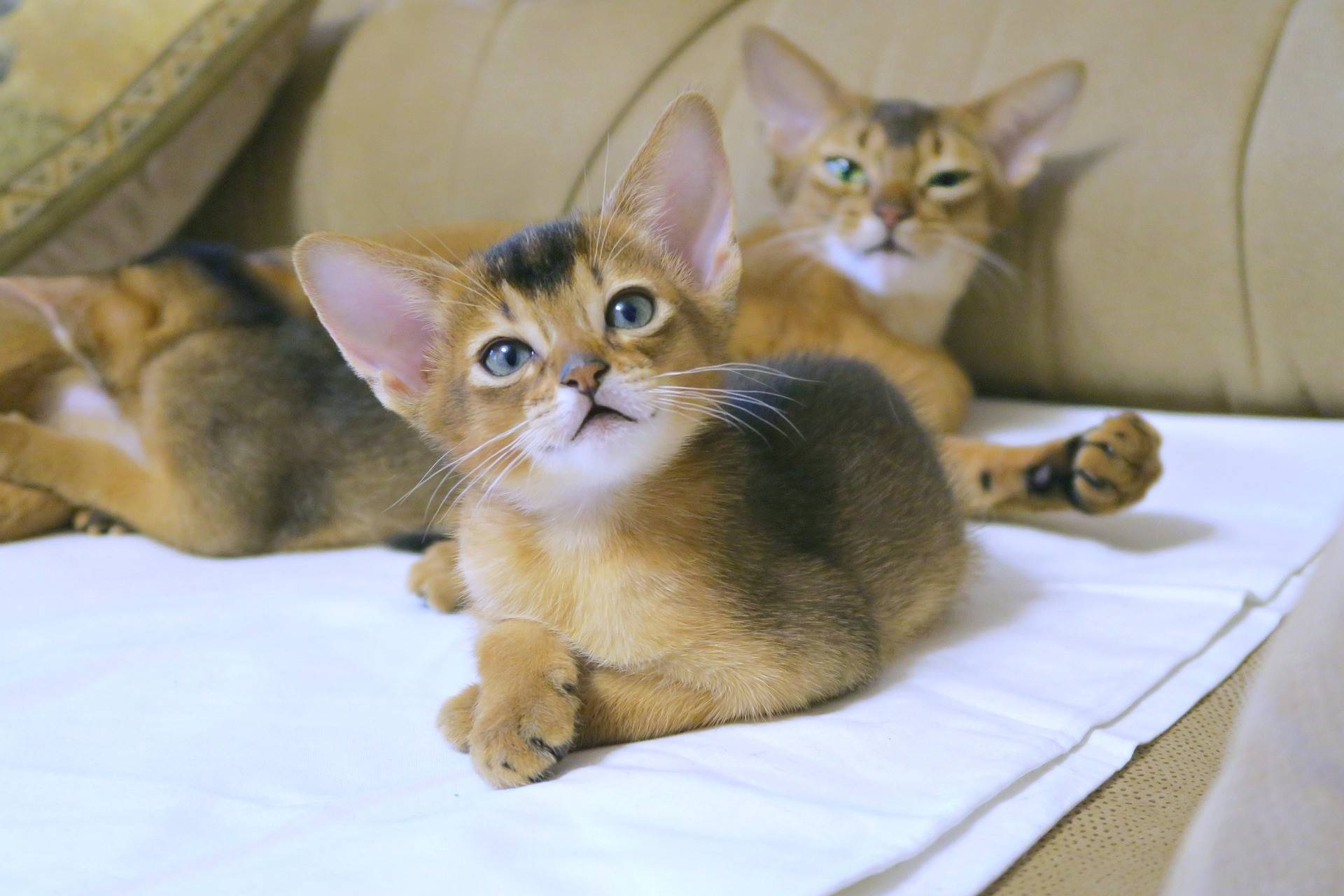
When thinking about owning an Abyssinian cat, here are the health concerns you should take note of.
How to Groom a Abyssinian Cat
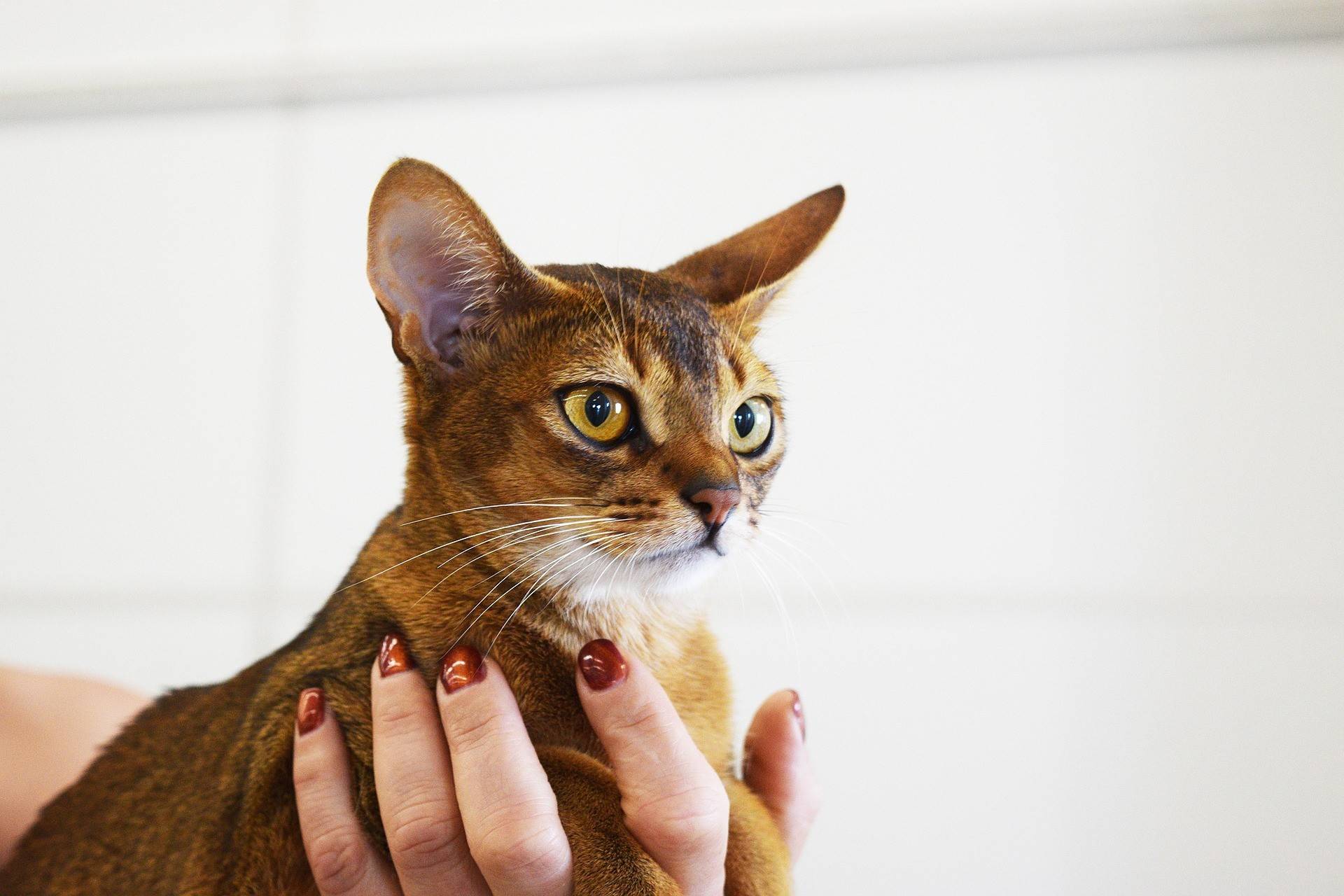
Since they have a short coat, Abys only need to be brushed once a week. A soft-bristle brush is enough to remove loose hairs, remove debris, and keep the coat clean.
Owners should look out for signs of allergies, which Abyssinians are prone to. Using gentle products and brushing regularly are already effective ways to protect their skin.
Regular bathing is not necessary for Abyssinians unless they get into something messy. If a bath is needed, use a gentle, pet-safe shampoo. Always dry them thoroughly.
Generally, most cats require nail trimming once every 2 to 3 weeks. Use a cat-specific nail clipper and trim the tip of the nail only. Start slow and steady.
Check their ears every week for signs of debris and dirt. Because of their large ears, they may accumulate more of these compared to other cats. Use a vet-approved ear cleaning solution every 2 to 4 weeks.
Always check their eyes for dirt, debris, or discharge. When cleaning their eyes, use a soft, damp cloth and wipe away from the eye.
Teeth brushing should be done at least thrice a week, as they can be prone to dental issues. Use a pet-safe toothpaste and toothbrush. Schedule dental exams with their regular checkups.
FAQs About Abyssinian Cat

Worried about your pet?
We’re here for urgent care, wellness checks, or anything in between.