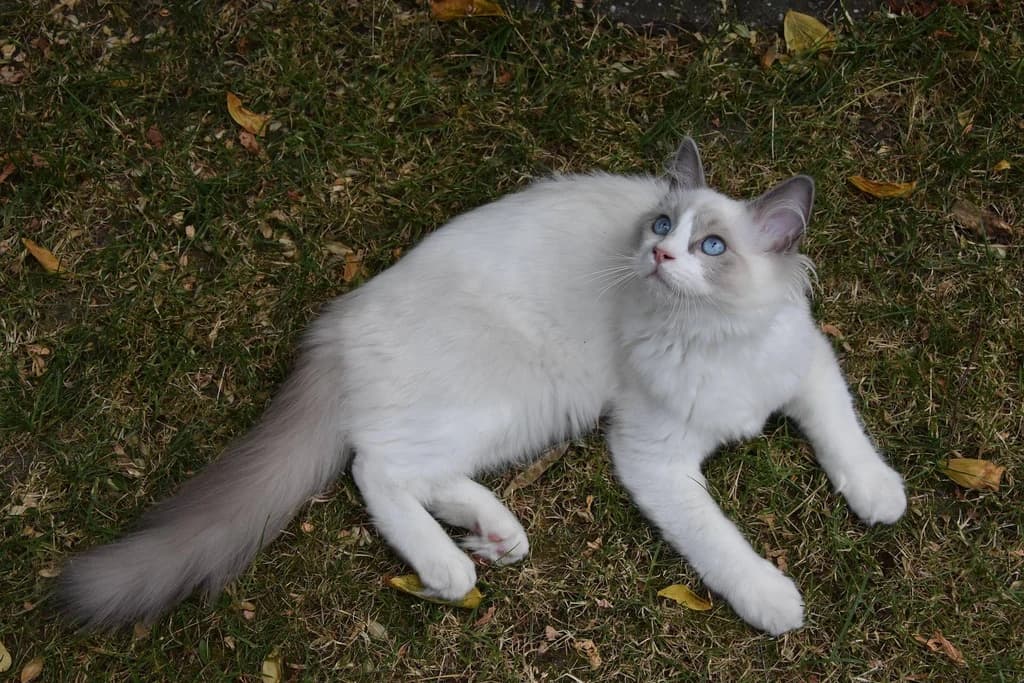
Breed Overview
Personality: Affectionate, gentle, relaxed, friendly, social
3.6-9.1 kg (8-20 lbs)
Coat Colors: Blue, chocolate, seal, lilac, red, cream
Semi-long hair
Coat Patterns: Colorpoint, mitted, bicolor, van
Eye Color: Blue
12 to 17
No
History of the Ragdoll Cat
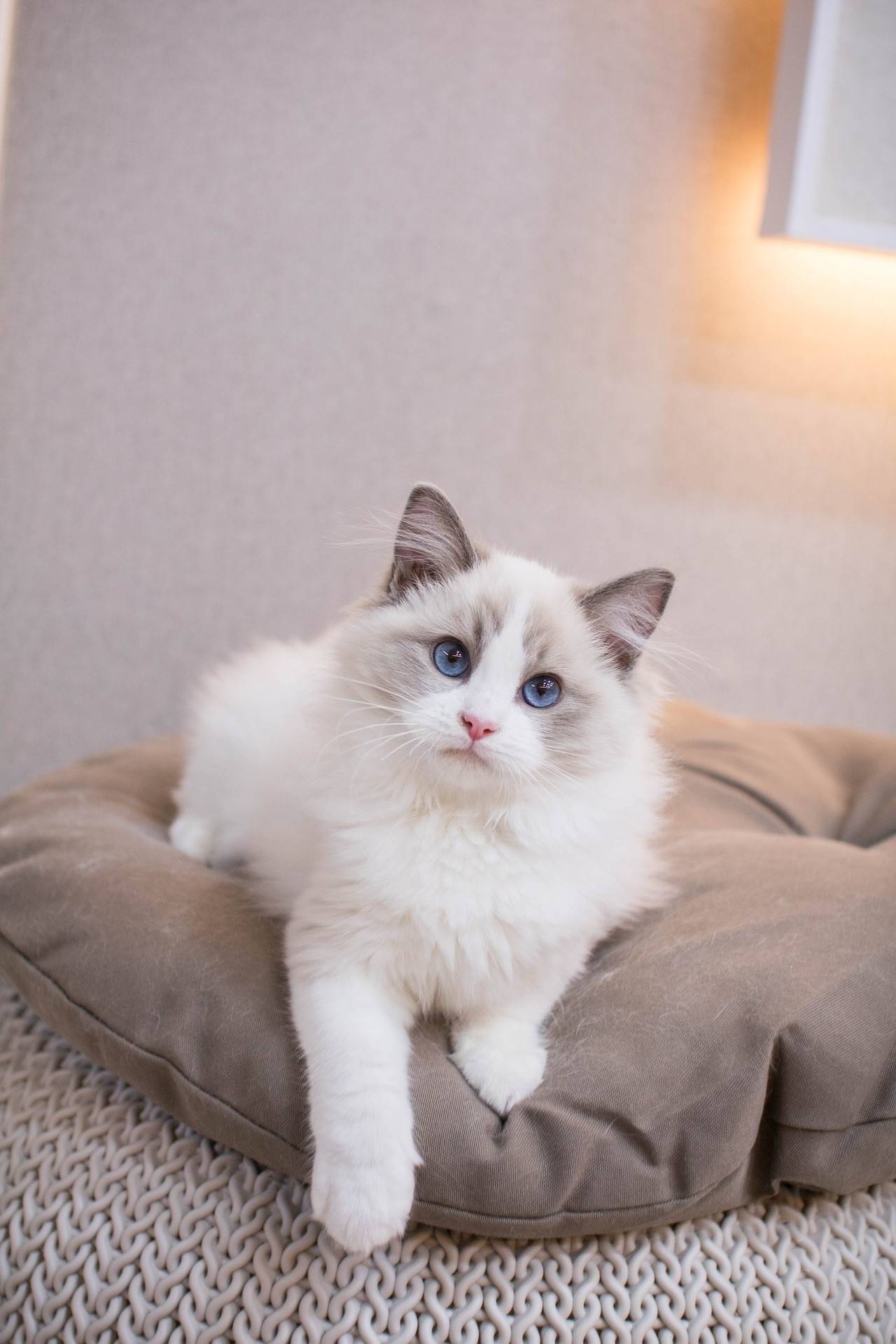
The adorable Ragdoll Cat originated in the 1960s through a woman named Ann Baker. Ann was a breeder who was careful in choosing the longhairs who would come to be the famous Ragdoll. Josephine was the first cat that paved the way for Ragdolls everywhere.
Through this, Ann selectively bred these cats and other longhairs to perfect the look and temperament she wanted. The name came from the specific personality of these cats, which is to limp and relax when held.
Thanks to Ann Baker, the Rag Cats became a popular choice for cat lovers everywhere.
Physical Characteristics of Ragdoll Cat
Head
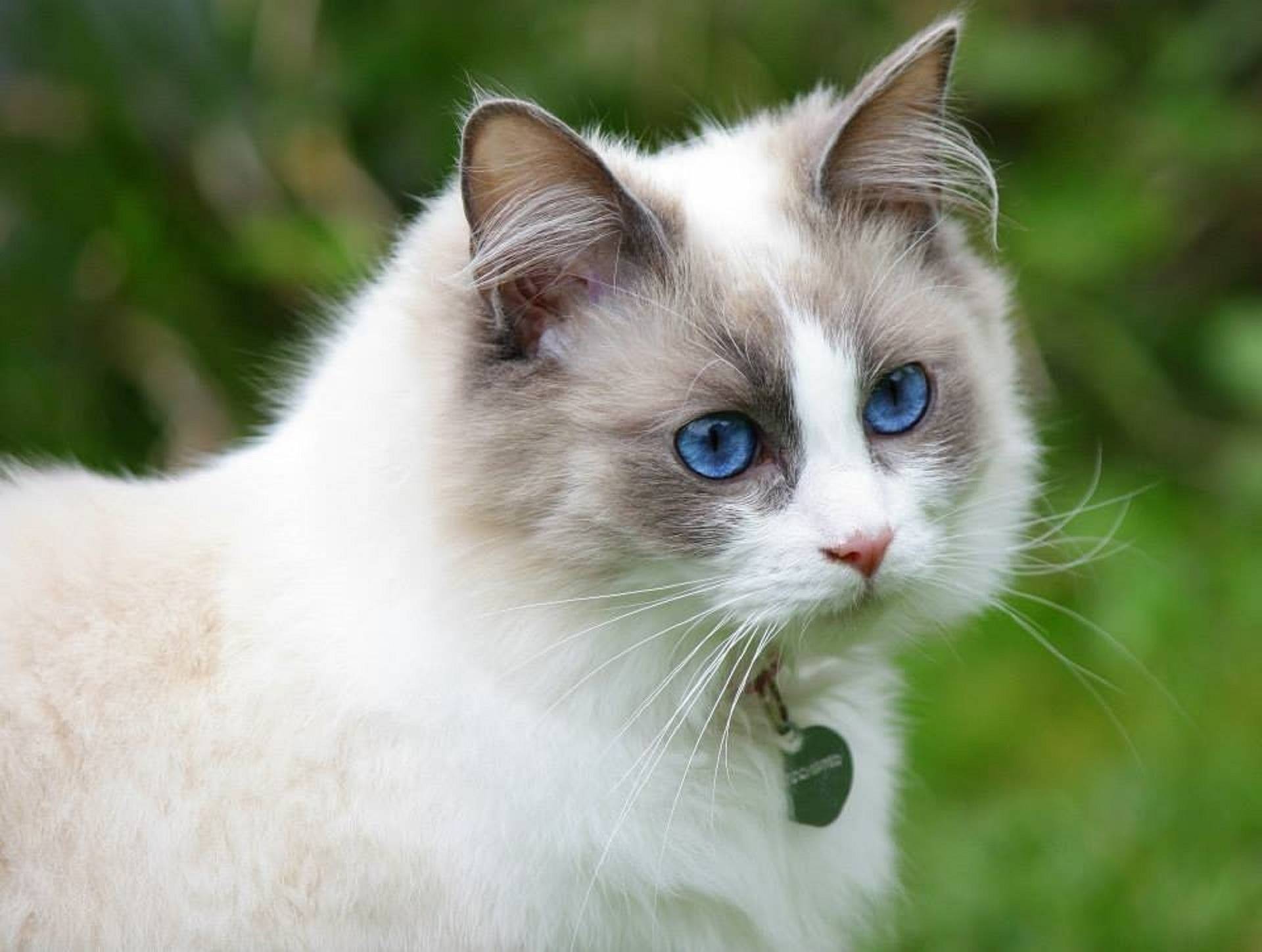
Ragdoll cats have broad and wedge-shaped heads with a gentle, rounded muzzle.
Eyes
Their eyes are large and oval-shaped, always coming in a distinct blue color.
Ears
The ears are medium-sized and slightly rounded at the tips.
Body
The sturdy body is long and muscular, with a broad chest that appears bushy.
Limbs
Their legs are moderately long with strong muscles and large, rounded paws.
Tail
The Ragdoll’s tail is long and bushy, often tapering slightly.
Coat
They have a medium-length coat that is soft and silky. This comes in colors like blue, chocolate, seal, lilac, red, and cream.
Size
Male: 25.4-40.6 cm (10-16 inches); Female: 20.3-35.6 cm (8-14 inches).
Weight
Male: 5.4-9.1 kg (12-20 lbs); Female: 3.6-6.8 kg (8-15 lbs).
Just welcomed a Ragdoll Cat
What to Expect With a Ragdoll Cat
Vocalization Level
Ragdoll cats are not noisy cats, only using their voices when necessary. Their voices are typically soft and sweet rather than loud.
Energy Level
These cats are not active by any means. While they love playtime, they prefer to be carried by their owners and relax.
Independence Level
Ragdoll cats are generally independent. They love human interaction and cuddles, but also do well alone.
Affection Level
They are very affectionate, friendly, and playful. These cats love human interaction and sometimes limp when held, showing their relaxed and trusting nature.
Compatibility with Children
Ragdolls are child-friendly cats that are tolerant and accepting of kids. However, they do prefer kids who know how to handle them gently.
Compatibility with Other Pets
Ragdolls generally get along well with other pets. They are social animals who enjoy companionship and adapt easily to multi-pet households.
Adaptability Level
Ragdolls have a highly adaptable temperament and usually adjust easily to new things like new homes, pets, and environments.
Trainability Level
They are highly trainable because of their eagerness to please owners. These cats can easily learn new tricks, games, and commands.
Exercise Requirements
Despite their personality, Ragdolls can benefit from regular, light exercise to avoid weight gain. Short sessions with interactive toys and balls are great methods.
Mental Stimulation Needs
Like other cats, Ragdolls require moderate mental stimulation. These can be through puzzle feeders, training sessions, and fun toys.
Grooming Frequency
They benefit from brushing twice or thrice a week to maintain their coat’s condition and remove loose hairs.
Health Concerns of Ragdoll Cat
How to Groom a Ragdoll Cat
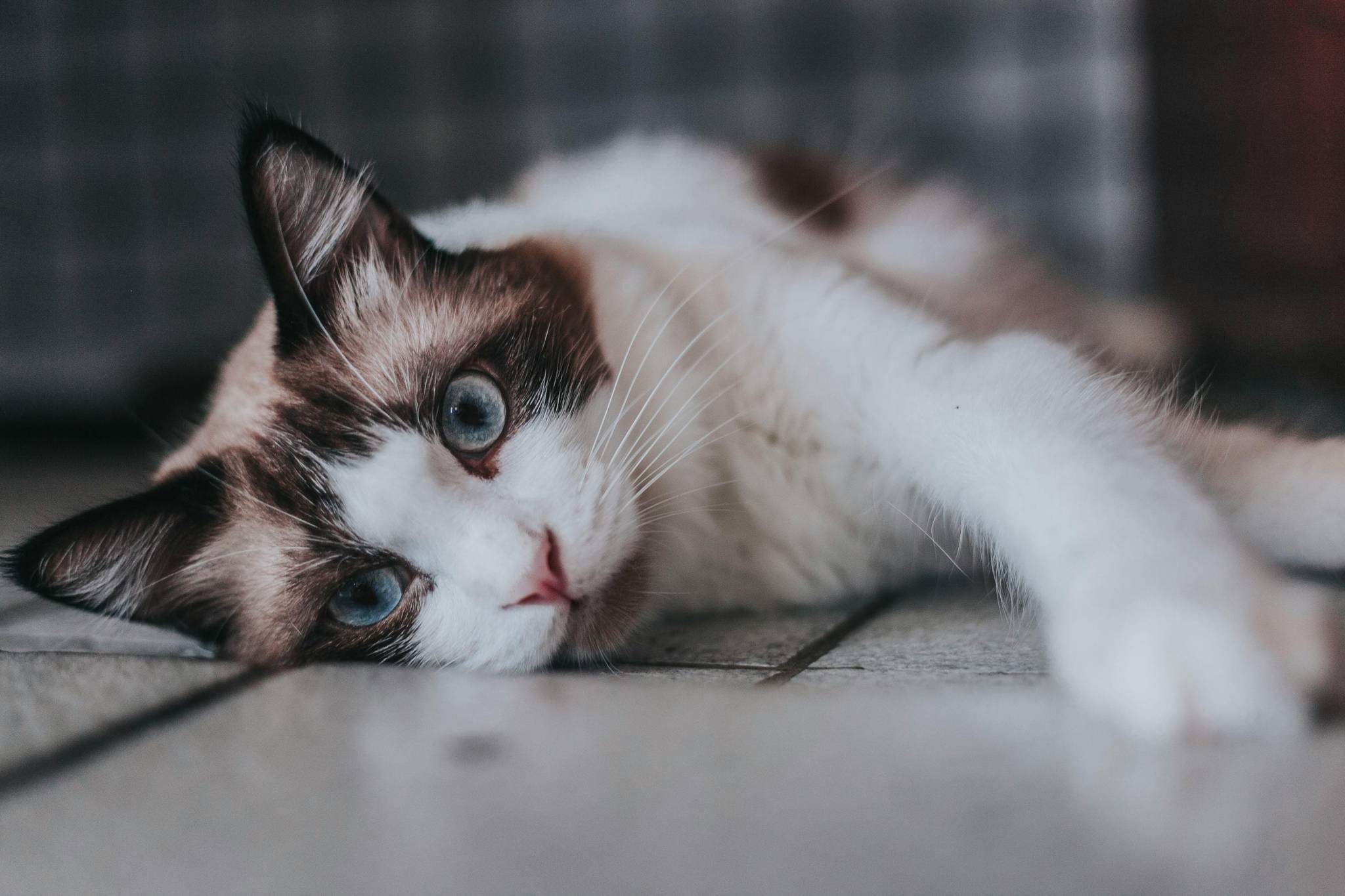
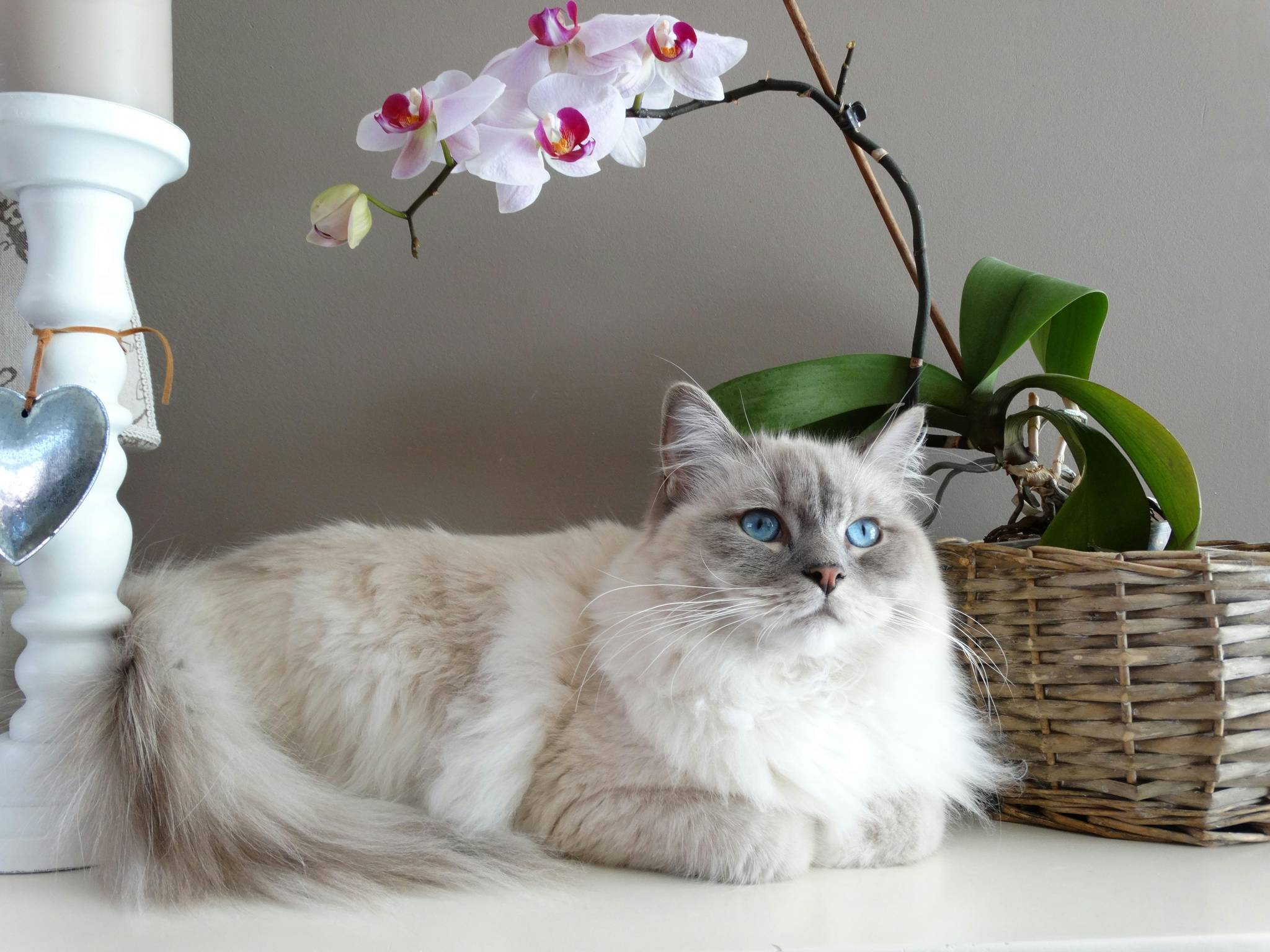
Ragdolls have a silky coat of medium length that requires brushing twice or thrice a week. A wide-toothed comb or a slicker brush works well to manage their fur and keep it healthy.
Regular brushing helps a lot with keeping dirt, debris, and loose hairs away from the coat, which benefits the skin. Moisturizing products can also be used to help keep the skin healthy.
Ragdolls don’t need frequent baths, only when they get too dirty. Use a mild and gentle shampoo that is safe for cats. Be sure to dry them properly.
Their nails need to be trimmed every 2 to 3 weeks or until they get long enough. Use a pair of sharp cat nail clippers and wrap them in a towel to avoid sudden movements.
Ragdolls require monthly ear checks to keep their ears clean and free of debris or wax buildup. Use a vet-approved ear cleaner, and be sure to avoid getting in too deep.
These cats don’t need frequent eye cleaning but can benefit from it from time to time. Use a clean, damp cloth and wipe outward.
Ragdolls need regular dental care. Teeth brushing at home should be done at least twice every week.


MORE THAN A VET VISIT