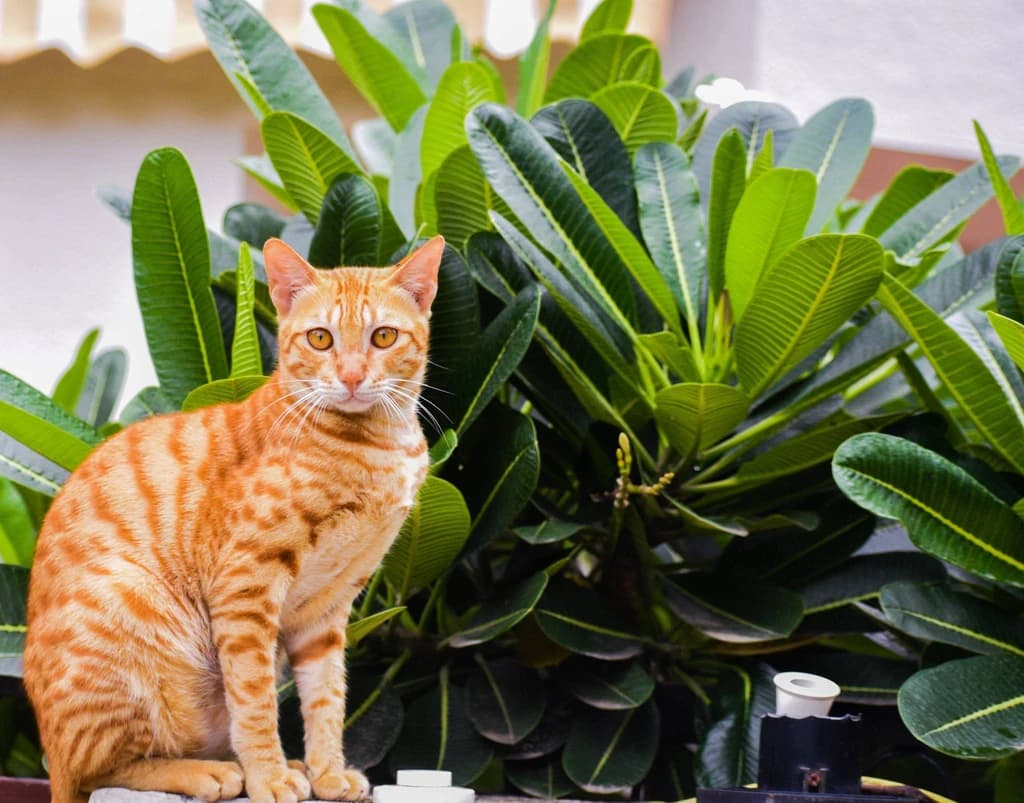
Breed Overview
Personality: Affectionate, loving, playful, vocal, energetic, social
3.6-7.3 kg (8-16 lbs)
Coat Colors: Red, white, brown, black
Short hair
Coat Patterns: Solid, bicolor, tabby
Eye Color: Green
9 to 17 years
No
History of the Arabian Mau
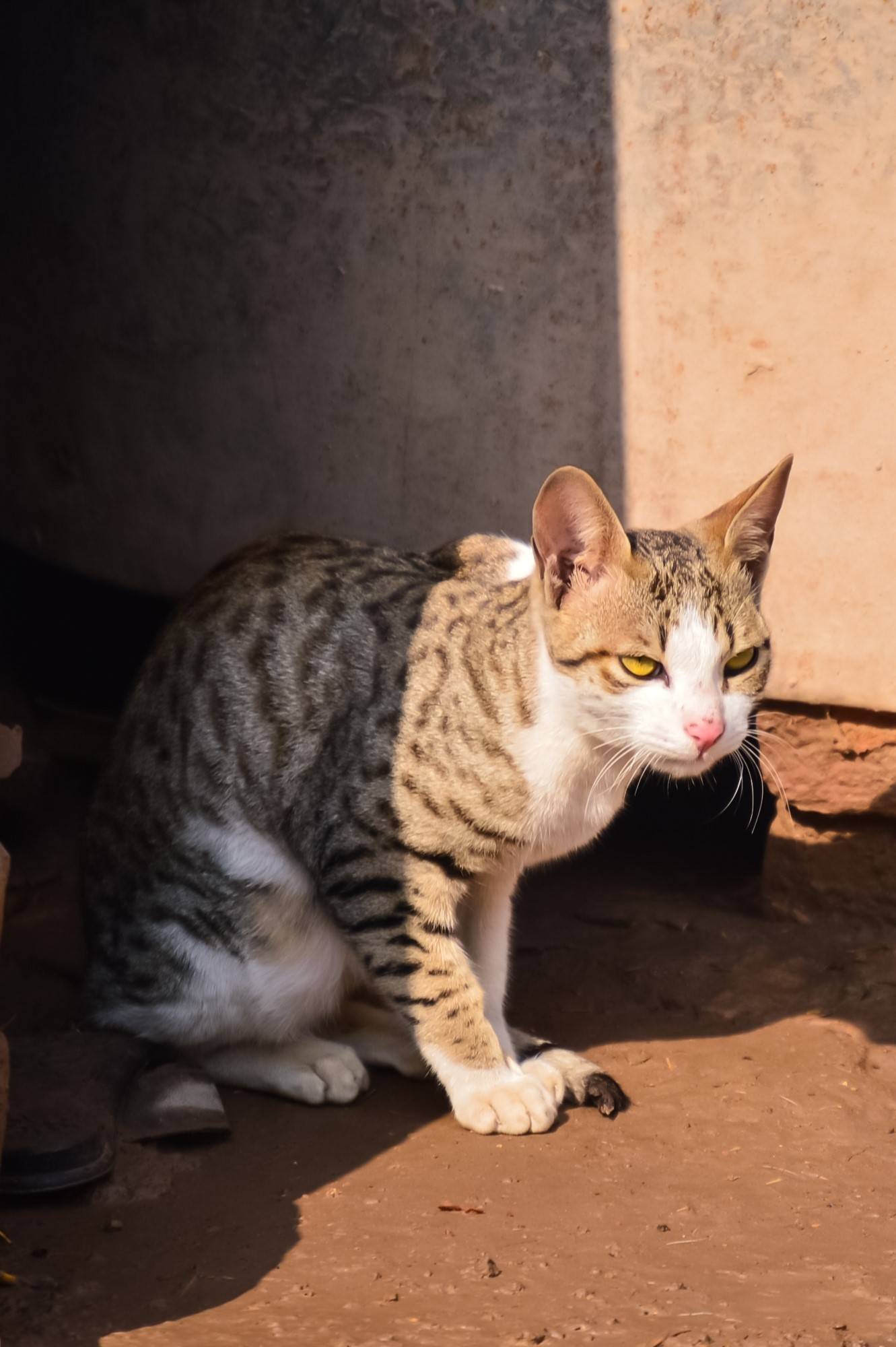
Originating from the harsh deserts of the Arabian Peninsula, Arabian Maus are the product of natural evolution. They are believed to have come from the early African wildcat, adapting its traits without any significant human intervention.
These cats are prevalent in the Middle East, staying in rural and urban spaces alike. They are often referred to as street cats or alley cats because they tend to be all around the city. Here, a woman named Petra Müller began a feeding program for these cats. She then worked to have the breed registered and recognized.
Today, the Arabian Mau is recognized as an integral part of the Arabian Peninsula and as a loving companion in many homes.
Physical Characteristics of Arabian Mau
Head
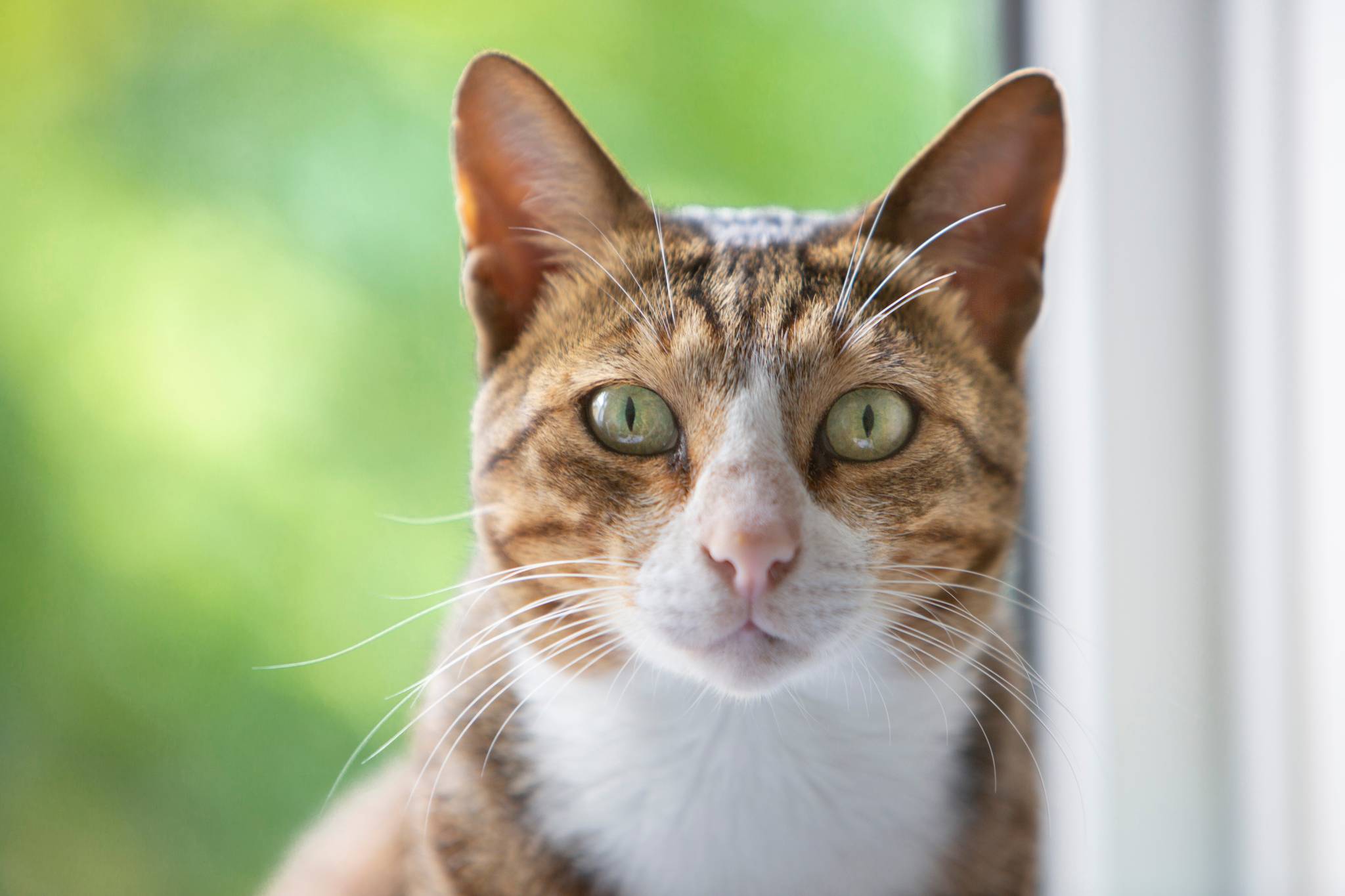
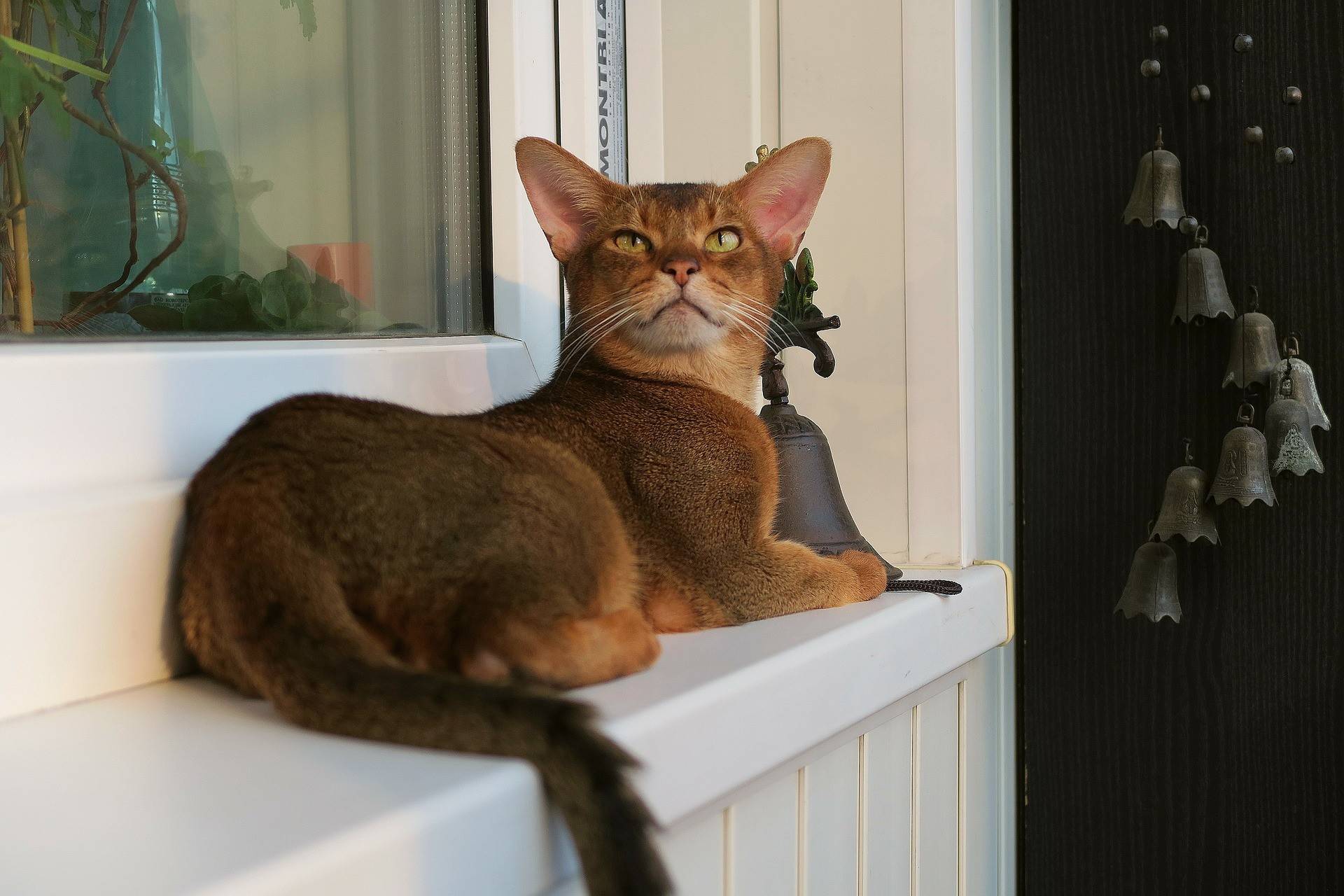
The Arabian Mau has a slightly rounded yet wedge-shaped head with a straight profile. Its muzzle is well-defined with a strong jaw.
Eyes
They have large, oval eyes that are slightly slanted. These come in the color bright green.
Ears
The ears are upright and large, slightly forward-tilting. They open at the base and have a slightly pointed tip.
Body
Arabian Maus have a medium-sized body that is muscular and lean. The chest is broad, and the back is straight.
Limbs
Their legs are long and are built for climbing and running. The paws are oval, compact, and proportionate to the legs.
Tail
The tail is medium in length and tapers slightly at the tip. This curves when held high.
Coat
Arabian Maus have a short coat that is sleek and smooth. These come in colors like red, white, brown, and black.
Size
Male and Female: 20-25 cm (7.9-9.8 inches).
Weight
Male: 4.1-7.3 kg (9-16 lbs); Female: 3.6-6.4 kg (8-14 lbs).
Just welcomed a Arabian Mau
What to Expect With a Arabian Mau
Vocalization Level
Arabian Maus tend to be vocal and “talkative” to their owners. They can often be heard meowing or howling, using their voices to express needs.
Energy Level
This breed is very active and playful, requiring plenty of regular physical activity. They can often be seen moving from one place to another around the house.
Independence Level
These cats are moderately independent. While they do love cuddling and playing with their owners, they can also survive without any interaction for long periods of time.
Affection Level
Arabian Maus are highly affectionate cats. They love spending time with their owners and often follow them around the house.
Compatibility with Children
Arabian Maus get along well with kids because of their loving and affectionate nature. However, they do prefer being handled gently and carefully.
Compatibility with Other Pets
They can live peacefully with other cats or dogs, especially if these other pets are not aggressive. Early socialization can help make things easier.
Adaptability Level
These cats are generally adaptable, thanks to rich evolution within the Arabian Peninsula. They can adapt to changes in homes, environments, and routines.
Trainability Level
Arabian Maus respond well to training because of their high intelligence and curiosity. Positive reinforcement and consistency will go a long way.
Exercise Requirements
These cats require at least 20-30 minutes of exercise per day. This helps prevent boredom while keeping them physically fit.
Mental Stimulation Needs
Arabian Maus require mental challenges to stay happy. They can benefit a lot from interactive toys, puzzles, and training sessions due to their high intelligence.
Grooming Frequency
These cats do not need frequent grooming. Brushing once a week and a bath every 4 to 6 weeks is enough to keep them clean.
Health Concerns of Arabian Mau
How to Groom a Arabian Mau
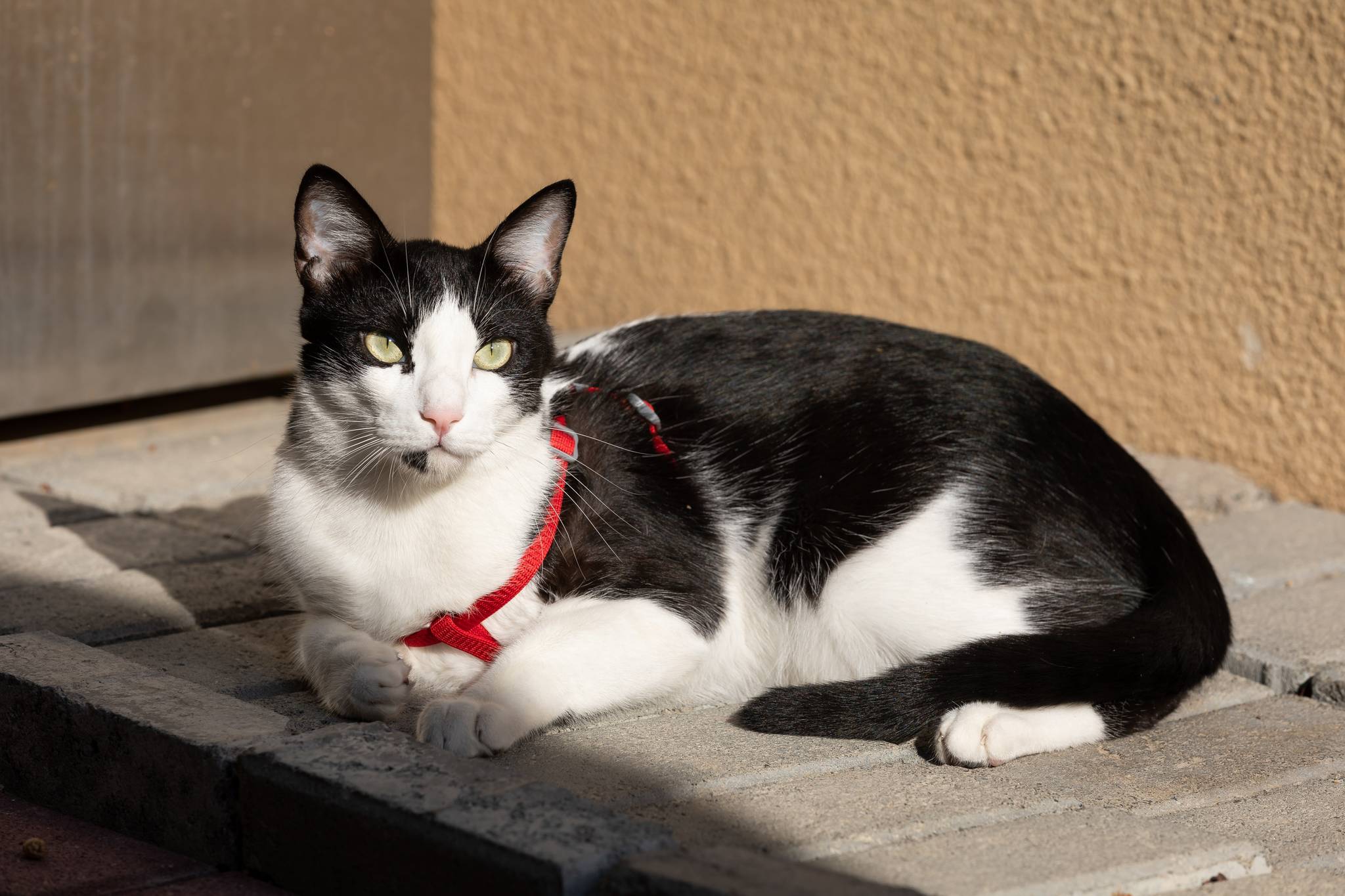
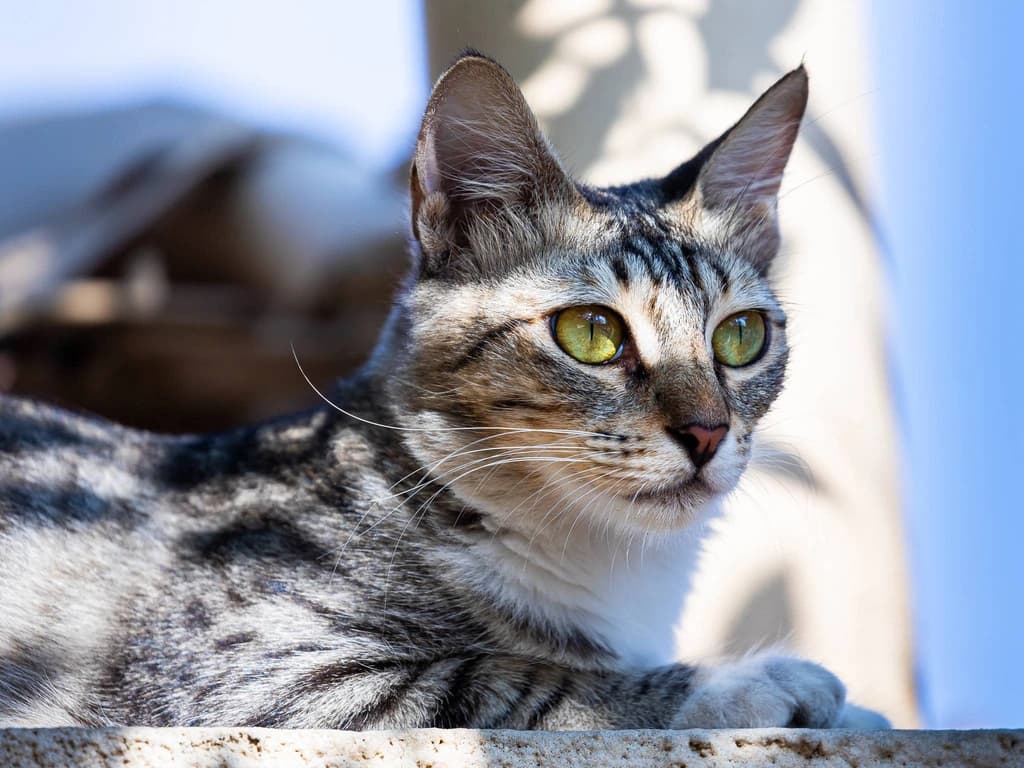
Their coat needs to be brushed at least once a week to remove dirt, debris, and loose hairs. A slicker brush should be effective.
Because they are generally healthy cats, they do not require any special skin treatments. Just make sure to brush their coat once a week and use gentle shampoos.
Bathing can be done every 4 to 6 weeks, but even then, they don’t need frequent baths. Use a pet-safe shampoo and be sure to dry them thoroughly.
Trim their nails every 2 to 3 weeks or until they get too long. Use sharp clippers meant for cats.
These cats only need ear cleaning as needed. However, weekly ear checks should be done. For cleaning, use a vet-approved ear cleaning solution and some cotton balls.
Their eyes also only require cleaning as needed. Use a soft, damp cloth and wipe away from their eyes.
Brushing their teeth thrice a week is recommended to keep them safe from plaque buildup. Use a pet-safe toothpaste and toothbrush.

Worried about your pet?
We’re here for urgent care, wellness checks, or anything in between.