

LED BY
15+ years, Master of Vet Surgery
SESSIONS
Tailored plan
Adjusted for your pet
TECHNIQUES
Therapy & laser
Full return to activity
INCLUDED
At-home Care
Simple exercises guidance
AN OVERVIEW
What is physiotherapy for pets?
Veterinary physiotherapy manages pain, restores movement, and speeds up healing, supporting your pet's body to recover naturally rather than relying on medication or surgery as the first step.
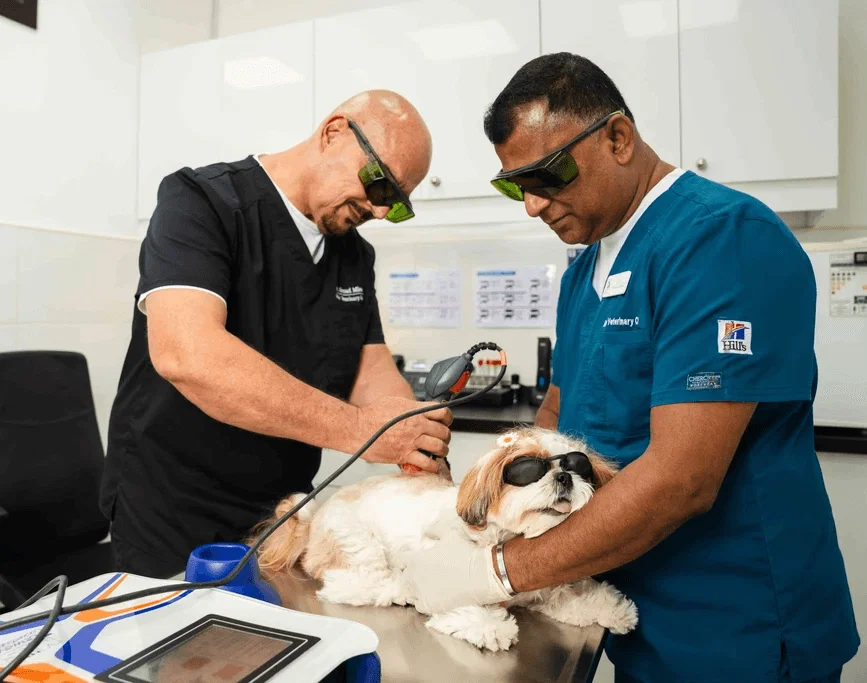
It typically involves massage, targeted exercise, and laser therapy, assessed and guided by a vet rather than a general pet therapist, and is commonly used for chronic conditions, injuries, and post-surgery recovery. Our approach is species-specific, since what works for a dog's recovery doesn't always suit a cat's.
Conditions we treat:
Osteoarthritis and joint pain
Hip dysplasia
Post-fracture or surgery recovery
Luxating patella
Muscle atrophy or weakness
Obesity-related movement issues
Cruciate ligament injury
Paralysis or neurological conditions
Senior stiffness and mobility decline
REAL RESULTS
What physiotherapy actually helps with
Six genuine outcomes, not just general wellness claims.
OUR PROGRAMS
How our vets deliver physiotherapy for pets
Built around your pet's mobility and comfort, whichever condition brought you in.

Pain management
Massage and cold laser therapy relieve musculoskeletal discomfort and chronic pain directly, without defaulting to medication.

Mobility enhancement
Gentle, guided exercise restores range of motion and rebuilds muscle conditioning at a pace that suits your pet.

Post-surgical recovery
Rehabilitation, from cruciate surgery to spinal conditions, is a genuine part of recovery, not an optional extra once the surgery itself is done.

Weight management
Low-impact therapy and nutrition guidance support pets who need to lose weight without the joint strain that regular exercise would cause.
Neurological support
Targeted techniques support neuroplasticity and function in pets recovering from IVDD, paralysis, or nerve trauma.
THE PROCESS
What to expect from a session
No two pets follow exactly the same path, but every visit builds toward the same goal: less pain, better movement, and a plan you can actually keep up with at home.
Assessment
A vet evaluates your pet's mobility, posture, and history to understand the condition and plan the right approach.
Treatment
Manual therapy, cold laser therapy, or low-impact exercise, delivered by a vet based on what the assessment actually shows.
At-home support
Simple exercises to continue between visits, with your pet's next appointment scheduled before you leave.
THE ORTHOPEDIC CONNECTION
When physiotherapy and surgery work together
For many orthopedic conditions, surgery is only part of the recovery; what happens afterwards often determines how well your pet actually heals.
Dr. Sarabjit Singh, our orthopedic surgeon, has performed over 1,000 surgeries at Noble, and physiotherapy is frequently the next step after procedures like TPLO, fracture repair, or joint replacement.
Coordinating both under one roof means your pet's rehabilitation plan is built around the exact procedure they had, not a generic recovery routine.
OUR SPECIALIST
Dr. Sarabjit Singh
Dr. Singh performs the surgery, and works closely with our physiotherapy team on what comes after.
He focuses on small-animal orthopedics and genuinely complex surgical care, including fracture repair, joint stabilisation, ligament reconstruction, and TPLO, with over 1,000 surgeries performed at Noble.
His patient-centred approach focuses on explaining the available options clearly and helping owners understand what surgery and recovery will actually involve.
Master of Veterinary Surgery
15+ years in small animal orthopedic surgery
Handles fracture repair, joint stabilisation, and ligament reconstruction