
Pet Allergy Specialists

Allergy Relief for Pets

Managing allergies in pets requires specialized care. Our veterinary allergy experts provide precise diagnoses and personalized treatments to ensure your pet’s comfort and health.

A pet allergist performs a health check-up on a dog who has allergy symptoms.

Pet Allergy Specialists

Allergy Relief for Pets

Managing allergies in pets requires specialized care. Our veterinary allergy experts provide precise diagnoses and personalized treatments to ensure your pet’s comfort and health.

A pet allergist performs a health check-up on a dog who has allergy symptoms.

Pet Allergy Specialists

Allergy Relief for Pets

Managing allergies in pets requires specialized care. Our veterinary allergy experts provide precise diagnoses and personalized treatments to ensure your pet’s comfort and health.

A pet allergist performs a health check-up on a dog who has allergy symptoms.

Is your pet struggling with allergies?

Itchy skin, ear infections, and constant chewing on the skin may seem minor, but they may signal something significant. These are often symptoms of skin allergies in dogs and cats.


From food allergens to environmental irritants, allergic reactions can come from anywhere and present in several ways. That's why we promote early diagnosis for timely treatment and management.


Our pet allergists focus on identifying the root cause of each condition and providing long-term relief for lasting comfort. We're here to help you protect your pet from the unnecessary discomfort of allergies.

Dr. Soheyl talks about pet allergy triggers

Dr. Soheyl talks about pet allergy triggers

What are the most common allergens in Dubai?

What are the most common allergens in Dubai?

Living in the UAE exposes pets to a unique range of environmental and dietary triggers. Some of the most common ones include:

Living in the UAE exposes pets to a unique range of environmental and dietary triggers. Some of the most common ones include:

Environmental

Environmental

Grass and plant pollen

Dust mites

Mold spores

Indoor air pollutants

Food

Food

Chicken

Beef

Dairy

Grains

Parasitic

Parasitic

Flea saliva

Insect bites (e.g., ants, mosquitoes)

Contact

Contact

Grooming products

Cleaning agents

Synthetic fabrics materials

  • Environmental

    Grass and plant pollen

    Dust mites

    Mold spores

    Indoor air pollutants

  • Food

    Chicken

    Beef

    Dairy

    Grains

  • Parasitic

    Flea saliva

    Insect bites (e.g., ants, mosquitoes)

  • Contact

    Grooming products

    Cleaning agents

    Synthetic fabrics materials

  • Environmental

    Grass and plant pollen

    Dust mites

    Mold spores

    Indoor air pollutants

  • Food

    Chicken

    Beef

    Dairy

    Grains

  • Parasitic

    Flea saliva

    Insect bites (e.g., ants, mosquitoes)

  • Contact

    Grooming products

    Cleaning agents

    Synthetic fabrics materials

What allergy diagnostics and treatments do we offer for pets?

Led by veterinary pet allergist Dr. Paulina Czerska, our team offers a comprehensive range of services designed for dogs and cats with suspected allergies. These include:

Thorough clinical exams

Intradermal and serologic (blood) allergy tests

Food elimination trials

Tailored diet plan

Long-term management for chronic cases

Immunotherapy

Who is our pet allergist?

Dr. Paulina Czerska is a skilled veterinary surgeon with advanced training in dermatology, internal medicine, and diagnostic imaging. Holding a Master of Veterinary Science, she is known for her calm and thoughtful approach, taking the time to understand each pet's condition and create a personalized treatment for them.


Originally from Poland, Dr. Paulina has volunteered in animal care missions in Thailand, Peru, and Ukraine through her genuine love for pets. Now based in Dubai, she continues to bring her expertise to Noble Vet Clinics with warmth, precision, and a global perspective.

Dr. Soheyl Simaei has nearly two decades of clinical experience helping pets live happier and healthier. Certified in dermatology and internal medicine, he offers clear and effective solutions for various pet skin issues.

He approaches every case, including common irritations and rare conditions, with a deep understanding of how your pet’s skin health affects their overall well-being. He combines his expertise with his commitment to enhancing the lives of pets and their families, providing lasting relief and peace of mind. You can reach out to us and request a dermatology consultation with Dr. Soheyl.

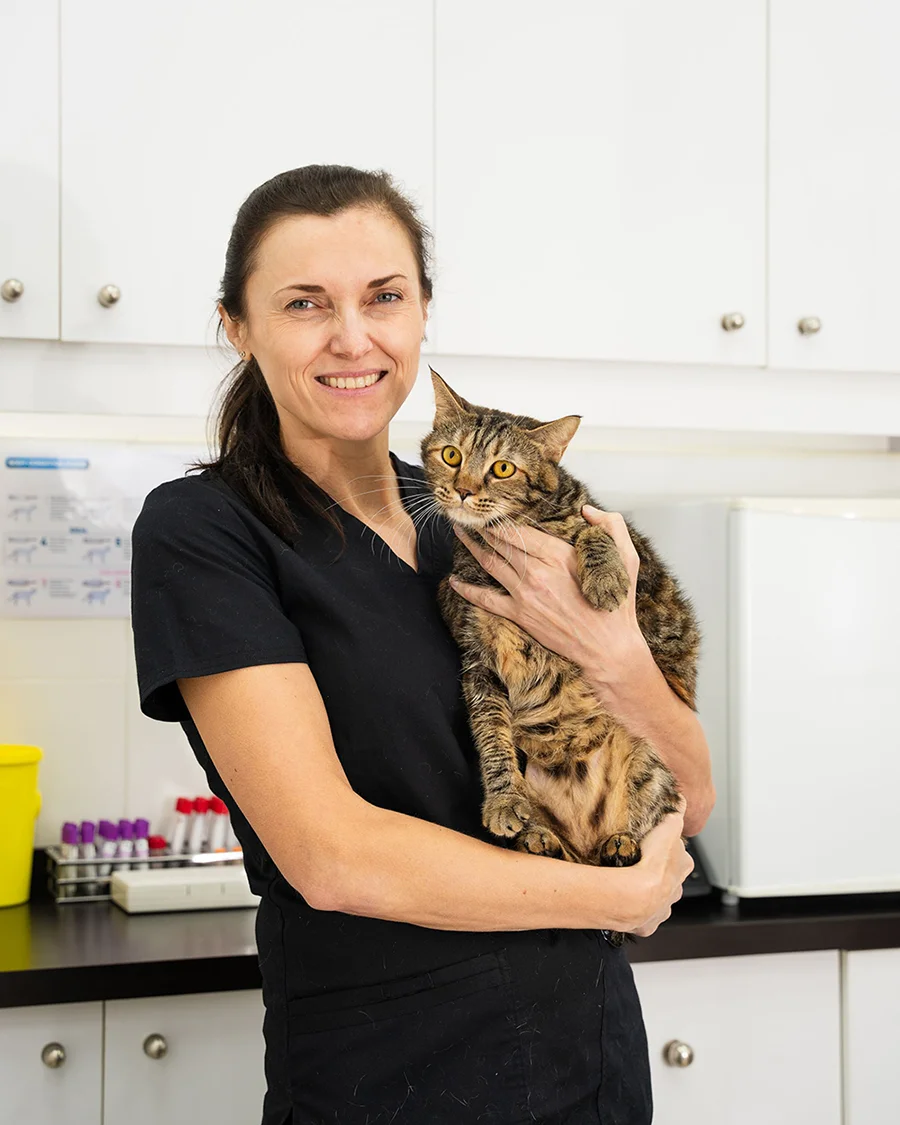
Dr. Soheyl is hugging a cat, one of his regular patients at the vet clinic.
Dr. Paulina Czerska poses with a brown dog at Noble Veterinary Clinic, highlighting the bond between vet and pet.
Dr. Soheyl is hugging a cat, one of his regular patients at the vet clinic.
Dr. Paulina Czerska poses with a brown dog at Noble Veterinary Clinic, highlighting the bond between vet and pet.

What to expect during your allergy visit?

01

Assessment & History

We start by learning about your pet’s symptoms, lifestyle, and medical history, followed by a full physical exam.

02

Testing or Food Trials

If allergies are suspected, our team may recommend elimination diet trials, intradermal testing, or serum testing.

03

Personalized Treatment Plan

Once a diagnosis is made, we'll walk you through treatment options, long-term management, and prevention.

  • 01

    Assessment & History

    We start by learning about your pet’s symptoms, lifestyle, and medical history, followed by a full physical exam.

  • 02

    Testing or Food Trials

    If allergies are suspected, our team may recommend elimination diet trials, intradermal testing, or serum testing.

  • 03

    Personalized Treatment Plan

    Once a diagnosis is made, we'll walk you through treatment options, long-term management, and prevention.

What are the signs of allergies in pets?

Allergies can present several signs aside from the occassional sneeze. Watch out for the common ones such as:

Persistent itchy skin or licking (especially paws and belly)

Recurring ear infections

Red or inflamed skin

Hair loss or skin thickening

Raised red patches or hives

Respiratory signs like coughing or shortness of breath

If you notice these symptoms, especially when they persist or worsen over time, visit our pet allergists at the clinic.

How are pet allergies treated?

Two veterinarians are checking a dog's skin and allergies.

Medical relief

We may prescribe antihistamines, steroids, or anti-itch meds to reduce inflammation and relieve discomfort.

A veterinarian is sharing advice to a pet owner whose cat has allergies.

Dietary adjustments

Our vets may recommend a prescription or novel diets to eliminate food-related allergies and support skin health.

A pet owner is bringing his pet over to a pet allergist at the clinic.

Immunotherapy

Allergy shots or oral drops slowly build your pet’s tolerance to specific allergens over time, reducing the severity of symptoms.

A veterinarian is checking a cat's condition while talking to a pet owner about her cat's allergies.

Topical care

We may recommend medicated shampoos, creams, sprays, or prescription ear treatments to soothe irritated skin.

A veterinarian is checking a brown dog's face for signs of allergies.

Environmental changes

Simple home adjustments, such as using air filters or allergen-free bedding, can help reduce your pet's exposure to triggers.

Is your pet showing signs of an allergic reaction?

Talk to our team and we'll help manage it.

Is your pet showing signs of an allergic reaction?

Talk to our team and we'll help manage it.

Is your pet showing signs of an allergic reaction?

Talk to our team and we'll help manage it.

Everything You Need to Know

Questions? We're Here to Help

Questions? We're Here to Help

A veterinarian is holding a dog after a checkup for allergies.

Still have questions?

Our team is here to help. Get in touch for personalized answers.

Our team is here to help. Get in touch for personalized answers.

How long does it take to manage my pet’s allergies?

Since allergies can't be cured, management is generally done. It may take about a few weeks and months to achieve consistent results. This will consist of environmental control, allergy shots, and pet grooming.

How often should I take my pet to the allergist?

It depends on the specific condition. Generally, annual exams are recommended. For pets with chronic allergy cases that require more monitoring, then a visit every 6-12 months can be scheduled.

Can indoor pets experience allergic reactions?

Yes, even indoor pets can frequently experience allergic reactions, as they are still exposed to dust mites, mold spores, household cleaning solutions, and other allergens found inside the home.

What should I feed my dog or cat if they have allergies?

Generally, we recommend diets with limited ingredients, novel proteins, or hydrolyzed proteins. These diets are unique from the usual meals pets eat, helping avoid allergic reactions and the symptoms.

Can allergy medications make my pet drowsy?

Yes, certain medications may make pets drowsy or lethargic. Common ones include diphenhydramine, cetirizine, and loratadine. However, this usually subsides within 24 hours.

Can stress make my pet’s allergies worse?

Yes, stress can significantly worsen your dog or cat's allergies. Chronic stress suppresses the immune system, triggering a release of cortisol and histamines. These cause inflammation and skin issues.

How long does it take to manage my pet’s allergies?

Since allergies can't be cured, management is generally done. It may take about a few weeks and months to achieve consistent results. This will consist of environmental control, allergy shots, and pet grooming.

How often should I take my pet to the allergist?

It depends on the specific condition. Generally, annual exams are recommended. For pets with chronic allergy cases that require more monitoring, then a visit every 6-12 months can be scheduled.

Can indoor pets experience allergic reactions?

Yes, even indoor pets can frequently experience allergic reactions, as they are still exposed to dust mites, mold spores, household cleaning solutions, and other allergens found inside the home.

What should I feed my dog or cat if they have allergies?

Generally, we recommend diets with limited ingredients, novel proteins, or hydrolyzed proteins. These diets are unique from the usual meals pets eat, helping avoid allergic reactions and the symptoms.

Can allergy medications make my pet drowsy?

Yes, certain medications may make pets drowsy or lethargic. Common ones include diphenhydramine, cetirizine, and loratadine. However, this usually subsides within 24 hours.

Can stress make my pet’s allergies worse?

Yes, stress can significantly worsen your dog or cat's allergies. Chronic stress suppresses the immune system, triggering a release of cortisol and histamines. These cause inflammation and skin issues.

Expert Pet Allergists

Comprehensive Care for Your Pet’s Allergies

At Noble Vet Clinic, we support lifelong pet wellness and the relationships that make it meaningful.

Expert Pet Allergists

Comprehensive Care for Your Pet’s Allergies

At Noble Vet Clinic, we support lifelong pet wellness and the relationships that make it meaningful.

Expert Pet Allergists

Comprehensive Care for Your Pet’s Allergies

At Noble Vet Clinic, we support lifelong pet wellness and the relationships that make it meaningful.

© 2006-2026 Noble Veterinary Clinics

Policies

Contact Us

DIP - 8am to 9pm
JLT - 10am to 7pm

Jumeirah -

Mon-Fri: 8am to 8pm

Sat-Sun: 9am to 6pm

© 2006-2026 Noble Veterinary Clinics

Your veterinary practice, always here

© 2006-2026 Noble Veterinary Clinics

We’re Hiring! Let’s transform the future of veterinary care together.

We’re Hiring!

We’re Hiring! Let’s transform the future of veterinary care together.