What Fruits Can Cats Eat?


What Fruits Can Cats Eat?

What Fruits Can Cats Eat?

Dr. Paulina Czerska

Published Date

Published Date

Dec 9, 2025

Dec 9, 2025

Custom Icon
Custom Icon
Custom Icon

Our cats love a good treat, and what better snack to give than the ones we’re enjoying as well. With all the fruits available, it’s important to figure out which ones are safe. So what fruits can cats eat? 
A veterinarian is checking cat's condition on a metal table.

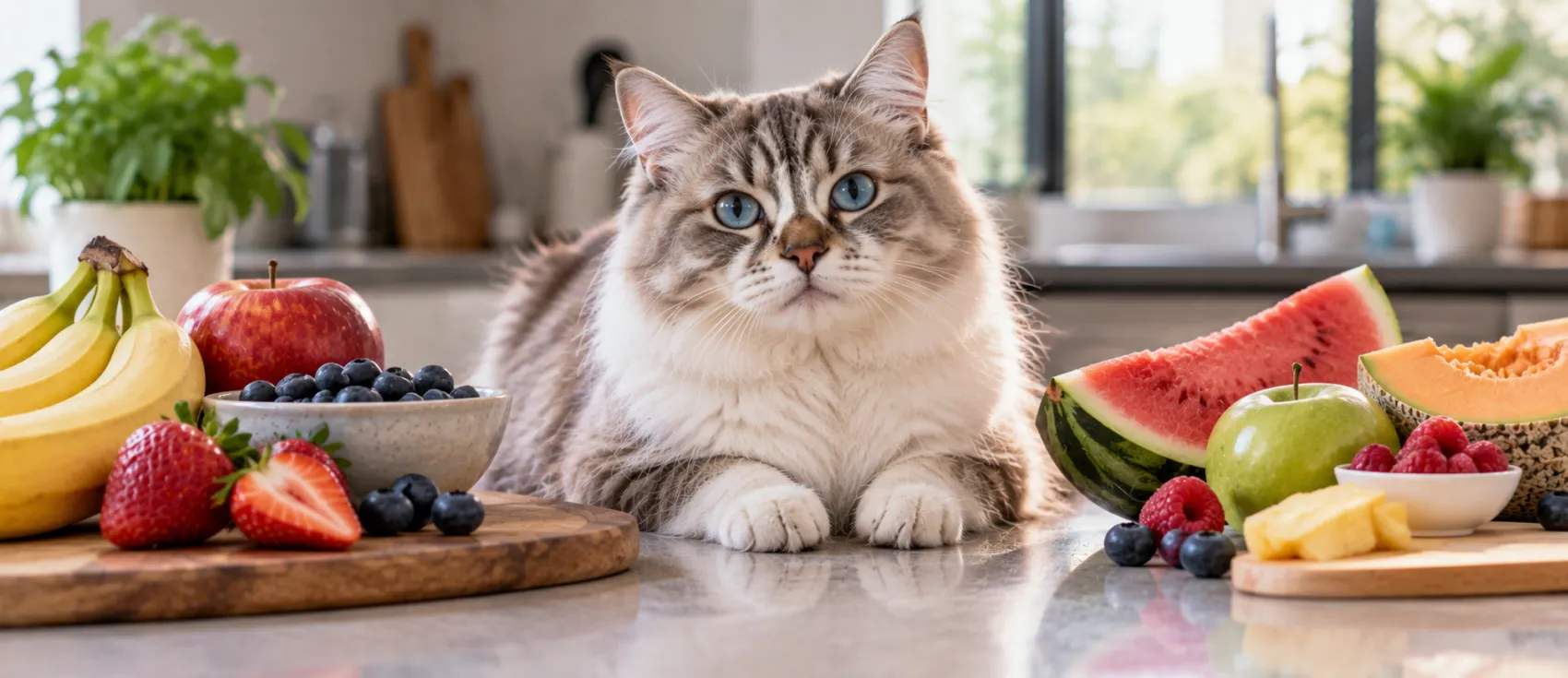
There are a select number of fruits safe for cats, while there are also others that can be dangerous for them. In this blog, we’ll talk about the best fruits cats can eat, plus the fruits they should not even go near. 

Fruits Cats Can Eat

First, let’s talk about the common fruits cats can eat and get nutritional benefits from. While cats are more attuned to a protein-rich diet, these fruits are still a good snack in small amounts. 

Bananas

Bananas are generally safe for cats in very small portions. They’re a fun treat because of the soft texture. They contain good amounts of fiber, potassium, and vitamin C, all of which support a cat’s overall functions.

The main thing to watch out for is sugar, since bananas have significant amounts of it. Offer a small piece only when giving bananas to cats. 

Apples

Next on the list is apples. Cats can eat small amounts of apple flesh as an occasional treat, but it has to be served the right way. The main benefit is that apples contain fiber and a little vitamin content, and some cats enjoy the crisp texture.

The most important part is to always remove the core and seeds, as they can be choking hazards. 

Blueberries

Blueberries are a popular, cat-safe treat many pet owners give because they are easy to prepare and serve. Their biggest benefit is that they’re rich in antioxidants, which support overall health in general.

Always wash blueberries thoroughly and only offer one piece at a time. Do this slowly, not to overwhelm your cat. 

Watermelons
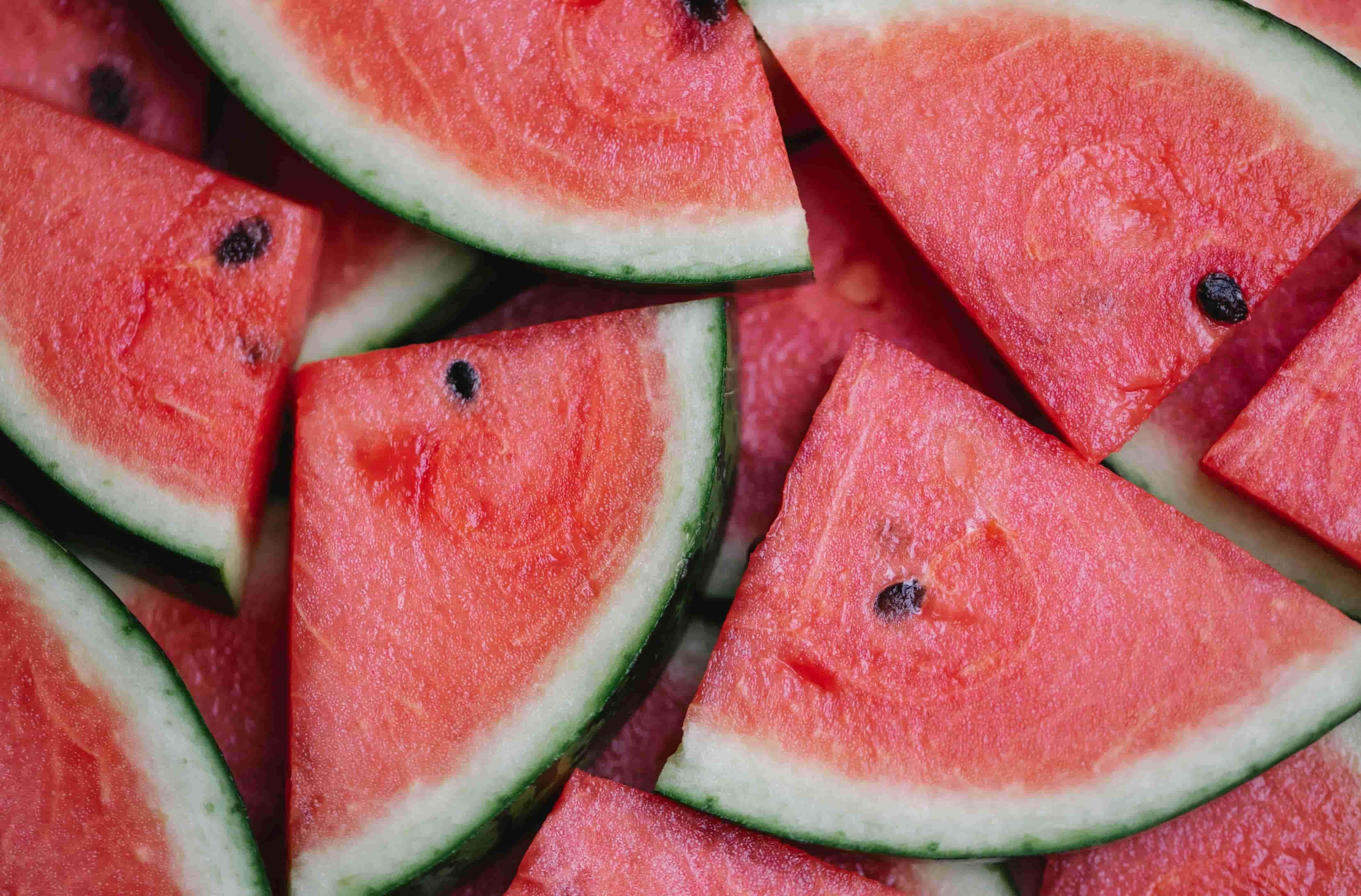
Sliced watermelons stacked on top of each other.

Watermelon is one of the best fruits cats can eat because it’s mostly water, which can make it feel extra refreshing. This fruit is also a favorite of some cats due to its crunchy and satisfying texture. 

Since it’s made up mostly of water, watermelon is a great additional snack to give if your cat is always eating dry food. Only give small pieces and be sure to remove the seeds and rind. 
Need help planning your cat's treats?

Need help planning your cat's treats?

Let our vets assist.

Let our vets assist.

Strawberries

Strawberries are another fruit good for cats because of the balanced amounts of fiber, potassium, antioxidants, and vitamins C and B9. Some cats may also benefit from a better mood because of its satisfying texture. 

When giving this fruit, be sure to remove the leafy top and offer small pieces. Don’t overdo it, as strawberries have high amounts of sugar. 

Cucumbers

Another fruit safe for cats is cucumbers. While these are generally considered vegetables, they are botanically classified as fruits. These crunchy treats are great options for snacks because of their incredible texture and water content. 

Aside from these, cucumbers can offer small amounts of vitamin K, potassium, magnesium, and fiber. 

Mangos

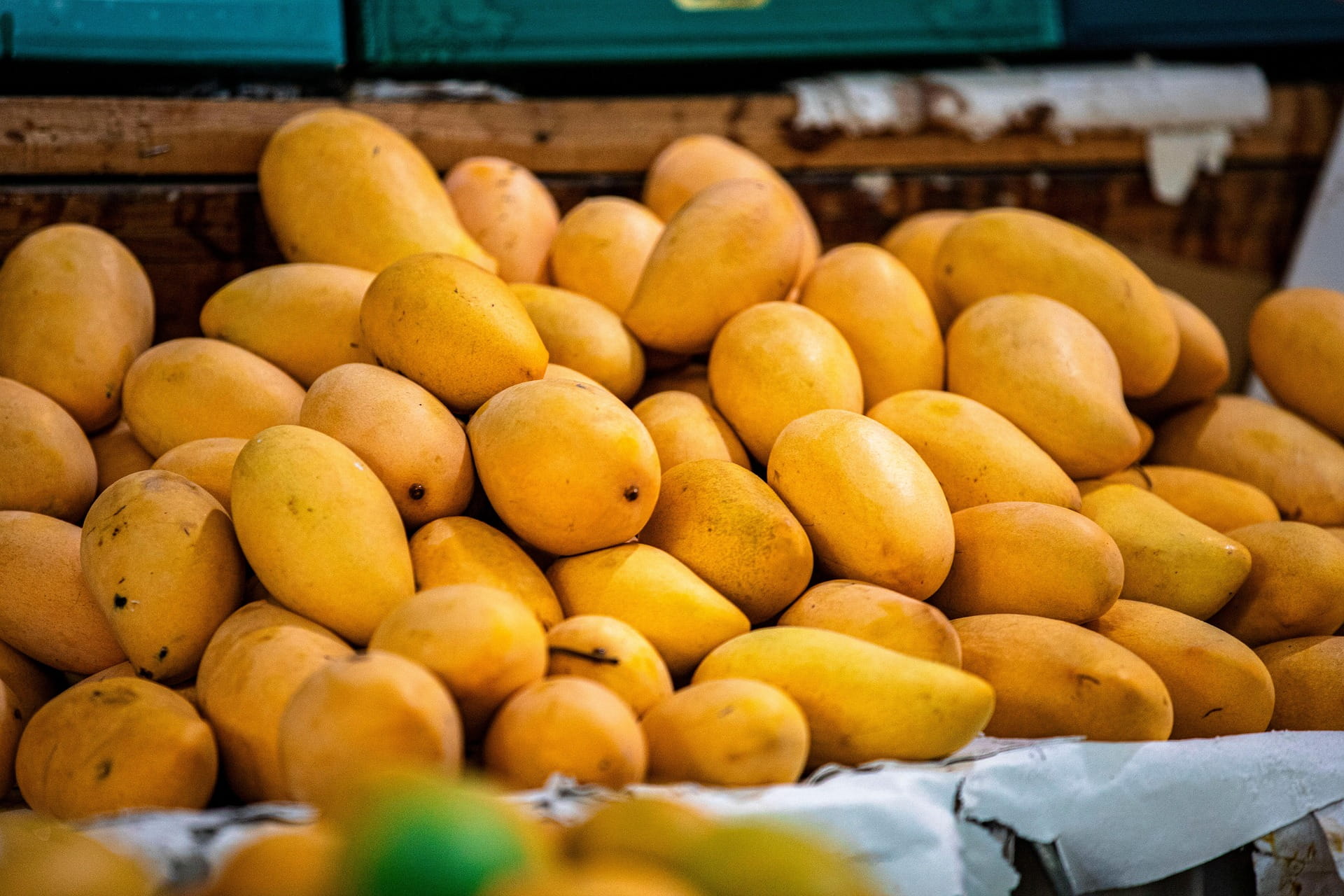
Mangos stacked on a table in a fruit market.

Cats can have small amounts of ripe mango flesh, and it offers vitamins A, C, and E, as well as fiber and antioxidants. Plus, mangos are soft, which may be enticing for some cats. 

However, it can be on the sweeter side, so it should strictly stay as a treat. Only give the flesh and avoid giving the skin and pit, as these are inedible. 

Pineapples

A pineapple is generally considered safe for cats in small, bite-sized pieces, as long as it’s fresh and properly prepared. It’s also another fruit that has a high water content, great for cats that always eat dry food. 

Pineapples also have fiber, vitamins A, B6, and C, and potassium. However, they have high amounts of sugar, which can be bad for cats. 

Pumpkins

Another fruit that seems like a vegetable is pumpkin. This is also a fruit that cats can eat because of its serious health benefits. Pumpkins provide good amounts of vitamins A, C, and K, potassium, iron, and antioxidants. 

Since they are hard in texture when raw, pumpkins must be thoroughly cooked to provide a soft texture. 

Cantaloupes

Cantaloupes are safe and healthy, able to provide key vitamins and minerals. They also have a high water content. However, these fruits have a high sugar content, so serve them only in small portions. 

Plus, be sure to remove the rind and seeds, as these can cause choking or digestive issues. 

Fruits Cats Should Not Eat

Now that we’ve been introduced to the best fruits your cat can eat, it’s time to take note of the ones that should be avoided. 

Grapes and Raisins

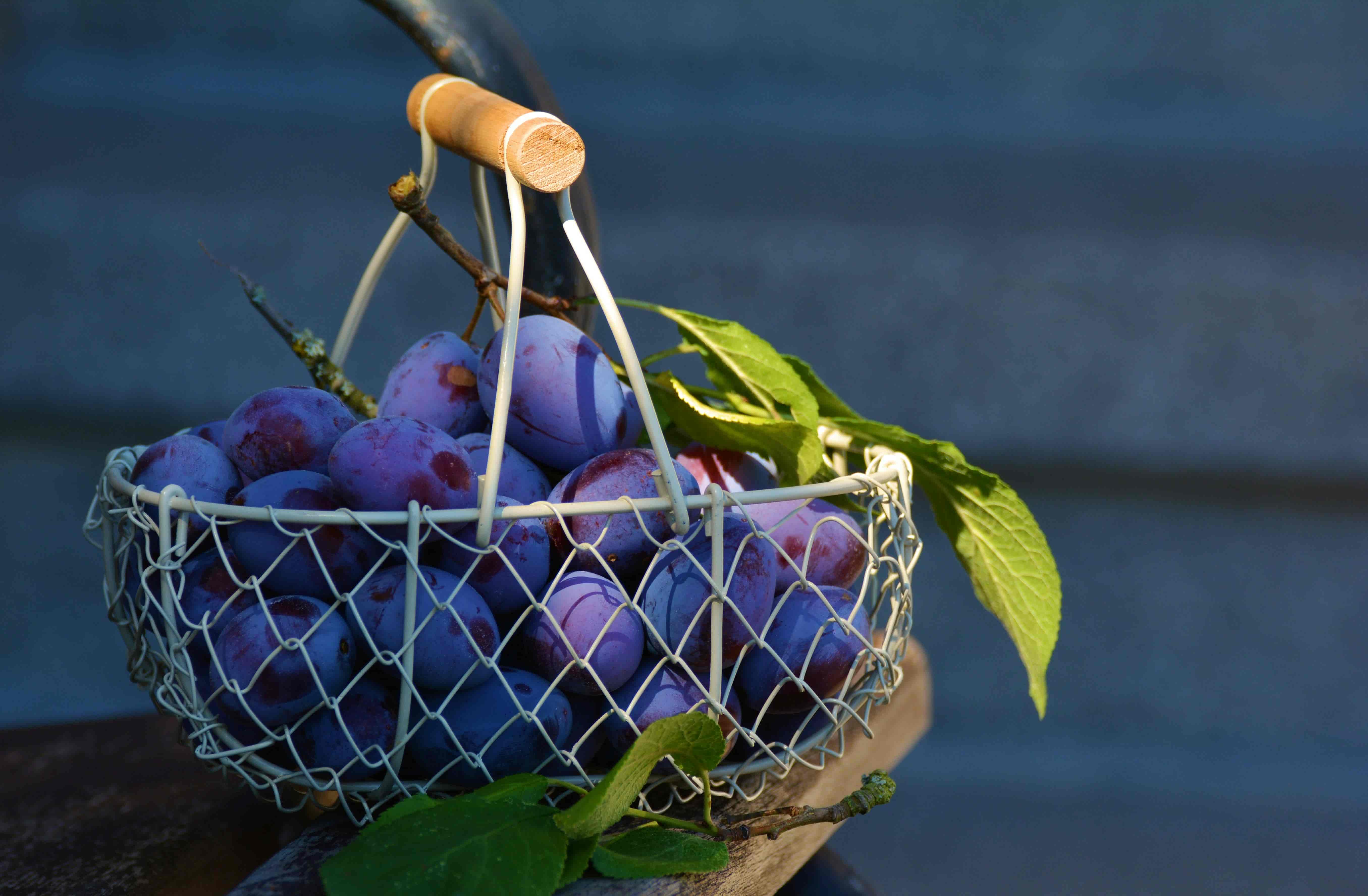
Grapes placed in a metal basket with a wooden handle.

Grapes are one of the most important fruits to keep away from cats, raisins included. These are highly toxic to cats, even if the primary substance is still unknown. Grapes and raisins can cause significant damage, even in small amounts. Ingestion can lead to grape toxicity. 

This can be complicated further, resulting in kidney failure. 

Avocados

It’s best to avoid feeding avocado to cats. These are fruits cats should not eat because of the many risks and few benefits. Avocado contains persin, and while the flesh has the least amount compared to its other parts, it’s still a dangerous substance that can make cats sick. 

The pits and flesh can also be choking hazards, increasing the risk. 

Citrus Fruits

Citrus fruits are some of the many fruits your cat should not eat. These fruits can severely irritate the gastrointestinal tract, resulting in drooling, vomiting, or even diarrhea. 

This comes from several compounds present in the fruits, which include citric acid, limonene, linalool, and psoralens. 

Unripe Tomatoes

While tomatoes can be fine in small amounts, unripe tomatoes are a different story. This is because they contain high levels of solanine and tomatine, compounds that can lead to vomiting, weakness, and coordination issues. 

The leaves and stems of tomatoes are also risk factors. 

“When we give our cats what they can safely eat, we’re securing their health.”

- Dr. Paulina Czerska

Final Thoughts

A big part of pet care is knowing what our cats can and cannot eat, including fruits. There are more fruits cats can eat compared to what they can’t, so that’s a big plus. However, it’s very important to note that these should only be served as snacks, and not part of your cat’s main diet.

Share

Custom Icon
Custom Icon
Custom Icon

Subscribe to Our Newsletter

Sign up for weekly pet health tips and insights from our veterinarians.

Sign up for weekly pet health tips and insights from our veterinarians.

Wellness & Emergency Care

Book Appointment

Book Appointment

Worried about your pet?

We’re here for urgent care, wellness checks, or anything in between. 

We’re here for urgent care, wellness checks, or anything in between. 

Get the best Vet care for your pet

© 2025 Noble Veterinary Clinics

Unique care for your best friends, because they’re family.

© 2025 Noble Veterinary Clinics

© 2025 Noble Veterinary Clinics