Breed Overview
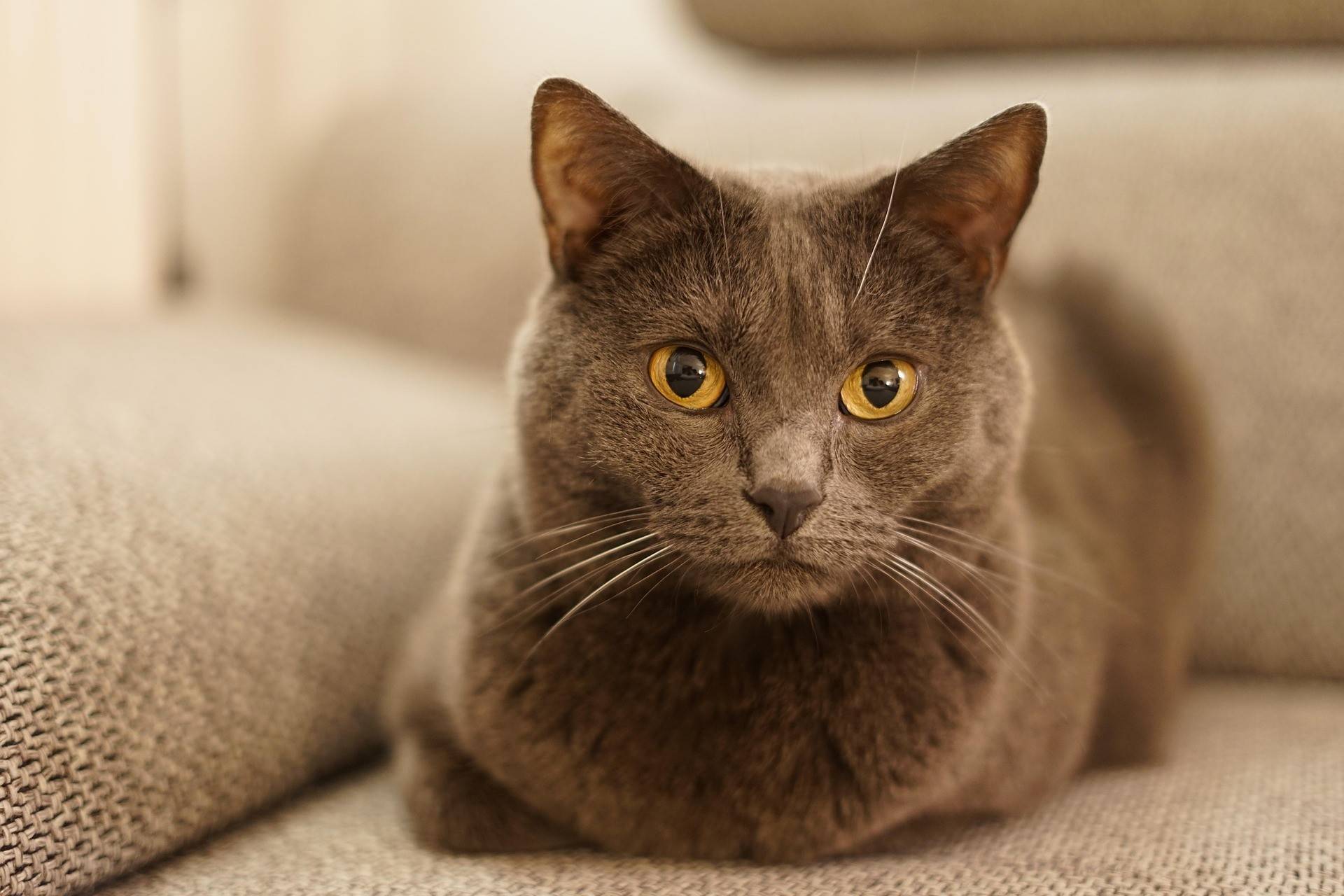
Personality: Quiet, gentle, affectionate, loyal, independent, playful
3-8 kg (6.6-17.6 lbs)
Coat Colors: Blue-gray
Medium-short
Coat Patterns: Solid
Eye Color: Gold, orange, copper
12 to 15
No
History of the Chartreux
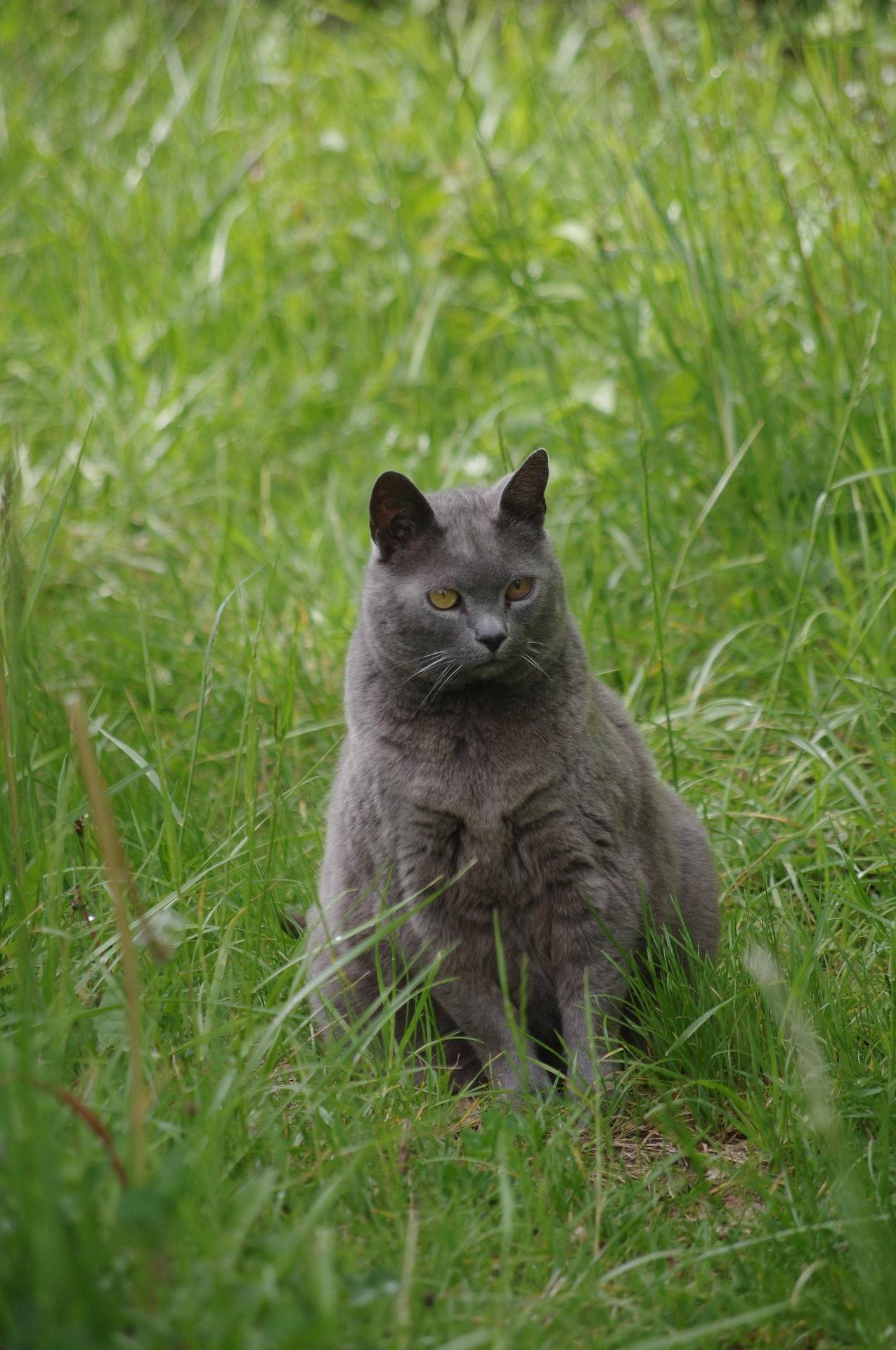
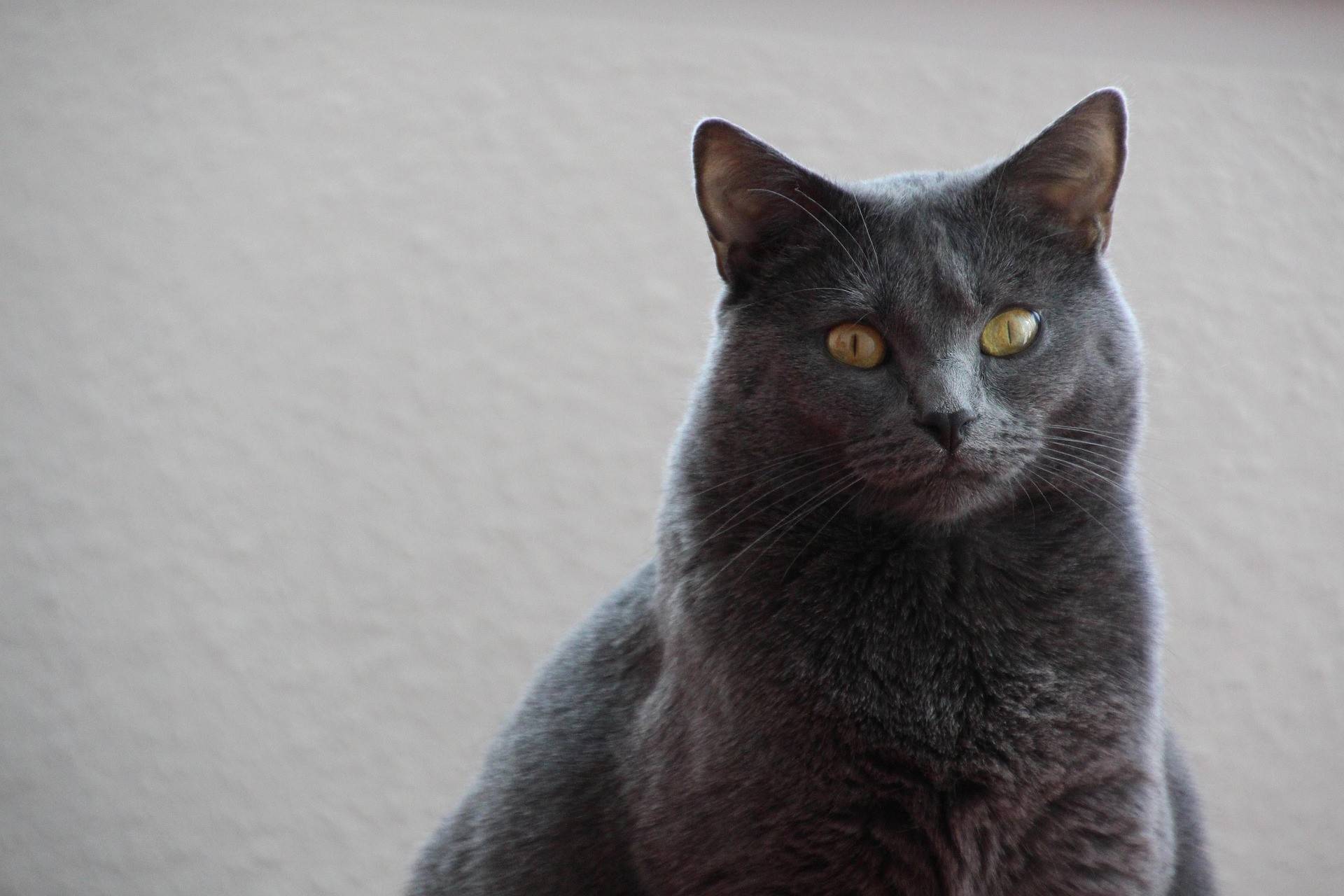
The Chartreux cat traces back to the 13th century, with the most famous theory about them being about how Crusaders brought their ancestors to France.
These cats were associated with the Carthusian monks, accompanying them with their soft presence and ability to catch rodents. The name most likely came from the exact monastery where they were cared for, which was the Grande Chartreuse Monastery.
Chartreux cats were also described in a poem by Joachim du Bellay that talks about a cat named Belaud. Today, the Chartreux is a national treasure in France. From its prevalence in literature to its loving presence in families, this cat breed continues to be a popular companion.
Physical Characteristics of Chartreux
Head
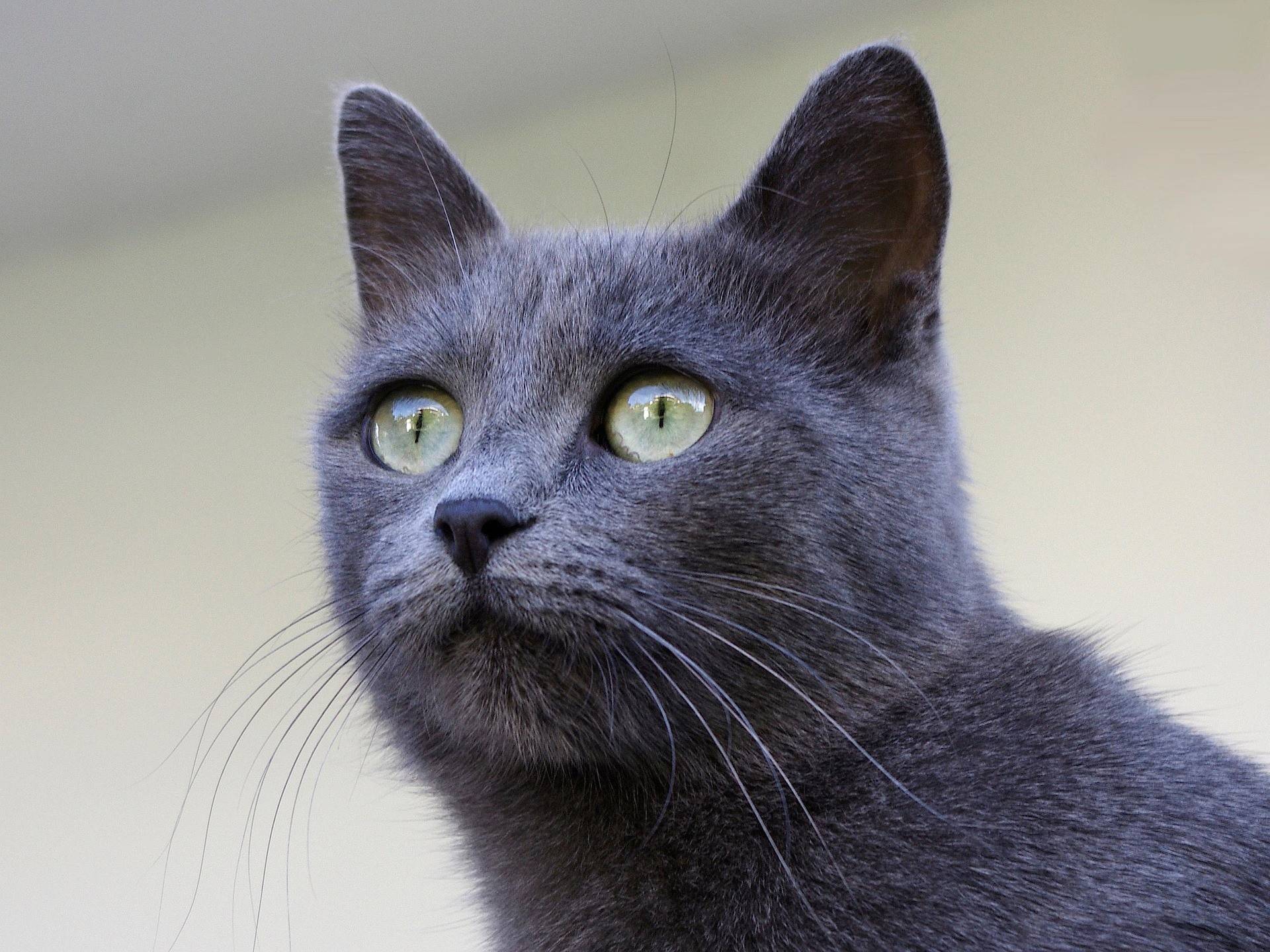
The Chartreux has a broad, rounded head with full cheeks and a straight nose. Their foreheads are slightly flat and wide.
Eyes
Their eyes are round and open. They generally have a gold to copper color.
Ears
The ears are medium-sized and have round tips that are set high on their head. These are broad at the base.
Body
Chartreux cats have a muscular body with a broad chest. It’s often described as “cobby.”
Limbs
The legs are short and fine boned. They are straight, sturdy, and strong.
Tail
Their tails have a moderate length and are heavy at the base. The tip is oval rather than pointed.
Coat
The Chartreux have a soft, thick, and woolly coat that is medium in length. This comes in a blue-gray color with a single-color pattern.
Size
Male: 4.5-8 kg (10-17.6 lbs); Female: 3-7 kg (6.6-15.4 lbs).
Weight
Male: 23-28 cm (9-11 inches); Female: 20-28 cm (8-11 inches).
Just welcomed a Chartreux
What to Expect With a Chartreux
How Vocal Are Chartreux?
The Chartreux is known for being one of the quietest cat breeds, only speaking with soft forms of vocalization. They tend to express themselves subtly and do not meow excessively. Instead, you can hear soft chirps and trills.
Are Chartreux Cats Energetic?
This breed has a balanced energy level. Chartreux are highly active cats, but they love short bursts of play followed by long, relaxing sessions. This is why they benefit from short bursts of exercise.
Can Chartreux Be Independent?
Chartreux cats enjoy the company of their owners but can also thrive in long periods alone. They can be left in the house for moderate periods of time, and they can still find ways to entertain themselves.
Are Chartreux Cats Affectionate?
They are highly affectionate cats, but not to the point that they become overly clingy. Chartreux have subtle and soft ways to show their love. Instead of demanding love constantly, they ask for it softly.
Are Chartreux Cats Good for First-Time Owners?
Yes, these calm and gentle cats are very good options for first-time owners. They have a pleasing personality with a moderately independent nature, which means they can hold their own. Plus, their grooming and exercise needs aren’t that high.
Can Chartreux Be Good With Kids?
Chartreux cats are patient and gentle, making them well-suited for families with children. Because they love calm and gentle interactions, they prefer kids who know how to handle pets well.
How Well Do Chartreux Do With Other Pets?
They generally coexist peacefully with other animals because of their soft and gentle nature. Early socialization can help create strong relationships between pets in the same household. Be sure to supervise these early introductions.
What Is It Like to Have a Chartreux Cat?
Having a Chartreux cat is like having a calm companion by your side. These cats generally adapt well to new homes, environments, and schedules. However, they do prefer a solid and consistent routine.
Can Chartreux Be Trained Easily?
Chartreux cats are intelligent, adaptable, and eager to learn with their owners. This makes them quick learners who thrive on positive reinforcement and consistent routines.
Do Chartreux Need Exercise?
They benefit from short, daily play sessions. About 20 to 30 minutes of exercise per day is recommended for their physical health. This can be through indoor play sessions, short walks, or even interactive toys.
What to Feed a Chartreux Cat?
Like other cats, they require cat food with good sources of protein, healthy fats, and essential nutrients. This can be through a mix of wet and dry food. Focus on giving around ⅓ to 1 cup of food, depending on their specific needs.
How Often Should Chartreux Get Groomed?
Their dense, woolly coat requires weekly brushing, at least twice or thrice. Since these cats are good at grooming themselves, bathing can be done rarely, only when these cats get too dirty.
Health Concerns of Chartreux
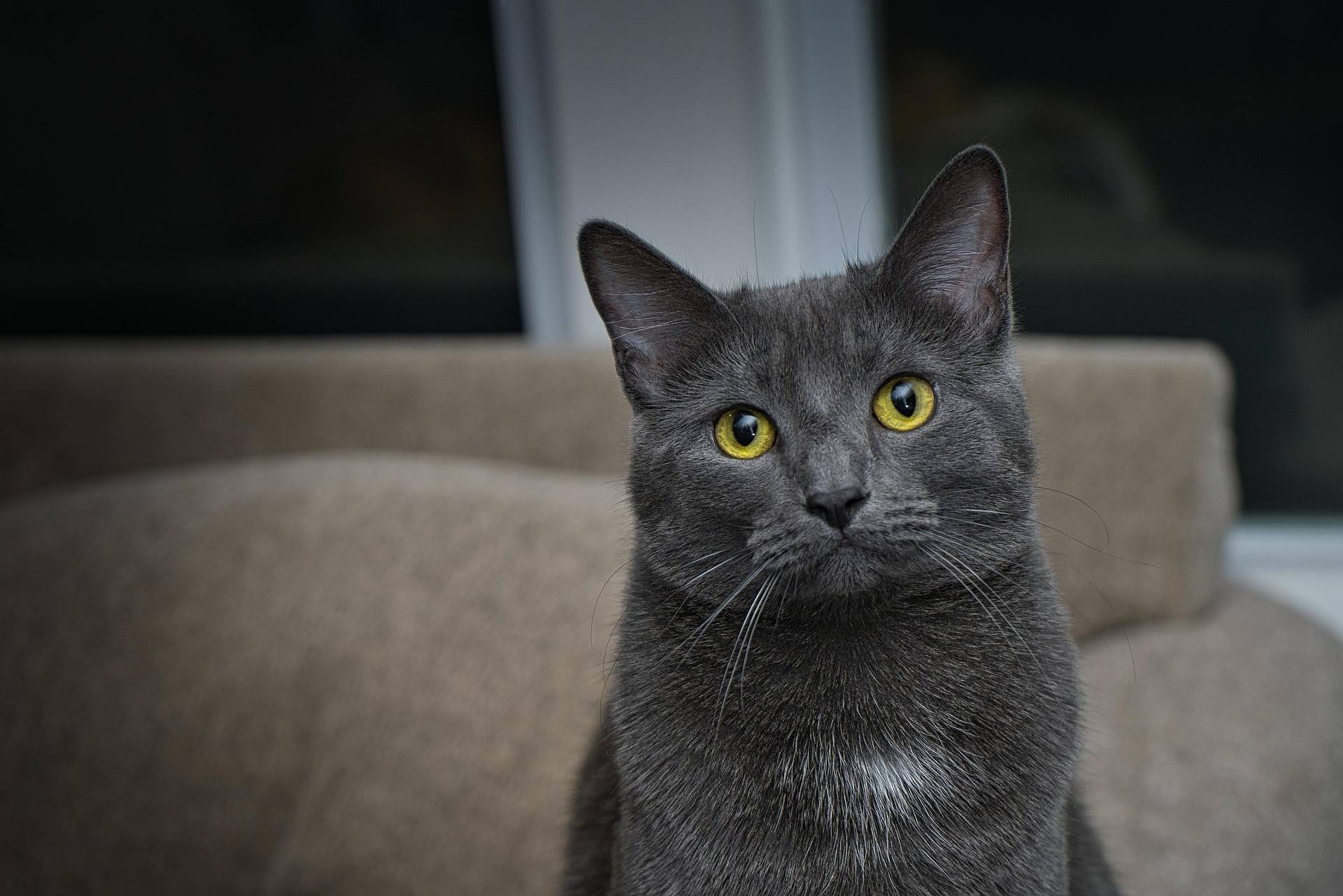
When owning a Chartreux, it’s helpful to take note of the potential issues that may come their way.
How to Groom a Chartreux
Brushing should be done once a week using a metal comb or soft-bristle brush. This helps remove loose hair and dirt, while also preventing matting.
To protect their skin, regular brushing helps remove allergens that might cause allergic reactions and irritation. If needed, you can also use topical treatments such as coconut oil or medicated sprays.
Bathing is rarely necessary as the Chartreux has a water-resistant coat. You can bathe them when it is absolutely needed, such as when they get excessively dirty. Use a gentle shampoo and be sure to dry them thoroughly.
These cats need nail trimming every 2 to 3 weeks, or until they get too long. Use cat-specific nail clippers. Be sure to avoid the quick and not to trim too much.
Ear care can be done only when necessary. Check their eyes weekly and watch out for any dirt and debris. Use a vet-approved ear cleaner.
Their eyes should be checked and cleaned weekly. If you notice any discharge or debris, use a soft, damp cloth and be sure to wipe outward.
Chartreux need their teeth brushed daily, but brushing can also be done 2 to 3 times a week. Make sure to use a pet-safe toothpaste and toothbrush.
FAQs About Chartreux

Worried about your pet?
We’re here for urgent care, wellness checks, or anything in between.