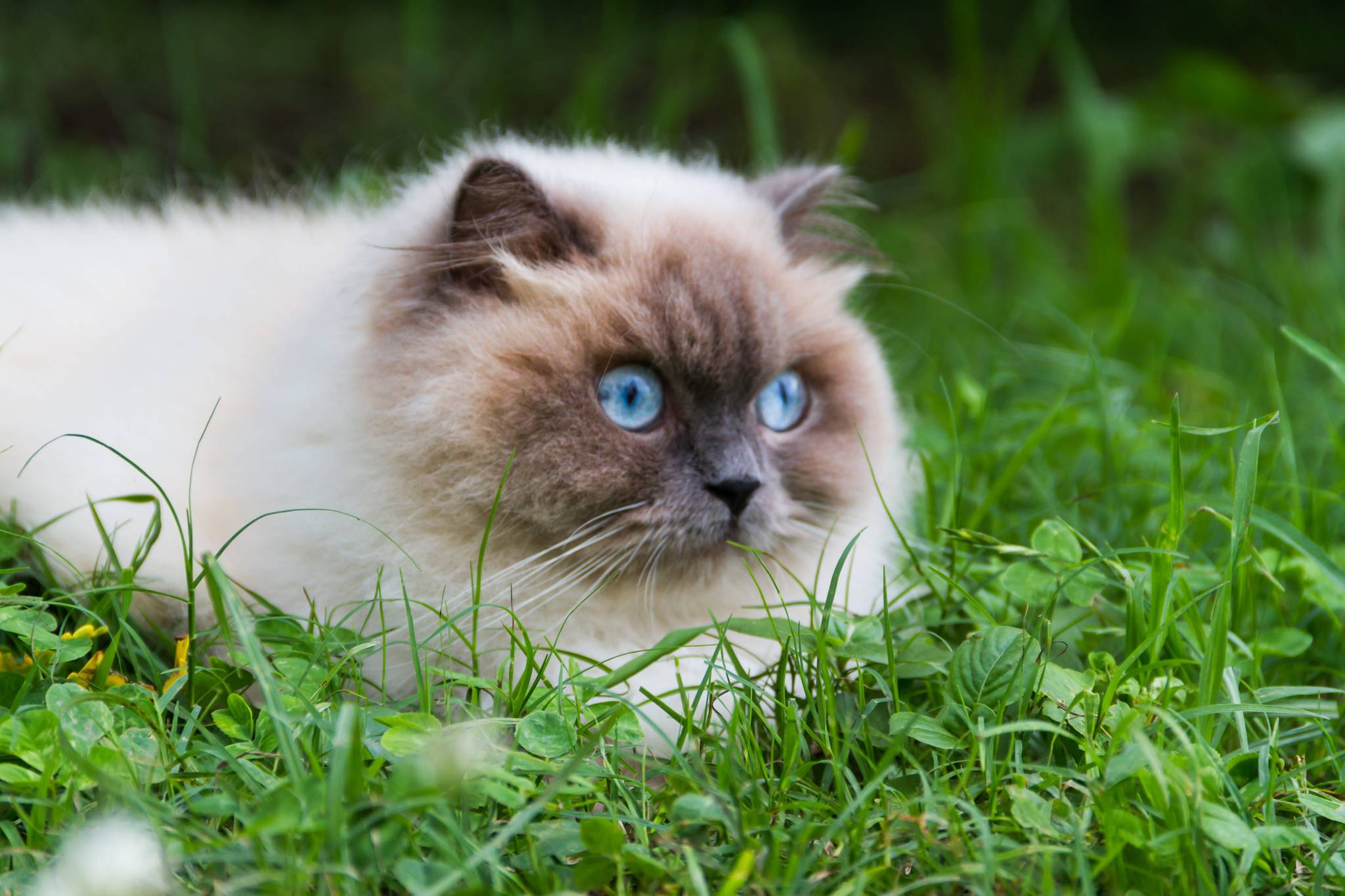
Breed Overview
Personality: Calm, sweet, affectionate, quiet, and sometimes playful
Up to 5 kg or 12 lbs
Coat Colors: Seal, chocolate, blue, lilac, flame, red, cream, and more
Long hair
Coat Patterns: Colorpoint
Eye Color: Blue, and occasionally copper or green
8-11 years
No
History of the Himalayan Cat
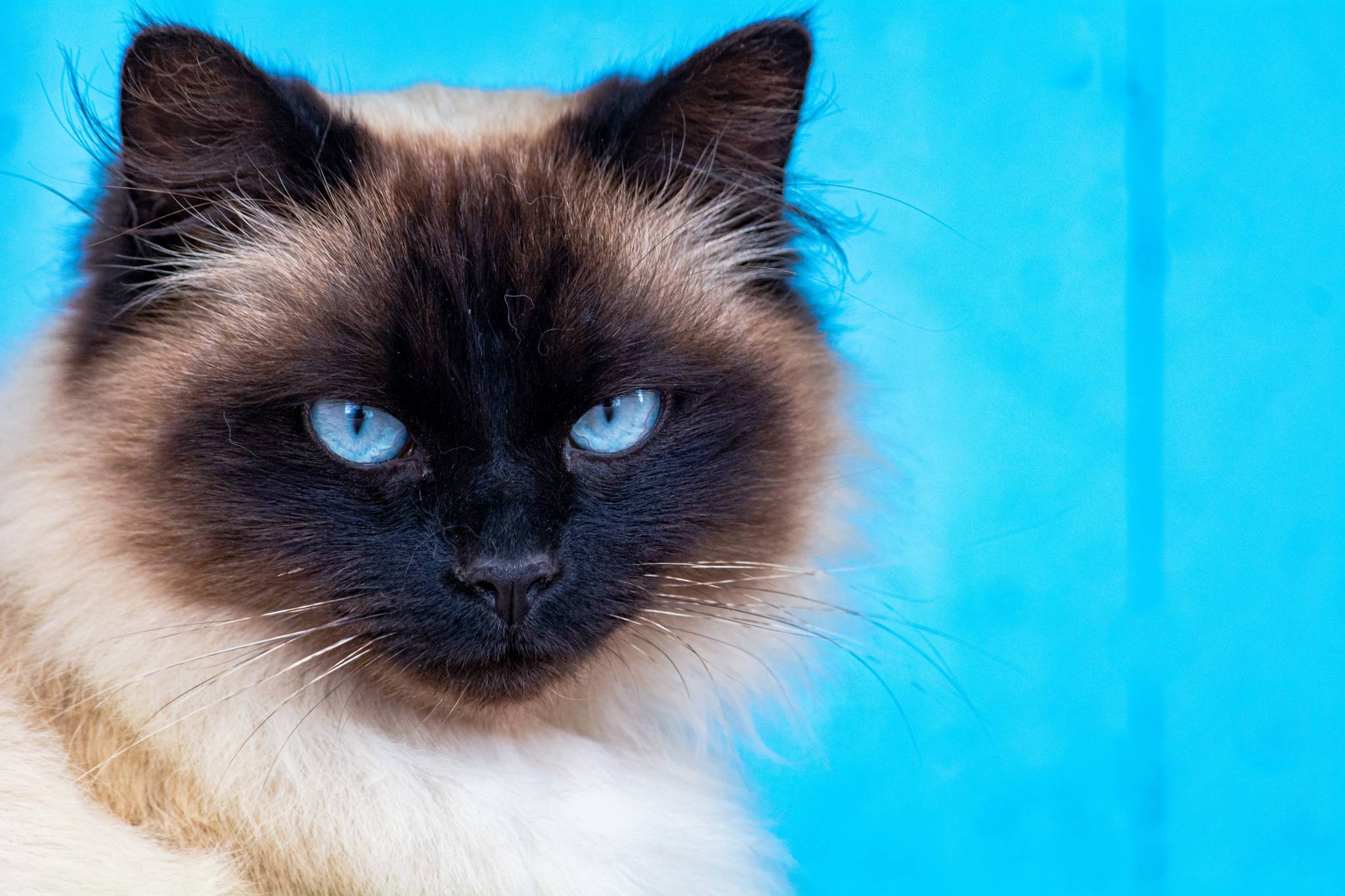
Breeders in the United States wanted to combine the color of the Siamese cat and the coat of Persian cats. They were successful in breeding Himalayan cats in the 1930s and became more popular after World War II.
In the 1950s, the breed was officially recognized by cat registries in the US. British breeders became interested in Himmies, which they then referred to as Colorpoint Longhairs. After some time, the Himalayan was grouped under the Persian cat breed category by some registries and referred to as Persian-Himalayans.
Physical Characteristics of Himalayan Cat
Head
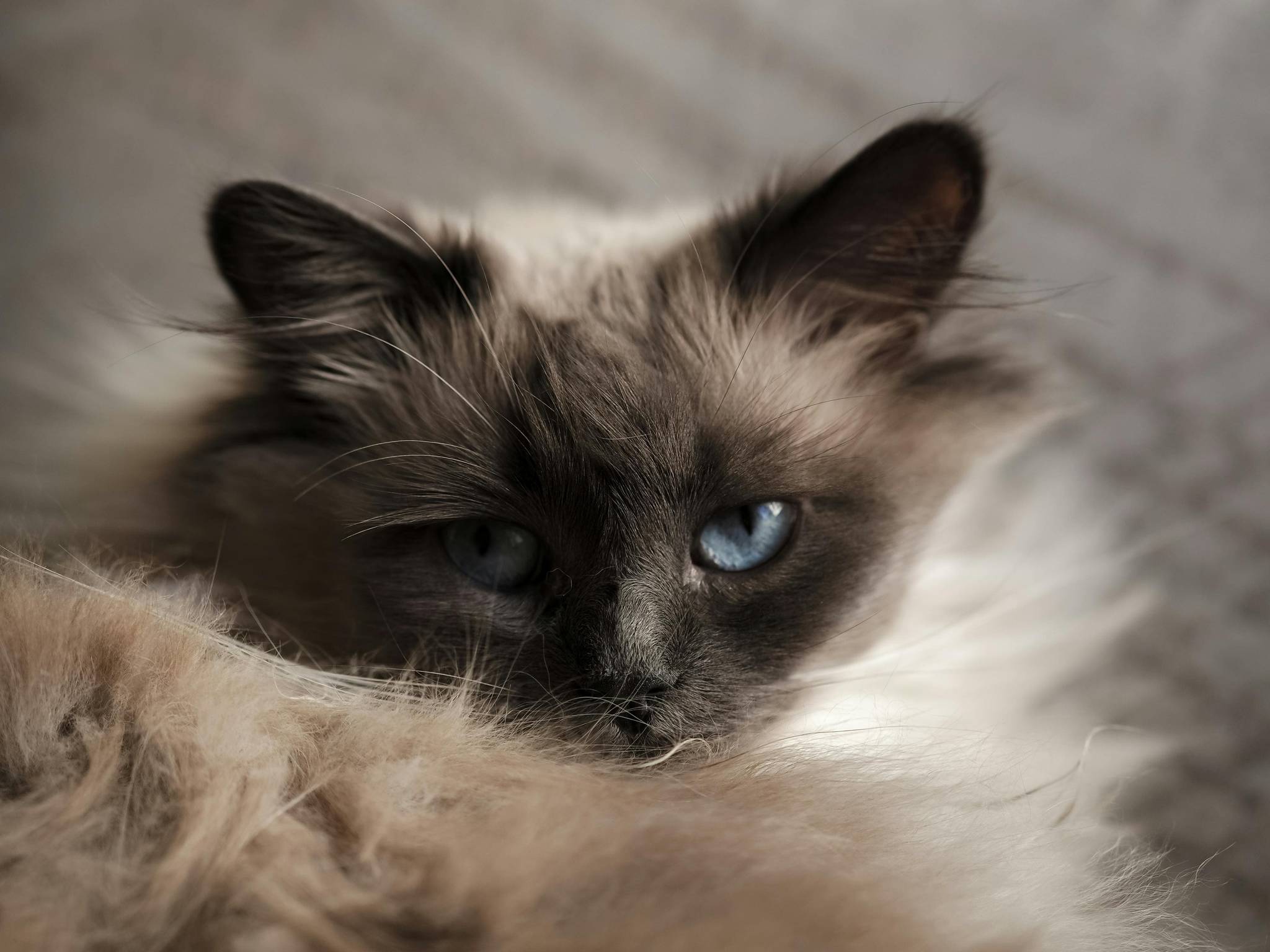
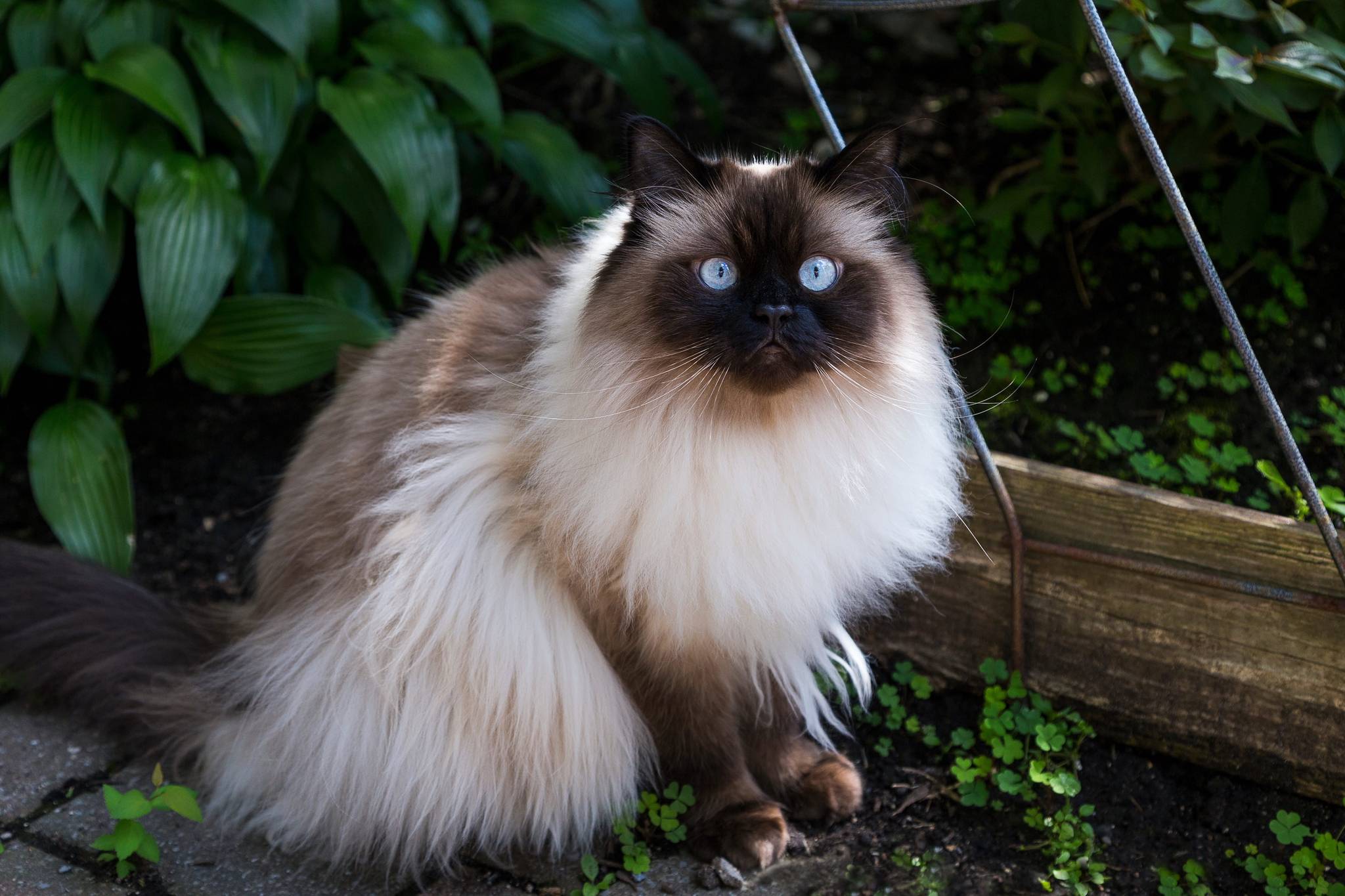
Himalayans have a large, rounded head and a flat-faced structure. Their jaw is strong and well-developed.
Eyes
They have large, round eyes that are widely set and expressive, with a distinct bright, blue color.
Ears
Their ears are small to medium-sized, rounded at the tips, and set low on the skull. These are slightly tilted forward.
Body
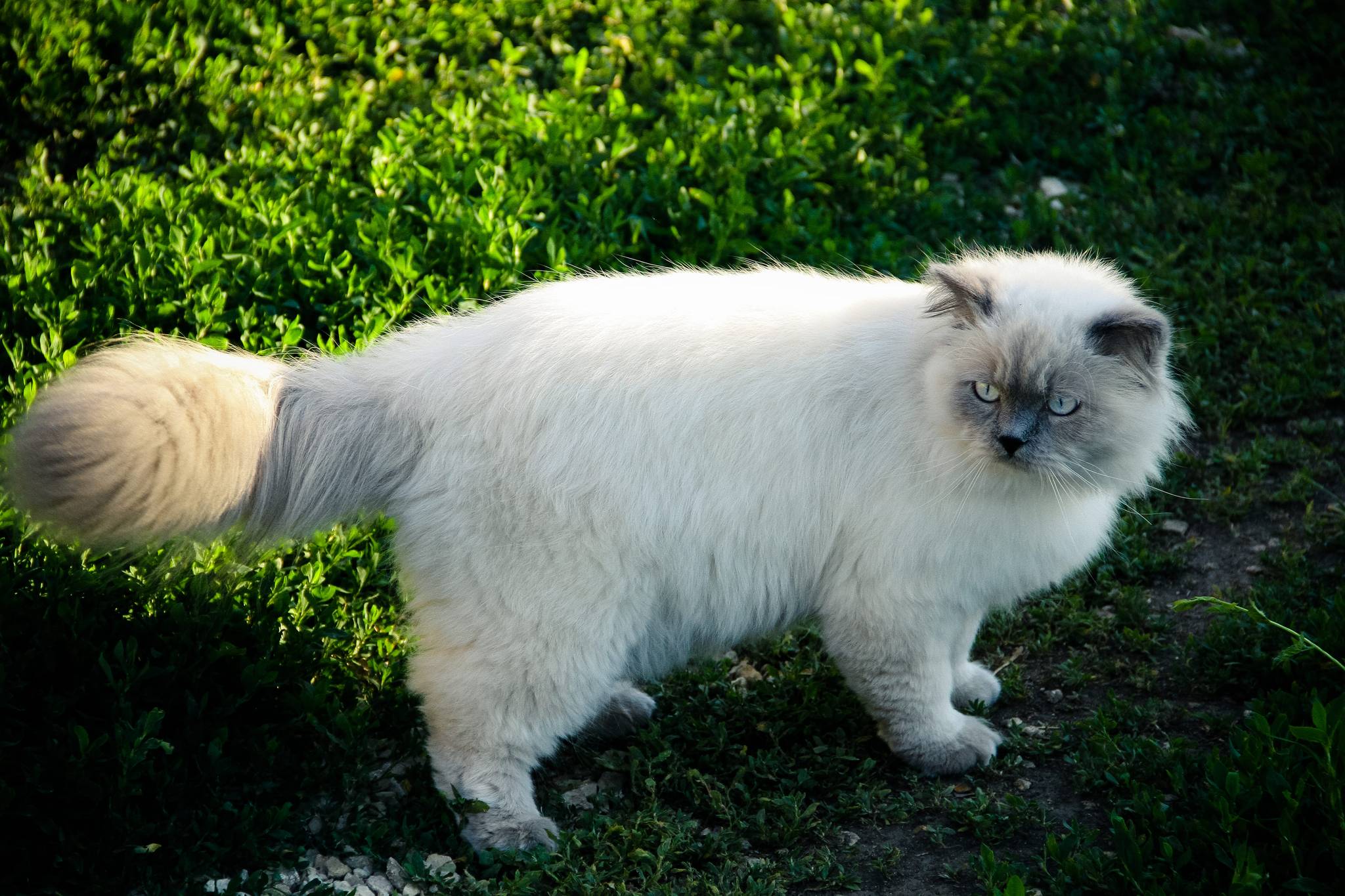
Himmies have a short and sturdy body. Their chests are broad, and their shoulders are heavily boned.
Limbs
They have short, thick legs that are well-boned and muscular. The paws are round and firm.
Tail
The tail is short and fluffy, which is proportional to its body. It’s also generally darker than the rest of the body.
Coat
Himalayan cats have a long, thick, and fluffy coat in light colors. They have dark points in colors like seal, blue, red, cream, lilac, and chocolate.
Size
Males and females generally weigh 3.2-5.4 kg (7-12 lbs).
Weight
Males and females are generally 25.4-30.5 cm (10-12 inches).
Just welcomed a Himalayan Cat
What to Expect With a Himalayan Cat
Vocalization Level
Himalayans are quiet cats. They communicate with soft meows and chirps, especially when they want attention, food, or treats.
Energy Level
They can have sudden bursts of energy, like other breeds. However, they’re known to prefer a relaxed lifestyle, spending most of the day simply napping and lounging because of their low energy levels.
Independence Level
These cats enjoy the company of their families, but they can also be content spending time alone. This makes them a perfect pet for quiet households.
Affection Level
Himmies love to bond with their humans by curling up next to them or resting on their laps. When they prefer to be alone, they’d likely be sleeping at their favorite spots in the house.
Compatibility with Children
Their calm and gentle nature makes them great companions for kids. They enjoy interacting with families as long as they are handled carefully and properly.
Compatibility with Other Pets
Himalayans are generally good with other pets, especially if they are socialized from a young age.
Adaptability Level
These cats are fairly adaptable and can adjust to any living situation given that their needs are met. With time, they can get used to new homes and changes.
Trainability Level
Himalayan cats are fairly trainable, but some methods, like agility training, can be hard to teach. They respond well to positive reinforcement methods.
Exercise Requirements
They have low exercise requirements, but they still can benefit from a bit of playtime. Indoor cat trees, climbing posts, and trick training can be good options.
Mental Stimulation Needs
Puzzles and interactive toys can be good ways to boost the mental activity of Himalayan cats. They need constant stimulation to feel happy and entertained.
Grooming Frequency
They need daily brushing and combing because of their long and thick coats. Monthly baths are recommended, but this can change depending on the cat’s activity level.
Health Concerns of Himalayan Cat
How to Groom a Himalayan Cat
Himalayans have long, dense, and silky coats that require daily brushing. Use a slicker brush or a stainless steel comb.
Use moisturizing grooming sprays and avoid over-bathing to maintain their natural oils. Watch out for any skin issues.
Bathing should be done every 2 to 4 weeks. Use a vet-approved shampoo and be sure to dry the cat thoroughly.
Nails should be trimmed every 2 to 3 weeks, or if they get too long. Use cat-specific nail clippers.
Weekly ear inspections should be done at home to check for any dirt or debris. Use a pet-safe ear cleaning solution and some cotton balls.
Daily eye cleaning is recommended for Himalayan cats. Make sure to use a damp cloth and wipe outward.
It’s recommended to brush the Himmies’ teeth daily to avoid dental problems. Use a vet-approved toothpaste and toothbrush.


MORE THAN A VET VISIT