Breed Overview
Personality: Affectionate, intelligent, playful, social, alert
18-32 kg (40-70 lbs); Miniature: 5-9 kg (12-20 lbs); Toy: 3-4 kg (6-9 lbs)
Coat Colors: Black, white, apricot, red, silver, chocolate
Long hair
Coat Patterns: Solid, multi-color
Eye Color: Brown to dark brown
12 to 15 years
Yes
History of the Poodle
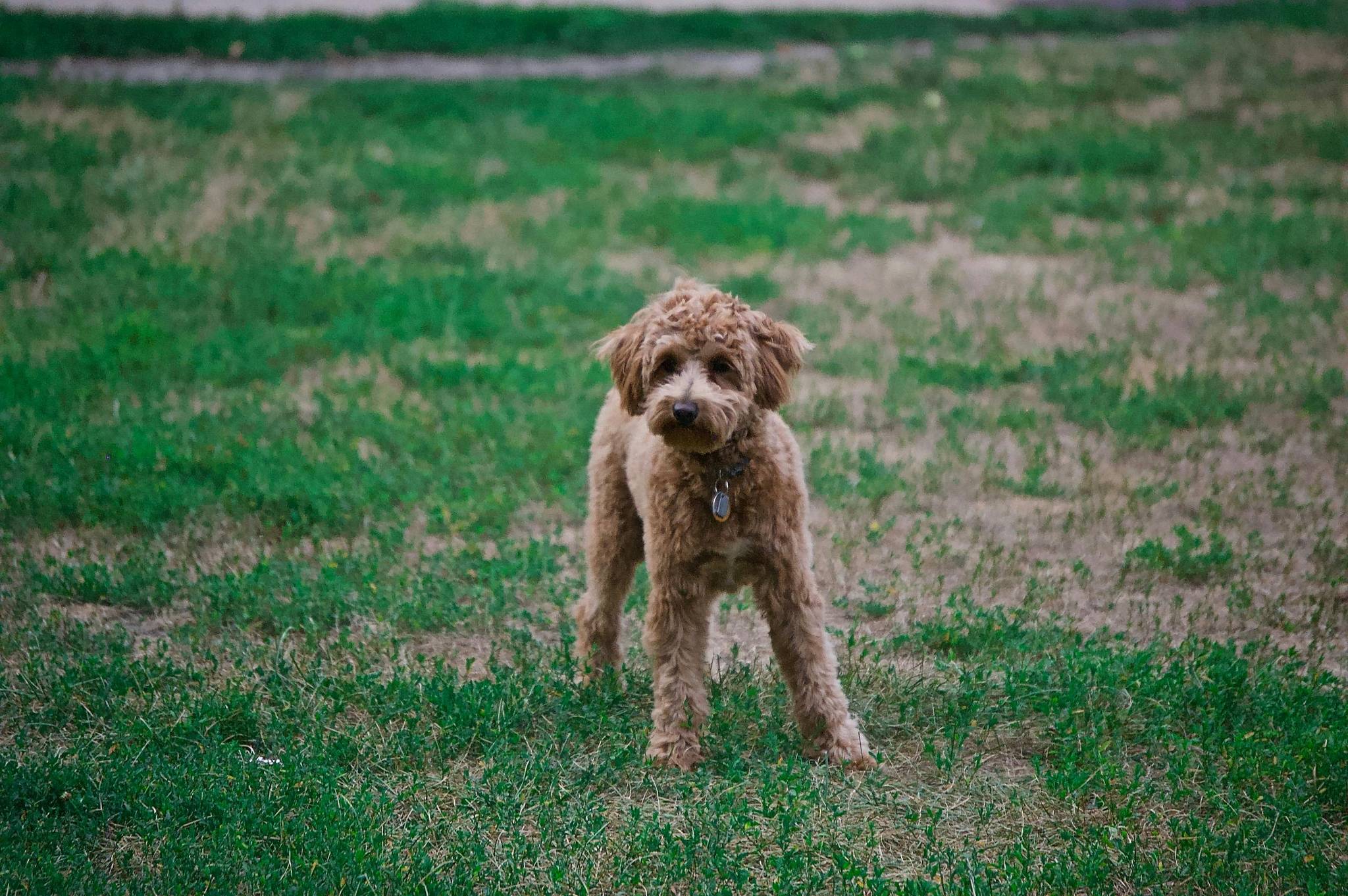
The Poodle dog breed originated in Germany, where it was initially bred as a water retriever. Its name came from the German word "Pudel," which means to "splash in water."
The breed became more popular in France over time, where it was revered by the nobility. Poodles went on to become the country's national dog. Its high intelligence and iconic coat made it one of the most rewarding dogs to train and take care of.
From then on, the popularity of the Poodle continued to grow in other parts of the world. The breed’s playful and friendly nature worked well with most households, and its easy trainability became a favorite.
Physical Characteristics of Poodle
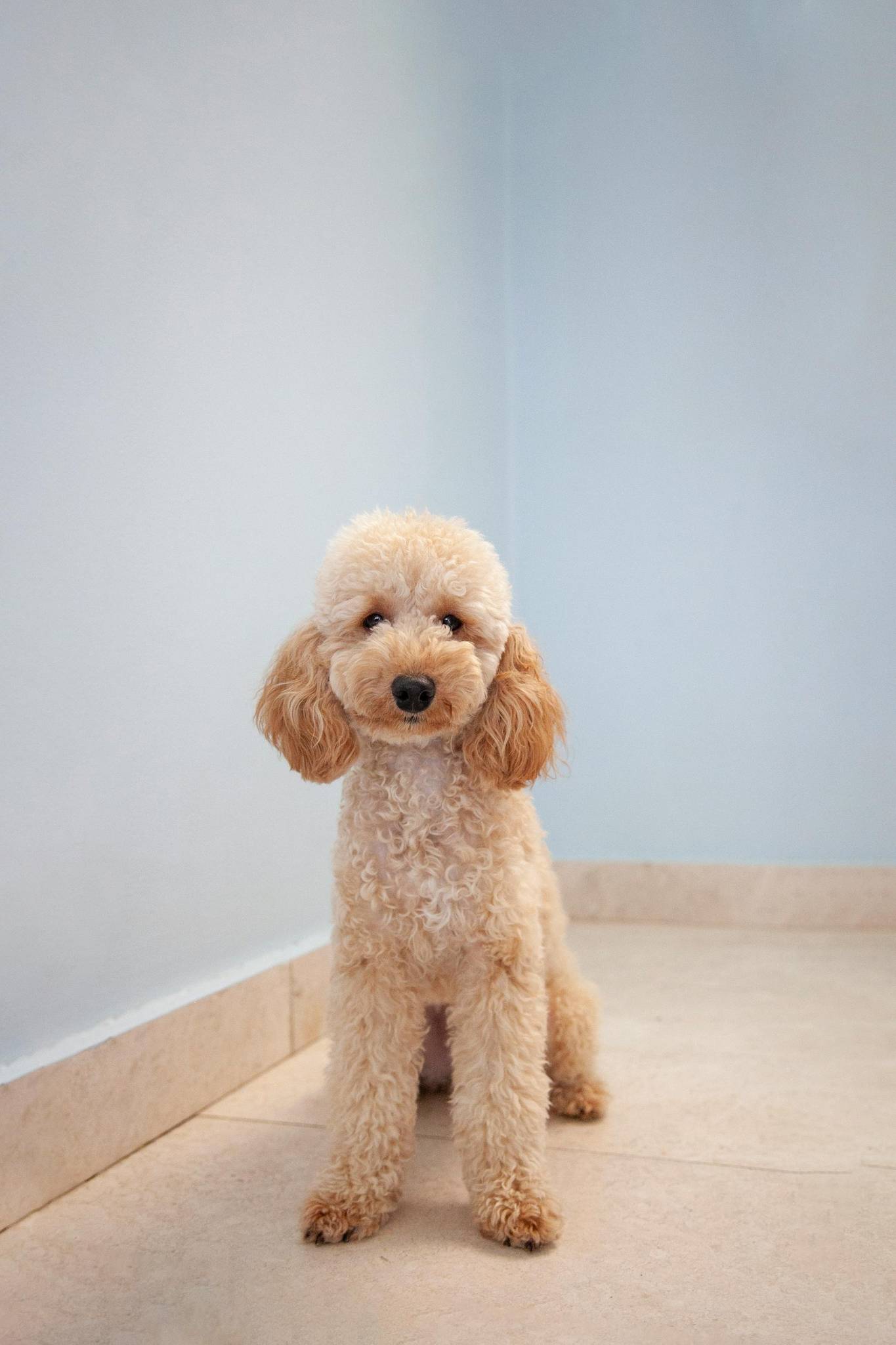
Head
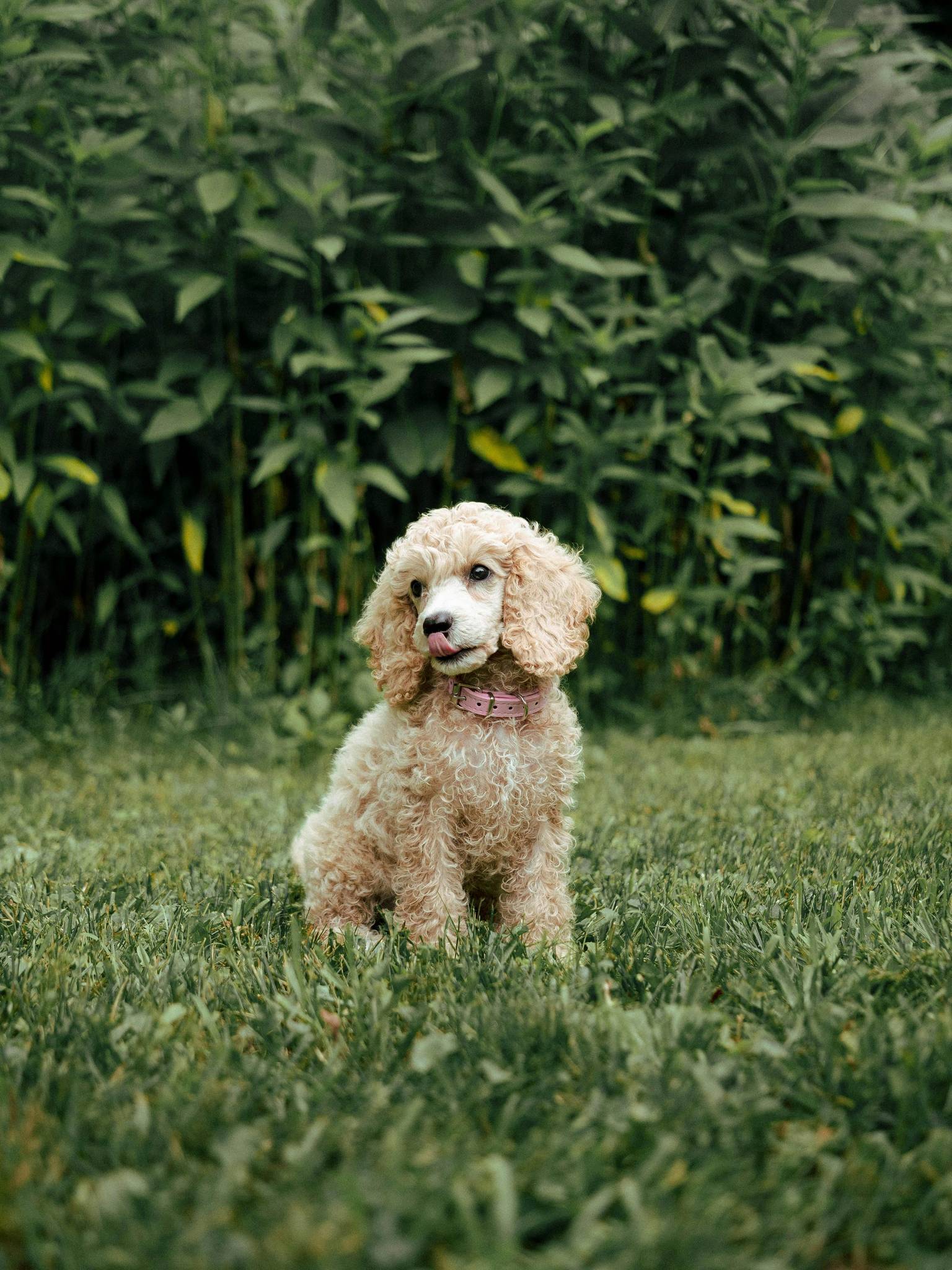
Poodles have moderately rounded skulls with a well-defined stop. Their muzzle is long, straight, and fine, ending with a black or brown nose.
Eyes
Poodles have oval-shaped, dark eyes that show alertness. Eye color is typically brown but may be amber in lighter-coated ones.
Ears
Their ears are long and wide. These are usually set low and hang close to the head, covered in fur.
Body
Poodle dogs have proportionate bodies with deep chests.
Limbs
Standard Poodle legs are long, straight, and muscular, built for agility and endurance. Their feet are small, compact, and slightly oval-shaped.
Tail
Traditionally, they have a moderately long tail, which is docked for show dogs. When undocked, it is carried high and slightly curved.
Coat
Poodles have a dense, curly, and hypoallergenic coat that comes in various colors. This includes black, white, apricot, red, silver, and chocolate.
Size
Male and female standard Poodles are about 46-61 cm (18-24 inches). Miniature male and female Poodles are about 28-38 cm (11-15 inches). Toy Poodles are 24-28 cm (9.5-11 inches) in height.
Weight
Male standard Poodles weigh 27-32 kg (60-70 lb), while females weigh 18-23 kg (40-50 lb). Male miniatures weigh 5-9 kg (12-20 lb), while females weigh 5-6.5 kg (11-14 lb). Male and female toy Poodles weigh around 3-4 kg (6-9 lb).
Just welcomed a Poodle?
What to Expect With a Poodle
Vocalization Level
Poodles are known to be alert and will bark to alert their owners of strangers or unusual noises. However, they don't bark when they don't need to.
Energy Level
They are energetic and require regular physical activity from owners. Daily walks and games are enough to keep them happy.
Independence Level
While Poodles love affection and companionship, they can also get into an independent and stubborn streak.
Affection Level
Poodles are known for their loving nature and enjoy being close to their human companions. They love hanging out and spending time with owners.
Compatibility with Children
Poodles are gentle and patient with children. However, constant supervision is always recommended.
Compatibility with Other Pets
They get along with other pets relatively well, especially with early socialization and training.
Adaptability Level
These dogs are highly adaptable and can adjust to new homes, environments, food, and pets.
Trainability Level
Poodles are intelligent and eager to please, making them easy to train. They love spending time with owners to learn new tricks and commands, but they can be stubborn at times.
Exercise Requirements
These dogs require about 1 to 2 hours of exercise a day. Include daily walks, puzzles, agility training, swimming, and other forms of physical activities.
Mental Stimulation Needs
Because of their high intelligence, Poodles need to be mentally stimulated. Use puzzles, interactive toys, and entertaining training sessions.
Grooming Frequency
Poodles require regular grooming, including brushing, haircuts, and bathing, mainly because of their long, curly coat.
Health Concerns of Poodle
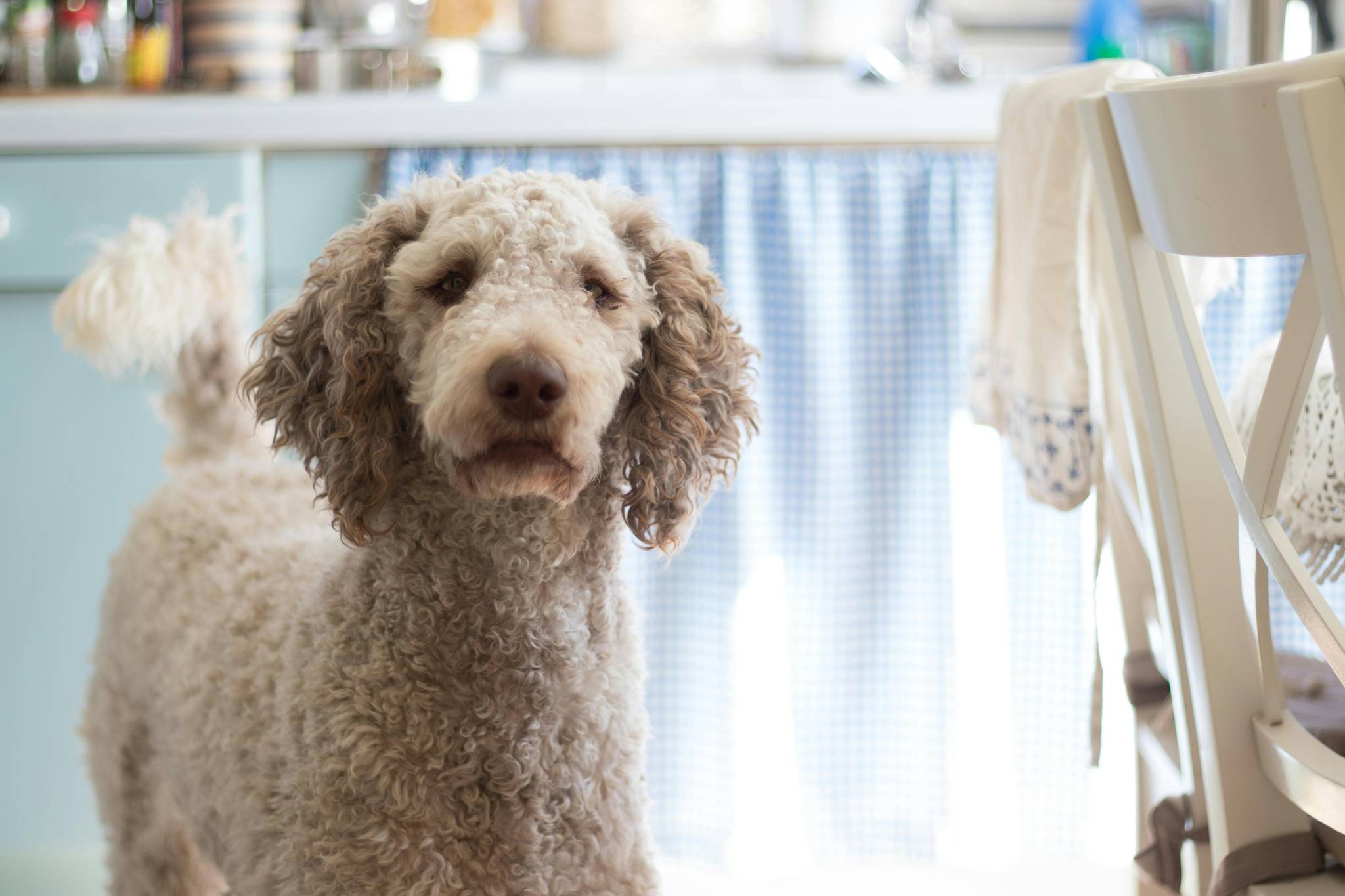
How to Groom a Poodle
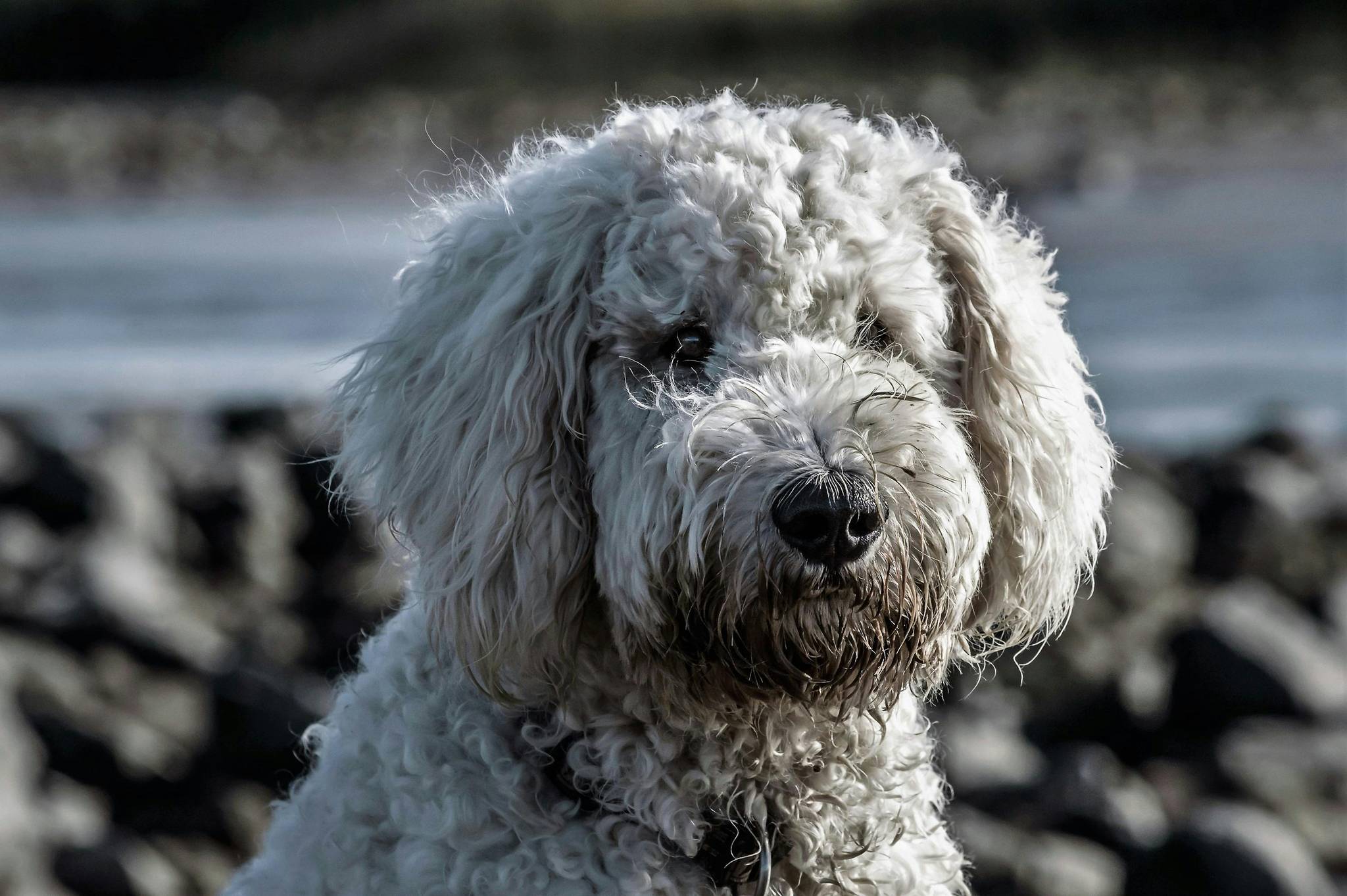
Coat Maintenance
Due to their dense and curly coats, they require a minimum of 3 brushing sessions per week. Use a slicker brush to help prevent matting and tangling.
Skin Health
Poodles are generally prone to skin issues because of their coat. Focus on brushing and bathing frequently. Use moisturizers, coconut oil extracts, and oatmeal cream.
Bathing Routine
A bath every 4 to 6 weeks is generally enough for Poodles. Use a pet-safe shampoo, and be sure to dry them thoroughly.
Nail Trimming
Nail trimming should be done every 2 to 3 weeks or until the nails have grown so long that they create a sound when Poodles walk. Use a specific dog nail clipper.
Ear Cleaning
Clean ears weekly and routinely check for signs of redness or odor. Use a pet-safe cleaner and a cotton ball, never a cotton swab.
Eye Care
A Poodle’s eyes must be checked and cleaned weekly to prevent eye issues. This frequency can increase depending on the case. Use a soft and damp cloth to clean it.
Dental Hygiene
Like other dogs, Poodles require regular dental cleaning and at-home brushing. At home, their teeth need to be brushed every day to prevent any plaque buildup.