Breed Overview
Personality: Pembroke: affectionate, intelligent, playful; Cardigan: reserved, laid-back, loving
Pembroke: 10.9-13.6 kg (24-30 lbs); Cardigan: 11.3-17.2 kg (25-38 lbs)
Coat Colors: Pembroke: red, fawn, sable, black and tan; Cardigan: black, red, sable, blue
Medium-length
Coat Patterns: Pembroke: solid, tricolor, white markings; Cardigan: brindle, merle, tan points, white markings
Eye Color: Pembroke: brown, blue; Cardigan: brown, blue heterochromia, dark
12 to 15 years
No
History of the Corgi
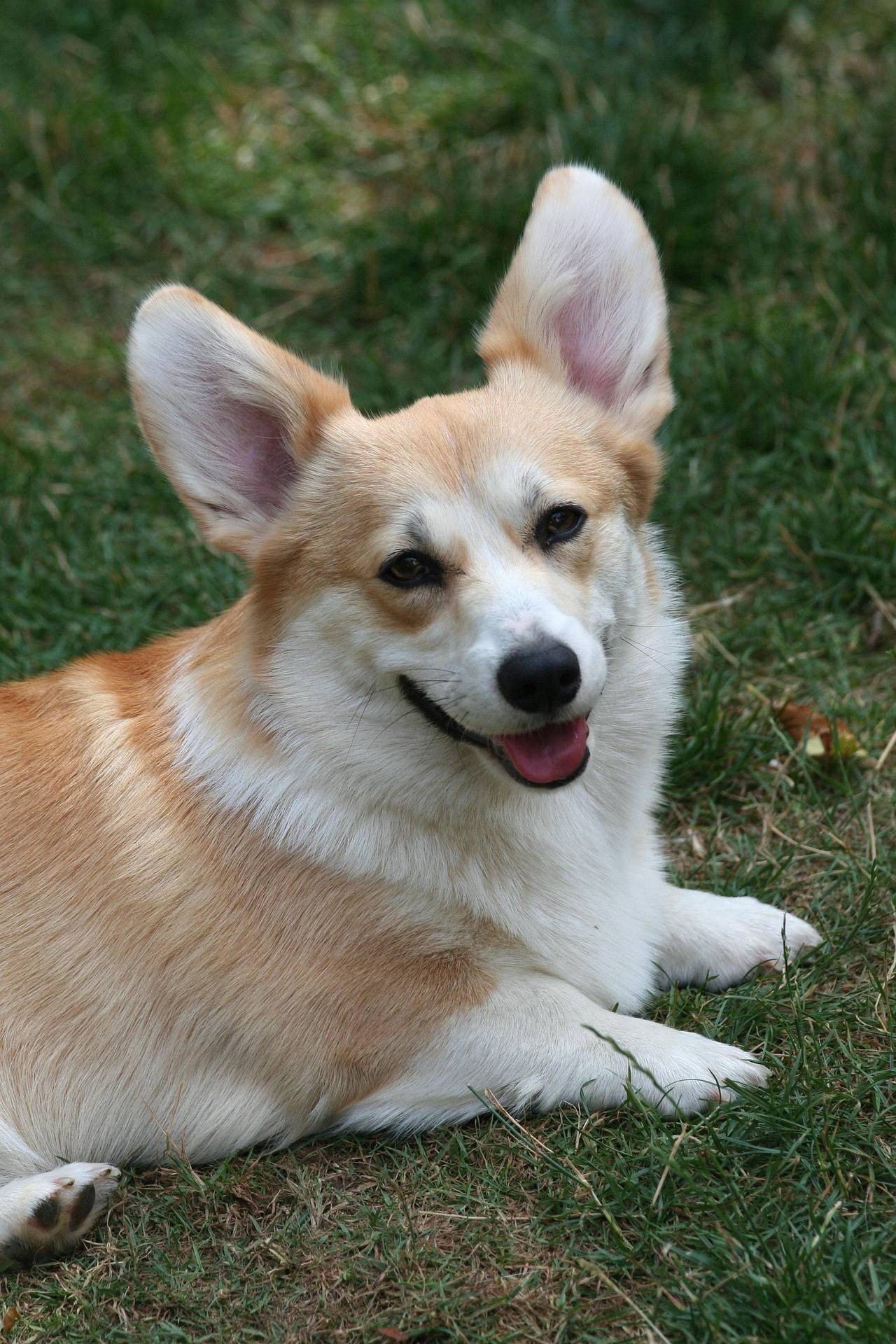
The Cardigan Welsh Corgi is the older of the two breeds, with origins tracing back to 1200 BC in Cardiganshire. Pembroke Welsh Corgis, on the other hand, originated around 1000 AD in Pembrokeshire.
While they share similarities, Cardigans are descended from the German Teckel lineage, which also includes the Dachshund. Pembrokes originated from the Nordic Spitz breeds.
Over time, Corgis have transitioned from farm work to being loyal and loving companions in many households. Their popularity skyrocketed, with notable people such as Queen Elizabeth II having about 30 Corgis in her lifetime.
Physical Characteristics of Corgi
Head
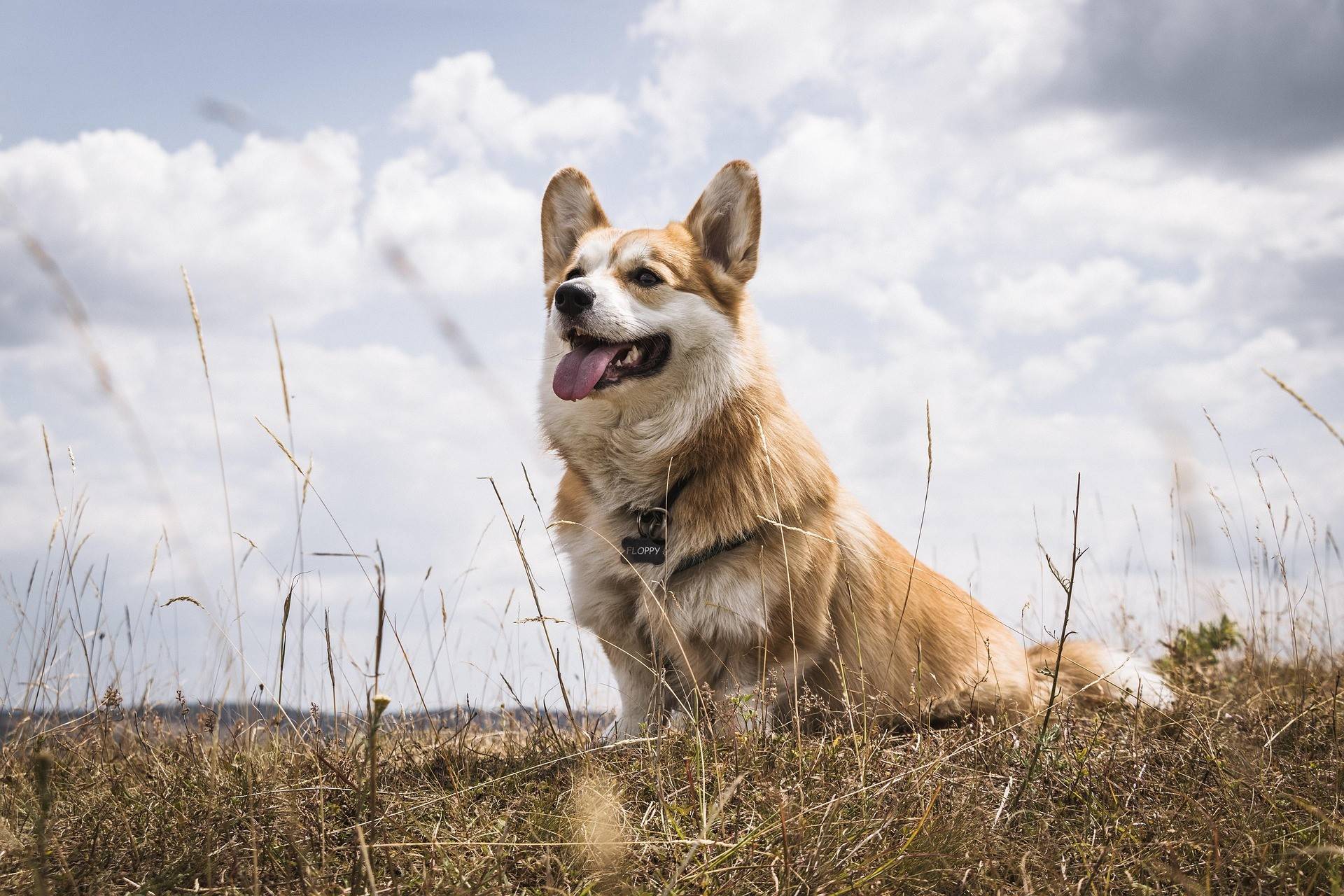
Both types of Corgis have a fox-like head shape with a broad skull. Pembrokes have a more triangular shape. The muzzle is straight and tapers slightly.
Eyes
Corgis have medium-sized, oval-shaped eyes. Pembrokes can have brown or blue eyes. Cardigans’ eyes can be brown, dark, or blue.
Ears
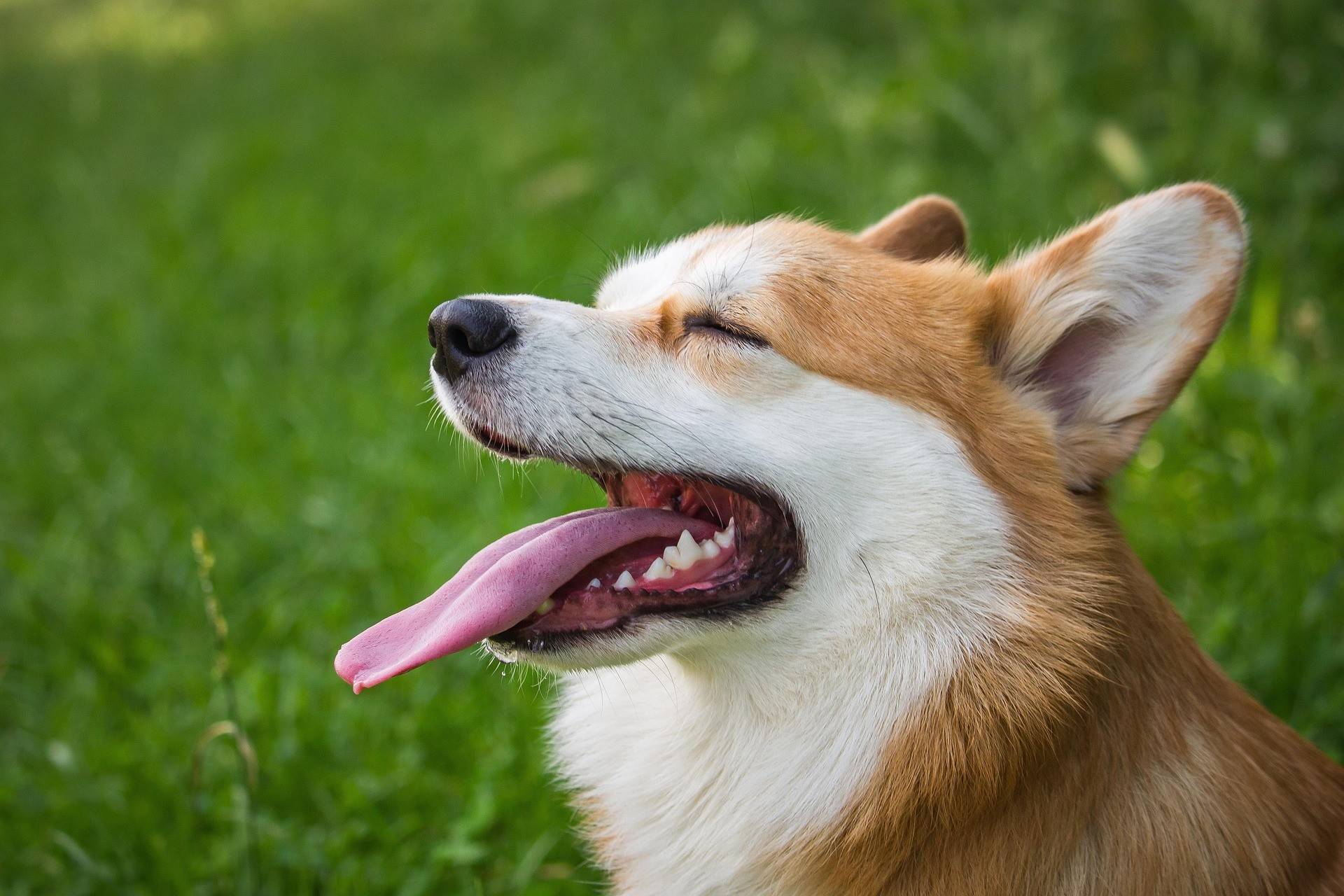
Both breeds have upright ears, but Pembrokes have pointed and smaller ears. Cardigans’ ears are slightly larger and rounder.
Body
While they share a similar body structure, Pembrokes have a more rectangular shape, while Cardigans have a rounder body shape.
Limbs
Pembrokes have straighter legs, while Cardigans have slightly outward-facing legs. These are slightly heavier.
Tail
Pembroke Welsh Corgis have a short tail that is typically docked, while Cardigan Welsh Corgis have long and bushy tails.
Coat
While both have medium-length double coats, Pembrokes have a much coarser coat. Pembrokes come in red, fawn, sable, and black and tan. Cardigans can have black, red, sable, and blue coat colors.
Size
Male and Female Pembrokes: 25.4-30.5 cm (10-12 inches); Male and Female Cardigans: 26.7-31.8 cm (10.5-12.5 inches).
Weight
Male Pembrokes: 11.8-13.6 kg (26-30 lbs); Female Pembrokes: 10.9-12.7 kg (24-28 lbs); Male Cardigans: 13.6-17.2 kg (30-38 lbs); Female Cardigans: 11.3-15.4 kg (25-34 lbs).
Just welcomed a Corgi?
What to Expect With a Corgi
Vocalization Level
Both types of Corgis are moderately expressive in terms of vocalization. However, Pembrokes are a bit more prone to barking.
Energy Level
Pembroke and Cardigan Welsh Corgis have moderately high energy levels. Both breeds require daily exercise and mental stimulation to stay happy.
Independence Level
Both breeds are moderately independent. While they enjoy being with owners, they are known to have an independent streak as well.
Affection Level
Corgis are naturally affectionate and love to spend time with their owners. While Cardigans are reserved toward strangers, they do warm up eventually.
Compatibility with Children
Both types are good with children. Pembrokes are more outgoing and energetic, while Cardigans need a bit of time to warm up with new kids.
Compatibility with Other Pets
Corgis can be good with other pets, especially when introduced early. However, they do tend to herd other animals.
Adaptability Level
These dogs are highly adaptable, capable of adjusting to new homes, environments, and routines, especially when owners are close.
Trainability Level
Corgis are highly trainable, thanks to their high intelligence. However, both types tend to have independence streaks.
Exercise Requirements
Both Pembrokes and Cardigans require at least an hour of exercise a day. These can include games, walks, and training sessions.
Mental Stimulation Needs
Their high intelligence requires regular mental stimulation. To prevent boredom, puzzle toys, trick training, and games are excellent options.
Grooming Frequency
Corgis have moderate grooming needs. They require brushing twice or thrice a week, while baths can be done every 2 to 3 months.
Health Concerns of Corgi
How to Groom a Corgi
Coat Maintenance
Corgis require brushing twice or three times a week. Use a slicker brush or metal combs. This helps with their shedding.
Skin Health
Since they are prone to skin allergies, use gentle grooming products and avoid overbathing. Regular brushing helps with skin health.
Bathing Routine
Corgis can be bathed every 2 to 3 months. Use gentle shampoos and vet-approved products. Dry them thoroughly.
Nail Trimming
Nail trimming can be done every 3 to 4 weeks, or if they get too long. Use pet-specific clippers.
Ear Cleaning
Weekly ear cleaning is recommended to prevent ear infections and issues. Use a vet-approved cleaning solution and cotton balls.
Eye Care
Routine cleaning isn’t necessary, but just keep an eye out for discharge or irritation. When cleaning, use a soft, damp cloth and wipe outward.
Dental Hygiene
Brush their teeth 3 to 4 times a week with a dog-safe toothpaste and toothbrush.