Breed Overview
Personality: Dignified, independent, affectionate, and reserved with strangers
Up to 30 kg or 65 lbs
Coat Colors: White, cream, fawn, red, black, tan, and combinations
Short or long hair
Coat Patterns: Solid, bicolor, or tricolor
Eye Color: Dark or amber
10-17 years
Yes
History of the Saluki
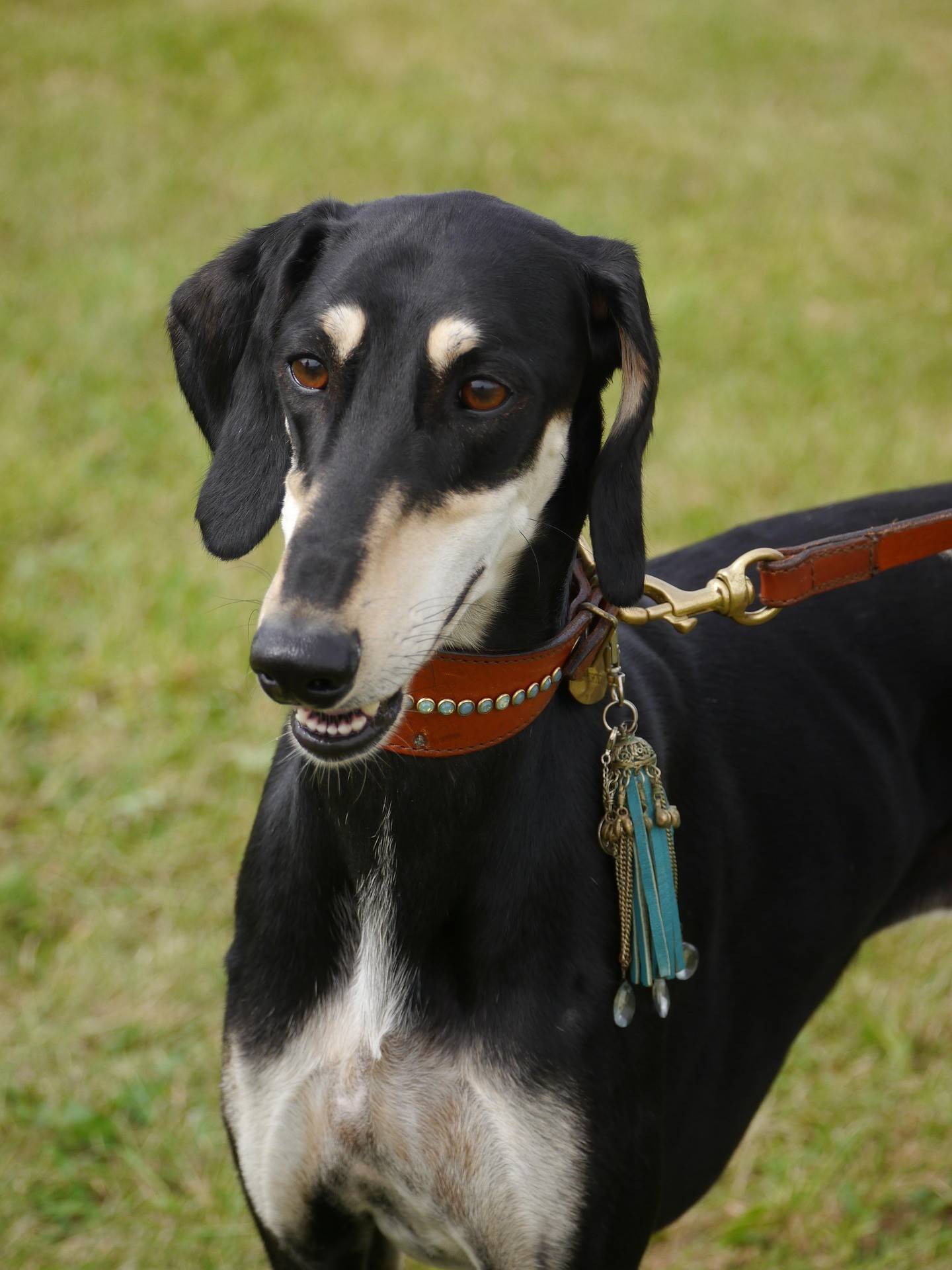
The Saluki was a quick and agile hunter used to catch gazelles and hares. It was even part of several works of art, such as artifacts and pottery. Unlike other dog breeds, the Salukis were considered sacred, with some mummified along with their owners in ancient Egypt.
Over time, their agility and endurance made them valuable not just for hunting but also in modern canine sports. Despite their long history, the breed's graceful appearance and agile movements made it one of the most unique breeds in the world.
Physical Characteristics of Saluki
Head
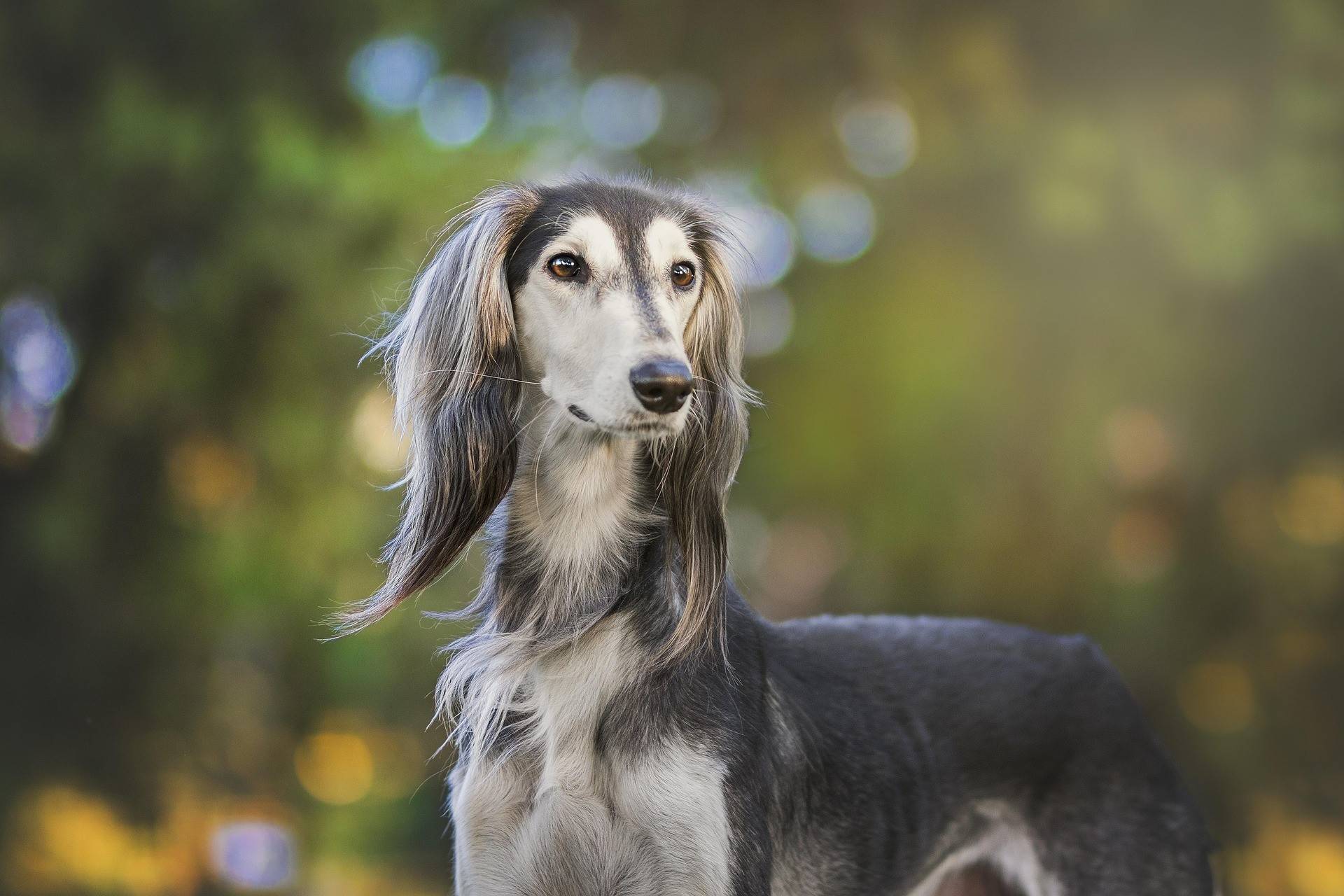
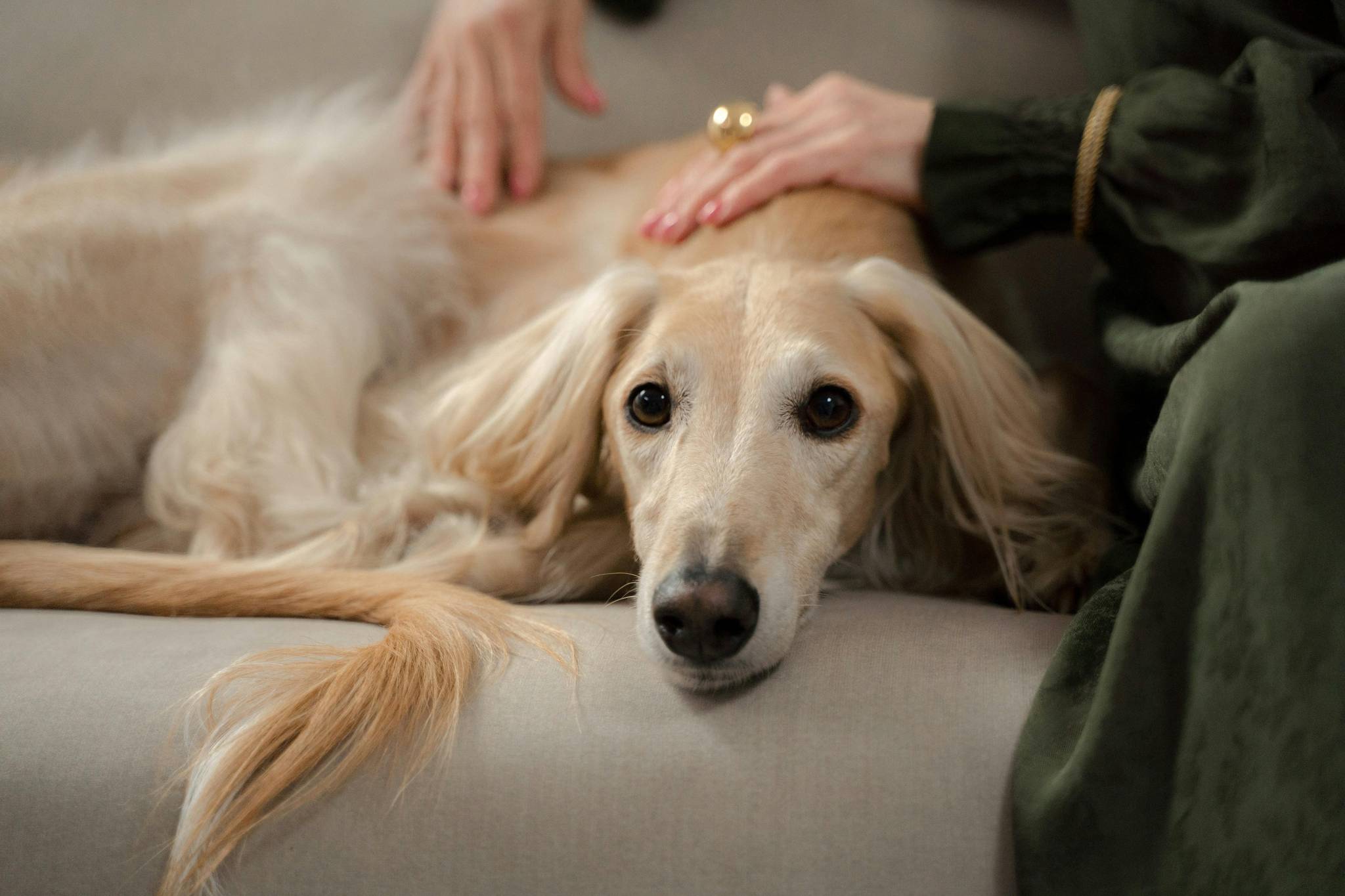
The Saluki has a long, narrow head and a refined, tapering muzzle. The nose is black or liver-colored.
Eyes
They have large, oval-shaped eyes that give a distinctive, intelligent expression. Their eye color ranges from dark brown to hazel.
Ears
Salukis have long, feathered ears that hang close to the head. The silky, flowing hair on their ears adds to their graceful appearance.
Body
These dogs have a slender, athletic body built for speed and endurance. They have a deep chest as well as a narrow waist and tucked-up abdomen.
Limbs
They have long, straight legs with elongated and well-arched feet.
Tail
The tail is long, curved, and carried low with silky feathering on the underside.
Coat
Salukis have a short, smooth coat with longer fur on the ears, tail, and legs in most varieties. Coat colors include cream, fawn, red, black & tan, grizzle, and tricolor.
Size
Male Salukis are 58-71 cm (23-28 inches) tall, while females are 56-68 cm (22-27 inches) tall.
Weight
Male Salukis weigh 20-30 kg (40-65 lb), while females weigh 16-20 kg (35-45 lb).
Just welcomed a Saluki?
What to Expect With a Saluki
Vocalization Level
Salukis are rarely vocal, and they communicate through body language as they prefer to be calm and composed. Their minimal vocalizations are used to interact with their pet parents.
Energy Level
Salukis are independent by nature and are comfortable spending some alone time. They can still bond deeply with their owners when they're around.
Independence Level
Salukis are independent by nature and are comfortable spending some alone time. They can bond deeply with their owners, but they’re not overly demanding about it.
Affection Level
They are affectionate with their families on their own terms. They enjoy spending time with their families. Even so, they don't actively seek out owners.
Compatibility with Children
Salukis are not the best pets for families with young children because they prefer calm and quiet environments. They can be aloof or avoid playing with kids, and can be sensitive to rough handling and loud noises.
Compatibility with Other Pets
They prefer to be alone, and they don’t do well living with small pets because of their strong prey drive. They can easily live with other dogs if they are introduced and socialized early on.
Adaptability Level
These dogs can adapt well to new changes around the house or in a new place. They will need time and gentle care during this period.
Trainability Level
Because they are independent, training will be challenging. They do respond well to positive reinforcement and consistency, but even this can prove to be difficult.
Exercise Requirements
They need to engage in physical activity every day to stay happy and healthy. Activities like long walks, jogging, and running are beneficial for Salukis.
Mental Stimulation Needs
Salukis have high intelligence and energy, which means they need to be regularly mentally engaged in addition to their physical exercise. Dog sports, training sessions, games, and puzzles are good ideas.
Grooming Frequency
These dogs don't need regular brushing, just a bath every few months or so. However, those with longer hair will need more frequent brushing and bathing.
Health Concerns of Saluki

How to Groom a Saluki
Coat Maintenance
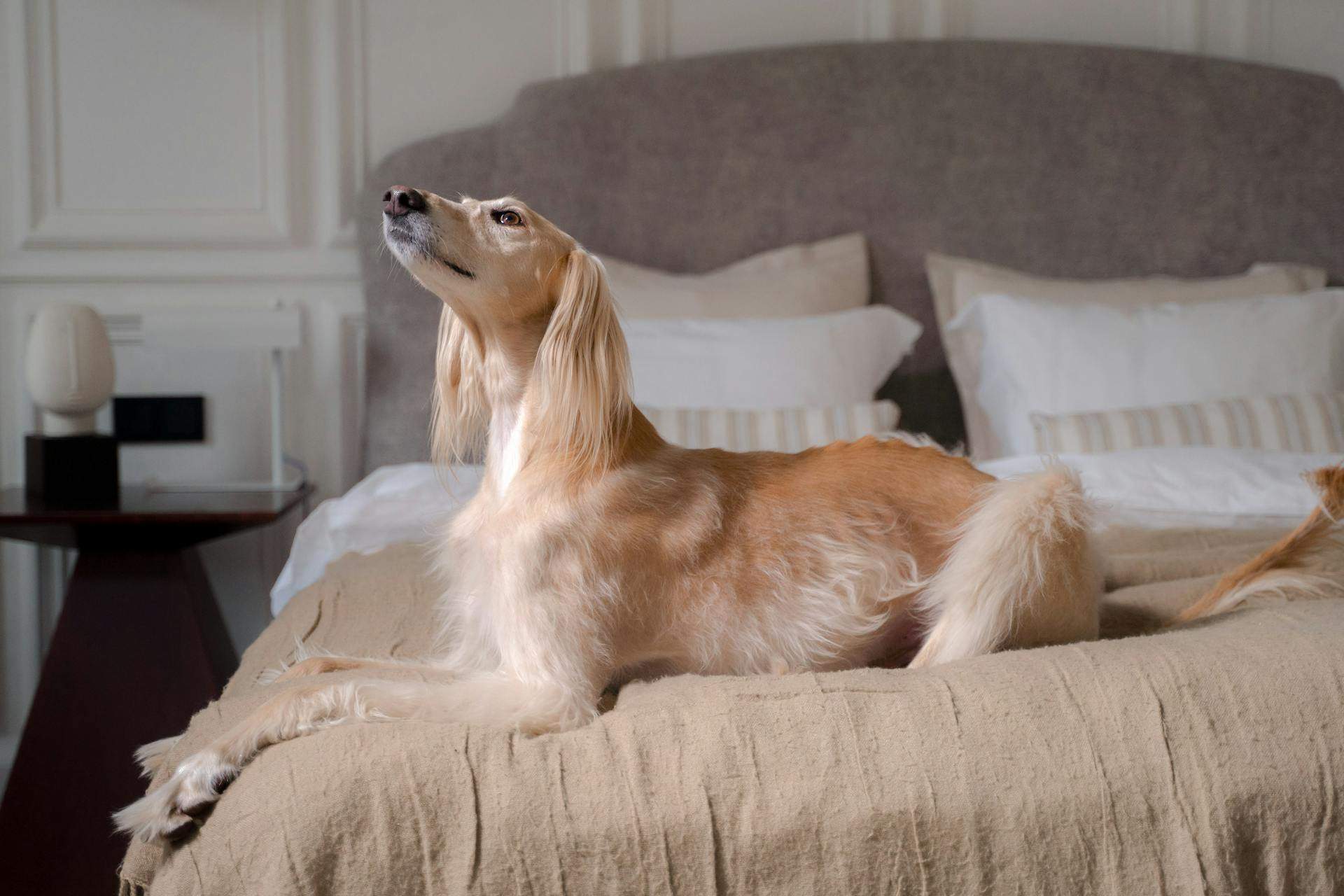
Salukis come in feathered and smooth coats. Feathered Salukis need regular brushing 2 to 3 times a week, especially in the legs, tail, and ears. Smooth-coated Salukis will require brushing just once a week.
Skin Health
Their skin can be prone to dryness due to its sensitivity. Only use gentle shampoos and avoid using harsh grooming products. Using gentle moisturizers can help support skin health.
Bathing Routine
Bathing them every three to six weeks is usually enough. Too much too often can damage the sensitive skin. Using a gentle hypoallergenic shampoo and a light conditioner can keep them clean and healthy. Dry them thoroughly.
Nail Trimming
Saluki nails must be cut every three to four weeks. Since they are active, their nails usually wear down naturally. Use dog nail clippers properly and be cautious with cutting the quick to prevent injury and discomfort.
Ear Cleaning
Check and clean ears every one to two weeks, especially for feathered Salukis. Use a vet-approved ear cleaner and clean cotton balls. Drop a bit of solution, massage the base, and wipe the debris.
Eye Care
When it comes to eye care, Salukis don't need a whole lot. Just make sure to check their eyes once a week. If you notice any discharge or debris, wipe it off with a soft, damp cloth.
Dental Hygiene
Dental health is important for all types of dogs, so we recommend a routine of two to three times a week. Use a specific toothpaste and toothbrush meant for dogs. Dental chews can also be a great addition.