Pet Heart Health
ECG Diagnostics
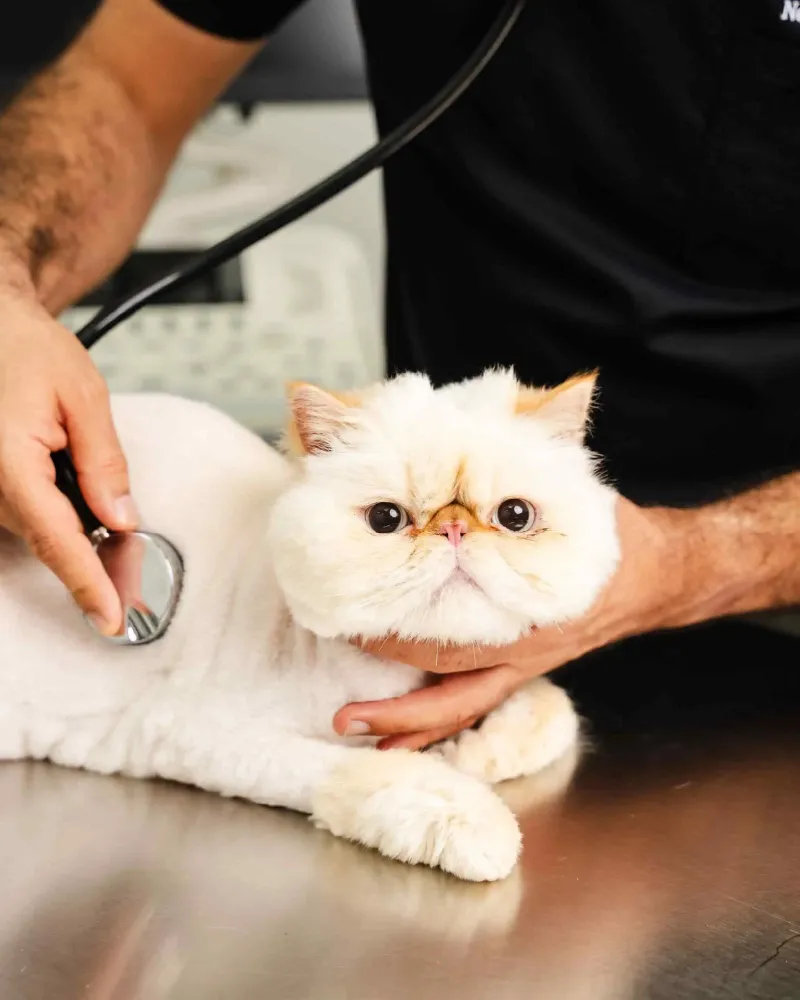
A quick, non-invasive test that records your pet’s heart rhythm and electrical activity. ECG helps us detect arrhythmias and other heart issues early, often before symptoms appear.
or call us on
Pet Heart Health
ECG Diagnostics
A quick, non-invasive test that records your pet’s heart rhythm and electrical activity. ECG helps us detect arrhythmias and other heart issues early, often before symptoms appear.
or call us on
Pet Heart Health
ECG Diagnostics
A quick, non-invasive test that records your pet’s heart rhythm and electrical activity. ECG helps us detect arrhythmias and other heart issues early, often before symptoms appear.
or call us on
Why would your pet need an ECG?
Why would your pet need an ECG?
Some heart conditions don’t show symptoms until they’ve progressed. If your pet faints, collapses, or shows signs like irregular heartbeat or lethargy, our vets may recommend an ECG to investigate. It’s a simple but powerful tool that helps catch problems early, when treatment is most effective.
ECG testing is also used when we detect a murmur, hear abnormal heart sounds, or need to assess heart health before surgery. It allows us to understand how your pet’s heart is functioning in real time. With accurate diagnosis, we can take fast, targeted steps to support your pet’s health.
Some heart conditions don’t show symptoms until they’ve progressed. If your pet faints, collapses, or shows signs like irregular heartbeat or lethargy, our vets may recommend an ECG to investigate. It’s a simple but powerful tool that helps catch problems early, when treatment is most effective.
ECG testing is also used when we detect a murmur, hear abnormal heart sounds, or need to assess heart health before surgery. It allows us to understand how your pet’s heart is functioning in real time. With accurate diagnosis, we can take fast, targeted steps to support your pet’s health.
What are the benefits of ECG?
What are the benefits of ECG?
Early heart detection
Early heart detection
We can identify electrical abnormalities before they cause major symptoms, helping us act before conditions worsen.
Painless and stress-free
Painless and stress-free
The test is non-invasive, quick, and doesn’t require sedation or recovery. Most pets stay calm throughout.
Helps explain fainting or collapse
Helps explain fainting or collapse
If your pet has episodes of weakness or collapse, an ECG helps pinpoint whether the cause is heart-related.
Useful before surgery
Useful before surgery
An ECG ensures your pet's heart is stable enough for anesthesia, especially for seniors or pets with existing conditions.
Enables personalized care
Enables personalized care
Results help us guide medication, long-term monitoring, or additional diagnostics based on your pet’s needs.
Safe for all life stages
Safe for all life stages
Whether your pet is young, aging, or managing a chronic illness, ECG is a low-risk way to check heart function.
When is an ECG typically needed?
When is an ECG typically needed?
Your vet may recommend an ECG if your pet shows:
Your vet may recommend an ECG if your pet shows:
Fainting, weakness, or sudden collapse
Fainting, weakness, or sudden collapse
Irregular or rapid heartbeat
Irregular or rapid heartbeat
Unexplained coughing or tiredness
Unexplained coughing or tiredness
Heart murmurs or abnormal lung sounds
Heart murmurs or abnormal lung sounds
Pre-surgery evaluation or long-term condition monitoring
Pre-surgery evaluation or long-term condition monitoring
In many cases, ECG is part of a broader diagnostic plan that may include X-rays, bloodwork, or ultrasound.
In many cases, ECG is part of a broader diagnostic plan that may include X-rays, bloodwork, or ultrasound.
What happens during an ECG test?
What happens during an ECG test?
01
Simple setup
Your pet lies calmly while electrodes are gently placed on their limbs. In some cases, light shaving or alcohol may be used to improve contact.
01
Simple setup
Your pet lies calmly while electrodes are gently placed on their limbs. In some cases, light shaving or alcohol may be used to improve contact.
02
Short recording
We record your pet’s heart activity for several minutes to identify any irregular patterns or rhythm changes.
02
Short recording
We record your pet’s heart activity for several minutes to identify any irregular patterns or rhythm changes.
03
Expert interpretation
Our vets review the data alongside physical findings and other tests to confirm diagnosis and next steps.
03
Expert interpretation
Our vets review the data alongside physical findings and other tests to confirm diagnosis and next steps.
The technology behind your pet’s ECG
The technology behind your pet’s ECG
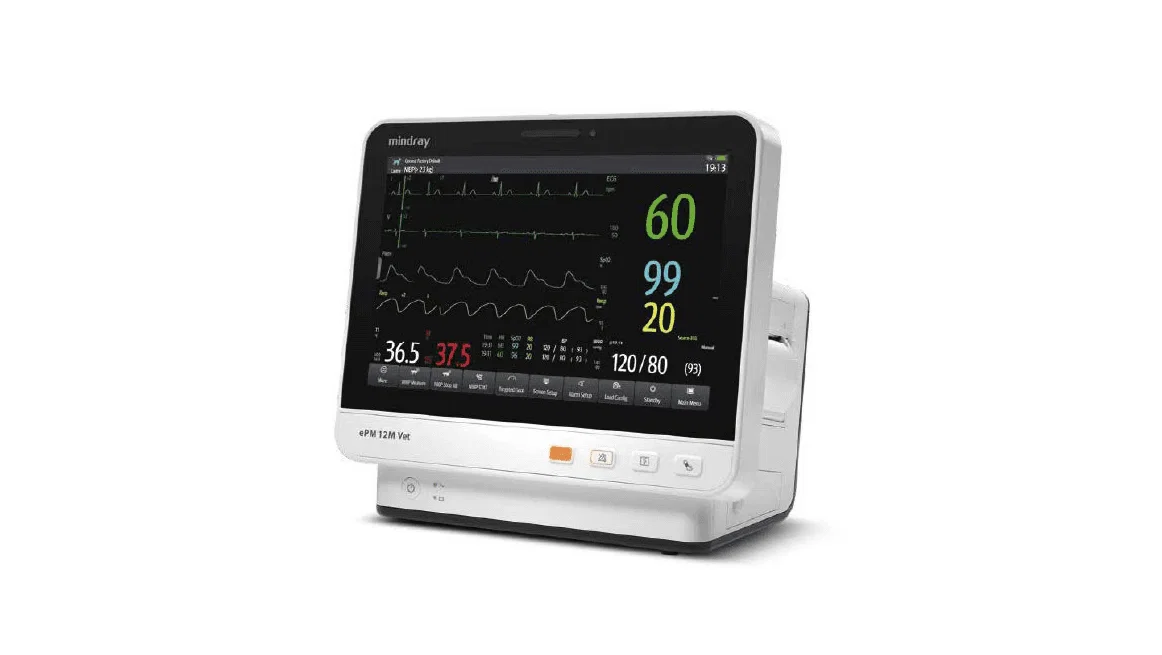
We use the Mindray ePM 12M Vet, a veterinary-grade monitor designed specifically for animals. It helps us get clear, accurate readings of your pet’s heart, quickly and gently. This machine tracks your pet’s heart rhythm, breathing, blood pressure, and oxygen levels all at once.
It’s fast to set up, safe for all sizes and breeds, and helps us act quickly if anything looks unusual. Because it’s designed for pets, it works even when they move slightly or feel a little nervous, making the process smoother and more comfortable for everyone.
Worried about your pet’s heart health?
Talk to our team and we’ll guide you on whether an ECG is needed.
Worried about your pet’s heart health?
Talk to our team and we’ll guide you on whether an ECG is needed.
Worried about your pet’s heart health?
Talk to our team and we’ll guide you on whether an ECG is needed.
Everything You Need to Know
Frequently Asked Questions
Does my pet need an ECG, or is it only for heart disease?
An ECG isn't just for known heart disease. Our vets may recommend it if your pet shows signs like fainting, coughing, irregular heartbeat, or weakness.
Will my pet be awake during the ECG?
Yes. Most pets stay awake and calm during the test. No anesthesia is needed unless your pet is extremely anxious or uncooperative.
How long does an ECG take?
The procedure typically takes 5 to 10 minutes, and results are often available during the same visit.
Can ECG detect all heart problems?
ECG detects electrical issues like arrhythmias, but not structural problems. If needed, we may recommend an echocardiogram or X-ray for a full cardiac picture.
Is the test stressful or painful for my pet?
Not at all. It’s a quiet, gentle procedure, and most pets tolerate it well with minimal restraint.
Will I get a copy of the results?
Yes. We’ll explain the findings and can provide a printed or digital report if you'd like to keep it or share it with another vet.
Everything You Need to Know
Frequently Asked Questions
Does my pet need an ECG, or is it only for heart disease?
An ECG isn't just for known heart disease. Our vets may recommend it if your pet shows signs like fainting, coughing, irregular heartbeat, or weakness.
Will my pet be awake during the ECG?
Yes. Most pets stay awake and calm during the test. No anesthesia is needed unless your pet is extremely anxious or uncooperative.
How long does an ECG take?
The procedure typically takes 5 to 10 minutes, and results are often available during the same visit.
Can ECG detect all heart problems?
ECG detects electrical issues like arrhythmias, but not structural problems. If needed, we may recommend an echocardiogram or X-ray for a full cardiac picture.
Is the test stressful or painful for my pet?
Not at all. It’s a quiet, gentle procedure, and most pets tolerate it well with minimal restraint.
Will I get a copy of the results?
Yes. We’ll explain the findings and can provide a printed or digital report if you'd like to keep it or share it with another vet.
Everything You Need to Know
Frequently Asked Questions
Does my pet need an ECG, or is it only for heart disease?
An ECG isn't just for known heart disease. Our vets may recommend it if your pet shows signs like fainting, coughing, irregular heartbeat, or weakness.
Will my pet be awake during the ECG?
Yes. Most pets stay awake and calm during the test. No anesthesia is needed unless your pet is extremely anxious or uncooperative.
How long does an ECG take?
The procedure typically takes 5 to 10 minutes, and results are often available during the same visit.
Can ECG detect all heart problems?
ECG detects electrical issues like arrhythmias, but not structural problems. If needed, we may recommend an echocardiogram or X-ray for a full cardiac picture.
Is the test stressful or painful for my pet?
Not at all. It’s a quiet, gentle procedure, and most pets tolerate it well with minimal restraint.
Will I get a copy of the results?
Yes. We’ll explain the findings and can provide a printed or digital report if you'd like to keep it or share it with another vet.
Everything You Need to Know
Frequently Asked Questions
Does my pet need an ECG, or is it only for heart disease?
An ECG isn't just for known heart disease. Our vets may recommend it if your pet shows signs like fainting, coughing, irregular heartbeat, or weakness.
Will my pet be awake during the ECG?
Yes. Most pets stay awake and calm during the test. No anesthesia is needed unless your pet is extremely anxious or uncooperative.
How long does an ECG take?
The procedure typically takes 5 to 10 minutes, and results are often available during the same visit.
Can ECG detect all heart problems?
ECG detects electrical issues like arrhythmias, but not structural problems. If needed, we may recommend an echocardiogram or X-ray for a full cardiac picture.
Is the test stressful or painful for my pet?
Not at all. It’s a quiet, gentle procedure, and most pets tolerate it well with minimal restraint.
Will I get a copy of the results?
Yes. We’ll explain the findings and can provide a printed or digital report if you'd like to keep it or share it with another vet.

About
Services


© 2006-2026 Noble Veterinary Clinics
A Member of ARENA Veterinary Group
About
Services
© 2006-2026 Noble Veterinary Clinics
A Member of ARENA Veterinary Group
About
Services
© 2006-2026 Noble Veterinary Clinics