Allergies in Cats: Types, Symptoms, and Treatment

Allergies in Cats: Types, Symptoms, and Treatment

Allergies in Cats: Types, Symptoms, and Treatment

Dr. Paulina Czerska

Published Date

Published Date

Feb 9, 2026

Feb 9, 2026

Custom Icon
Custom Icon
Custom Icon

Cat allergies are among the most common health concerns our pets face. While allergic reactions are not all fatal, they can affect our cats’ comfort and overall well-being.

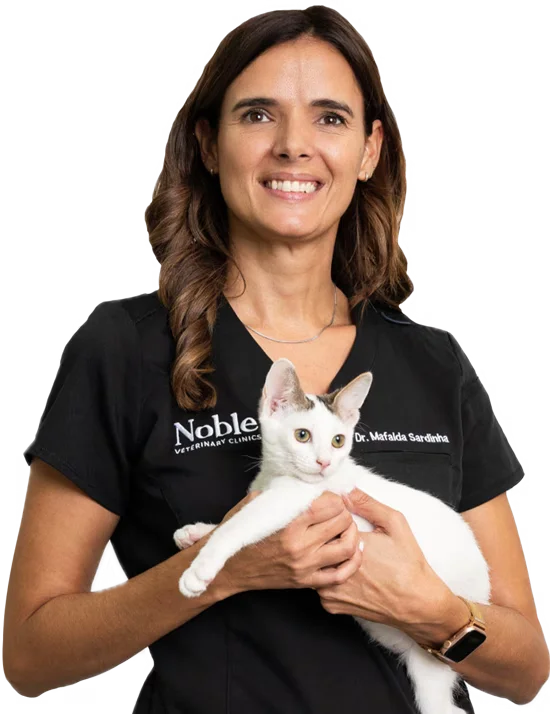
A veterinarian is holding a cat in her arms before the checkup for allergies.

These reactions happen when the cat’s immune system overreacts to an allergen, resulting in specific symptoms based on the cause. Unfortunately, allergies in cats often spring out of nowhere, while some even develop later on. 

Allergic reactions in cats can also lead to more serious skin issues and problems, such as bacterial infections. This means that protecting your cat from allergies will be a big help in taking care of its overall health.

But before we focus on what we should do, let’s learn more about what allergies are, how they start, and how they are treated. 

What Are the Common Types of Allergies in Cats?

Flea Allergy Dermatitis

Cat fleas are a troublesome pest. Flea allergy dermatitis is the most frequently diagnosed type of allergy in cats. While fleas and their bites create a standard reaction in cats, FAD happens when the cat’s body develops a hypersensitivity to proteins in flea saliva.

Even a single flea bite and a small amount of saliva can trigger an extreme immune response in sensitive cats, making this a concerning issue. 

FAD can occur in cats even if they are not highly exposed to fleas. In affected cats, the immune system reacts disproportionately to the allergen. When these are not given sufficient care, the resulting skin irritation worsens. 

This creates another problem, secondary infections. When the skin condition worsens, bacteria and fungi can begin to grow in these optimal conditions, leading to further skin problems in cats

It’s important to be cautious year-round, especially during the warmer months. 

Food Allergies

Food allergies in cats come from an immune response to specific proteins and ingredients included in what your cat eats. These allergies are not the same as food intolerances. Cats can develop specific food allergies at any stage in their lives, even to foods they have consumed for years.

Some of the common triggers include ingredients such as beef, chicken, eggs, dairy, and grains. Even fillers and artificial additives in cat food can cause an allergic reaction. 

Environmental Allergies

Environmental allergies occur when a cat’s immune system reacts to allergens in its environment, which can be at home or outside. These allergies may be seasonal or year-round. These include dust mites, mold spores, and pollen.

Contact Allergies

Although less common than other types, contact allergies arise when a cat’s skin comes into direct contact with an irritating substance. Unlike environmental allergies, which are usually airborne, contact allergies require direct skin contact with the allergen.

For cats, some observed contact allergens include fabrics, shampoos, and bowls. Basically, anything your cat touches can be a contact allergen if your cat is allergic to it. These allergies cause localized reactions, depending on where they hit.

Can My Indoor Cat Have Allergies?

Yes, even cats who stay indoors can have allergic reactions to specific allergens. Even though they’re not exposed to outdoor causes, they are still exposed to dust mites, mold spores, household cleaners, smoke, strong air fresheners, food allergens, and many other triggers indoors. 

Cat Allergy Symptoms

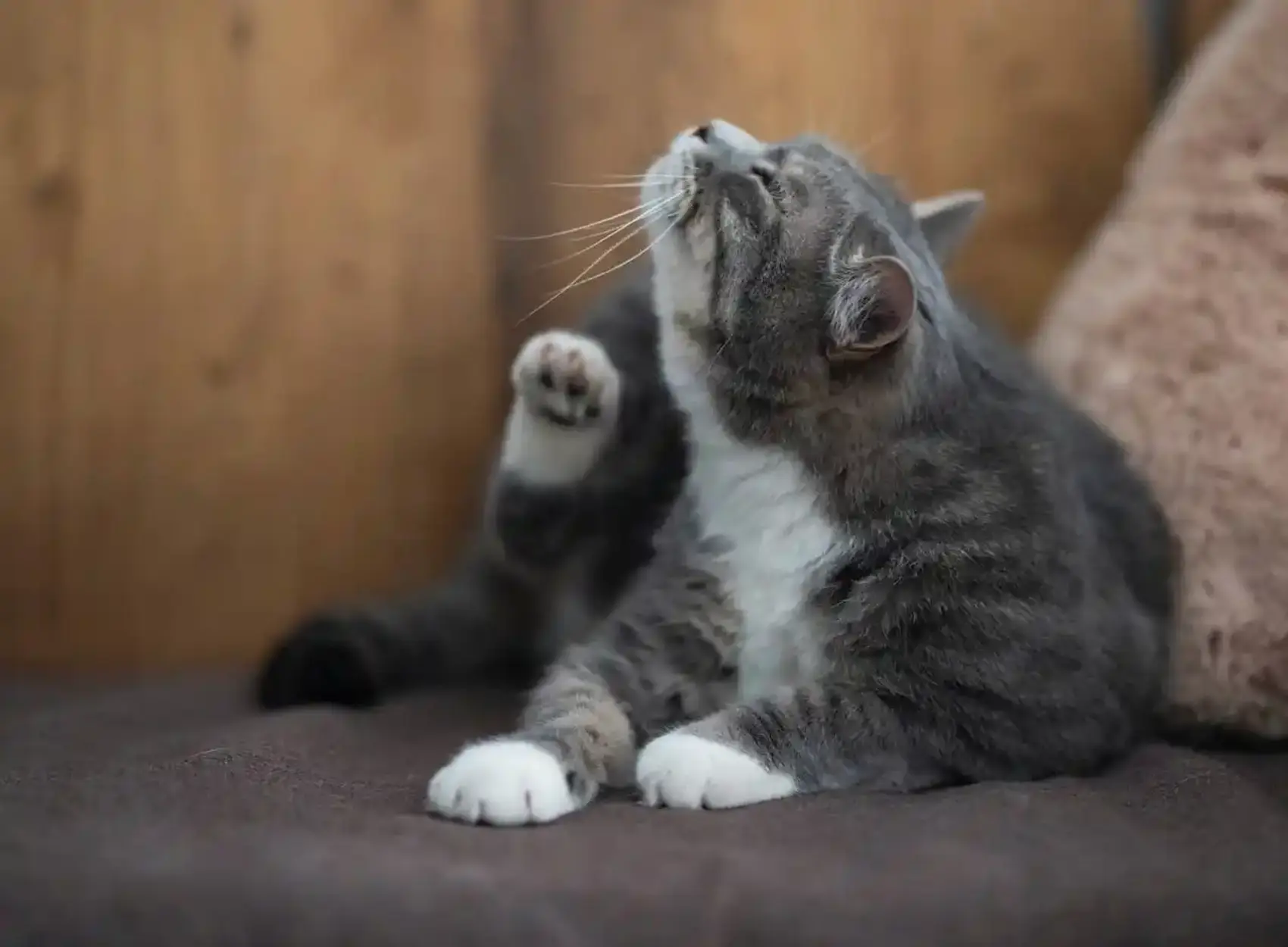
Two veterinarians are checking a gray cat's allergies.

The different types of allergies in cats often present similar symptoms, including: 

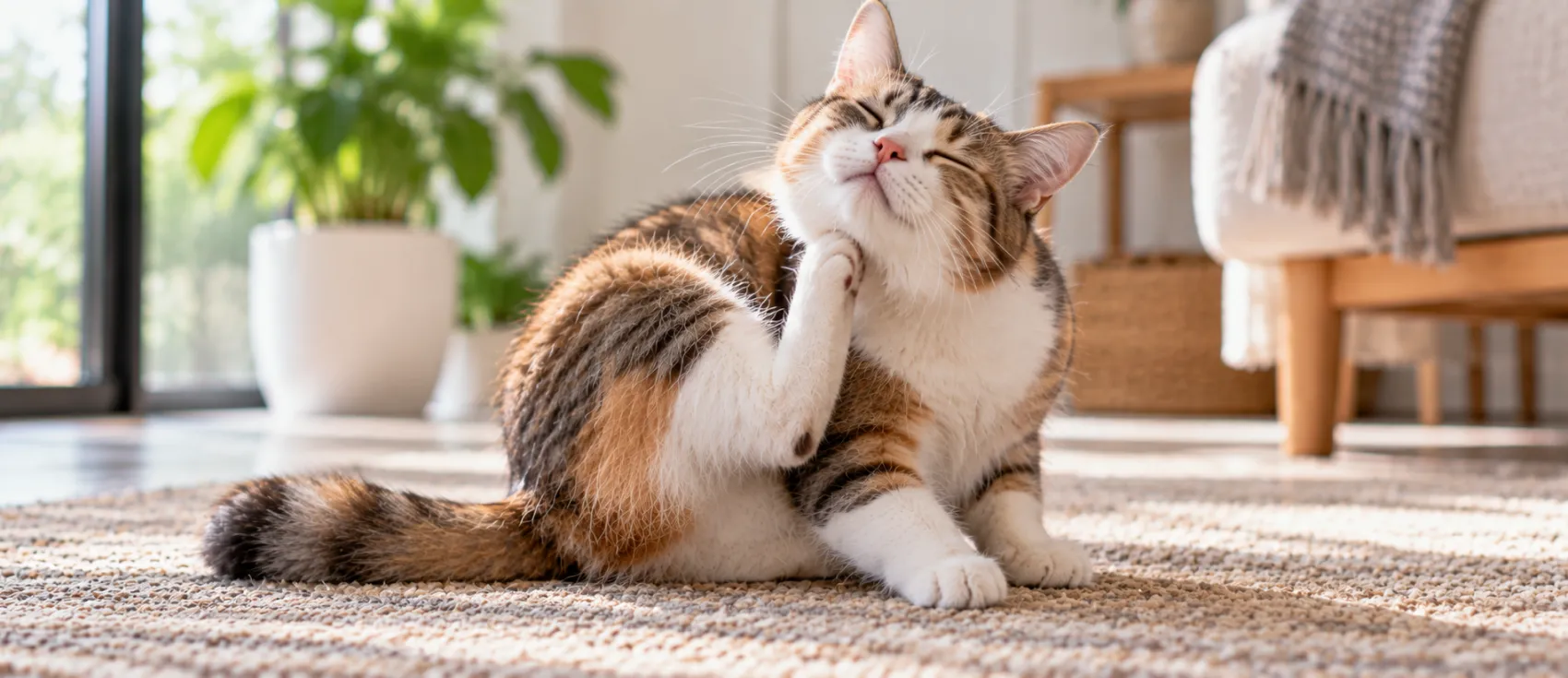
  • Excessive Scratching and Itching. These are common signs of irritation, often localized around the neck, base of the tail, and head. 

  • Redness and Inflammation. Your cat’s skin may appear red and inflamed, especially when dealing with flea bites. 

  • Hair Loss. Patches of hair loss can result from overgrooming, which can be caused by biting, scratching, or chewing. 

  • Respiratory Symptoms. These include sneezing, coughing, nasal or eye discharge, and breathing difficulties. 

  • Digestive Issues. Cats with food allergies may experience gastrointestinal symptoms such as vomiting, diarrhea, and gas. 

  • Behavioral Changes. Because of the constant irritation, cats may become irritable, aggressive, withdrawn, and uncomfortable. 

  • Secondary Infections. In some cases, cats may develop secondary infections because of the broken skin from overgrooming. 

Is your cat itching from allergies?

Is your cat itching from allergies?

Let our experts help.

Let our experts help.

How Do Vets Diagnose Allergies in Cats?

Our pet allergists begin with a thorough review of your cat’s symptoms and medical history. Your input on the behaviors and symptoms you noticed at home will be a big help during this step. From here, we can proceed to the following tests based on our initial assumptions. 

  • Initial Tests. This may include skin scrapings for mites, flea combing, and skin cytology. 

  • Intradermal Allergy Test. In this test, we inject a small amount of allergens into your cat's shaven skin after sedation. If there are any reactions, then this confirms the allergy. 

  • Serum Allergy Test. This blood test measures IgE antibody levels that rise when your cat's immune system responds to specific substances it is allergic to. 

  • Elimination Diet Trial. For food allergies, we use a special diet using novel or hydrolyzed protein over an 8-12-week period.

How to Treat Allergies in Cats?

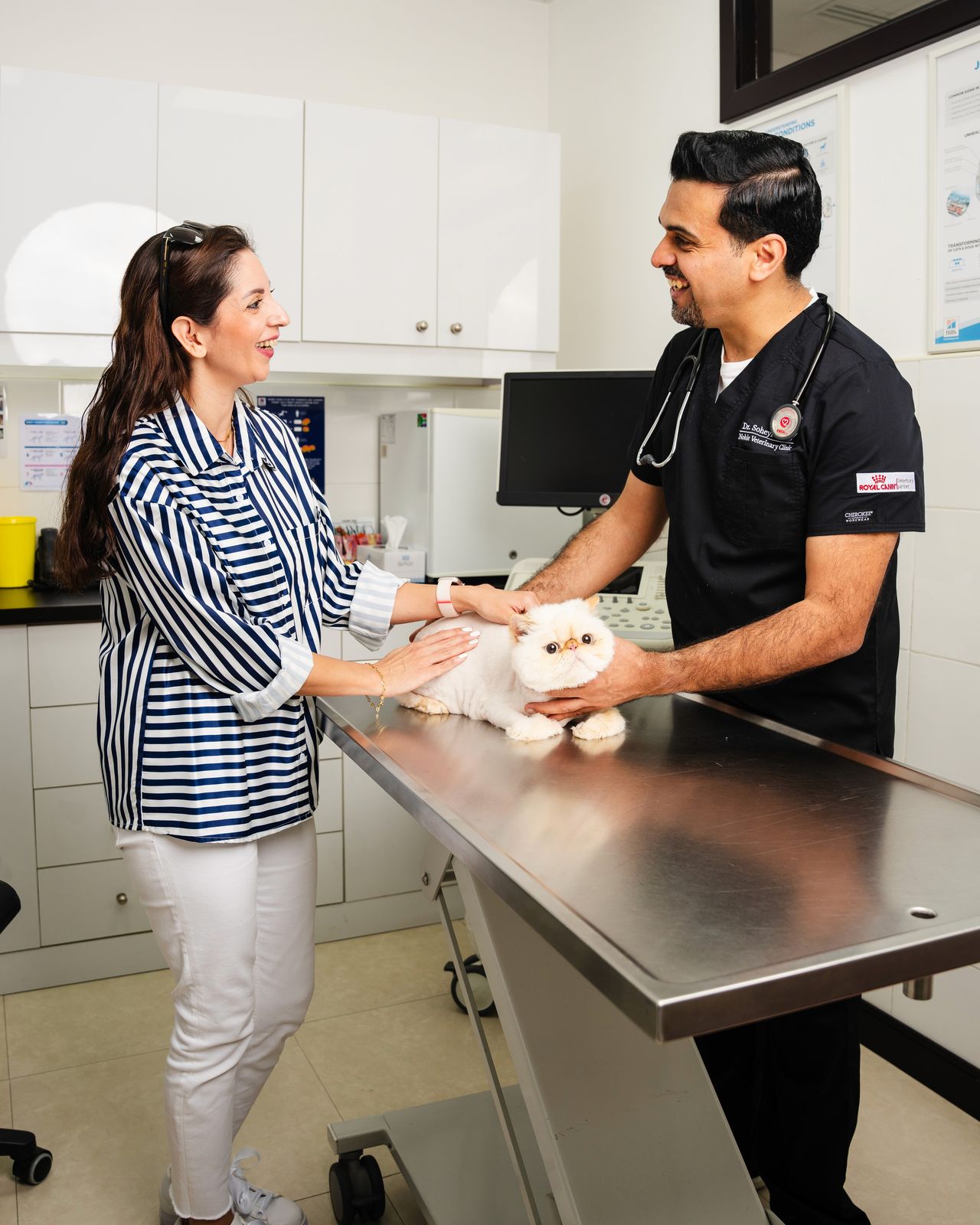
A veterinarian is petting a white cat on a metal table before the treatment for its allergies.

The primary treatment step for allergies in cats depends on the type of allergy diagnosed. Here are the treatment options we generally use:

Flea Allergies

To relieve the symptoms, antihistamines and corticosteroids will be used. Flea medications will be used to eliminate the fleas from your cat. These have topical liquid or oral forms, depending on which suits your cat’s condition. Flea collars are a great preventive measure. 

Food Allergies

Food allergies in cats will be treated with the same method as diagnosing them. Once we suspect that a food allergy is the cause, we’ll continue the trial and create a hypoallergenic diet for your cat. 

Supplements and medications will also be included to manage diarrhea, nausea, and other conditions.

Environmental Allergies

Immunotherapy, or allergy shots, is the main cat allergy medication for environmental allergies. The shots help your cat’s body develop tolerance to the allergen, reducing the severity of symptoms. To support recovery, we may prescribe antihistamines or corticosteroids when needed. 

We also recommend keeping your cat away from the allergens to improve their condition. Take steps to clean your house, especially the areas where your cat stays. Plus, it’s also good to regularly clean your cat’s bedding, pillows, and other belongings. 

Contact Allergies

The main option is to remove the contact allergen entirely. You can also make use of hypoallergenic shampoos, gentle products, and soothing ointments to help your cat’s skin recover. 

What Can I Give My Cat for Allergies?

While you can give over-the-counter antihistamines for your cat’s allergies, we recommend having your cat checked first. This ensures your cat can take the medicine safely, with no complications. 

Does Bathing a Cat Help With Allergies?

Yes, bathing your cat can help them with skin allergies. Medicated and gentle shampoos can remove allergens, soothe symptoms, and help repair the skin. These are especially useful for cats with environmental or flea allergies. Just don’t overbathe them, as this can be counterproductive. 

Vet Tips: How to Prevent Allergies in Cats

How to Prevent Allergies in Cats?

Preventing your cat’s allergies is not easy, especially since they are unpredictable. However, there are several steps you can take to help.

  1. Regular Flea Treatments

Regular flea treatments can help protect your cat from fleas, giving them long-term protection until their next appointment. 

  1. Clean Your Home

Cleaning your home is always a good preventive measure. Focus on your cat’s belongings and the areas they frequently stay in. 

  1. Groom Your Cat Regularly

Grooming your cat helps keep dust, dirt, and other allergens from sticking to the fur. We recommend brushing twice or thrice a week for short-haired breeds and daily for long-haired cats. 

If you need help, our grooming services, coupled with our on-site checkups, can help keep your cat’s skin and coat healthy.

  1. Feed a High-Quality Diet

Feeding a high-quality diet for your cat without the addition of any unnecessary fillers can help improve your cat’s health and avoid specific allergies to these ingredients. 

  1. Use Air Purifiers

An air purifier can help with cat allergies, as they improve your home’s air quality by reducing airborne allergens.

“Knowing what makes your cat itch allows you to give them peace and happiness.”

- Dr. Paulina Czerska

Final Thoughts

Allergies in cats can be challenging, but they can be easily managed with the right care and knowledge. While the diagnostic and treatment processes may take a long time, they’re helpful for making life itch-free for your cat.

Frequently Asked Questions

How can you tell if your cat has allergies?

Cats with allergies often present symptoms synonymous with irritation. These include constant scratching, hair loss, skin rashes, visible discomfort, respiratory issues, and digestive upset.

How can you tell if your cat has allergies?

Cats with allergies often present symptoms synonymous with irritation. These include constant scratching, hair loss, skin rashes, visible discomfort, respiratory issues, and digestive upset.

How can you tell if your cat has allergies?

Cats with allergies often present symptoms synonymous with irritation. These include constant scratching, hair loss, skin rashes, visible discomfort, respiratory issues, and digestive upset.

Can a cat allergy be treated?

A cat’s allergies can’t technically be treated, just managed. Using allergy shots, antihistamines, corticosteroids, and special diets are some of the ways to build tolerance and reduce symptoms.

Can a cat allergy be treated?

A cat’s allergies can’t technically be treated, just managed. Using allergy shots, antihistamines, corticosteroids, and special diets are some of the ways to build tolerance and reduce symptoms.

Can a cat allergy be treated?

A cat’s allergies can’t technically be treated, just managed. Using allergy shots, antihistamines, corticosteroids, and special diets are some of the ways to build tolerance and reduce symptoms.

Can an air purifier help with cat allergies​?

Yes, an air purifier can help with a cat’s allergies, especially if it is allergic to pollen, dust, dander, and other airborne allergens.

Can an air purifier help with cat allergies​?

Yes, an air purifier can help with a cat’s allergies, especially if it is allergic to pollen, dust, dander, and other airborne allergens.

Can an air purifier help with cat allergies​?

Yes, an air purifier can help with a cat’s allergies, especially if it is allergic to pollen, dust, dander, and other airborne allergens.

How can I reduce my cat's allergies?

You can start by regularly brushing your cat and bathing them every once in a while. Next, focus on cleaning your home weekly, especially your cat's space. We also recommend scheduling regular checkups with us.

How can I reduce my cat's allergies?

You can start by regularly brushing your cat and bathing them every once in a while. Next, focus on cleaning your home weekly, especially your cat's space. We also recommend scheduling regular checkups with us.

How can I reduce my cat's allergies?

You can start by regularly brushing your cat and bathing them every once in a while. Next, focus on cleaning your home weekly, especially your cat's space. We also recommend scheduling regular checkups with us.

Can I use human antihistamines for my cat?

Some can be used for cats, but only under the guidance of our vets. When we know these are safe for them, we can avoid potential complications.

Can I use human antihistamines for my cat?

Some can be used for cats, but only under the guidance of our vets. When we know these are safe for them, we can avoid potential complications.

Can I use human antihistamines for my cat?

Some can be used for cats, but only under the guidance of our vets. When we know these are safe for them, we can avoid potential complications.

Share

Custom Icon
Custom Icon
Custom Icon

Subscribe to Our Newsletter

Sign up for weekly pet health tips and insights from our veterinarians.

Sign up for weekly pet health tips and insights from our veterinarians.

Wellness & Emergency Care

Wellness & Emergency Care

Book Appointment

Book Appointment

Worried about your pet?

We’re here for urgent care, wellness checks, or anything in between. 

We’re here for urgent care, wellness checks, or anything in between. 

Get the best Vet care for your pet

© 2026 Noble Veterinary Clinics

© 2026 Noble Veterinary Clinics

Unique care for your best friends, because they’re family.

© 2026 Noble Veterinary Clinics

© 2026 Noble Veterinary Clinics