Can Dogs Eat Cooked Potatoes? Are Potatoes Good for Dogs​?

Can Dogs Eat Cooked Potatoes? Are Potatoes Good for Dogs​?

Can Dogs Eat Cooked Potatoes? Are Potatoes Good for Dogs​?

Dr. Nenad Misura

Published Date

Published Date

Dec 19, 2025

Dec 19, 2025

Custom Icon
Custom Icon
Custom Icon

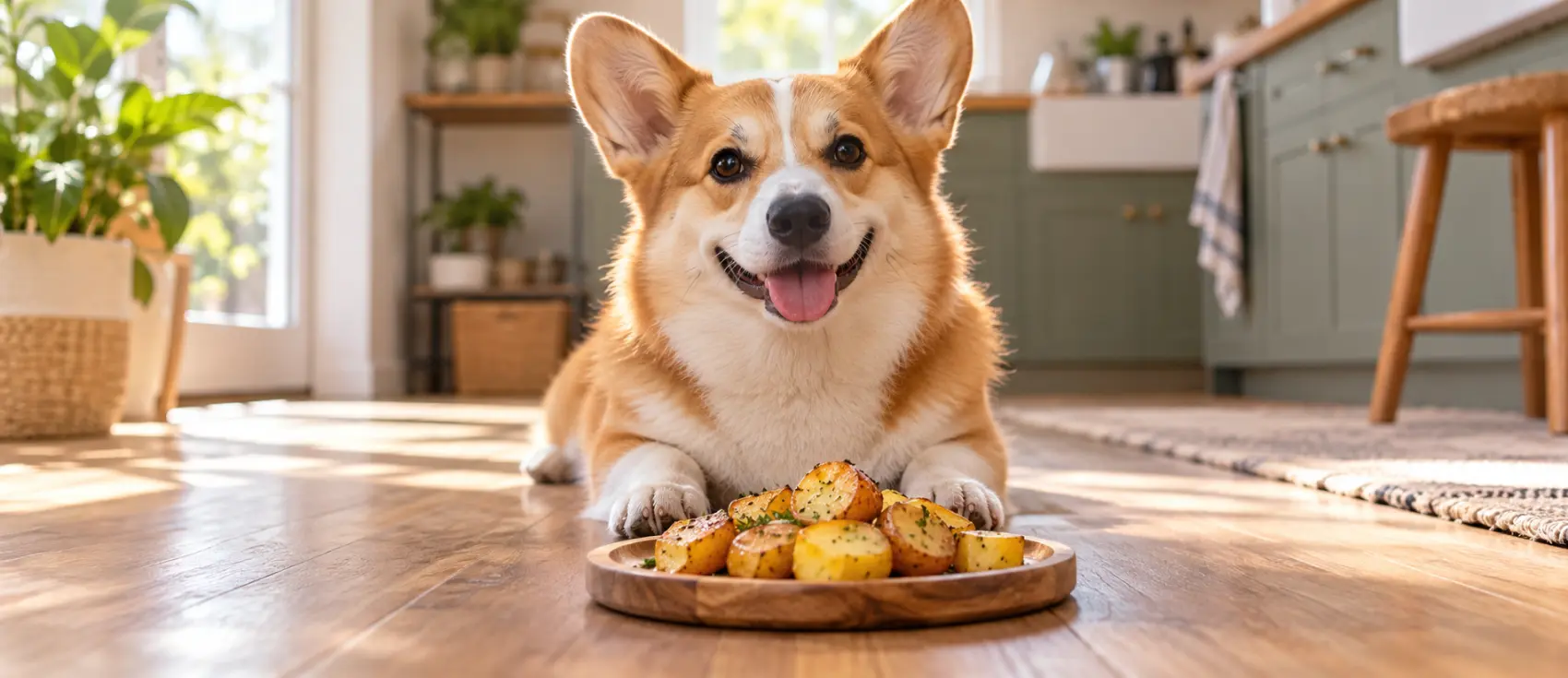
Potatoes are a staple in many households, so it’s no surprise if your dog tries to grab a bite. But when it comes to what our dogs eat, it’s always important to keep it safe. So what about potatoes? Can dogs eat cooked potatoes?
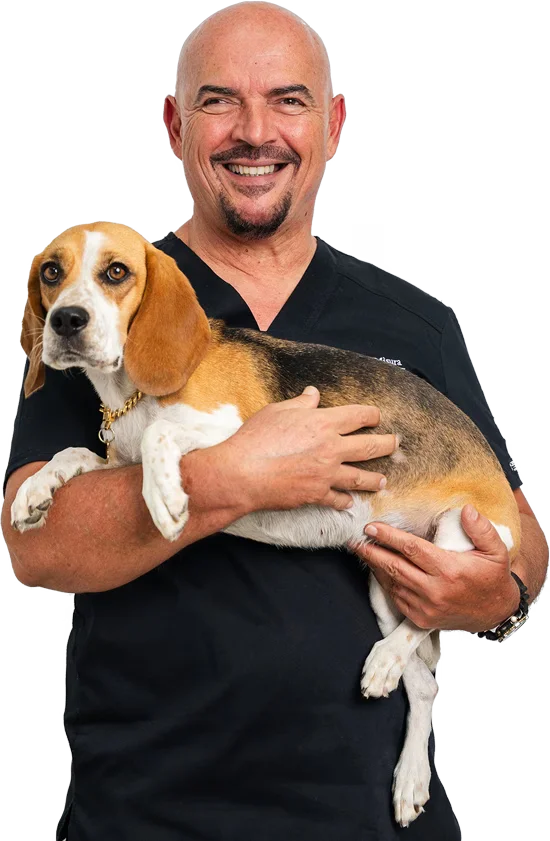
A veterinarian is holding a brown dog before a checkup at the clinic.

Essentially, yes. Dogs can eat cooked potatoes, but how they’re prepared matters a lot. Some forms of potatoes can be harmless, while others are real health risks. 

In this guide, we’ll break down the facts. We’ll discuss how cooked potatoes are safe for dogs, and when they are not. Plus, we’ll talk about the main benefits, risks, and serving tips. 

Are Potatoes Good for Dogs​?

Yes, cooked potatoes can be good for dogs, especially when they’re prepared right. Here are the benefits dogs can get:

They Provide Energy

Cooked potatoes are rich in carbohydrates, which the body breaks down into glucose for energy. For active dogs, that extra energy can be very useful, especially when they are scheduled for some outdoor activity. 

They Offer Nutrients

Plain cooked potatoes contain nutrients like potassium, magnesium, vitamin C, and iron. Even if they aren’t essential foods in their diet, they can still be beneficial for dogs. The key is to use them as additions, not the main diet. 

They Help With Digestion

When cooked until soft and served without seasoning, potatoes can be a good treat that is easy on the stomach. Many dogs may also like it, as the soft texture can be appealing. Plus, the fiber content can help dogs with digestion, as it improves bowel movement.

Is Sweet Potato Good for Dogs​?

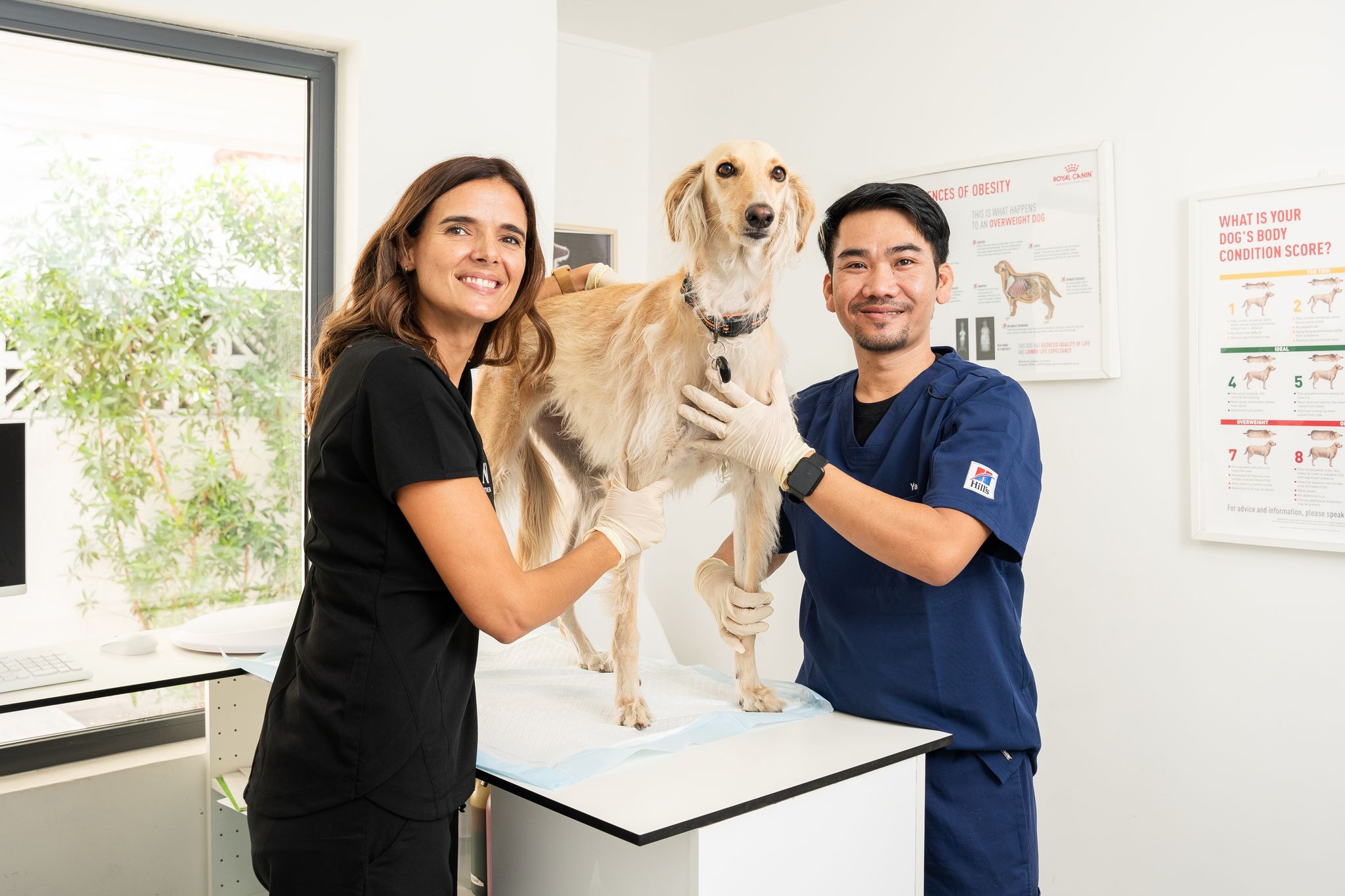
Two veterinarians are preparing a dog for a checkup by keeping it calm first.

Yes, sweet potatoes are good for dogs, especially since they offer fiber, potassium, vitamins A, B6, and C, and low fat. However, dogs can only benefit from them when they are given in moderate amounts and are prepared correctly.
Ready to know more about your dog's nutrition?

Ready to know more about your dog's nutrition?

Have a chat with our vets.

Have a chat with our vets.

When Are Potatoes Bad for Dogs?

Although they are good for dogs, there will be instances when potatoes can be a bad choice. Let’s talk about the risks.

Digestive Issues

If fed in large amounts, then potatoes can cause digestive upset in dogs. The high starch content may lead to gas, bloating, diarrhea, or even vomiting. This is especially the case in dogs with sensitive stomachs.

Blood Sugar Spikes

Potatoes have a relatively high glycemic impact, which means that they can raise a dog’s blood sugar levels after consumption. For healthy dogs, small amounts won’t hurt. However, dogs with diabetes or blood sugar problems should take extra caution. For these dogs, potatoes shouldn’t be given.

Choking or Blockages

Large chunks of potato or poorly mashed pieces can pose a choking risk, especially for small dogs or dogs that eat quickly. Undercooked pieces can also be harder to digest, which could potentially lead to digestive blockages. 

Harmful Additives

Because potatoes are versatile, they can be used to make various dishes. This is another risk to consider. Potatoes that are cooked with salt, garlic, onions, oil, and other additives are harmful to dogs and should be avoided. 

Aside from stomach upset, they can cause a lot of health issues, including severe dehydration, salt poisoning, red blood cell damage, and pancreatitis.  

Weight Gain

Because potatoes have high amounts of carbohydrates, feeding too much of them can lead to weight gain. Extra weight puts too much stress on your dog’s heart, joints, and body, which may contribute to obesity, arthritis, and heart problems.

Toxicity

Raw, green, or sprouted potatoes can contain higher levels of naturally occurring toxins such as solanine. This can be highly toxic to dogs, causing symptoms like gastrointestinal distress, lethargy, and loss of appetite. 

Vet Tips: How to Prepare Potatoes for Dogs

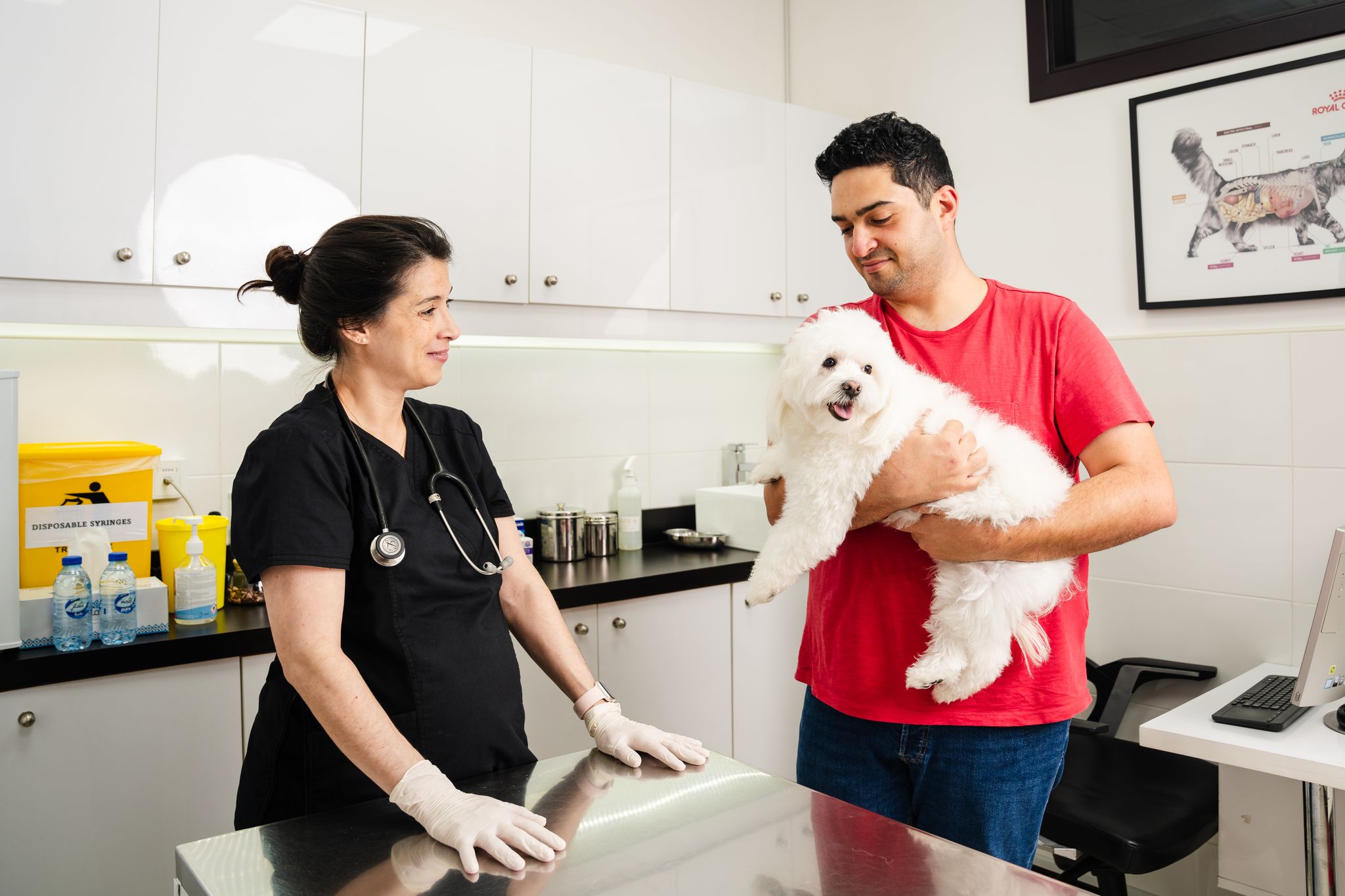
A veterinarian is sharing the best ways to prepare potatoes for dogs to a pet owner with a red shirt.

Now that we know the main benefits and risks, let’s learn about the best ways to prepare potatoes for dogs. Follow these tips: 

  1. Wash and Peel

Before cooking the potatoes, make sure to wash and peel them properly. Since the skin can have harmful pesticides, debris, or even solanine, removing it is an important step before cooking. 

  1. Cook Properly

The best options are boiled, baked, or steamed potatoes because they don’t require added fats. Cook the potato until it’s fully soft all the way through. This will make it easier for your dogs to consume and digest it.

  1. Don’t Add Seasonings

If you want potatoes to be safe for your dog, they must be plain. That means no butter, salt, pepper, gravy, cheese, sour cream, sauces, or seasoning blends. Basically, you don’t have to add anything, nor should you. 

  1. Slice or Mash

Once the potatoes are ready, it’s time to slice them into tiny pieces or mash them up. This will help your dog eat it easily, especially if they are small. The sliced or mashed potatoes can be a good meal topper.

  1. Give Tiny Portions

Always give potatoes like a treat, not a full meal. Here’s a quick guide on how much you can give:

Size of Dog

Amount of Potatoes

Small (Less than 10 kg)

2 teaspoons

Medium (11 to 25 kg)

1 tablespoon

Large (26 to 45 kg)

2 tablespoons

Giant (More than 45 kg)

3 tablespoons

  1. Serve Slowly

If your dog likes to eat fast, then be sure to serve the potatoes slowly. You can start by giving one piece at a time and checking for any reactions. If you notice any negative effects, then stop giving potatoes right away. 

“Complete dog nutrition starts with knowing what they can and can’t eat.”

- Dr. Nenad Misura

Final Thoughts

So, can dogs eat cooked potatoes? Yes, when they’re fully cooked, plain, and served moderately. These vegetables are great options as treats for your dog, but always remember that they aren’t a substitute for your best friend’s main diet.

Share

Custom Icon
Custom Icon
Custom Icon

Subscribe to Our Newsletter

Sign up for weekly pet health tips and insights from our veterinarians.

Sign up for weekly pet health tips and insights from our veterinarians.

Wellness & Emergency Care

Book Appointment

Book Appointment

Worried about your pet?

We’re here for urgent care, wellness checks, or anything in between. 

We’re here for urgent care, wellness checks, or anything in between. 

Get the best Vet care for your pet

© 2025 Noble Veterinary Clinics

Unique care for your best friends, because they’re family.

© 2025 Noble Veterinary Clinics

© 2025 Noble Veterinary Clinics