Key Takeaways
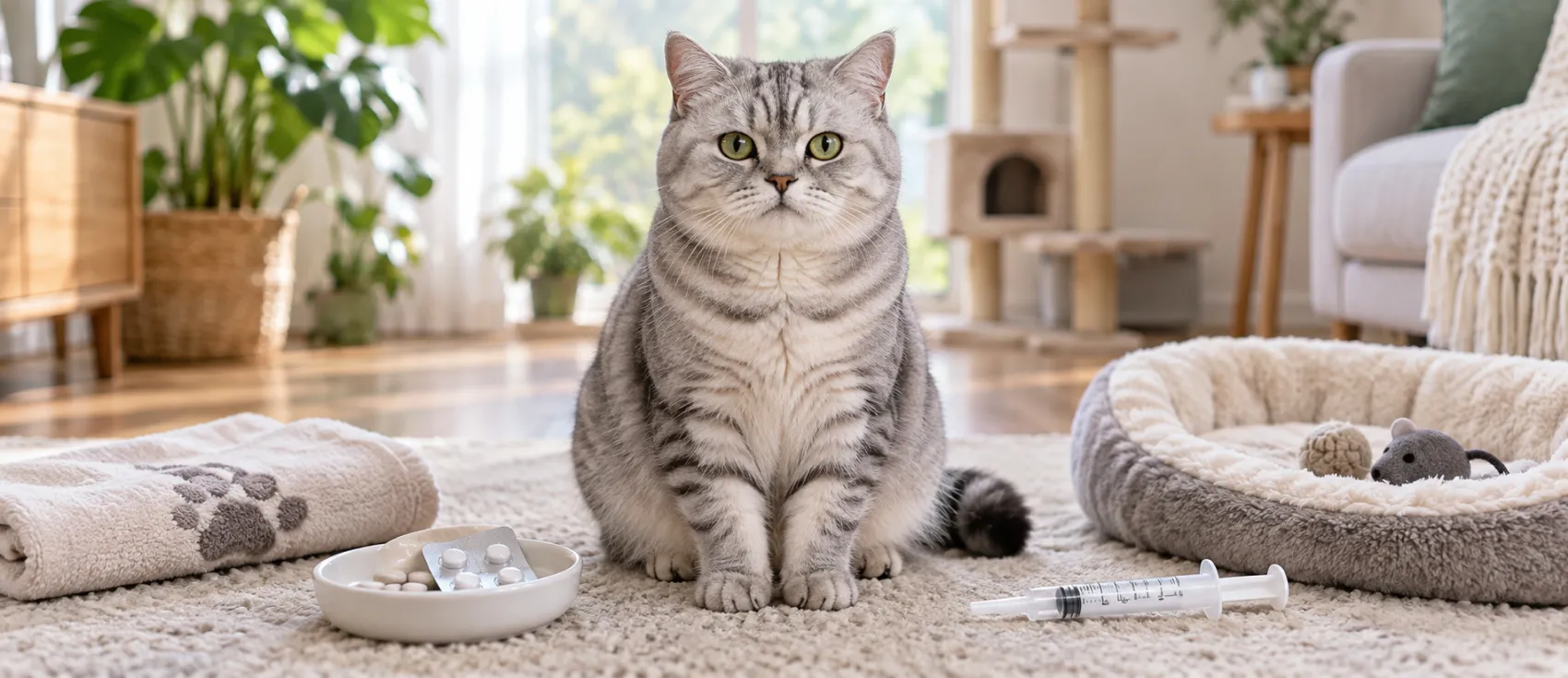
Cat deworming medication is matched to the specific parasite and your cat’s age, weight, symptoms, and health status.
The first series of deworming for kittens is done every 2 weeks from 2-3 weeks to 8-9 weeks of age.
Along with cat dewormers, it’s best to clean the litter box regularly, avoid raw diets, provide clean water, keep them indoors, schedule vet visits, and sanitize the home.
Deworming is part of a cat’s routine care and is an effective way to treat and prevent internal parasites in cats. The right dewormer will depend on your cat’s age, weight, symptoms, health status, and the specific parasite being treated.
How to Choose the Right Cat Dewormer?
Our veterinarians will help provide the appropriate deworming medication for your cat during the visit. There’s no single dewormer that treats every parasite. For example, a medicine for roundworms may not be effective against tapeworms.
It’s best to consult with us first so we can make sure they receive the right dose as well. Here are the standard treatment options for each of the common parasites our vets treat:
Parasite | Main Treatment Ingredient |
|---|---|
Roundworms | Fenbendazole and pyrantel pamoate |
Tapeworms | Praziquantel and epsiprantel |
Hookworms | Pyrantel pamoate and selamectin |
Whipworms | Fenbendazole and moxidectin |
Heartworms | N/A; Supportive care and management |
Giardia | Fenbendazole and metronidazole |
Coccidia | Sulfadimethoxine and ponazuril |
Cat deworming medications can be grouped into broad-spectrum and targeted types. Broad-spectrum dewormers treat multiple common parasites, while targeted ones treat a specific parasite.
These may also come in the form of chewable tablets, pills, liquids, pastes, and injections.
When Should My Kitten Get Dewormed?
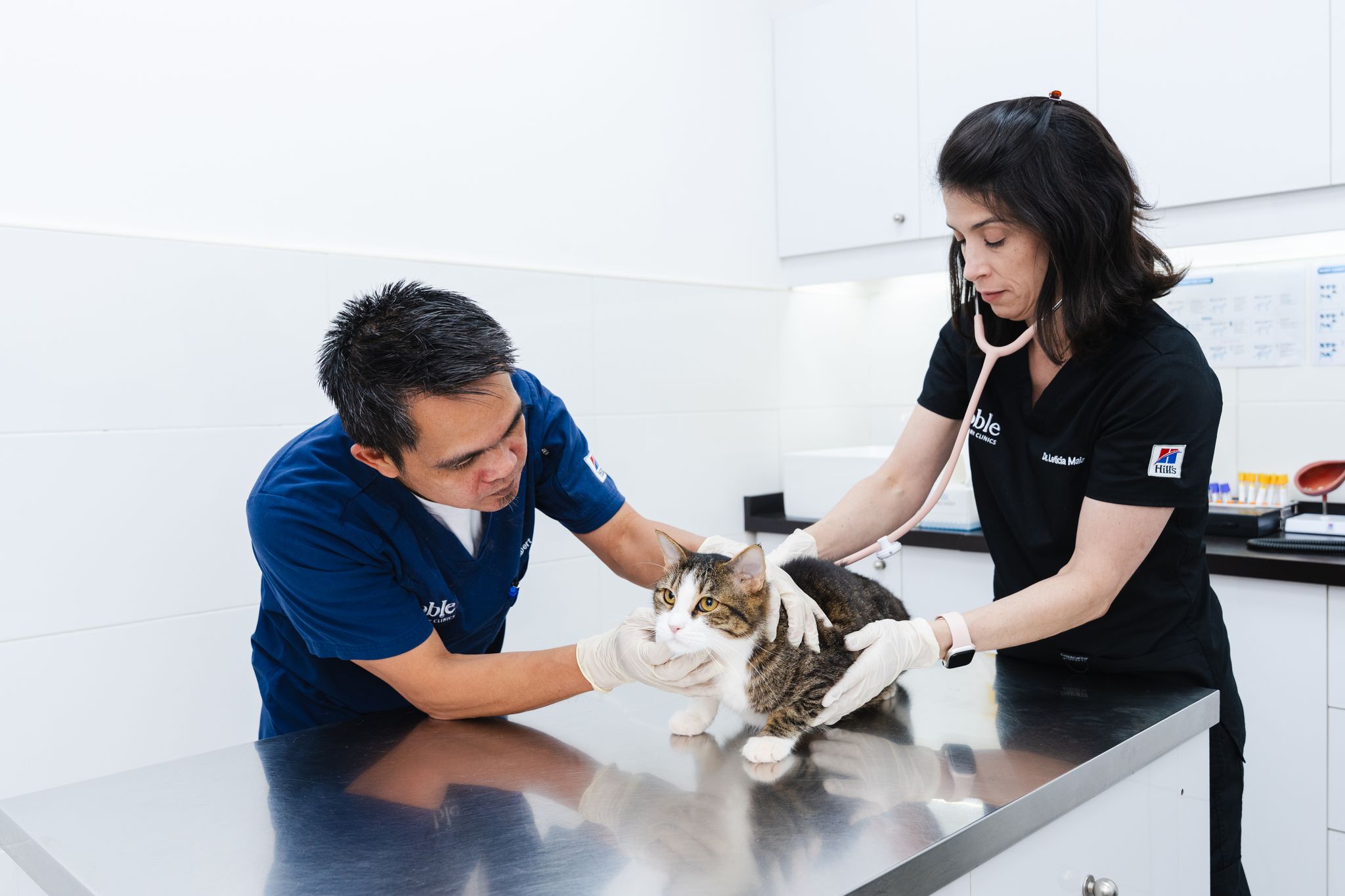
Dr. Soheyl Simaei, our head vet, recommends having your kitten dewormed as early as 2-3 weeks of age. They should receive treatment every 2 weeks until they reach 8-9 weeks of age. At this age, cat dewormers can be given monthly until they are at least 6 months old.
After 6 months, your cat may receive deworming treatments every 2-6 months, depending on their needs, health, and risk factors. We’ll provide you with an accurate schedule once we've examined your cat.
Kitten and Adult Cat Deworming Schedule
Age | Deworming Frequency |
|---|---|
2 weeks | Every 2 weeks |
8-9 weeks | Every month |
6 months | Every 2-6 months |
Why Is Veterinary Cat Deworming Important?
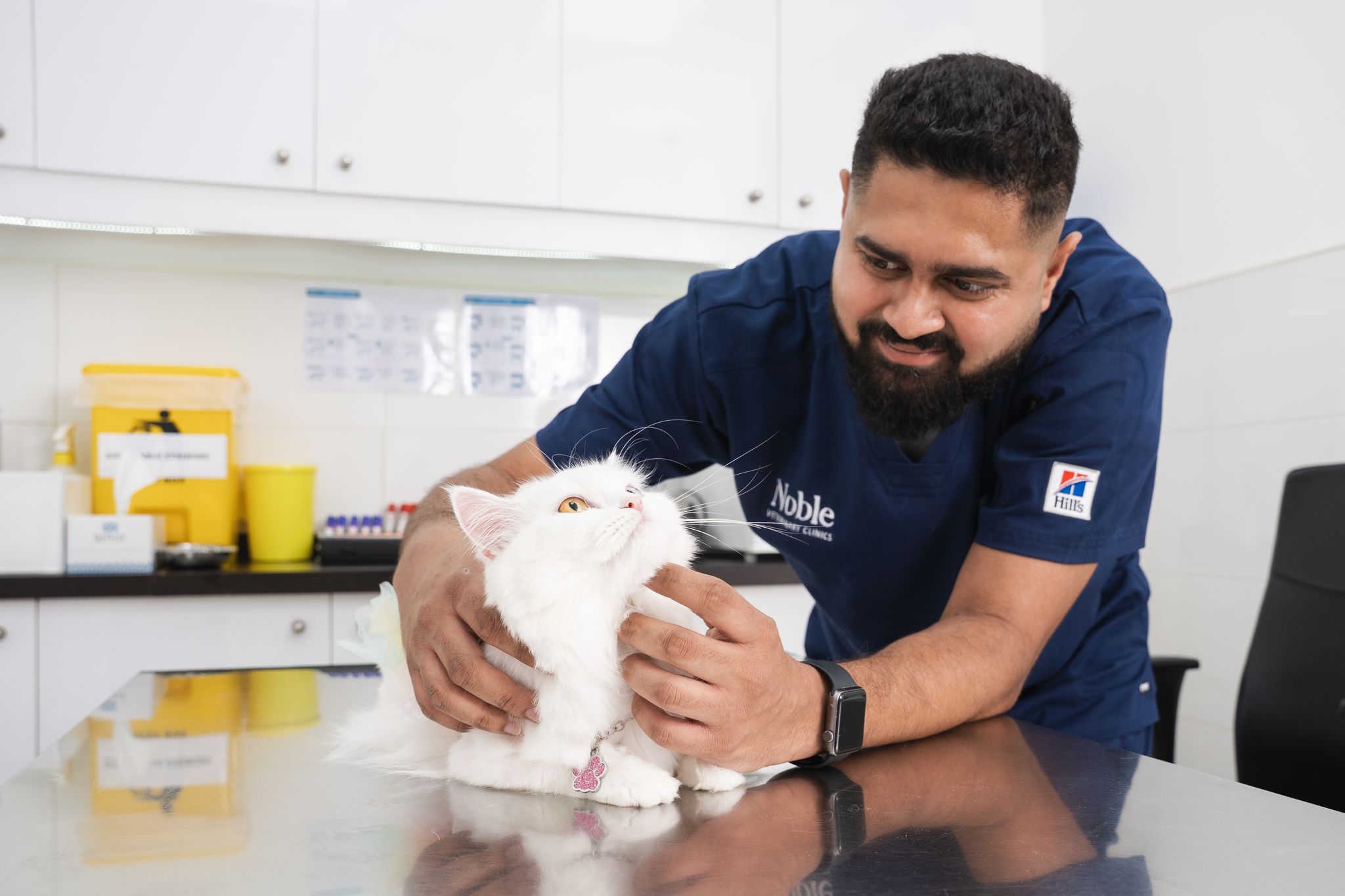
Having your cat dewormed at the clinic helps us properly assess their current health, age, weight, and the parasite involved, so we can provide the correct medication and dose. We do this through a full health exam and fecal testing.
Fecal testing may be required when a parasite is suspected. This will help us identify the parasite itself or its eggs.
The goal of the appointment is to treat the parasite, if any is present, and prevent others from harming your cat. This will prevent serious issues such as:
Intestinal blockages
Severe anemia
Malnutrition and weight loss
Gastrointestinal damage
Respiratory issues
Organ damage
This is especially essential for kittens, outdoor cats, and newly adopted cats.
Common Types of Parasites in Cats
Internal parasites and worms in cats are common problems, each with different ways to harm them. Here are the common types our vets treat in cats:
Parasite | What They Do |
|---|---|
Roundworms | These worms steal vital nutrients and may cause a pot-bellied appearance, vomiting, diarrhea, pneumonia, and life-threatening blockages. |
Tapeworms | Tapeworms also steal nutrients and cause digestive upset. A common indicator is the presence of rice-like segments on the cat’s rear or feces. |
Hookworms | They may cause gastrointestinal distress, respiratory issues, skin irritation, and even life-threatening anemia. |
Whipworms | Whipworms damage the cat’s intestinal tissue and may cause digestive distress, weight loss, bloody diarrhea, and dehydration. |
Heartworms | These parasites cause severe damage to the lungs and arteries of cats. They can also cause physical blockages that block blood flow. |
Giardia | An intestinal parasite that damages the intestinal cells, causing foul-smelling diarrhea, malabsorption, vomiting, and dehydration. |
Coccidia | Coccidia invade the lining of a cat’s intestines and cause watery or mucus-filled diarrhea, vomiting, lethargy, and abdominal pain. |
Do Cat Dewormers Have Side Effects?
In some cases, cats may experience mild side effects such as temporary vomiting, diarrhea, reduced appetite, fatigue, or stomach upset. Most will appear within 24 hours and will resolve on their own within 1-2 days.
In rare instances, severe side effects may occur, including facial swelling, hives, difficulty breathing, and neurological signs. Always monitor your cat after the visit and alert our vets if you notice any of these.

Tips to Prevent Parasites in Cats at Home
Cat deworming is the most effective measure to protect your feline friend. Still, it’s best to support it with other methods at home. Here are some recommendations from our veterinarians:
Keep the litter box clean
Scoop your cat’s litter box daily and dispose of the waste immediately. It’s good to disinfect this box regularly to significantly reduce the risk of parasites and their eggs.
Avoid raw meat or diets
While raw diets can be beneficial, they’re difficult to prepare consistently, safely, and properly. It’s best to avoid uncooked meat and organs altogether.
Provide clean drinking water
Clean water is essential for cat health. Always replace the water and wash the water bowl daily to prevent contamination.
Keep your cat indoors
Staying indoors is significantly safer than being outdoors. Outdoor cats have a higher exposure to rodents, contaminated soil, fleas, and other infected animals.
Schedule vet visits
We recommend booking regular checkups at least once a year. Our team will perform diagnostics and exams to get a clear view of your cat’s health.
Clean bedding and shared spaces
Wash your cat’s bedding every week and clean shared spaces across the house. This will effectively reduce environmental contamination, especially in multi-pet homes.
“When our cats are protected, their happiness stays secure.”
- Dr. Mafalda Sardinha
Cat deworming is a simple yet effective way to keep our cats safe from dangerous parasites that can cause serious illness. Start your kitten’s protection at 2-3 weeks of age and consistently update their preventive treatments to protect them throughout their lifetime.
Frequently Asked Questions
Subscribe to Our Newsletter
Worried about your pet?
We’re here for urgent care, wellness checks, or anything in between.