Cat Hissing: Why Do Cats Hiss and What to Do


If you’ve ever heard your cat hiss, it can be surprising, especially if it’s your first time hearing it. Cat hissing is a vocalization that doesn’t sound friendly, almost like it’s a form of aggression. But what is it, and why do cats hiss?
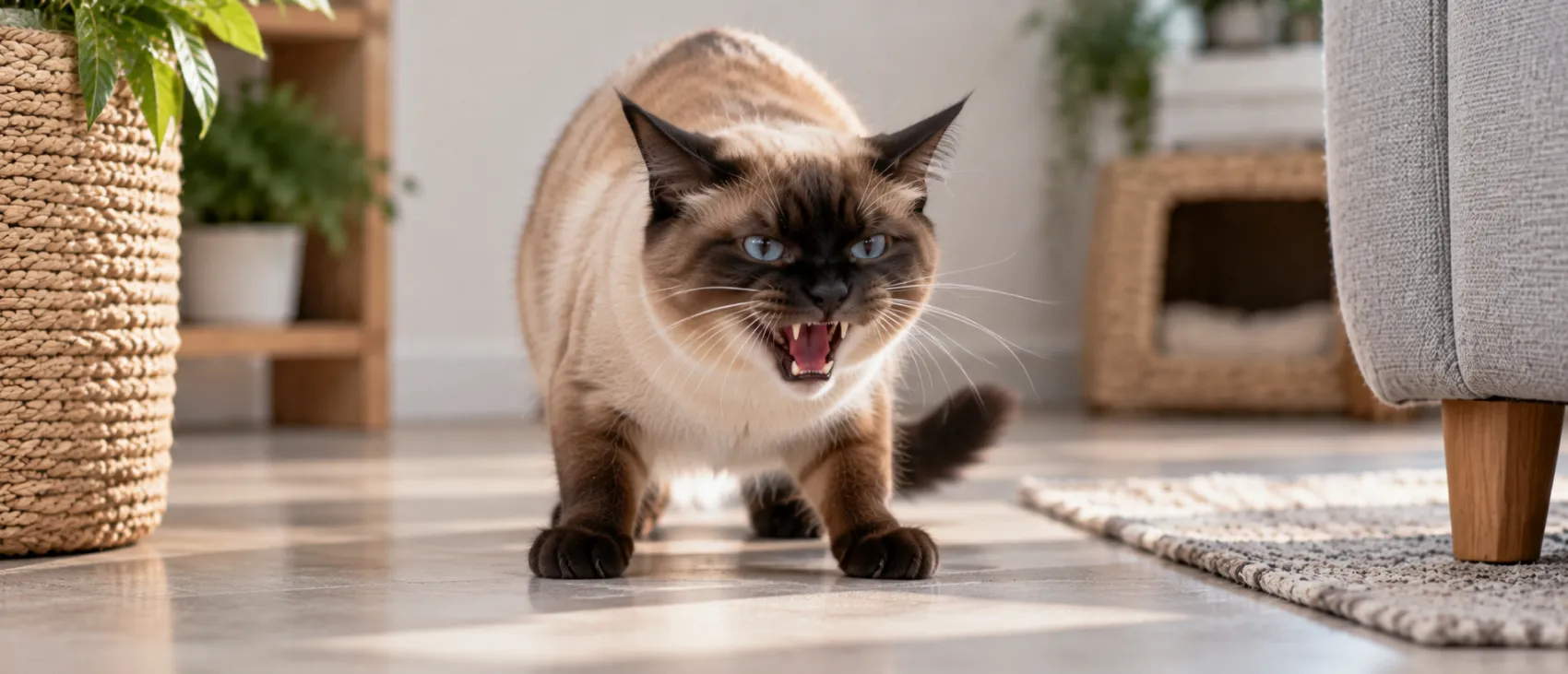
Essentially, a cat hissing indicates that something is wrong. It’s their way of saying that they are feeling some negative emotions. It’s more of a defensive warning rather than a cry for help, as cats use hissing to prevent and avoid unwanted conflict and interactions.
In this guide, we’re going to share everything you need to know about cat hissing, from what it is, what it means, and what to do to help.
What Is Cat Hissing?
Cats hiss when they feel like they have to put up their defenses. They do it by forcefully expelling air through their mouths, creating a sharp sound that resembles the one snakes do. In some instances, they may even spit out saliva.
Cat hissing is often accompanied by body language such as:
Flattened ears
Barred teeth
Dilated pupils
Arched backs
Puffed tails
Stiff or sideways posture
Why Do Cats Hiss?
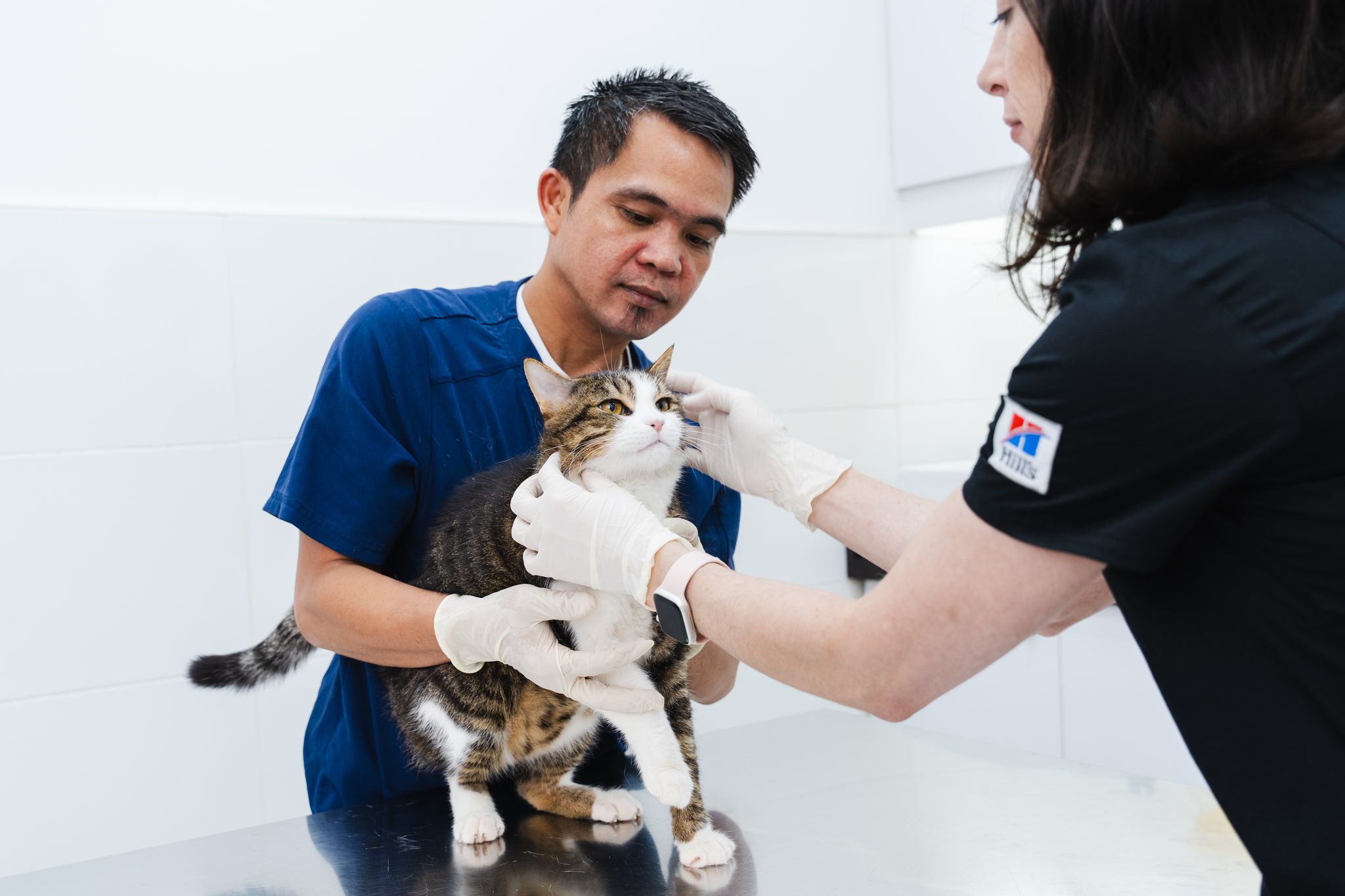
Now that we know what a cat hissing looks like, let’s talk about the main reasons why they do it.
Fear or Feeling Threatened
Fear is the number one cause of cat hissing. Your cat may hiss if startled by a loud noise, sudden movements, an unfamiliar person, or a new environment. When cats feel like they can’t escape the situation, hissing becomes their way of de-escalating and asking for space.
Some of the common examples of cat hissing are when they experience loud thunder, meet other pets outside, and visit the clinic for the first time.
Pain or Discomfort
Hissing can also be a warning sign that your cat is feeling pain or discomfort. This can come from injuries and health issues. Your cat may hiss when held, touched, or even approached. Even gentle encounters can make anxious cats hiss if they are experiencing something painful.
Overstimulation
Some cats enjoy petting and playing, but it does come to a point when they think it’s too much. When people pet or play roughly too much, especially on the belly, tail, or lower back, this can overwhelm the cat and make them overstimulated. This will make them hiss to tell you to keep away.
Territorial Nature
Cats are all about that territory, even known for their spraying and other marking behaviors to declare what’s theirs. When they think another person, cat, or dog threatens their territory, cats hiss in an effort to push away the unfamiliar animals.
Guarding or Protecting
Just like how cats protect their territories, cats may also hiss to guard their resources and families. For instance, cats may hiss when other cats go near their food bowls, sleeping areas, and even litter boxes.
Mother cats may also hiss when trying to protect their kittens from anything unusual that comes near them, which can be other animals or even humans.







Subscribe to Our Newsletter
Worried about your pet?
We’re here for urgent care, wellness checks, or anything in between.