Conjunctivitis in Cats: Causes and Treatment of Cat Pink Eye

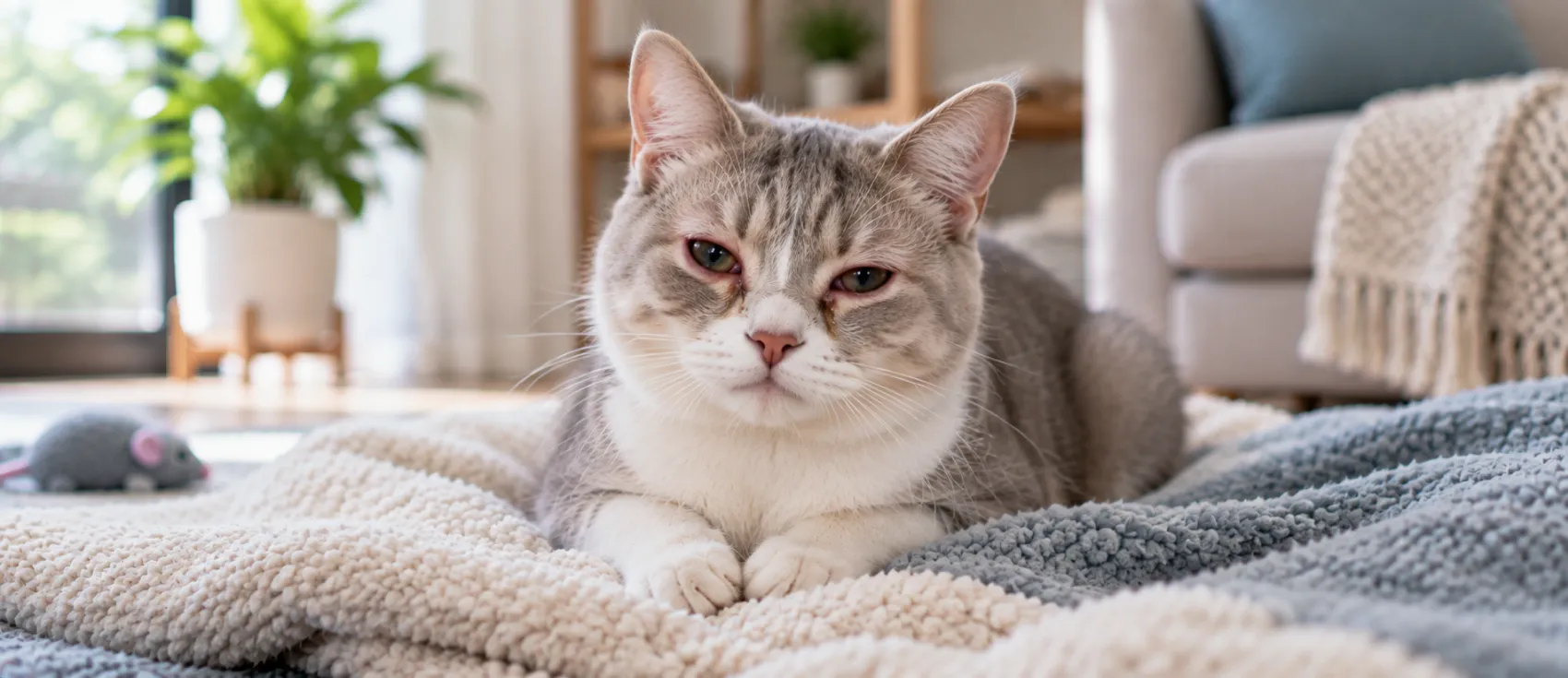
If your cat’s eyes are looking red, swollen, or just a bit off, don’t brush it aside. This might be a case of feline conjunctivitis.
Key Takeaways
Conjunctivitis in cats is the inflammation of the thin membrane that covers the white part of the eye, resulting in redness, swelling, and discharge.
It can be caused by viruses, bacteria, fungi, irritants, eye trauma, underlying health issues, and several eye conditions.
Cat pink eye can be treated with consistent medication and supportive care.
What Are the Symptoms of Conjunctivitis in Cats?
If you notice any of these signs, seek our help. Here are the clinical signs of pink eye in cats.
Red, swollen eyes. The white part of your cat’s eyes may appear red, and the inner eyelids may look swollen. This signals conjunctival inflammation, an early sign of cat pink eye.
Eye discharge. You may notice a bit of discharge coming from your cat’s eyes. This can be watery, yellow, or green and may come from one or both eyes.
Squinting or excessive blinking. Cats with conjunctivitis often blink and squint due to the constant discomfort they feel. This is a natural response to the irritation.
Sensitivity to light. In some cases, cats will be highly sensitive to bright light, often hiding in dimly lit spots around the house.
Pawing or rubbing at the eyes. Due to the persistent irritation, cats may paw at their eyes or rub them on furniture. This can lead to more damage if left unattended.
Visible third eyelid. The third eyelid may also pop out and become visible. This can have a red and slightly swollen appearance.
When to See Our Vets
Persistent redness and squinting
Significant pain and swelling
Yellow, green, thick, or excessive discharge
Accompanying respiratory symptoms
Symptoms that last for more than 24-48 hours
What Causes Pink Eye in Cats?
Feline conjunctivitis can be caused by pathogens, environmental irritants and allergens, physical trauma, and other underlying diseases.
Infectious Causes
Viral Infections
Viruses are one of the most common reasons why a cat may have conjunctivitis. Common ones include:
Feline Herpesvirus. FHV-1 is the leading cause of conjunctivitis in cats and is extremely contagious. The virus can flare up due to stress, causing a recurrence.
Feline Calicivirus. FCV is another highly contagious virus that easily spreads from the upper respiratory tract to the eyes of cats.
Other viruses. FIV and FeLV are other viruses that may also cause pink eye by compromising the cat’s immune system, making them vulnerable to secondary infections.
Bacterial Infections
These can be primary or secondary infections.
Chlamydia felis. Chlamydia felis directly infects the cat’s conjunctival epithelial cells. It’s easily transmitted in contaminated areas where cats are in close proximity to one another.
Mycoplasma spp.. While these are natural inhabitants of a cat’s eye, they may cause pink eye when they overpopulate.
Other bacteria. Staphylococcus, Streptococcus, Bartonella, and Pseudomonas.
Fungal Infections
Although rare, fungal infections may lead to conjunctivitis, especially in immunocompromised cats. Common ones are:
Aspergillus species. Specifically, Aspergillus fumigatus and Aspergillus niger are linked to feline eye infections.
Candida species. Candida albicans is the most prominent type involved in ocular infections.
Cryptococcus species. Cryptococcus neoformans and Cryptococcus gattii.
Non-Infectious Causes
Some causes of feline conjunctivitis may start with non-infectious causes. These include:
Allergies and Irritants
Cats can develop allergic reactions to dust, smoke, pollen, and other allergens, prompting the immune system to overreact. This leads to redness and inflammation in the eye, which may also make cats want to scratch or paw at it.
Eye Trauma and Foreign Bodies
Scratches, bumps, and debris can directly injure the eye’s delicate lining. This trauma leads to acute inflammation, which may also progress to secondary infections, potentially leading to severe complications.
Underlying Health Conditions
In some cases, conjunctivitis in cats may be due to specific health issues.
Immune-mediated conditions. The immune system may mistakenly attack the cat’s eye tissue.
Dry eye. Decreased tear production can leave the eye vulnerable to irritation, inflammation, injury, and infection.
Corneal and eye diseases. Corneal ulcers, uveitis, and glaucoma can contribute to feline conjunctivitis.
Eyelid disorders. This includes blocked tear ducts, entropion, and eyelid tumors.
Cats can get conjunctivitis, which is also called pink eye. It’s one of the most common eye issues in cats. It affects the thin, protective layer of the cat’s eye, known as the conjunctiva. This membrane covers the white part of the eye, keeping it moist and protected from dirt, dust, and pathogens.
In this guide, we’ll break down the common signs of conjunctivitis in cats, what causes it, how it’s diagnosed, and what treatments actually work. We’ll also share tips to help you protect your cat’s eyes going forward.
Frequently Asked Questions





MORE THAN A VET VISIT