Corneal Ulcers in Dogs: Main Signs, Causes, and Treatment


Corneal Ulcers in Dogs: Main Signs, Causes, and Treatment

Corneal Ulcers in Dogs: Main Signs, Causes, and Treatment

Dr. Lidija Krvavac

Published Date

Published Date

10 minutes

10 minutes

Custom Icon
Custom Icon
Custom Icon

The dog’s cornea acts like a window, letting light in while also serving as a protective barrier. When the surface gets damaged, it can form an ulcer. A corneal ulcer in a dog is an open sore on the clear, outer layer of the eye. 
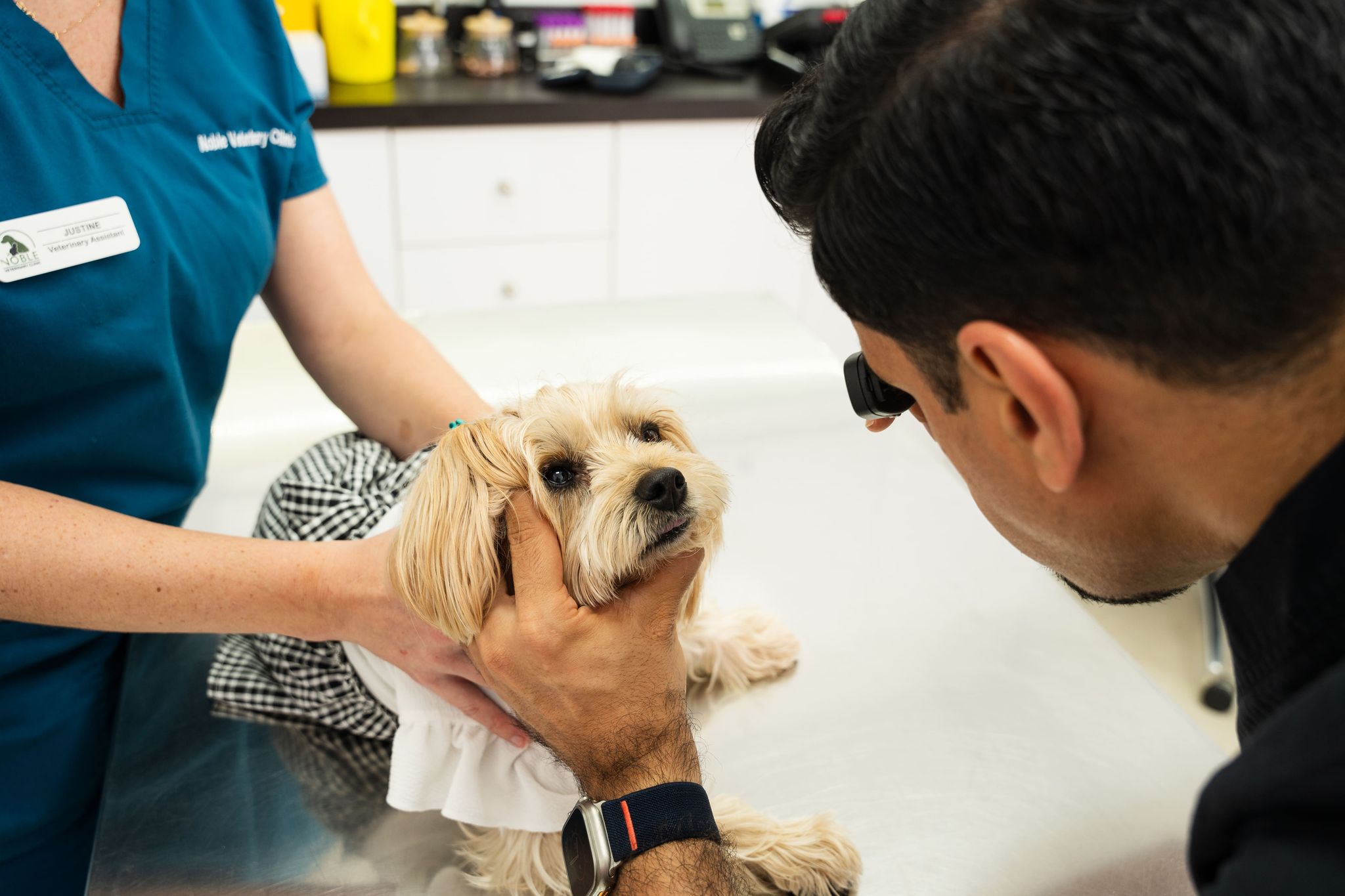
A veterinarian is checking a dog's eyes on a metal table.

It’s often a serious condition that requires urgent veterinary care, mainly because the eye is a delicate part of the body. Without immediate attention, this can lead to infection, scarring, and even vision loss. 

In this blog, we’ll talk about everything you need to know about corneal ulcers in dogs, right from the common signs to how our vets treat them. 

Key Takeaways

Corneal ulcers are open sores on the dog’s eye surface, causing intense pain, discomfort, tearing, and irritation.

It’s commonly caused by trauma and foreign bodies, with other causes including infections, genetics, eye conditions, and metabolic diseases.

Eye ulcers in dogs can be treated with medical management, surgery, and consistent supportive care. 

What Are the Types of Eye Ulcers in Dogs?

Type of Ulcer

Description

Superficial Ulcer

Affects only the outermost layer without penetrating the deeper tissues.

Stromal Ulcer

A deeper and more painful corneal ulcer that extends beyond the top layer and into the middle layer, or the stroma.

Indolent Ulcer

Also called "non-healing" ulcers or spontaneous chronic corneal epithelial defect (SCCED).

Descemetocele

A severe type that occurs when the ulcer reaches the deepest layer, exposing Descemet's membrane.

Perforated Ulcer

This happens when the ulcer has eroded through all the layers of the cornea, causing the eye to rupture.

What Are the Symptoms of Corneal Ulcers in Dogs?

The signs of a corneal ulcer in dogs will consist of physical and behavioral changes. These include:

  • Excessive Squinting and Blinking. One of the most obvious signs of an eye problem, including corneal ulcers, is excessive squinting and blinking. 

  • Sensitivity to Light. Dogs with corneal ulcers may become sensitive to light, making them avoid rooms with bright light. You may notice them hiding and seeking dimly lit areas.

  • Redness and Swelling. These are common signs that manifest on the sclera and the surrounding tissues, indicating eye irritation and inflammation. 

  • Tearing and Discharge. You may notice tearing and discharge in response to eye irritation. Some discharge may appear green or yellow if a secondary infection is present. 

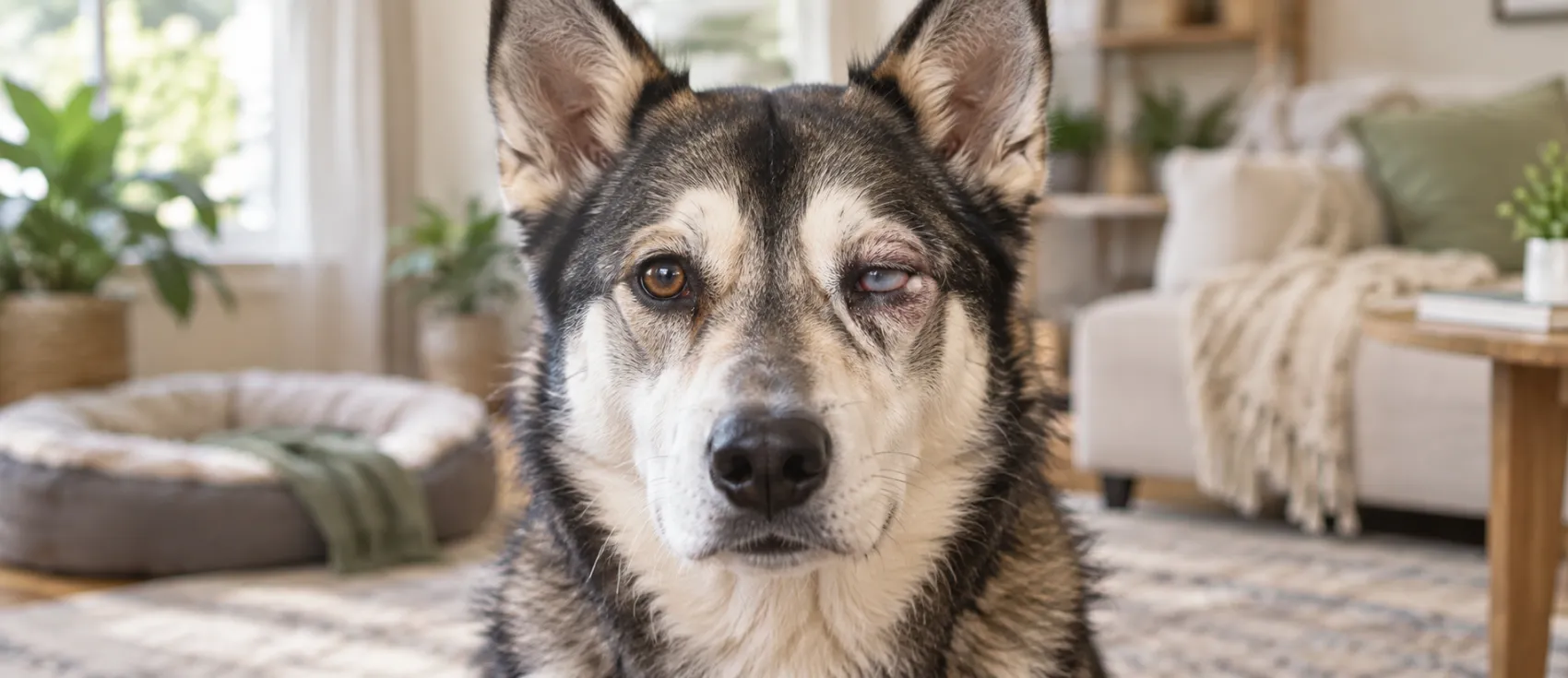
  • Cloudiness at the Eye. Corneal ulcers can make a dog’s corneas look hazy and cloudy. In some cases, a specific spot can appear white, which is where the ulcer has typically formed. This is because the ulcer allows fluid to seep in and cause the cloudiness.

  • Pawing and Rubbing at the Eye. Dogs may constantly paw at their eyes or rub them on furniture. This makes the condition worse.
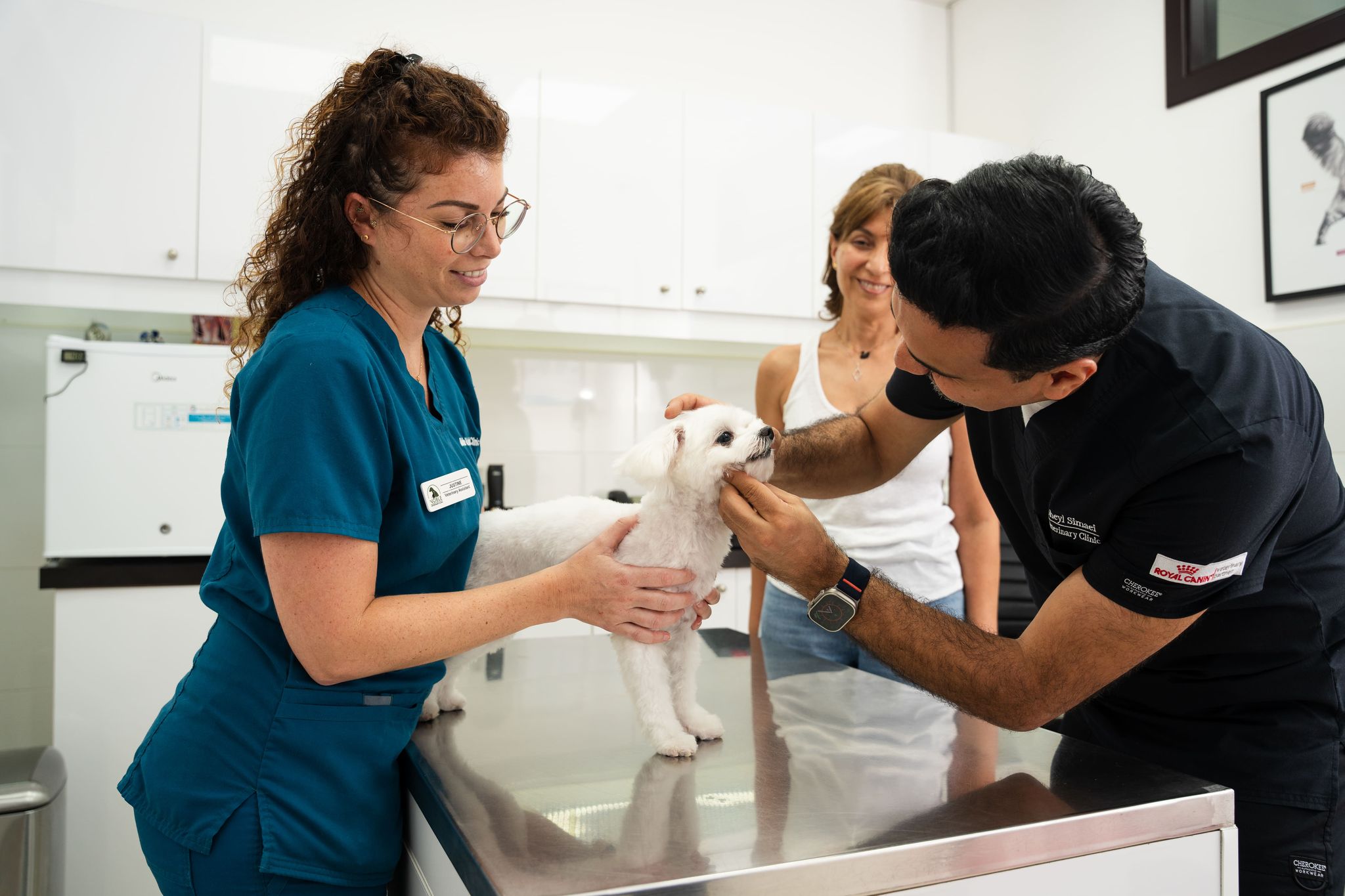
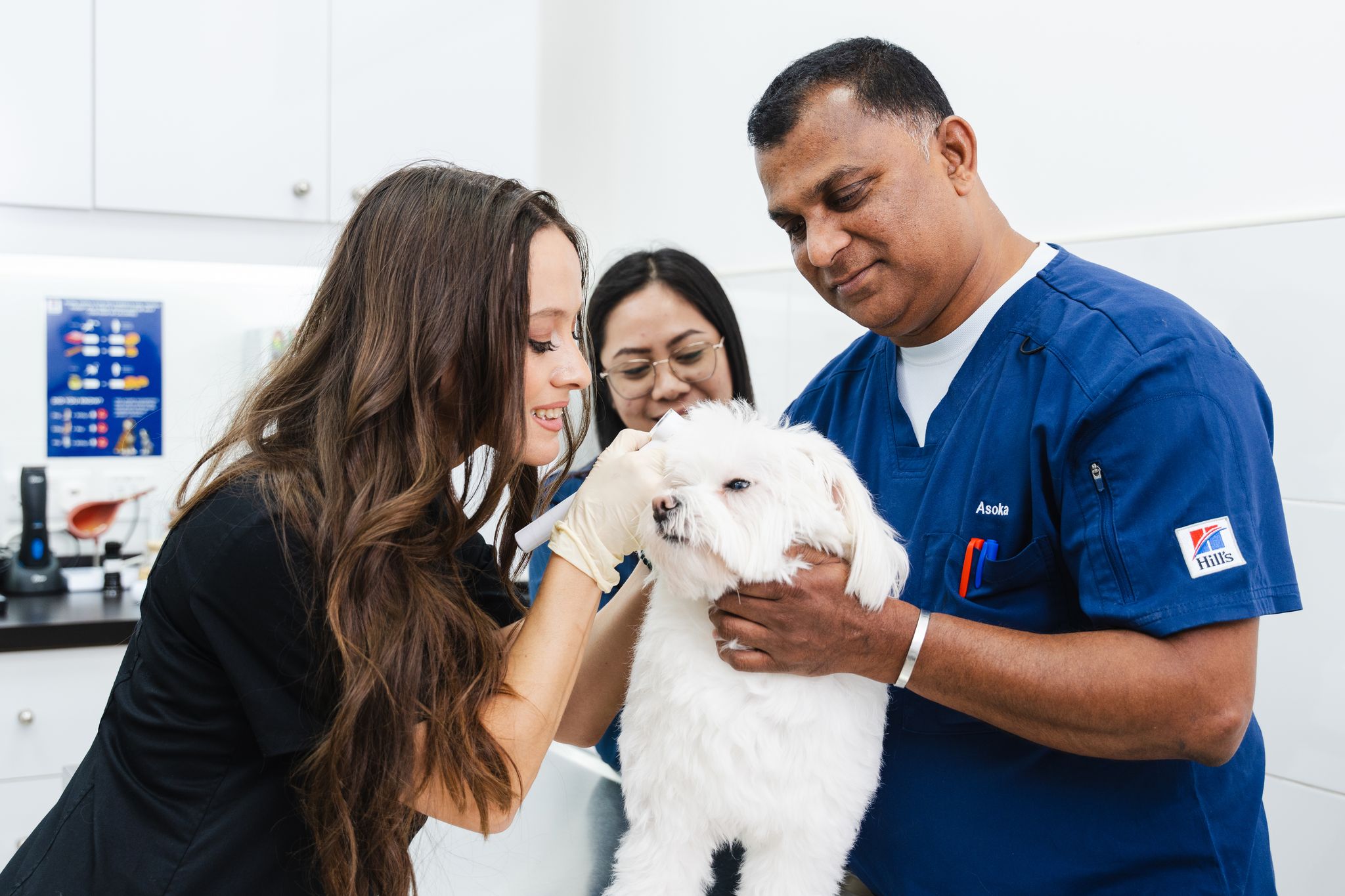
Two veterinarians are checking a dog's eyes and talking to a pet owner about canine corneal ulcers.

What Causes Dog Corneal Ulcers?

Eye ulcers can be caused by trauma, eye infections, breed-related factors, eye conditions, and other health conditions.

Trauma and Foreign Bodies

Trauma, injuries, and foreign bodies are some of the most common causes of corneal ulcers in dogs. This can take the form of:

  • Scratches from animal fights

  • Irritation from grass, dust, or sand

  • Sharp objects poking the eyes

The cornea is very delicate, which means that even smaller and minor abrasions can cause damage. 

Infections

Bacterial, viral, or fungal infections can cause or worsen corneal ulcers. Canine herpesvirus, Pseudomonas aeruginosa, and Staphylococcus and Streptococcus species are common culprits. 

Infections can progress quickly, turning a minor ulcer into a much more serious and vision-threatening wound if not treated early. 

Breed Predisposition

Some dogs, including brachycephalic breeds, are at higher risk of developing corneal ulcers.  These dogs have flat faces and prominent eyes, which leaves their eyes vulnerable to injuries and infections. This includes dogs such as: 

Dry Eye

Tears provide a lubricating layer of protection, but when they’re not produced sufficiently, a dog’s eyes can be vulnerable. In dogs with dry eye, their corneas dry out, become inflamed, and break down. This increases the risk of injury, irritation, and infections.

Eyelid Abnormalities

Eyelid abnormalities, such as entropion, can also cause and contribute to corneal ulcers in dogs. It occurs when eyelashes or fur constantly irritate the eyes because the eyelids roll inward. Other conditions include ectropion and eyelid tumors. 

Other Health Issues

Corneal ulcers in dogs can also be caused by health issues like diabetes, Cushing’s disease, hypothyroidism, and other endocrine issues.

Need any help with your dog's eyes?

Need any help with your dog's eyes?

Book a visit with us today.

Book a visit with us today.

How Do Vets Diagnose Corneal Ulcers in Dogs?

Our vets perform a full physical exam and several diagnostic tests to determine your dog’s condition. 

Ocular Exam

We start with an eye exam, during which we monitor your dog’s eyes and check for common symptoms such as irritation, redness, tearing, and sensitivity to light. Afterward, our pet ophthalmologists decide on the next tests to run. 

Eye Staining

An eye stain test is the standard method for diagnosing eye ulcers in dogs. It uses a special orange dye that’s applied to the dog’s eye. A special blue light is then directed at the eye, highlighting any damage or scratches in bright green. 

This helps our veterinarians determine the presence, size, and depth of the ulcer.

Cytology

This test involves collecting cells from the cornea's surface or the discharge around the eye using a sterile swab. The sample will then be examined under a microscope to identify any signs of infection or inflammation. 

Culture and Sensitivity Test

A culture and sensitivity test is more commonly used in cases involving infection and recurring cases. The sample obtained from the corneal surface will be cultured to help our vets identify the pathogen type. This also helps determine which treatment works best.

Schirmer Tear Test

If dry eye is suspected as the cause of the corneal ulcer, a Schirmer tear test will be performed. In this test, a small strip of paper is placed under the lower eyelid for one minute to measure tear production. Low tear levels will confirm the diagnosis.

While this test does not directly diagnose corneal ulcers in dogs, it can be used in complicated cases.

A veterinarian is closely examining a dog's eye for signs of corneal ulcers. Another vet is holding the dog gently.

How Are Canine Corneal Ulcers Treated?

Treatment includes medication, surgery, and supportive care. 

Medical Management 

For mild or superficial ulcers, treatment starts with medicated eye drops and ointments. For cases caused by infections, the appropriate antimicrobial medicines will be used. Atropine drops can also be used to help relieve the pain and discomfort by relaxing the eye muscles.

If dry eye is suspected, we prescribe tear-stimulating and lubricating eye drops to maintain moisture and promote healing. Oral medications will be prescribed if the eye ulcers are due to a systemic cause. 

Surgery

In severe and complicated cases, surgery will be done. Here are the common methods used: 

  • Conjunctival Graft. A common surgical technique is the conjunctival graft, a procedure in which a portion of the eye’s conjunctiva is used to cover the ulcer. This helps protect the area and bring in blood to speed up healing. 

  • Corneal Debridement. For stubborn cases, we will perform a corneal debridement, a procedure in which the damaged tissue is removed. This helps the cornea heal and significantly reduces the pain. 

  • Other Types. We may do other procedures depending on the cause. For example, if entropion is diagnosed, we’ll perform an eyelid correction to fix the structural problem and treat the ulcers. If foreign bodies are involved, then removal will be done.

Supportive Care

To support healing, our veterinarians will prescribe medicines to use at home, recommend restricted activity, and provide an E-collar. These will be essential to ensure your dog’s continued recovery. 

Recovery and Prognosis

Simple and mild cases may resolve within 7-10 days with veterinary care, while complex and deep ulcers may take several weeks or months to heal. In both cases, consistent supportive care and follow-up checkups will be required. 

The prognosis is generally excellent when expert care and professional treatments are involved. 

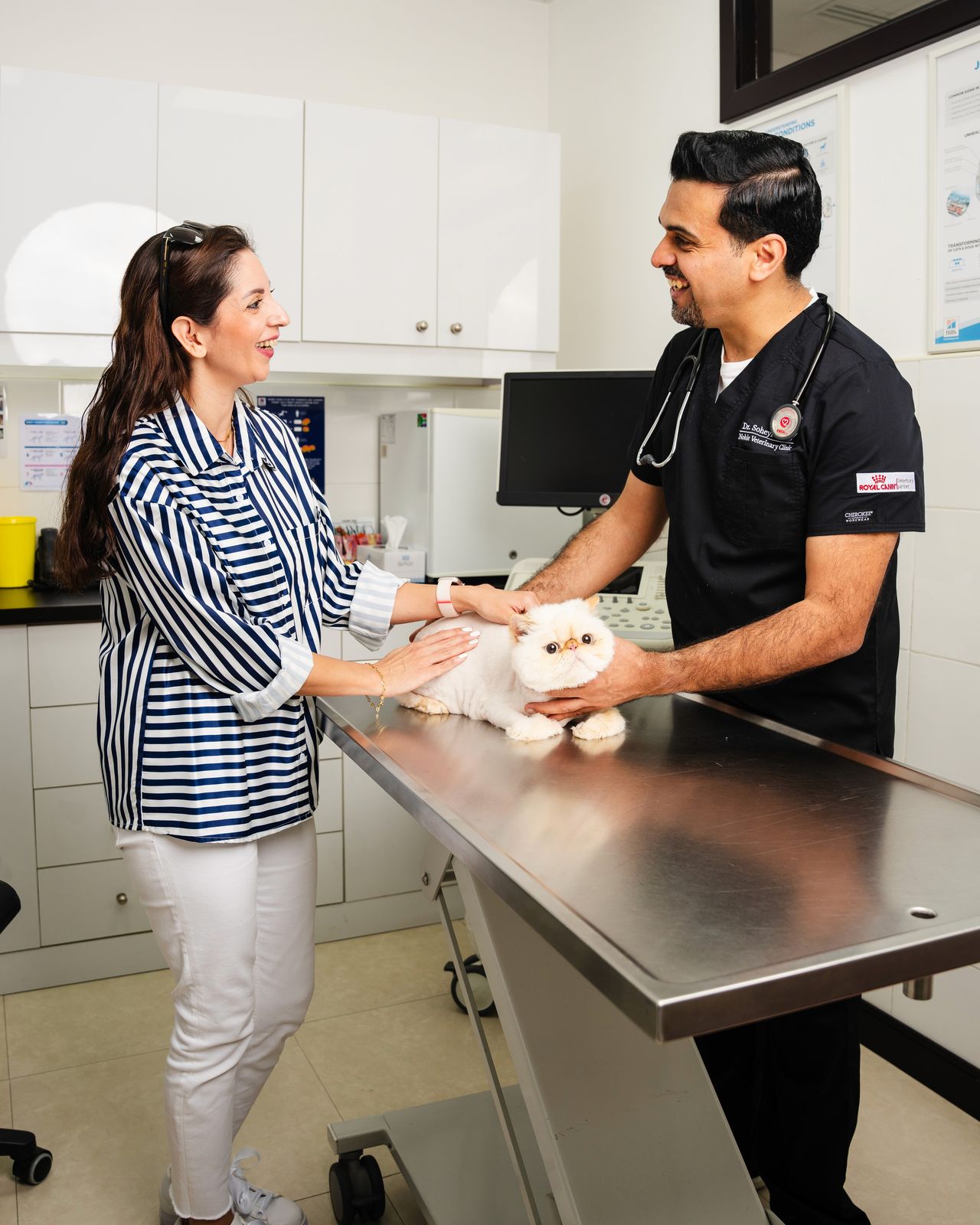
Two veterinarians are checking a dog's eyes for signs of corneal ulcers while talking to the pet owner.

How to Prevent Corneal Ulcers in Dogs?

While not all corneal ulcers in dogs can be prevented, there are some steps you can take to reduce the risk. These include:

  1. Monitor Outdoor Activity

Debris, dust, and other particles can strike the eye during car rides or outdoor play. Make sure to have the windows closed and keep them away from playing in the bushes. Watch out for hazards during your playtime. 

  1. Regularly Check the Eyes

Since it’s difficult to prevent corneal ulcers in dogs, it’s better to have regular eye checks to see if anything is bothering their eyes. You should also clean your dog’s eyes regularly with a soft, damp cloth. Try to do this once a week.

  1. Schedule Regular Checkups

Professional checkups can quickly catch even the subtlest of signs. This helps fix anything that needs fixing before it causes any more eye problems.

  1. Manage Health Issues

If your dog is diagnosed with eyelid issues or endocrine conditions, it’s best to have them treated and managed immediately. This will help prevent the risk of corneal ulcers.

“Healthy eyes mean a happy dog. Clear vision helps them explore and connect with the rest of the world.”

- Dr. Lidija Krvavac

The Takeaway for Pet Parents

Corneal ulcers in dogs are a serious condition that requires immediate care, even in superficial cases. They can cause significant pain, discomfort, and potentially, vision loss. Fortunately, with the right care and attention, they can be treated and prevented. 

Frequently Asked Questions

Are these painful for dogs?

Yes, this eye condition is extremely painful and uncomfortable for dogs. Because they are open sores on the surface of the eye, they can also lead to painful infections and other complications.

What happens when corneal ulcers are left untreated?

When dogs do not receive veterinary care, eye ulcers can cause intense pain, deepen, lead to corneal rupture, and even result in permanent blindness.

Can they resolve on their own?

No, corneal ulcers in dogs require veterinary care to ensure proper healing and recovery. Without it, this can result in severe symptoms.

What helps eye ulcers in dogs heal faster?

Immediate veterinary care with medications, surgery, and supportive care helps eye ulcers heal faster. Make sure your dog’s activity is restricted and that they wear an E-collar so they won’t be able to scratch or paw the eye area.

Do dogs with corneal ulcers go blind?

Some may, especially in severe cases. With prompt veterinary care, affected dogs will recover and avoid complications such as blindness.

Share

Custom Icon
Custom Icon
Custom Icon

Subscribe to Our Newsletter

Sign up for weekly pet health tips and insights from our veterinarians.

Sign up for weekly pet health tips and insights from our veterinarians.

Wellness & Emergency Care

Book Appointment

Worried about your pet?

We’re here for urgent care, wellness checks, or anything in between. 

Get the best Vet care for your pet

We’re Hiring! Let’s transform the future of veterinary care together.

We’re Hiring! Let’s transform the future of veterinary care together.

We’re Hiring! Let’s transform the future of veterinary care together.

We’re Hiring!

© 2006-2026 Noble Veterinary Clinics

Your veterinary practice, always here

© 2006-2026 Noble Veterinary Clinics

© 2006-2026 Noble Veterinary Clinics