Breed Overview
Personality: Affectionate, playful, lively, friendly, social, gentle, and devoted
4-7 kg (9-16 lbs)
Coat Colors: White, black, gold, liver, silver, blue, brindle, and mixed
Short to long, depending on grooming style
Coat Patterns: Solid, parti-color, brindle, bicolor, and tricolor
Eye Color: Light brown, amber, warm brown, and blue (rare)
10-18 years
No
History of the Shih Tzu
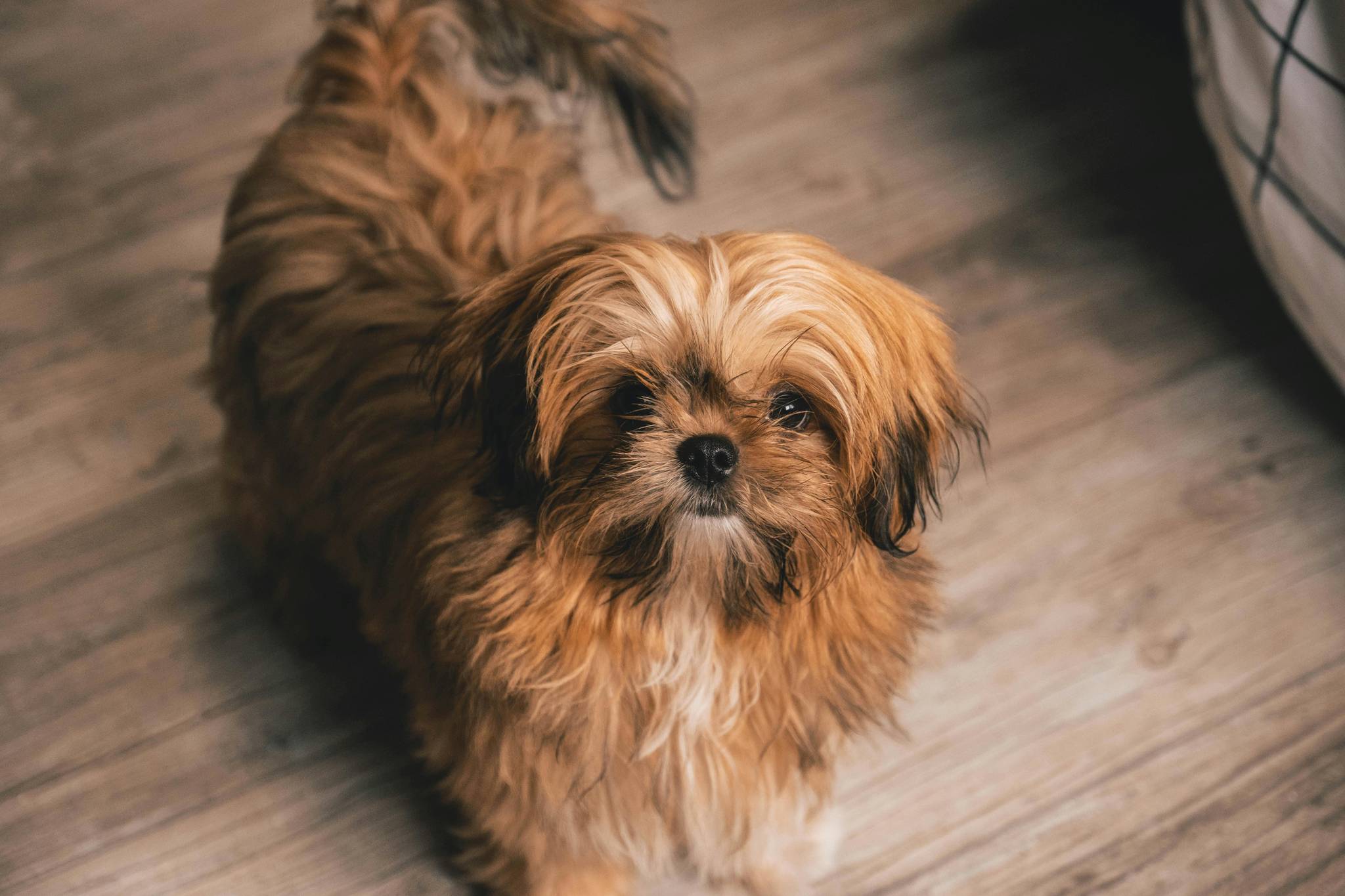
The Shih Tzu is a toy breed that originated in China, though it’s believed to have descended from Tibetan breeds such as the Lhasa Apso.
Shih Tzus are small, affectionate dogs that were bred exclusively as companion pets for Chinese royalty. They were highly cherished during the Ming and Qing dynasties (14th to 20th century). To further refine their appearance, Chinese breeders may have likely crossed them with Pekingese. This resulted in the dog’s distinct short muzzle and long coat.
The name Shih Tzu means “Lion Dog” in Mandarin, which is a reference to the culture’s traditional Chinese lion sculptures. The American Kennel Club (AKC) officially recognized the Shih Tzu in 1969.
Physical Characteristics of Shih Tzu
Head
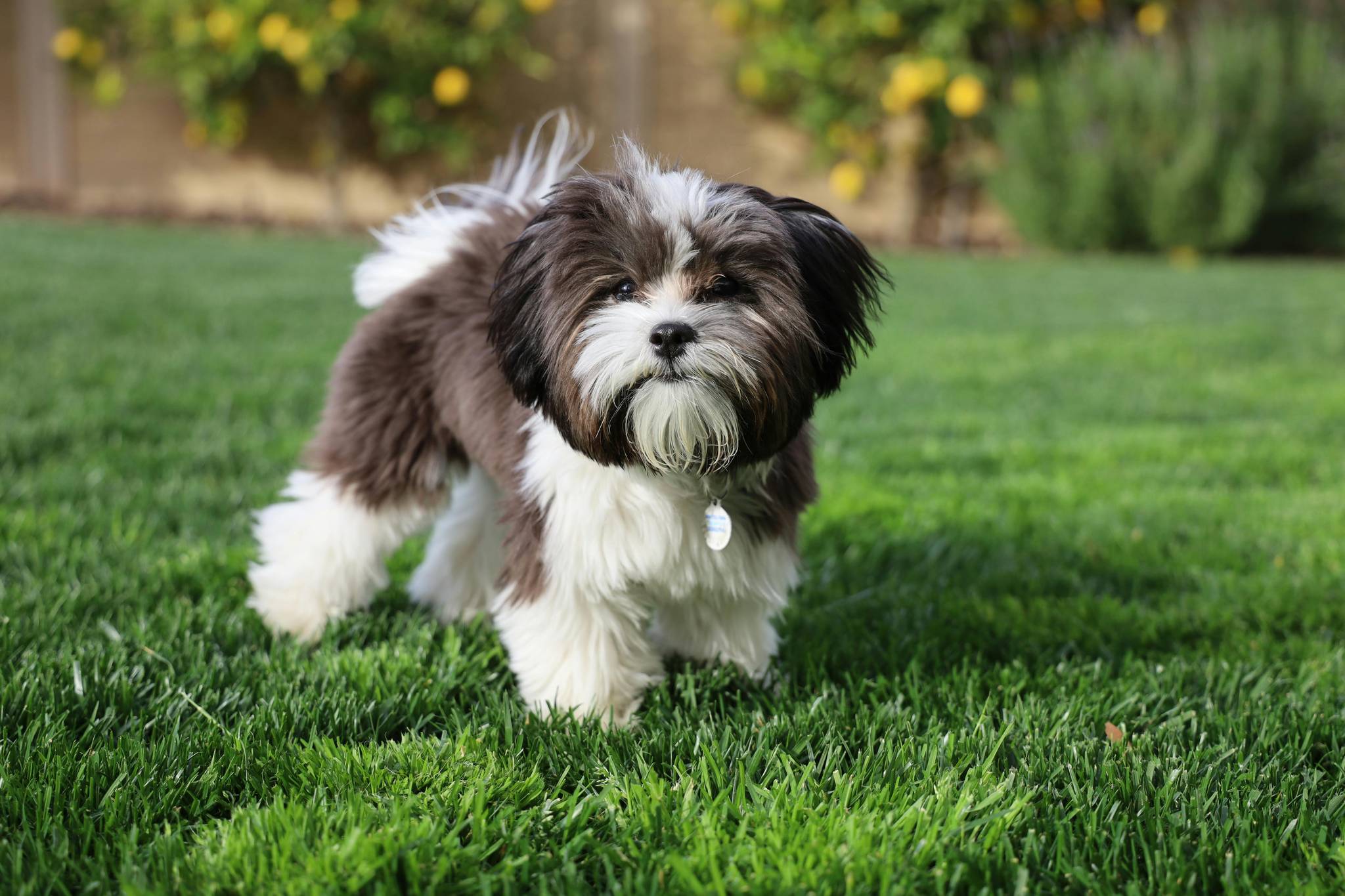
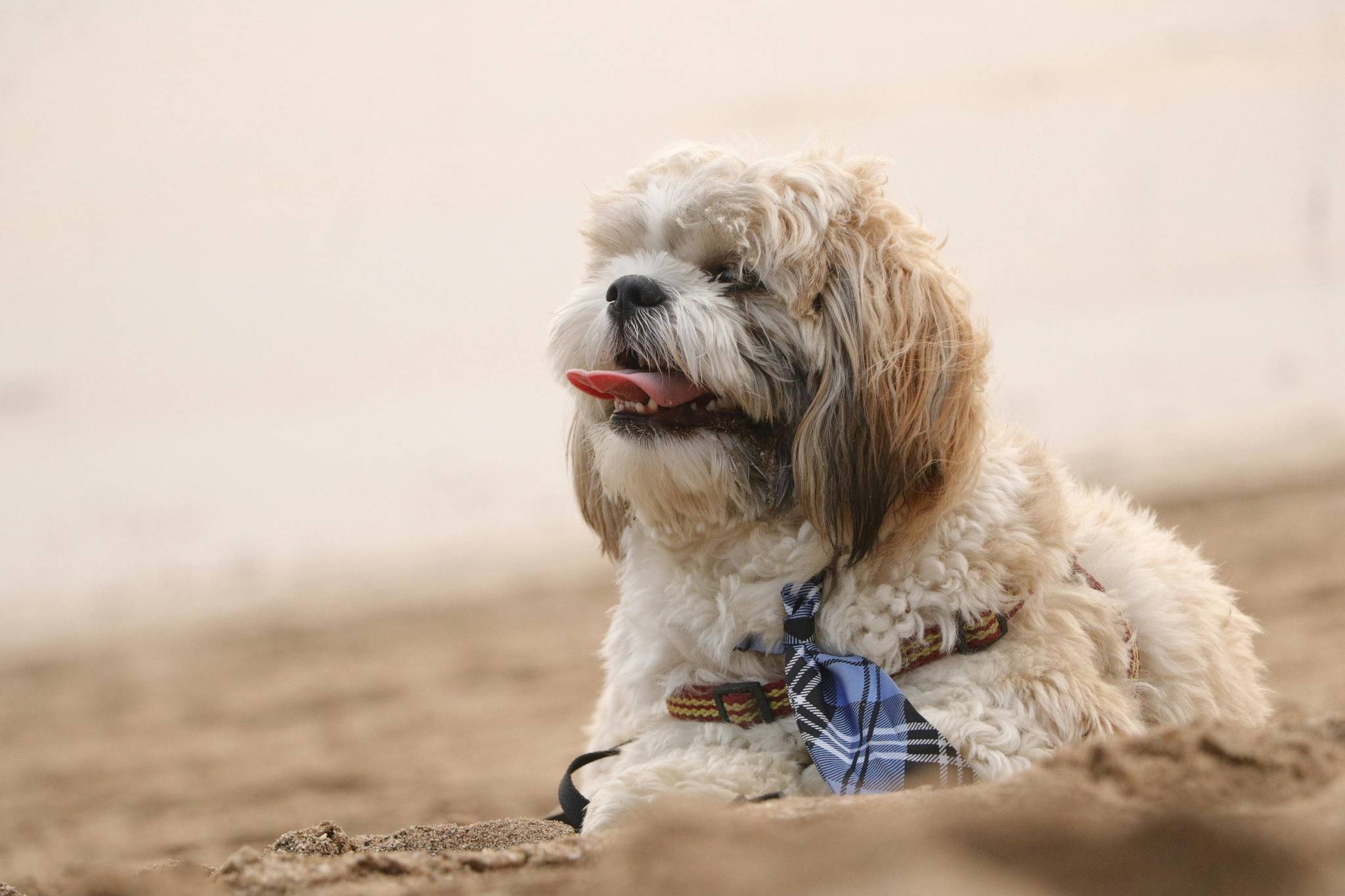
Shih Tzus have a broad, rounded body with a short, square muzzle. Their nose can be black or liver-colored, depending on coat color. They may also have a slightly undershot jaw.
Eyes
Their eyes are large, round, and typically dark-colored, giving them a warm and expressive appearance.
Ears
Their ears are large, floppy, and covered with long hair, which hangs close to the head to blend with the coat.
Body
Shih Tzus have a sturdy, compact body with a broad chest, well-developed shoulders, and a slightly arched neck leading to a level topline.
Limbs
Their legs are short but strong, which is proportionate to their body. They also have round and well-padded feet.
Tail
Shih Tzus have a high-set tail that curls over their back in an arc, covered with a plume of long hair.
Coat
Shih Tzus have a long, flowing double coat that is straight and dense. They can come in a variety of colors, including solid, bicolor, and tricolor patterns.
Size
Males and females typically have the same height, ranging from 23-27 cm (9-10.5 inches) at the shoulder.
Weight
Shih Tzu males and females have similar weight ranges of 4-7 kg (9-16 lbs).
Just welcomed a Shih Tzu?
What to Expect With a Shih Tzu
Vocalization Level
Shih Tzus are known to be expressive, small dogs that aren’t shy about expressing how they feel. They often bark to communicate, but can become a nuisance if they are not properly trained.
Energy Level
Despite their liveliness, they don’t need too much physical activity. They can go on short walks and have playtime, but they can be happy simply lounging with their owners.
Independence Level
This dog breed craves companionship and attention. Without engagement, they can develop undesirable behaviors.
Affection Level
Shih Tzus are lapdogs who like cuddling and soaking up all the affection they can get from their families and guests.
Compatibility with Children
Shih Tzus are usually patient and friendly with children, as long as they have been socialized early and properly.
Compatibility with Other Pets
Shih Tzus are generally sociable with other dogs and animals. Integrating them into a multi-pet home will still require early socialization.
Adaptability Level
They can adapt well to indoor living and most types of homes. However, their sensitivity to extreme weather, sudden changes, and being left alone for long hours can have negative effects on their physical and mental health.
Trainability Level
Shih Tzus are smart and capable of learning quickly. However, their stubbornness can get in the way of successful training. Consistency and positive reinforcement are key to training them.
Exercise Requirements
While they don’t need intense workouts, walks and gentle playtimes every day are still important to avoid obesity and boredom.
Mental Stimulation Needs
Shih Tzus like toys, games, and learning tricks to keep them mentally stimulated, but they’re not extremely demanding about it.
Grooming Frequency
This breed requires high maintenance grooming. Their coats can be clipped short or kept long, which can depend on how much brushing they need. Generally, they need daily brushing, regular baths, and extra care for their coats.
Health Concerns of Shih Tzu
How to Groom a Shih Tzu
Coat Maintenance
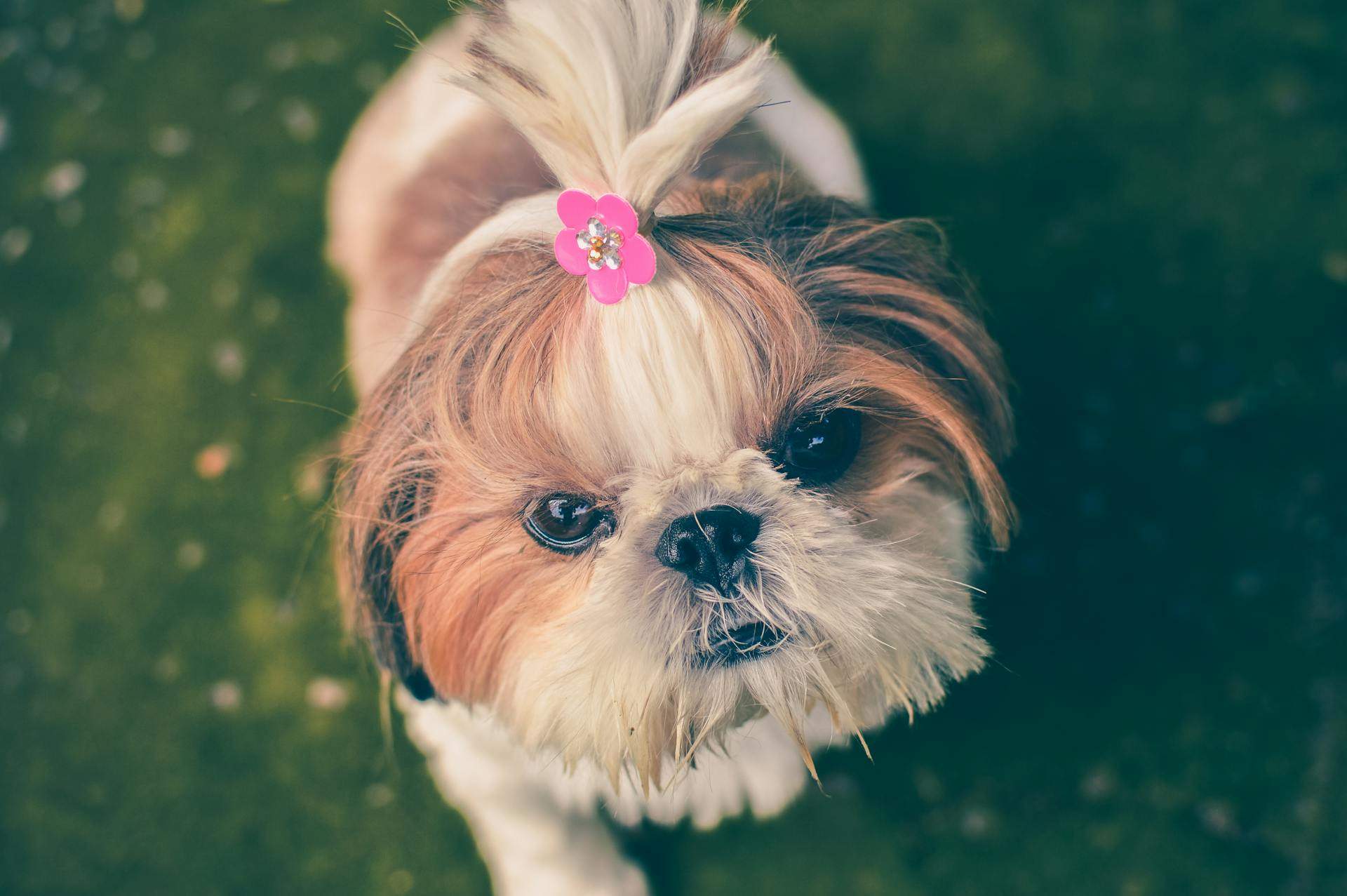
Shih Tzus need daily brushing if their coat is kept long to prevent mats and tangles using a pin brush or slicker brush. A metal comb is best for maintaining a smooth coat. Some pet owners choose to cut their pets’ coats short, which reduces the grooming sessions needed.
Skin Health
They have sensitive skin, especially around the folds of their faces, which needs regular cleaning to prevent irritation. Their thick coats can trap dirt and moisture, so keeping the skin clean and dry is crucial. It’s also important to check for hot spots or signs of itching.
Bathing Routine
Shih Tzus must be given a bath every one to three weeks, depending on their coat length and lifestyle. Long-coated dogs must have more frequent baths using a mild dog shampoo and a light conditioner. Make sure to rinse and dry them thoroughly to avoid product and moisture buildup.
Nail Trimming
Their nails must be trimmed every three to four weeks. Because of their small paws, it’s important to use a small dog nail clipper so you can control it better when avoiding the quick, the pink part of the nail.
Ear Cleaning
Because of their floppy ears that can trap moisture easily, Shih Tzus are prone to ear infections. Cleaning them weekly with vet-approved ear cleaners can help prevent infections and wax buildup. It’s essential to also keep them dry and check for any odor, redness, or excessive scratching.
Eye Care
Shih Tsuz have prominent eyes that may have tear staining and irritation. Using pet-safe eye wipes or a soft, damp cloth helps keep around their eyes clean. Proper eye care also lowers their risk of getting infections.
Dental Hygiene
Like all small dog breeds, Shih Tzus are vulnerable to dental problems like gum disease and tartar buildup. Brush them every day if possible. If not, brushing their teeth a few times a week while giving them dental chews on days that they can’t brush can be an effective routine.
FAQs About Shih Tzu