Dog Vitamins: What They Do and Why They’re Needed


Dog Vitamins: What They Do and Why They’re Needed

Dog Vitamins: What They Do and Why They’re Needed

Dr. Nenad Misura

Published Date

Published Date

Dec 5, 2025

Dec 5, 2025

Custom Icon
Custom Icon
Custom Icon

When it comes to our dogs’ nutrition, it’s easy to feel like we're missing something. This could be multivitamins for overall wellness, chews for skin and coat health, and even supplements for more promising energy. But do dogs need vitamins?
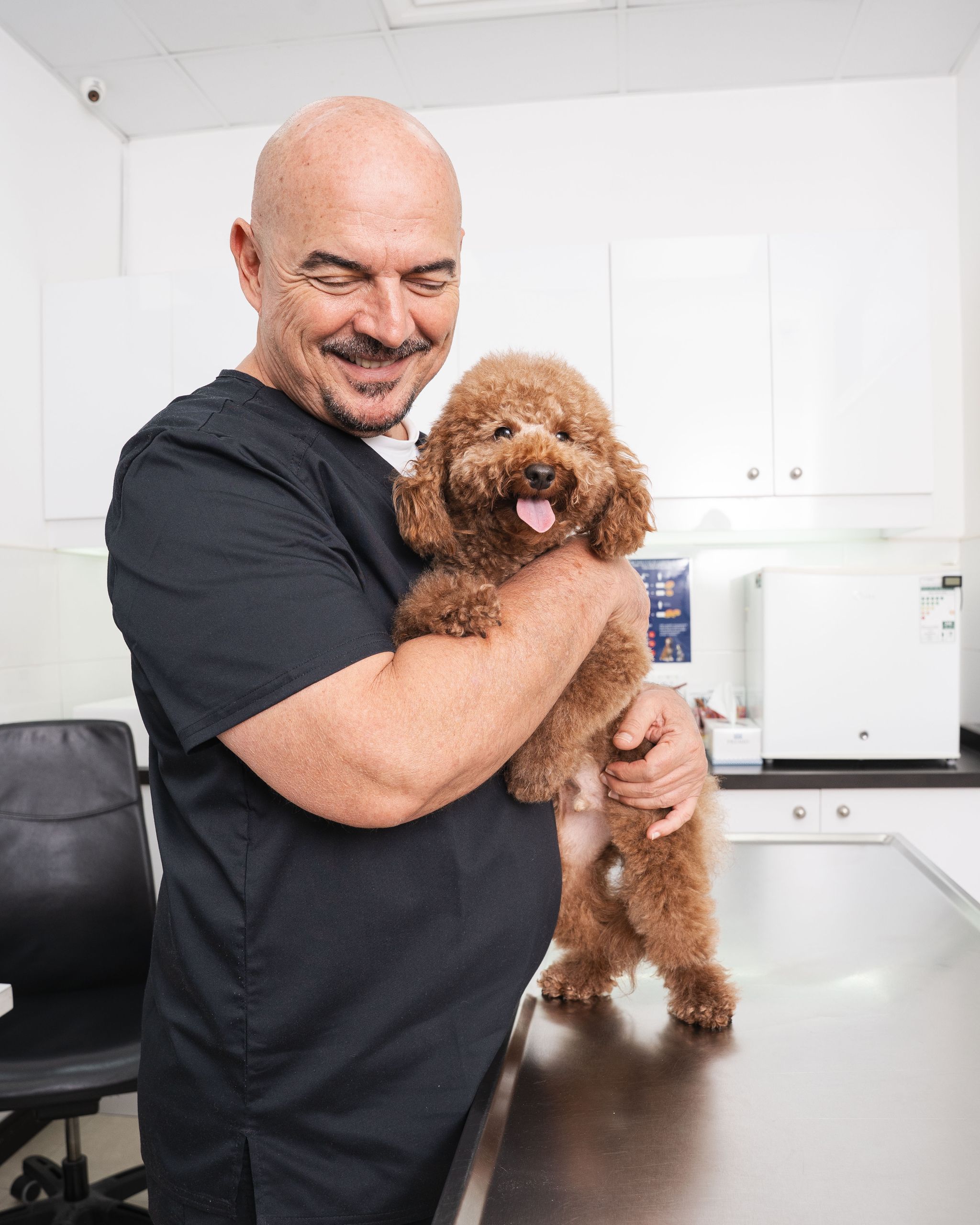
A veterinarian is examining a brown dog's condition to see if it needs specific vitamin products.

In truth, most dogs won’t need any extra vitamins when their meals are nutritionally packed and balanced according to their health needs. Those dog diets are formulated to provide essential nutrients in appropriate amounts.

But dog vitamins aren’t automatically useless, either. They can play a significant role for some dogs, especially those with specific medical needs or when recommended as part of the meal plan.

The catch is that dog vitamins work best when they’re targeted and correctly dosed. In this guide, you’ll learn about what vitamins are and why dogs might need them. 

What Are Dog Vitamins?

Dog vitamins are essential organic compounds for a dog’s everyday life. This can be obtained from their meals and treats, which is a reason why many dogs don’t need the extra supplements. 

In general, dog multivitamins refer to essential nutrients, including minerals. These are all components your dog’s body needs to keep normal systems up and running. Common examples include metabolism, immune function, healthy skin and coat, bone development, and cell repair. 

What Vitamins Do Dogs Need?
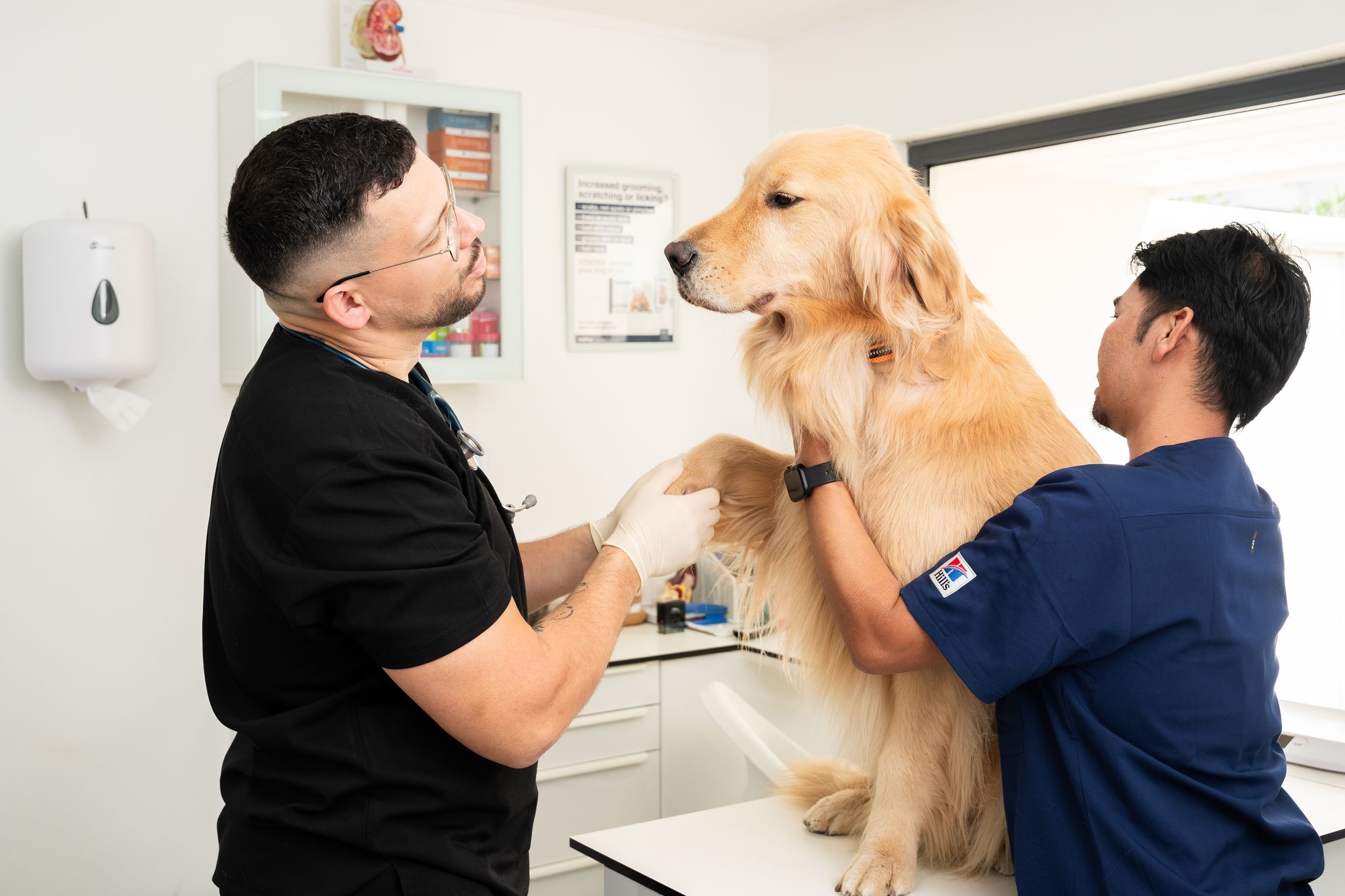
A dog is being assessed by two veterinarians to see if it needs vitamins.

When picking your dog’s food or multivitamins, it’s important to consider a few inclusions to make sure your best friend is getting the most out of each. While we’ll plan together, here’s a guide on how each vitamin helps dogs.

Vitamin A

Vitamin A is a significant contributor to healthy vision and helps support a dog’s skin and coat. It also plays a role in immune function and cell growth, making it an essential part of your dog’s nutrition. However, it is a fat-soluble vitamin, meaning too much can be harmful. 

B Vitamins

The next ones are the B vitamins. These vitamins all help with several functions, including: 

  • Energy and metabolism

  • Skin and coat health

  • Neurological and cognitive function

  • Digestion

  • Cellular function

  • Reproductive health

  • Immune system function

Another good thing about them is that they’re water-soluble, so they won’t accumulate as easily as fat-soluble vitamins. However, careful dosing is still important for this dog vitamin.

Vitamin C

Vitamin C is another vitamin dogs need, but it’s not necessarily required in meals and supplements because their bodies can make them on their own. It acts as an antioxidant and supports collagen formation, which is vital for connective tissues. 

Vitamin D

This vitamin helps dogs absorb and regulate calcium and phosphorus, two key minerals that support strong bones and muscle function. Vitamin D also plays a role in immune regulation and overall metabolic balance. 

Vitamin E

Vitamin E acts as an antioxidant that protects the dog’s cells from oxidation. It also supports immune function, skin, eyes, coat, and muscles. Additionally, vitamin E is a significant component of reproductive health, joint support, and fat metabolism. 

Vitamin K

This dog vitamin is essential for normal blood clotting, enabling the body to respond accordingly when bleeding occurs. It also supports certain processes involved in bone metabolism and is known to aid in maintaining normal blood pressure.

Curious about your dog's nutrition?

Curious about your dog's nutrition?

Learn about vitamins from our vets.

Learn about vitamins from our vets.

Potential Risks and Side Effects of Dog Vitamins

Now, before you choose the specific food or multivitamins for your dog, it’s important to take note of the potential risks when choosing the wrong product. 

The biggest risk of using the wrong dog vitamins is overdose. Supplying too much of the vitamins can lead to toxicity, which is a big problem that can result in severe health consequences. 

For example, vitamin D toxicity can lead to increased thirst and urination, lethargy, and muscle tremors. In severe cases, this can result in kidney failure, hypercalcemia, and an abnormal heart rate. 

This is why speaking with our experts first is recommended, as we can check your dog’s condition and recommend the most appropriate product and dosage. 

But even when a vitamin isn’t toxic, there are still some potential side effects to expect. These are often gastrointestinal symptoms that signal upset. This can be vomiting, diarrhea, a decreased appetite, or gas. 

Other potential risks include allergic reactions, which aren’t that common. In severe cases, anaphylaxis can happen. Lastly, the supplements your dog takes may interact with other medications, which can be dangerous if not taken into account when planning.

How to Choose the Right Vitamins for Your Dog

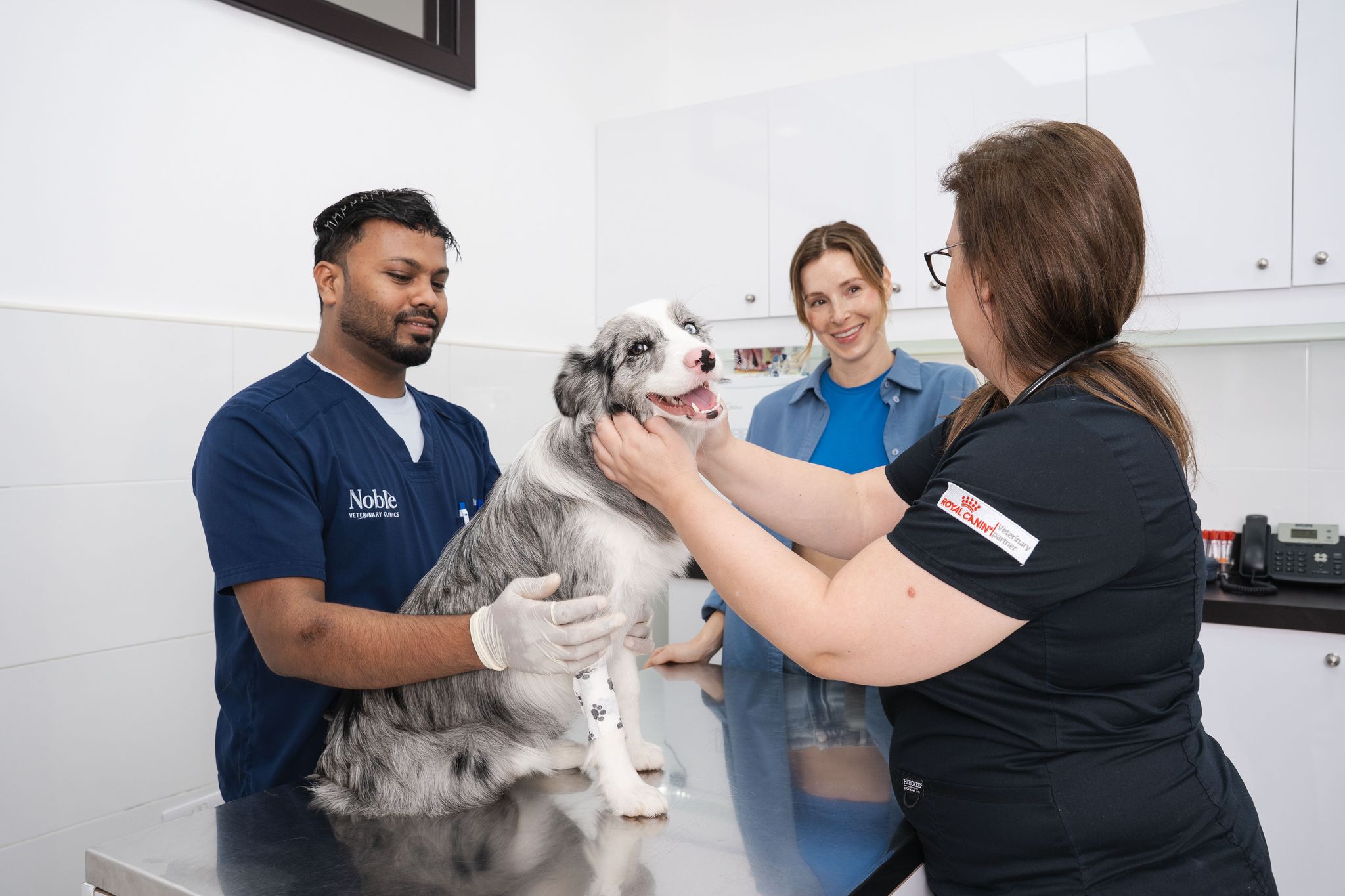
Two veterinarians are talking to a pet owner about supplying her dog's vitamins through food and supplements.

Choosing dog vitamins is less about finding the best bottle and more about finding what is most suitable for your dog and its condition. This means having the correct dosage, product, and target. 

Talk with our vets and let us check your dog for any specific needs. Generally, we’d recommend a nutritionally sound diet that checks all the boxes for its health. But when any particular needs arise, we can recommend specific multivitamins and supplements to support health and wellness. 

Next is to simply follow our prescription. Dosage is a key part of dog vitamins, and you have to make sure you give the right amounts for this supplement to work correctly. Additionally, take note of the expiration date of the product and never give any when it has expired. 

Lastly, never give your dog any human vitamins. 

“Supplying our dogs with vitamins is a way to enrich their bodies and lives.”

- Dr. Nenad Misura

Final Thoughts

Most dogs do not need specific multivitamins and supplements when they already have a balanced diet. However, there will be some dogs that need extra assistance when it comes to their health, and these are situations where these vitamins can help them stay healthy and happy.

Share

Custom Icon
Custom Icon
Custom Icon

Subscribe to Our Newsletter

Sign up for weekly pet health tips and insights from our veterinarians.

Sign up for weekly pet health tips and insights from our veterinarians.

Wellness & Emergency Care

Book Appointment

Book Appointment

Worried about your pet?

We’re here for urgent care, wellness checks, or anything in between. 

We’re here for urgent care, wellness checks, or anything in between. 

Get the best Vet care for your pet

© 2025 Noble Veterinary Clinics

Unique care for your best friends, because they’re family.

© 2025 Noble Veterinary Clinics

© 2025 Noble Veterinary Clinics