Glaucoma in Cats: Types, Symptoms, and Treatment

Our cats use their eyes to see and understand the world. With each small step they take, they learn more about us and the world. That’s why we must do everything we can to protect them from the many conditions that affect their eyes.
Key Takeaways
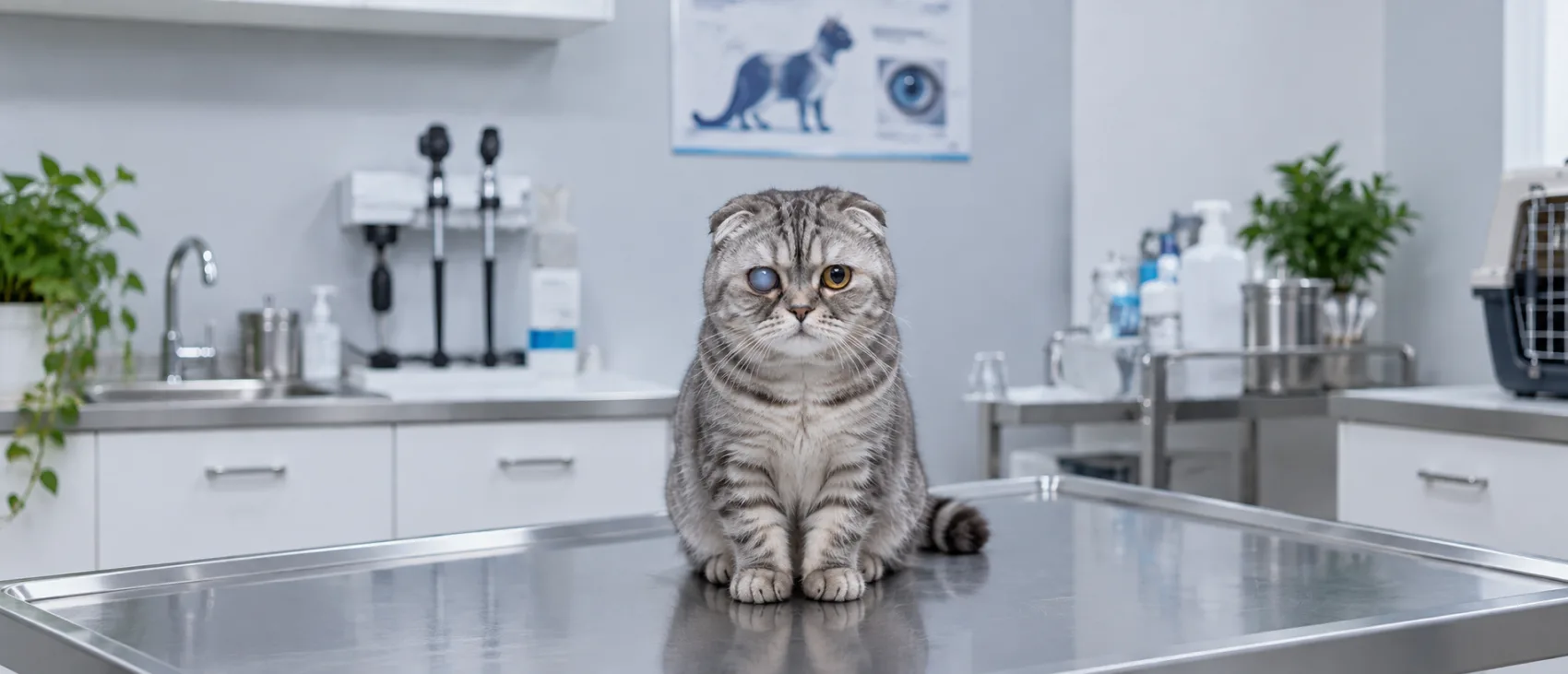
Glaucoma is a condition characterized by increased intraocular pressure, causing significant pain and potential blindness.
It’s generally caused by inherited traits, uveitis, lens dislocation, intraocular tumors, eye injuries, and advanced cataracts.
Feline glaucoma is treated and managed with medications and surgery.
What Is Glaucoma in Cats?
Glaucoma is essentially a painful eye condition caused by increased intraocular pressure. This damages the retina and optic nerve, potentially leading to blindness. Here are some key terms you need to know to better understand the condition:
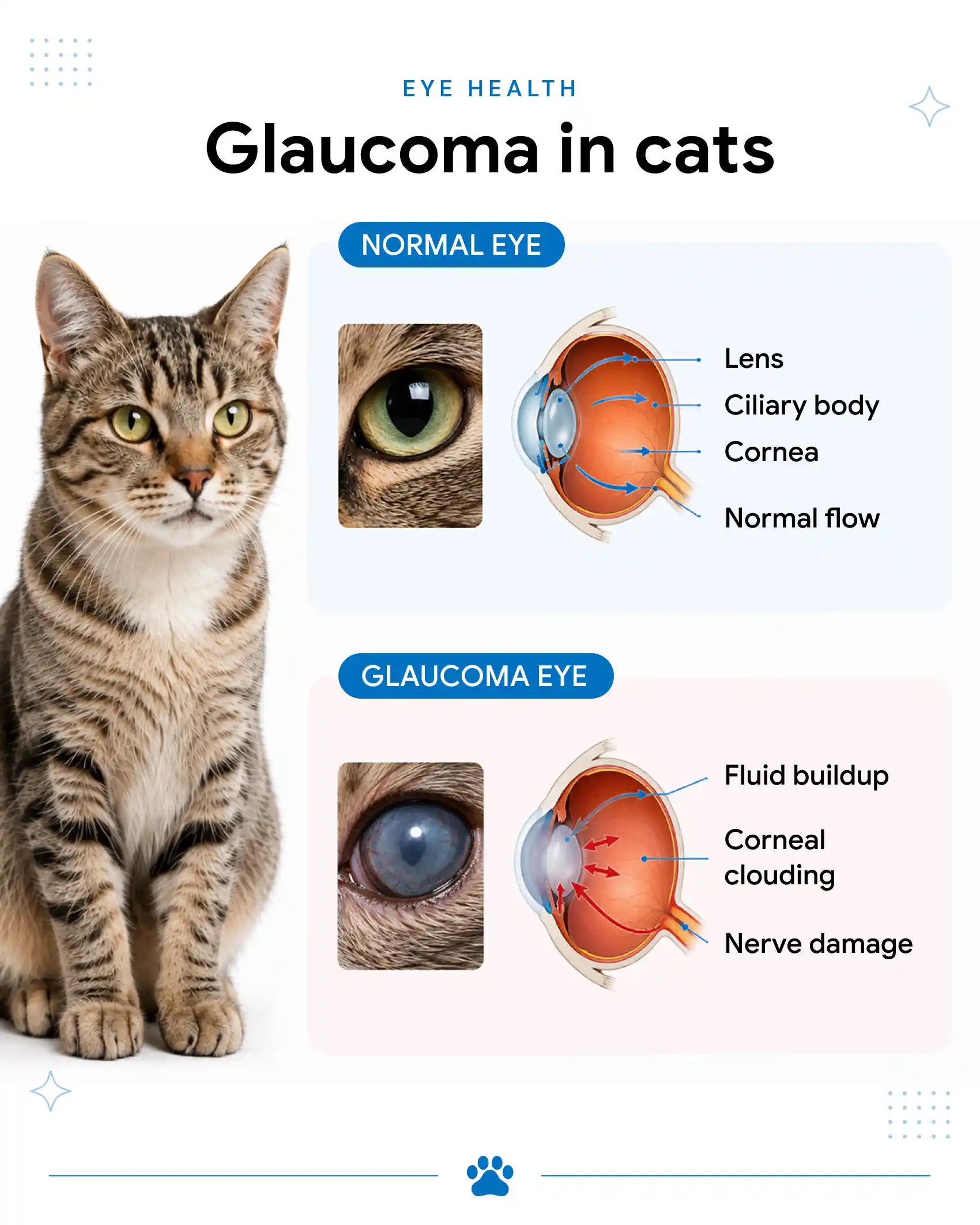
Aqueous Humor. The aqueous humor is the fluid inside the eyeball that maintains eye pressure.
Ciliary Body. The ciliary body is responsible for producing the aqueous humor and aids the lens in focusing on objects.
Intraocular Pressure. IOP is the pressure of the fluid inside the eye.
Iridocorneal Angle. Otherwise known as the drainage angle, the iridocorneal angle is the primary passageway for the outflow of the aqueous humor.
Normally, a cat’s eyes constantly produce and drain fluid at a stable rate. This continuous process supplies the eyes with nutrients and maintains intraocular pressure. When the aqueous humor fails to drain properly, intraocular pressure may increase, and cats may develop glaucoma.
What Are the Types of Glaucoma in Cats?
Feline glaucoma is generally categorised into two types: primary and secondary glaucoma.
Primary Glaucoma
This type of glaucoma is considered rare and often results from inherited factors and structural abnormalities of the eye, particularly the drainage system.
Some cat breeds develop narrowly formed drainage angles, which slow down the outflow of the aqueous humor. Because of this slow drainage, pressure builds over time. Cat breeds that carry an increased risk of glaucoma include:
Secondary Glaucoma
Secondary glaucoma in cats is a more common type, as it happens because of another underlying health or eye condition. This type often occurs later in life and can progress rapidly depending on the cause. Common causes include:
Uveitis. Uveitis is the painful inflammation of the middle layer of the eye. This results in swelling and protein buildup, which can result in the obstruction of the eye’s drainage angle.
Lens Dislocation. The lens, which is held together by zonules, can shift forward or backwards, causing problems with the outflow of fluid.
Intraocular Tumors. Masses and growths can block or compress the eye structures involved in draining the aqueous humor.
Eye Injuries and Intraocular Bleeding. Injuries to the eye, such as blunt trauma, scratches, or penetration, result in intraocular bleeding, which can negatively impact the drainage system.
Advanced Cataracts. When the lens becomes clouded from advanced cataracts, this can block the normal flow of fluid within the eye, causing increased intraocular pressure.
What Are the Symptoms of Glaucoma in Cats?
Feline glaucoma can present with subtle signs that may be difficult to notice. Here are the symptoms our vets observe:
Redness in the Eye. One of the earliest indicators of glaucoma is redness in the white part of the eye. This may come from the dilation of the blood vessels due to increased IOP.
Frequent Squinting or Blinking. Affected cats may squint or blink more frequently due to constant discomfort. Some may keep their eyes partially closed.
Excessive Tearing or Watery Eyes. Another sign of glaucoma in cats is tearing or watery eyes, which may happen as the eyes enlarge.
Cloudy or Bluish Cornea. Swelling in the cornea, as caused by fluid buildup, can make the eyes look cloudy or hazy.
Enlarged Eyeball. In advanced cases, the eyeballs may look enlarged. This occurs due to persistent pressure.
Vision Loss or Disorientation. If your cat starts bumping into objects, hesitates to enter unfamiliar spaces, or has trouble navigating, it might be losing its vision.
Unequal Pupil Size. One pupil may look larger than the other if the affected eye has increased pressure.
Behavioural Changes. Cats may appear irritated and withdrawn, while others may hide or have a reduced appetite.
Feline glaucoma is a progressive disease that may lead to blindness in cats. It’s very painful and uncomfortable, easily disrupting their routines and lifestyles.
In this guide, we’ll cover everything you need to know about this eye issue, including what it is, the types, the signs, how it’s diagnosed, and how it’s treated.
Frequently Asked Questions





Subscribe to Our Newsletter
Worried about your pet?
We’re here for urgent care, wellness checks, or anything in between.