Kidney Problems in Cats: Symptoms, Causes, and Treatment


Kidney Problems in Cats: Symptoms, Causes, and Treatment

Kidney Problems in Cats: Symptoms, Causes, and Treatment

Dr. Leticia Maia

Published Date

Published Date

Custom Icon
Custom Icon
Custom Icon

Your cat’s kidneys may be small, but they do wonders. These vital organs are key parts of filtering waste, balancing electrolytes, and producing red blood cells. They also help reduce blood pressure. 
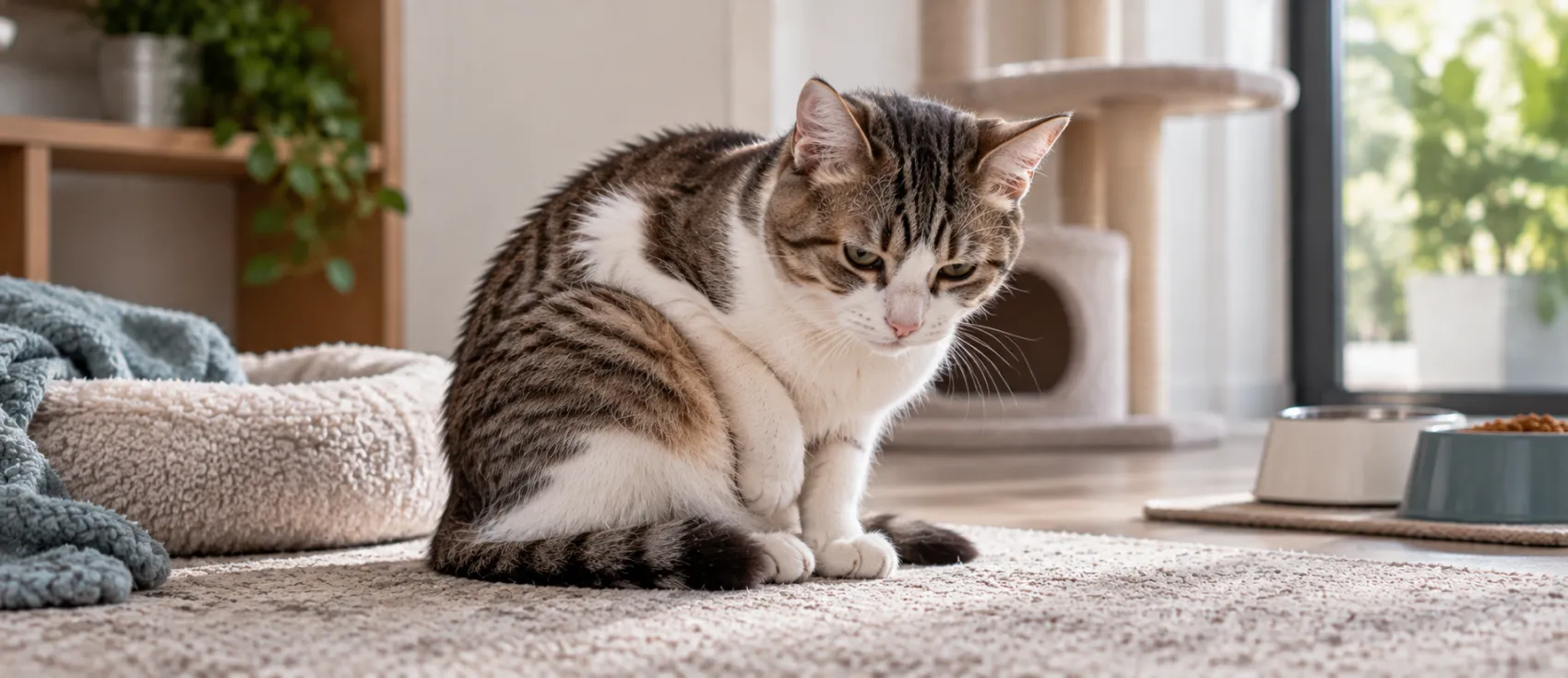
A veterinarian is checking a cat's physical condition before testing for kidney disease.

However, our cats' kidneys may experience a few problems, often without the most obvious of symptoms. When this happens, the consequences can be severe and life-altering. Kidney problems in cats are more common than most people think, so let's talk about them. 

In this guide, we'll explore the common types of kidney disease in cats and how they're diagnosed, treated, and prevented. 

What Are the Symptoms of Kidney Problems in Cats?

As the toxins build up, here are the signs you may expect to see.

  • Increased Thirst and Urination. Cats with kidney disease may drink more water as the kidneys struggle to filter out waste. As a result, they may also urinate more frequently. 

  • Weight Loss and Muscle Wasting. Kidney problems in cats may lead to weight loss and the breakdown of muscle for energy. 

  • Loss of Appetite. Toxins that build up in the bloodstream can make cats feel nauseous, reducing appetite. 

  • Vomiting and Bad Breath. Waste products that accumulate in the body may lead to vomiting and cause a strong ammonia-like smell on the breath. 

  • Poor Coat Quality. The coat may look dull as cats may not always groom themselves as they normally do. 

  • Behavioral Shifts. Some can appear withdrawn, less vocal, and irritable. 

In advanced cases, there will be severe symptoms such as: 

  • Severe Vomiting and Diarrhea. The extremely high levels of toxicity can cause severe gastrointestinal irritation, causing severe vomiting and diarrhea. 

  • Seizures or Twitching. Excessive toxin buildup can affect the nervous system and disrupt brain activity. 

  • Urinary Incontinence. As the kidney problem worsens, cats may lose control of their bladder.

  • Inability to Walk. Extreme weakness and dehydration can impair muscle and nerve function. 

What Causes Kidney Problems in Cats?

There are several reasons why cats may experience kidney problems. These include: 

Aging

As cats get older, their kidney tissues deteriorate and wear down, losing efficiency. This natural decline may lead to chronic kidney disease. 

Infections

Bacterial and viral infections can damage kidney tissues and interfere with their ability to filter out waste. When left untreated, this can cause long-term kidney problems in cats. Examples are pyelonephritis and feline infectious peritonitis

Toxin Ingestion

Exposure to poisonous substances such as antifreeze, human medications, and even certain plants toxic to cats can severely damage the kidneys. 

Genetic Conditions

Some breeds, such as Persians, are more prone to polycystic kidney disease, a condition in which the fluid-filled cysts destroy kidney tissue.

Urinary Obstructions

Blockages and obstructions along the urinary tract may also cause urine to back up into the kidneys. This can damage kidney tissues and disrupt the organ’s ability to filter out waste. 

Secondary Causes

Other health issues may also lead to health problems in cats, including dental disease, high blood pressure, low blood pressure, and dehydration. 

A veterinarian is talking to a pet owner about her cat's kidney disease.

What Are the Most Common Kidney Problems in Cats?

Kidney disease in cats doesn’t come in just one form. From age-related deterioration to genetic conditions or sudden injury, the disease can vary.

Chronic Kidney Disease (CKD)

A progressive, irreversible condition, often referred to as chronic kidney failure, in which kidney function declines over months or years. Often diagnosed in senior cats. Cats with CKD require lifelong support.

Acute Kidney Injury (AKI)

A sudden drop in kidney function due to toxins, blockages, trauma, or infection. Requires emergency care.

Polycystic Kidney Disease (PKD)

A genetic disorder common in Persians and Himalayans that causes fluid-filled cysts to form in the kidneys.

Glomerulonephritis

An inflammatory condition affecting the glomeruli, the filtering structures within the kidneys. Often linked to infections or immune dysfunction.

Renal Amyloidosis

A serious disease in which abnormal, insoluble proteins accumulate in the kidneys. These amyloids cause inflammation and progressive kidney failure. 

Renal Dysplasia

A congenital condition where one or both of the kidneys do not develop properly after birth. These may remain small, deformed, or dysfunctional. 

Pyelonephritis and Leptospirosis

Bacterial infections may cause acute damage. Leptospirosis is rare but possible in outdoor or feral cats.
Worried your cat might be showing signs of kidney disease?

Worried your cat might be showing signs of kidney disease?

Book a consultation with our veterinary team now.

Book a consultation with our veterinary team now.

How Do Vets Diagnose Kidney Problems in Cats?

Before proceeding to the treatment process, your cat’s condition will be tested and diagnosed. Here are the methods we use:

Blood Tests

Blood tests can test for several metrics involved in kidney problems in cats. These include:

  • Blood Urea Nitrogen and Creatinine. These are waste products normally filtered by the kidneys. They are examined together to assess kidney function.

  • Symmetric Dimethylarginine. A byproduct of protein breakdown and an early diagnosis marker of kidney trouble in cats.

  • Phosphorus, Calcium, and Potassium Levels. These metrics help assess how kidney problems are affecting mineral balance in the body.

Urinalysis

Another critical test of kidney function is a urinalysis. 

  • Urine Specific Gravity. USG helps assess kidney function by measuring the concentration of urine in the kidneys. This helps our vets identify if the kidneys can effectively concentrate or dilute urine. A refractometer is typically used. 

  • Proteinuria. Indicates the presence of excess protein in urine and may signal kidney damage.

Imaging

Diagnostic imaging technologies, such as ultrasounds and X-rays, can visualize the size, shape, and condition of the kidneys. Cysts and inflammation can point to kidney disease. Imaging can also help detect bladder stones and abnormalities in organ size.

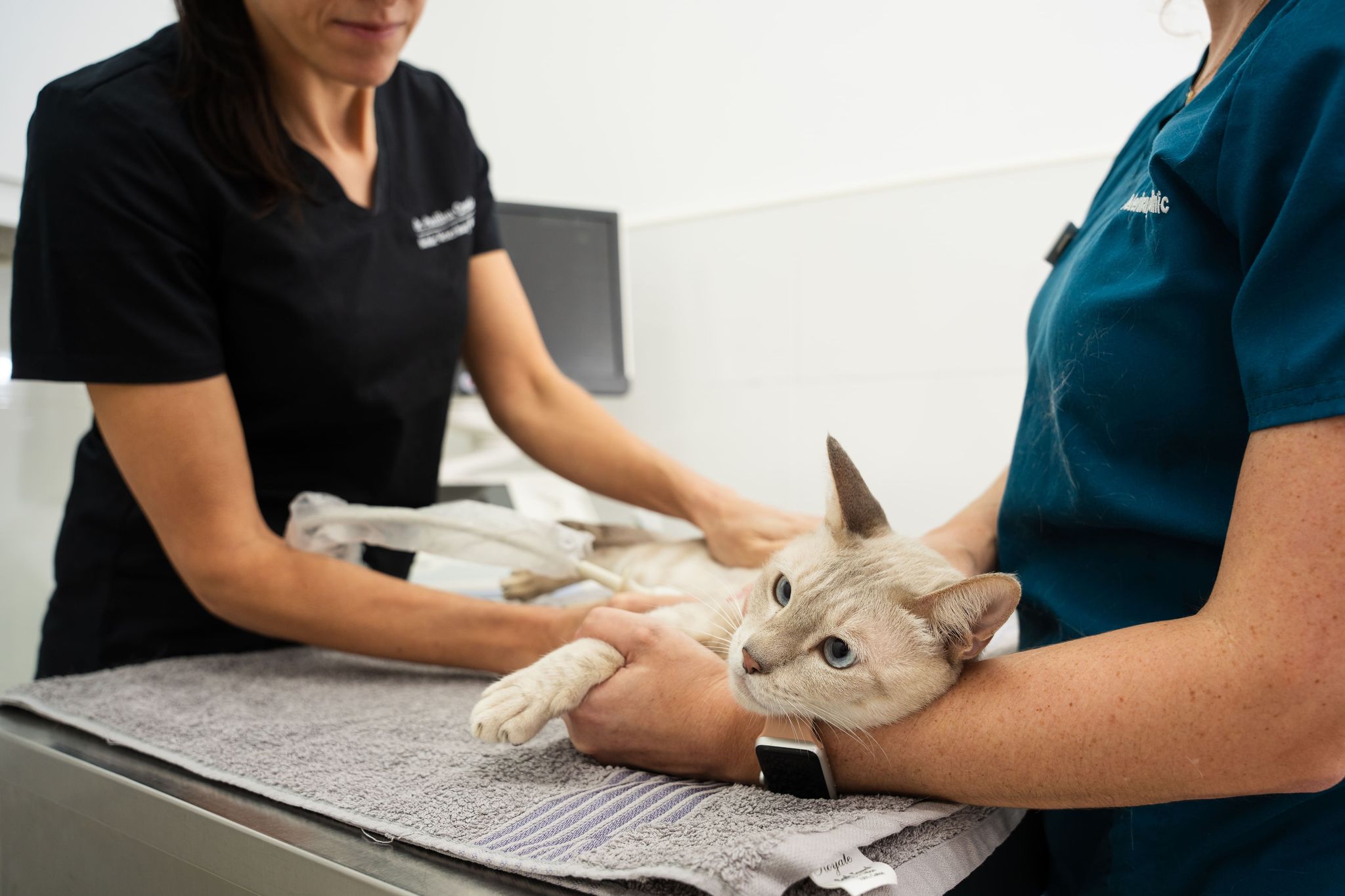
Two veterinarians are examining a cat for signs of kidney disease.

How Are Kidney Problems in Cats Treated?

After diagnosis, we’ll proceed directly to treatment. The goal is to alleviate the burden on the kidneys and manage your cat’s symptoms. 

Medical Management

Depending on the condition, your cat may need high-blood-pressure medications, phosphate binders, appetite stimulants, or anti-nausea drugs. These help stabilize your cat’s condition and improve the quality of life.

Dietary Adjustments

Therapeutic kidney diet plans are typically low in phosphorus and protein, and rich in omega-3 fatty acids. Supplements like potassium and B-complex vitamins may support red blood cells and kidney function.

Hospitalization or Surgery

Hospitalization is required for severe dehydration, obstruction, or acute kidney failure. Cats may need to be hospitalized for intravenous fluids, monitoring, or surgical intervention, especially if there’s a blockage or acute damage that requires immediate care.

Fluid Therapy

Dehydration is a significant concern in cats with kidney problems. IV fluids, in-clinic or subcutaneous fluids at home, help remove waste and prevent further kidney damage.

How to Prevent Kidney Problems in Cats?

Taking the right steps to prevent kidney problems in cats helps with their overall health. Here are some tips to follow:

  1. Encourage Hydration

Ensuring your cat stays well-hydrated is one of the most important preventive measures. Since cats are prone to dehydration, providing fresh water at all times is crucial. 

Consider giving wet food, which has a higher moisture content and helps keep your cat hydrated. You can also use water fountains, as the appeal can be enticing for cats.

  1. Feed a Balanced Diet

Provide a well-balanced diet designed to support your cat’s kidney health. There are several specialized diets that help cats with kidney troubles. These diets specialize in providing low amounts of protein, sodium, and phosphorus. 

  1. Regular Veterinary Checkups

The occasional cat checkup is an essential part of cat health. We thoroughly check on your cat’s kidneys, making sure they are functioning perfectly. If we see anything that needs urgent care, we’ll get right to it and fill you in on what’s happening. 

“A cat’s kidneys may be small, but their role is life-sized. Protecting them means protecting your cat.”

- Dr. Leticia Maia

Final Thoughts

Kidney problems in cats, whether chronic or acute, may be inevitable, but there are some ways to prevent and manage the symptoms of kidney problems in cats. With our collective teamwork, we can provide a healthy and happy life for your cats. It all takes a bit of knowledge and a lot of care.

Frequently Asked Questions

What to feed a cat with kidney disease?

A renal diet that’s low in phosphorus, high in protein, and enriched with omega-3 fatty acids is recommended to support the kidneys. Wet food is also the desired type. Avoid foods that are processed or high in sodium.

How long can a cat live with this disease?

Cats with kidney problems may live for several months to years, especially when managed well. Cats diagnosed early have a much more favorable chance, while those diagnosed late may only survive a few months.

Is this painful for cats?

Kidney problems in cats can be very painful and uncomfortable for cats, especially in advanced stages or with acute kidney injury.

How often should cats be checked for kidney disease?

Annual wellness exams are always recommended for an overall checkup. Cats diagnosed with kidney disease require monitoring every 3 to 6 months, more frequently for those with advanced cases.

Is kidney disease common in cats?

Yes, kidney problems may be common in cats, especially as they age or develop specific health issues. It’s one of the most common types of illnesses in cats.

Share

Custom Icon
Custom Icon
Custom Icon

Subscribe to Our Newsletter

Sign up for weekly pet health tips and insights from our veterinarians.

Sign up for weekly pet health tips and insights from our veterinarians.

Wellness & Emergency Care

Book Appointment

Worried about your pet?

We’re here for urgent care, wellness checks, or anything in between. 

Get the best Vet care for your pet

© 2006-2026 Noble Veterinary Clinics

Your veterinary practice, always here

© 2006-2026 Noble Veterinary Clinics

© 2006-2026 Noble Veterinary Clinics