Ticks are among the most annoying parasites our cats may encounter. Even if they don’t go out that much, they’re still very much at risk. Ticks can transmit bacteria and parasites through their bites, and even a single tick can cause illness in cats.

In this blog, we’re going to talk all about tick disease in cats. We’ll share the common examples and the usual symptoms they cause. Next, we’re going to talk about diagnostics, treatment, and the ways you can prevent them.
What Is Tick Disease in Cats?
It’s a general term that is used to describe any illness cats get from the pathogens transmitted by ticks through their bites. When a tick feeds on a cat’s blood, they can pass these organisms into the bloodstream, potentially leading to infections and diseases.
In many cases, a cat’s immune system is able to fight off the infection before symptoms develop. However, there can be times when the disease does manifest.
Tick diseases in cats can affect different parts of the body, including the blood, immune system, organs, and nervous system. It all depends on the type of tick and the pathogen they carry. Some can be mild and easy to cure, while others are deadly and serious.
Outdoor cats have the highest risk, as ticks live in grassy areas where bushes, leaf litter, and woody elements reside. Even short trips to these places can be enough for a cat to pick up a tick.
However, even indoor cats can get ticks. Ticks can hitch a ride into the home on dogs, people, clothing, and shoes. Once indoors, they can latch onto a cat without being noticed.
What Are the Symptoms of Tick Disease in Cats?

Illness caused by ticks can manifest in several signs, with some vague and others more noticeable. Common signs include:
Lethargy. Some cats can experience lethargy. They might sleep more and appear uninterested in their routine activities.
Fever. A fever is a common response to infection, and your cat may feel unusually warm or seek cool places to rest.
Loss of Appetite. Your cat might eat less, skip meals, or show less interest in treats they usually love. This is common when cats have infections or diseases.
Joint Issues. Some tick diseases in cats can result in joint pain and stiffness, as well as swollen joints. These can hinder movement.
Anemia. Some cats can have pale gums, unusual bruising, or nosebleeds.
Enlarged Lymph Nodes. Lymph nodes can swell when the immune system is fighting an infection. This can feel like firm little lumps under the jaw, near the shoulders, or behind the knees.
In severe cases, serious signs can occur.
Difficulty Breathing. Breathing difficulties indicate illness affecting the lungs or blood, which are emergencies.
Jaundice. Cats can also experience yellowing of the gums, skin, and eyes in severe cases of tick disease.
Neurological Signs. When tick disease affects the nervous system, affected cats can experience behavioral changes, sudden incoordination, and confusion.
Weakness or Collapse. Severe weakness can happen when an infection affects circulation, blood cells, or organ function. Some cats may collapse completely.
Common Tick-Borne Disease in Cats
Now that we’ve covered the basics, let’s talk about the common types of tick disease in cats.
Cytauxzoonosis (Bobcat Fever)
Bobcat fever is a severe illness caused by the parasite Cytauxzoon felis, transmitted by Lone Star ticks. This disease is considered a medical emergency because of its quick progression, rapidly worsening without sufficient care. Common signs include fever, lethargy, and breathing issues.
Ehrlichiosis
A tick-borne disease in cats caused by Ehrlichia bacteria that invade white blood cells. This can result in inflammation, fever, decreased appetite, and anemia. However, this condition is generally rare.
Anaplasmosis
Anaplasmosis is a tick-borne disease caused most commonly by Anaplasma phagocytophilum. It’s usually transmitted by deer ticks and results in symptoms such as swollen lymph nodes, joint stiffness, and potentially, seizures.
Lyme Disease
Lyme disease is caused by the bacterium Borrelia burgdorferi, transmitted by the deer tick. These ticks obtain the bacteria when they feed on infected mice. Common symptoms include lameness, joint issues, and breathing problems.
Tularemia
A bacterial disease caused by Francisella tularensis, which cats can contract by eating infected rabbits and rodents. It’s also transmitted by the American dog tick, Lone Star tick, and Rocky Mountain wood tick. Some of the signs include fever, poor appetite, jaundice, and enlarged lymph nodes.
How Do Vets Diagnose Tick Disease in Cats?

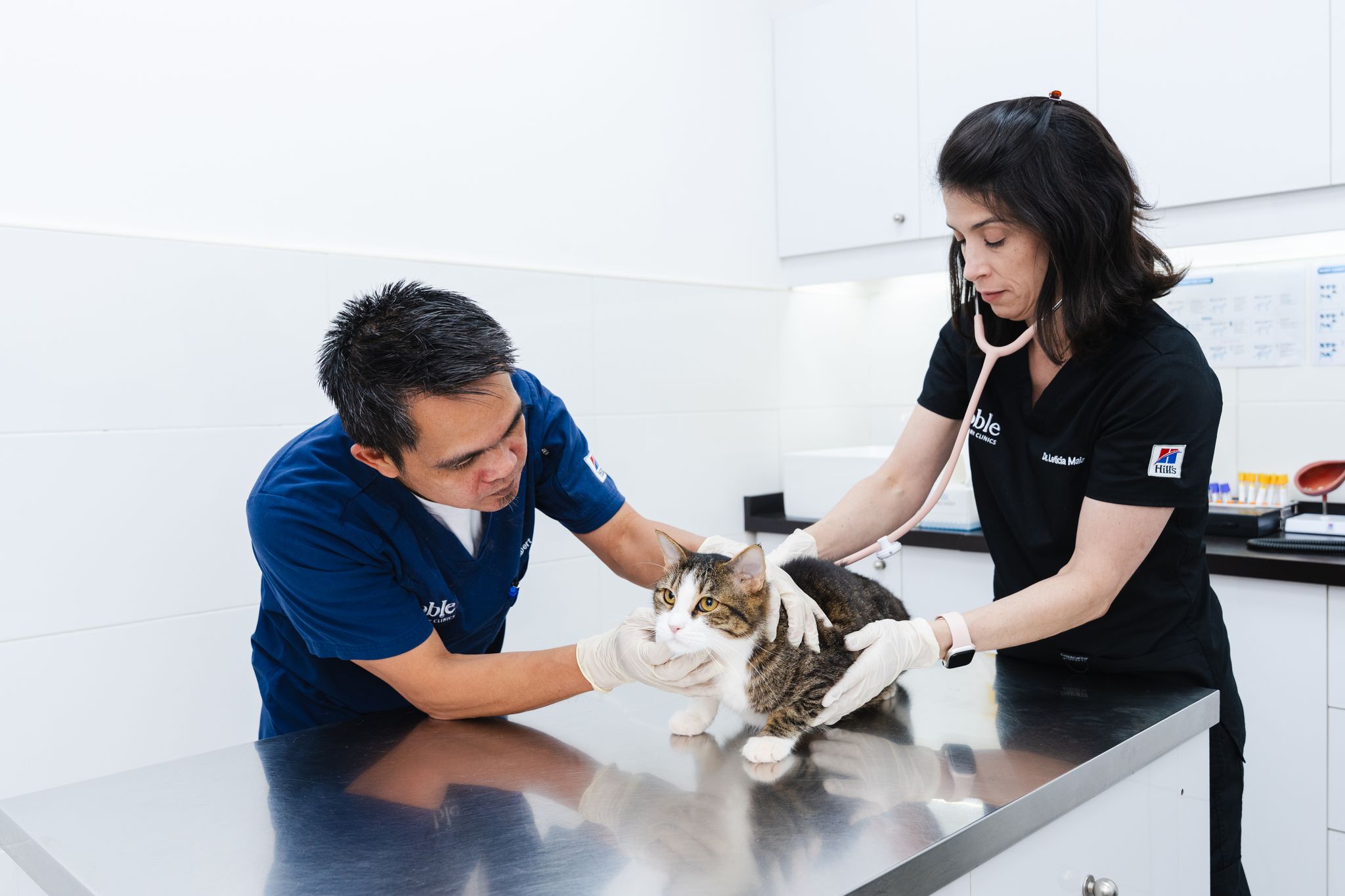
We’ll start with a physical examination and a few questions about your cat’s lifestyle, especially about outdoor activity. Our vets will focus on taking note of the symptoms present and your observations at home.
Next, we can proceed to do a few laboratory tests.
Complete Blood Count. A CBC will help us evaluate your cat’s red and white blood cells, as well as its platelets. This can also reveal anemia, a key symptom of tick disease in cats.
Blood Chemistry Panel. This blood test assesses organ function, including the liver and kidneys.
Blood Smear Examination. In some cases, we may examine a blood smear under a microscope. This will allow us to reveal parasites such as Cytauxzoon felis within the blood cells.
PCR Test. This test accurately identifies the DNA of the specific pathogen in the sample.
Antibody Test. Serology tests measure antibodies produced by the immune system in response to infection.
How Are Cat Tick Diseases Treated?
Treatment is straightforward, with varying degrees depending on your cat’s condition.
Tick Removal
If a tick is still attached, our vets will carefully remove it to ensure it no longer transmits pathogens. The bite area will be cleaned and monitored for local infections. If you notice the tick at home, then follow our cat tick removal guide:
Medications
For bacterial tick-borne diseases such as ehrlichiosis, anaplasmosis, and tularemia, we often prescribe antibiotics like doxycycline. The treatment process will last for several weeks. Even if your cat starts to improve, following the full schedule is essential.
For bobcat fever, antiprotozoal medications will be required. Other supportive medicines will be provided as needed.
Supportive Care
To support your cat’s recovery, we will provide fluids, nutritional support, and oxygen therapy as needed. These will help stabilize your cat while their body fights off the infection. If the issue becomes severe, we may recommend hospitalization.
Vet Tips: How to Prevent Tick-Borne Diseases in Cats

Prevention is always the right measure to take to protect our cats. It starts with a good routine and a consistent approach. Here are a few tips:
Use Vet Preventives
Ask our vets about the best products for your cat, and we can provide them at our vet pharmacy. Always remember to give your cat year-round preventives to protect them from ticks. This is especially important if you live in a tick-prone area.
Groom Your Cat
Always remember to groom your cat. Grooming allows you to check on your cat’s skin and coat, while also keeping it clean. Regular brushing can be done 1-3 times a week, with bathing as needed.
Clean Your Home
If you have tall grass or bushy areas near your home, be sure to clean them. Yard maintenance is a great way to prevent ticks from getting to your cat and your home.
“The smallest acts of care can make the biggest difference for our dogs.”
- Dr. Soheyl Simaei
Final Thoughts
Tick disease in cats can be easy to overlook, especially when the signs are subtle. Even one tick bite can potentially cause serious illness, so it’s always important to take steps to protect your cat from these parasites.
Share