Breed Overview
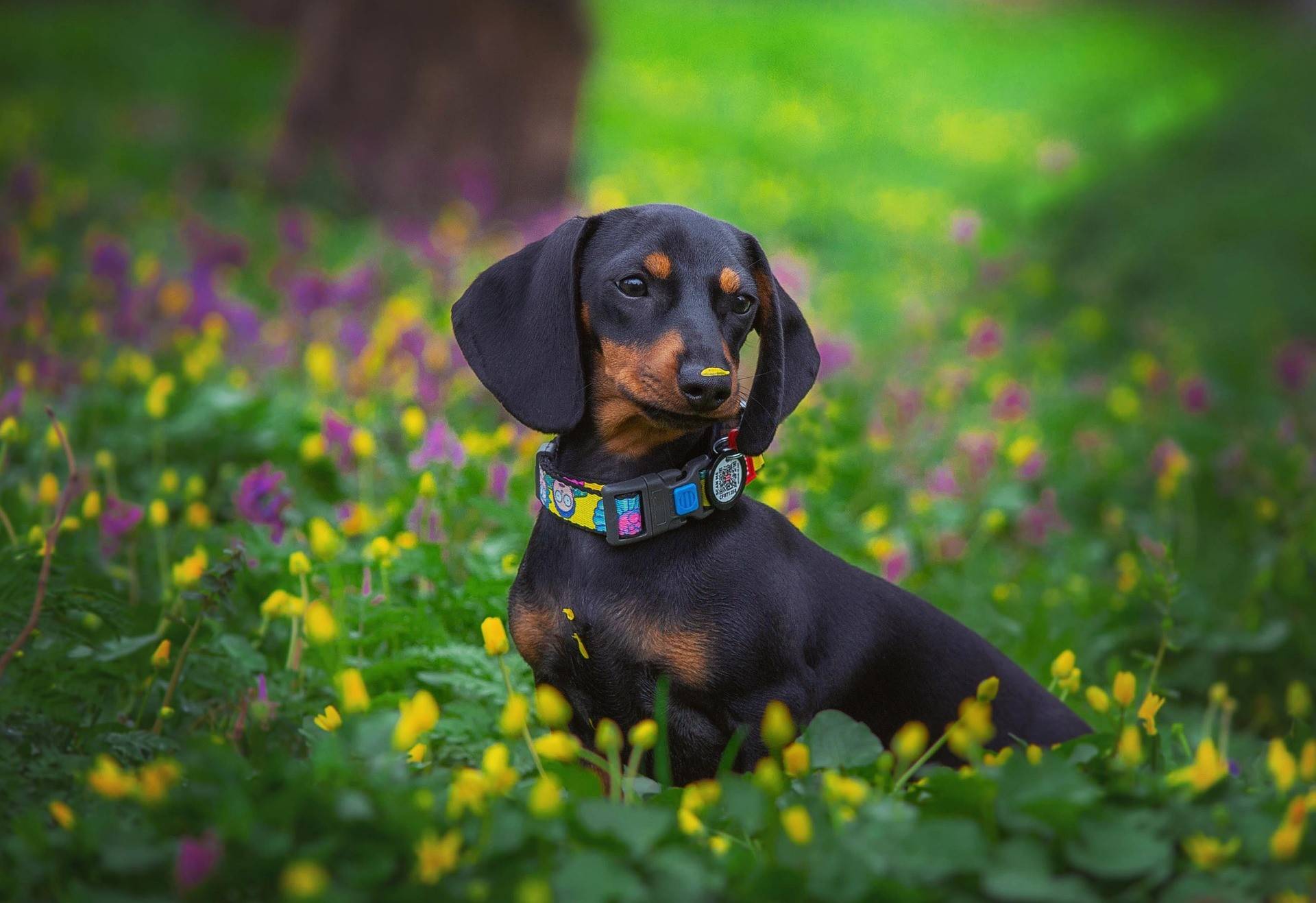
Personality: Affectionate, courageous, vocal, playful, social, stubborn
Standard: up to 9.1 kg (20 lbs); Mini: up to 5 kg (11 lbs)
Coat Colors: Red, black and tan, chocolate, cream, blue, wild boar, fawn
Short, long, and wire-haired
Coat Patterns: Solid, dapple, piebald, sable, brindle, boar
Eye Color: Brown, blue, green, heterochromia
12 to 16 years
No
History of the Dachshund
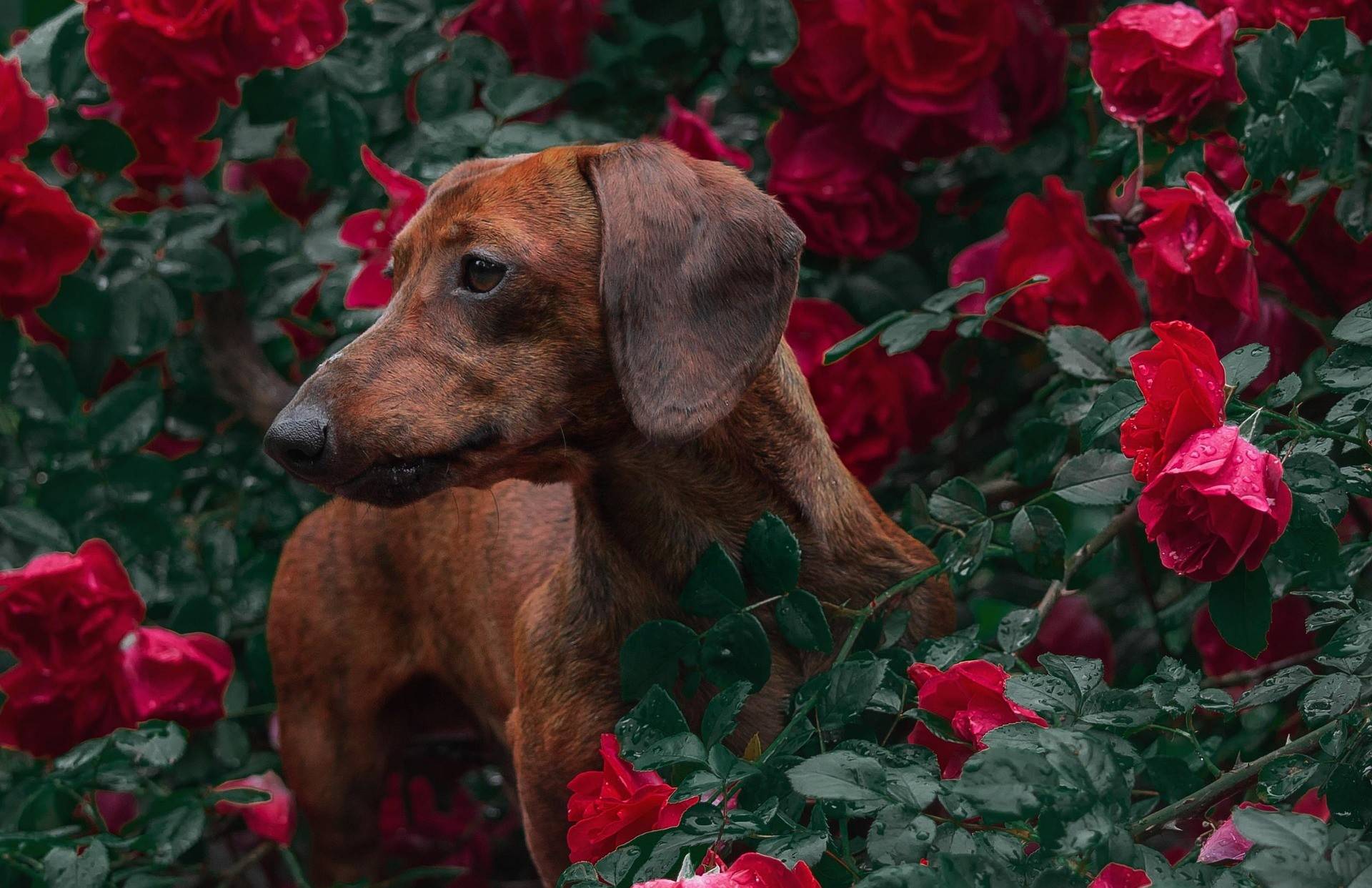
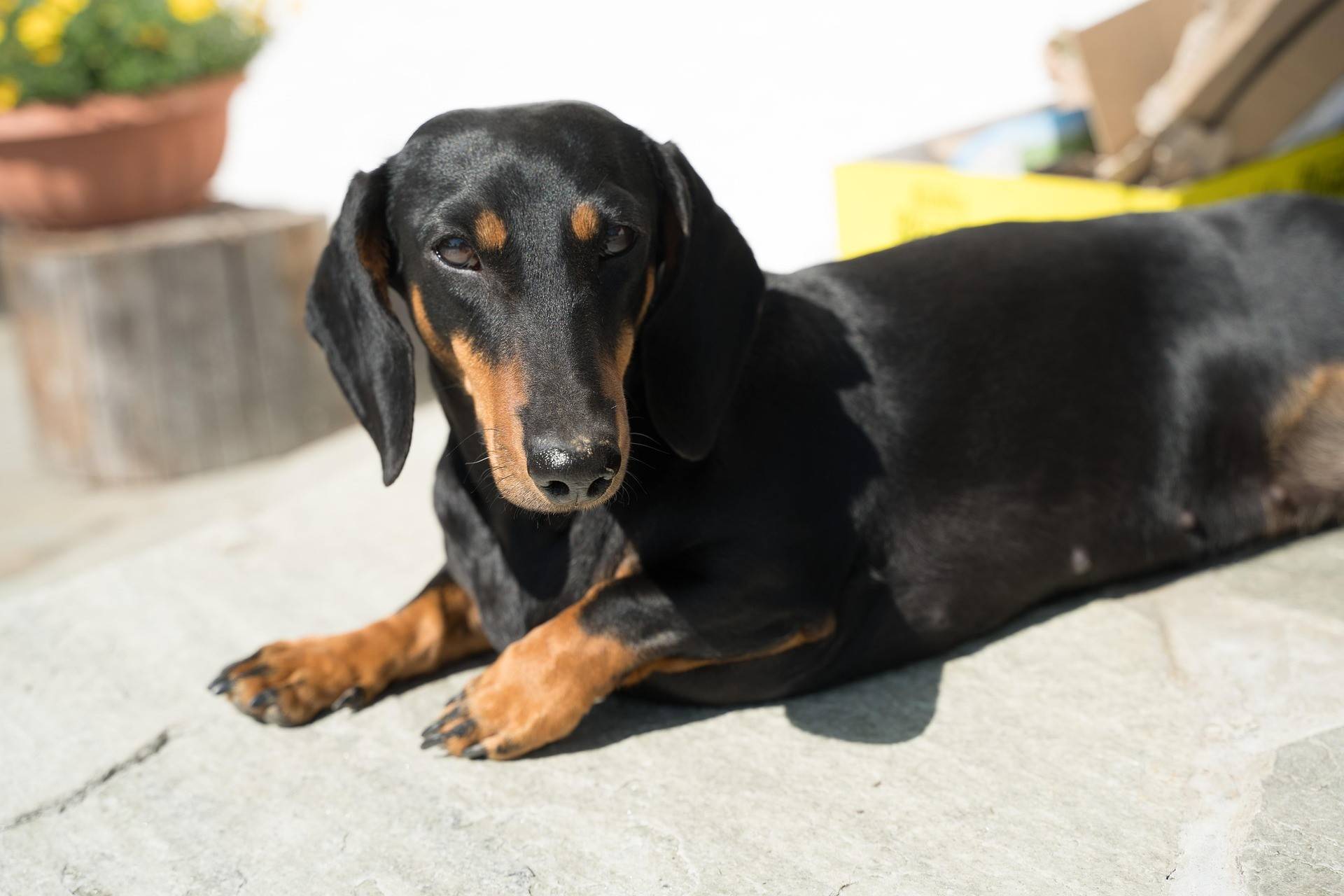
Dachshunds originated as badger hunters for the Germans in the 18th century. Their long, low body, powerful front paws, and short legs made them ideal for digging into tunnels and confronting badgers.
As their usefulness grew, so did their popularity. These dogs were even kept as companions by royalty and nobility, notably Queen Victoria and Kaiser Wilhelm II.
Today, Doxies continue to be cherished by families all across the world. It’s become one of the most popular dog breeds in the world, and with good reason.
Physical Characteristics of Dachshund
Head
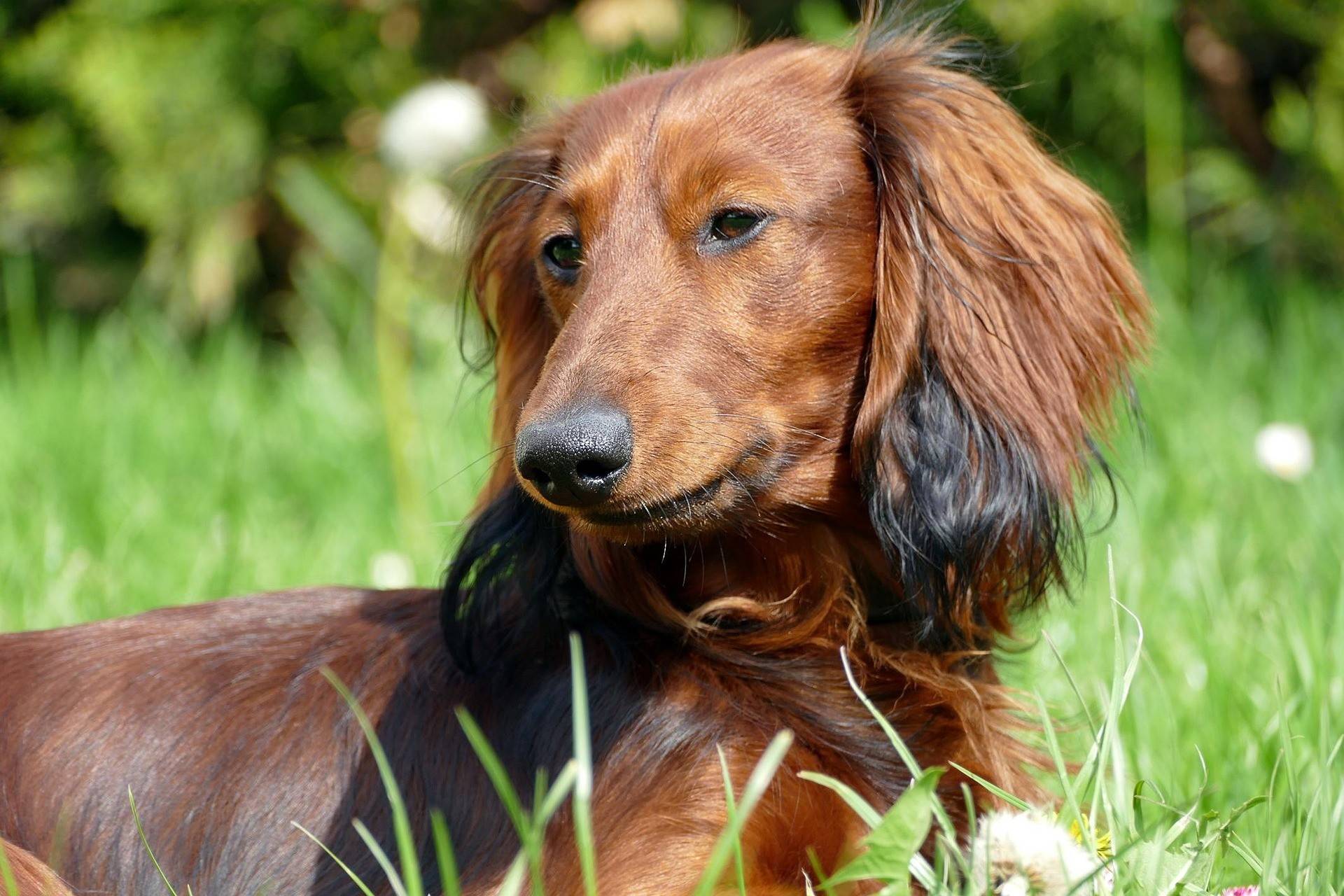
The head has an elongated and slightly arched skull with a long, tapering muzzle. The nose is prominent, and the jaw is strong with tight lips.
Eyes
They have medium-sized eyes with an almond shape. Colors come in brown, blue, green, and heterochromia.
Ears
The ears are set near the top of the head, long, and rounded at the tips, hanging close to the cheeks. Long-haired Dachshunds have hair on their ears.
Body
Doxies have a long and muscular body with a straight back and a deep chest. The abdomen is slightly tucked up.
Limbs
The legs are strong with developed muscles. Their front paws are large and paddle-shaped.
Tail
Dachshunds have a moderately long tail that curves slightly upward.
Coat
Their coat comes in three varieties: smooth, long-haired, and wire-haired. These come in colors like red, black and tan, chocolate, cream, blue, wild boar, and fawn.
Size
Standard Male and Female: 20.3-22.9 cm (8-9 inches); Mini Male and Female: 3.6-5 kg (5-6 inches).
Weight
Standard Male: 4.5-9.1 kg (10-20 lbs); Standard Female: 3.9-8.6 kg (8.5-19 lbs); Mini Male and Female: 3.6-5 kg (8-11 lbs).
Just welcomed a Dachshund?
What to Expect With a Dachshund
Vocalization Level
Dachshunds are known for their loud and persistent barking, often alerting owners to any unusual activity.
Energy Level
These dogs are moderately energetic, enjoying playtime, walks, and games with their owners and families.
Independence Level
They are somewhat independent and stubborn, but they will crave human affection if left alone for too long.
Affection Level
Dachshunds are very affectionate and playful. They love hanging out with their owners and spending time with them.
Compatibility with Children
Dachshunds are good with kids as long as no rough play is involved. Constant supervision is recommended.
Compatibility with Other Pets
They can get along well with other pets, but their strong prey drive might get in the way of forming friendships. These dogs can sometimes get territorial.
Adaptability Level
These dogs can adapt to any situation with ease, as long as their needs are met. Having their families nearby will help them adjust.
Trainability Level
Dachshunds are intelligent but can be stubborn, especially during basic training. Patience, positive reinforcement, and consistency are important.
Exercise Requirements
They enjoy daily walks and short bursts of play but should avoid activities that involve jumping due to their long backs. About 30 minutes to an hour is enough.
Mental Stimulation Needs
Dachshunds can get bored and can benefit from Interactive toys, training sessions, and games. These can boost their mental health and prevent boredom.
Grooming Frequency
Short-haired Doxies require minimal grooming, while long-haired and wire-haired varieties will require daily brushing and bathing every 1 to 3 months.
Health Concerns of Dachshund
How to Groom a Dachshund
Coat Maintenance
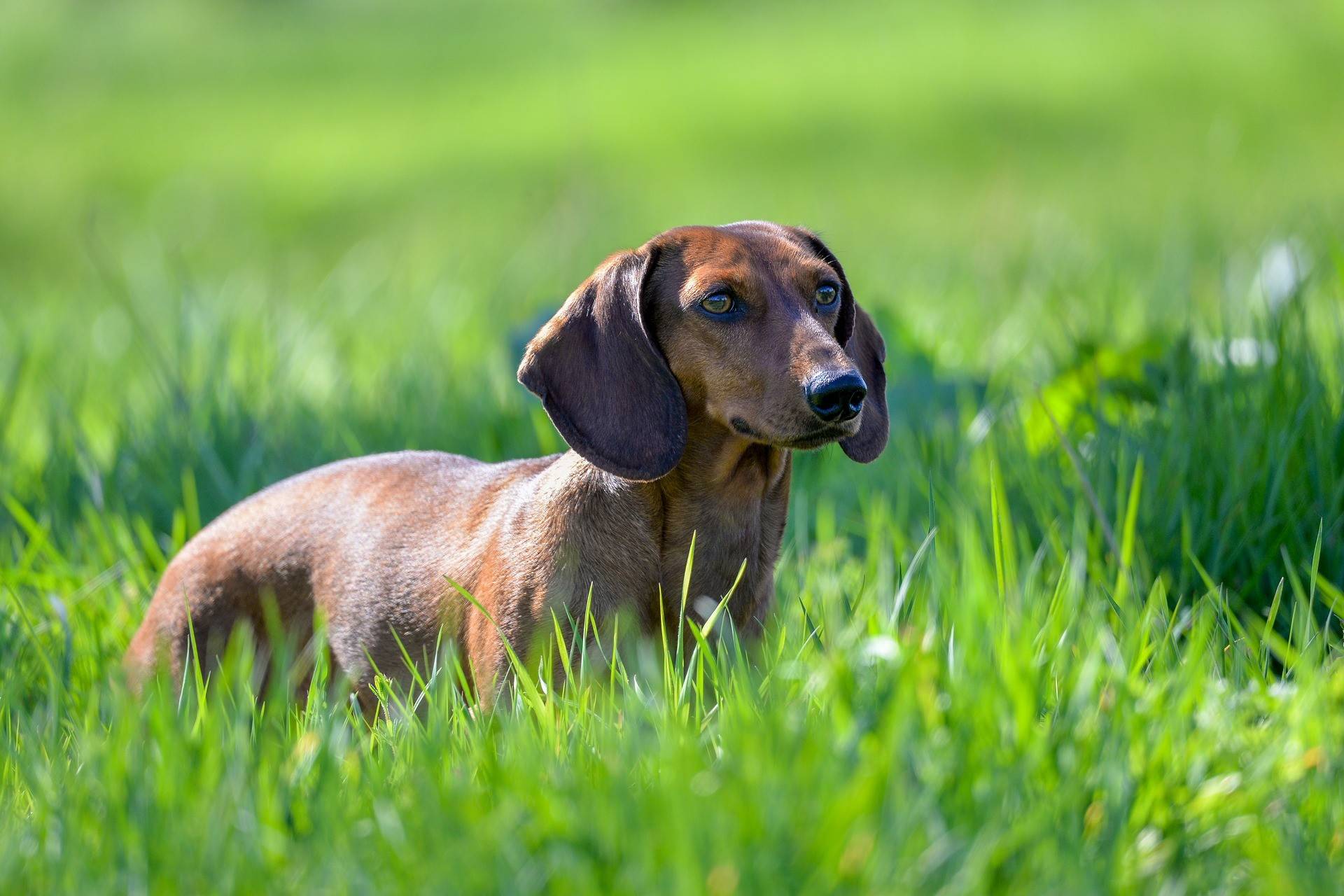
Smooth-coated Dachshunds only need to be brushed once a week with a soft bristle. Long-haired and wire-haired variants will require daily brushing with a slicker brush.
Skin Health
Regular brushing will help keep the skin nice and healthy. Additionally, use gentle shampoos and avoid overbathing Dachshunds.
Bathing Routine
Generally, Dachshunds require a bath every 1 to 3 months. Long-haired variants may require more frequent baths. Use a pet-safe shampoo and dry thoroughly.
Nail Trimming
Nails should be trimmed every 2 to 3 weeks or if they grow too long to prevent overgrowth and discomfort. Use a sharp nail clipper meant for dogs.
Ear Cleaning
Cleaning their ears should be done once a month to remove any dirt or debris that might have gotten stuck. Use a vet-approved cleaning solution and cotton balls.
Eye Care
Eye cleaning can be done as needed only. Wipe outward from their eyes gently with a damp, soft cloth.
Dental Hygiene
Daily dental care at home is recommended. Use a pet-safe toothpaste and toothbrush.

MORE THAN A VET VISIT