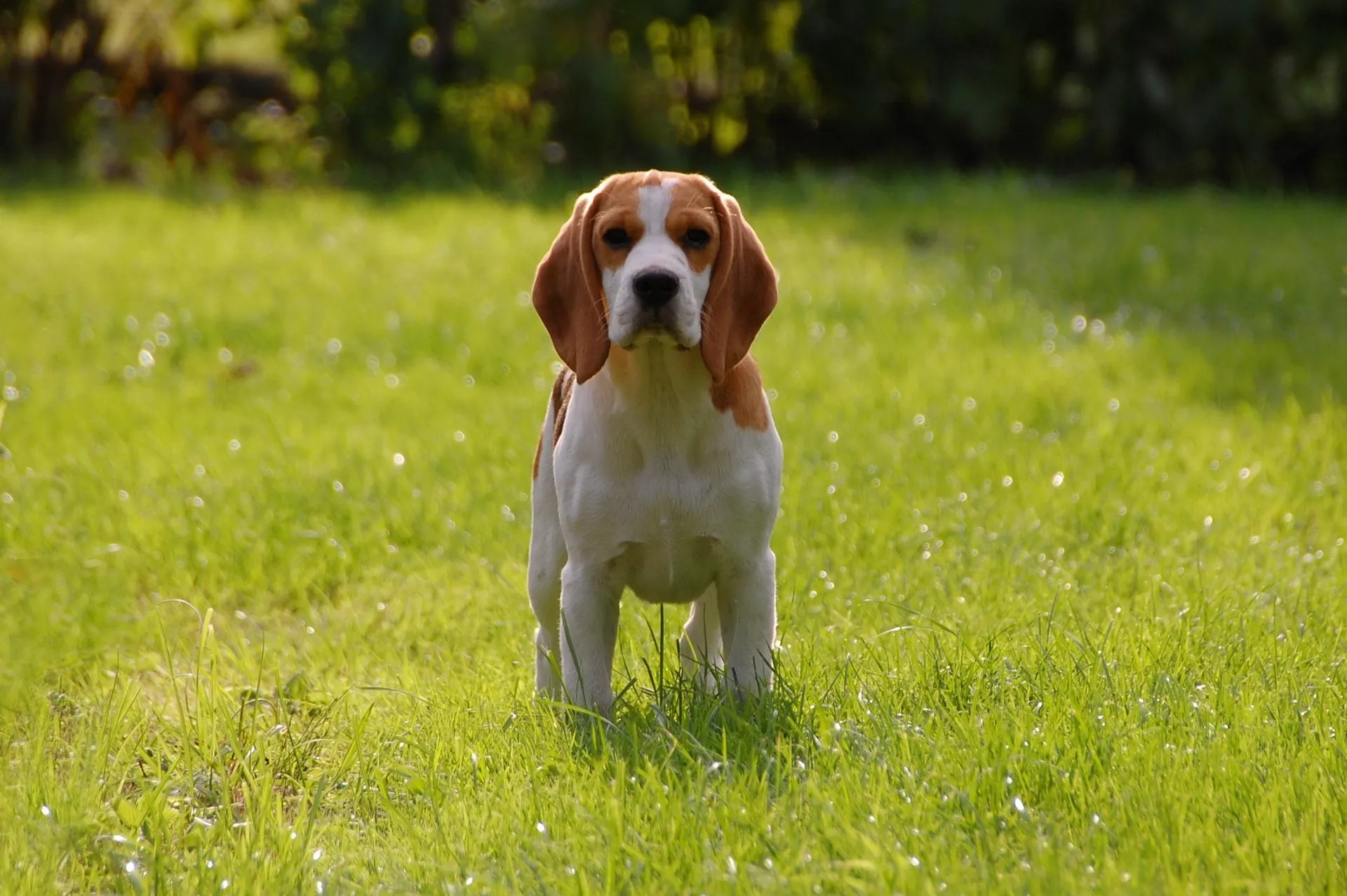
Breed Overview
Personality: Friendly, curious, gentle, sociable, food-motivated
16-20 kg (35-44 lb)
Coat Colors: Tricolour, red and white, lemon and white, and other hound colour combinations
Short
Coat Patterns: Solid, bicolour, tricolour
Eye Color: Brown or hazel
10 to 15 years
No
History of the Beagle
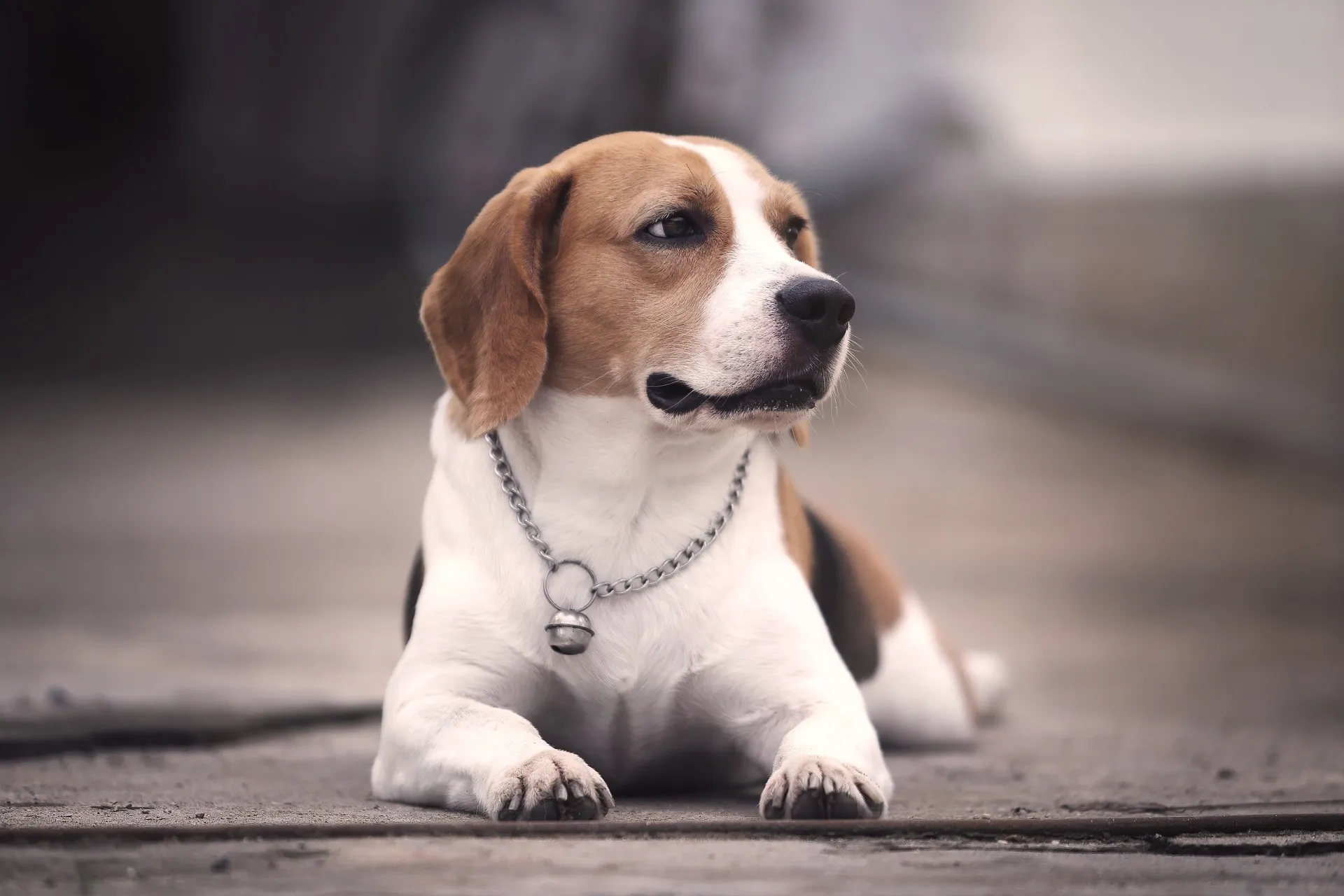
The Beagle's story stretches back centuries further than most companion breeds, though its exact origins remain genuinely debated among historians. Small scent hounds resembling the modern Beagle existed in England as far back as the 1300s, bred and refined over generations for their extraordinary sense of smell and their ability to track hare and rabbit on foot, at a pace hunters could follow.
The breed as it's recognised today took clearer shape in the 1830s, when English breeders standardised the type from various regional scent hounds. Beagles were brought to the United States shortly after, where the breed became enormously popular, both as a hunting companion and, increasingly, as a family pet suited to a much calmer domestic life than its working history might suggest.
The American Kennel Club recognised the Beagle in 1885, and its popularity has remained remarkably consistent ever since; it's rarely fallen out of the top twenty most popular breeds in decades of AKC registration data. That popularity comes with a genuine upside: because Beagles have been bred as companions for so long, and haven't been pushed toward the kind of extreme physical exaggeration seen in some other popular breeds, they remain a genuinely sturdy, comparatively healthy breed overall.
Physical Characteristics of Beagle
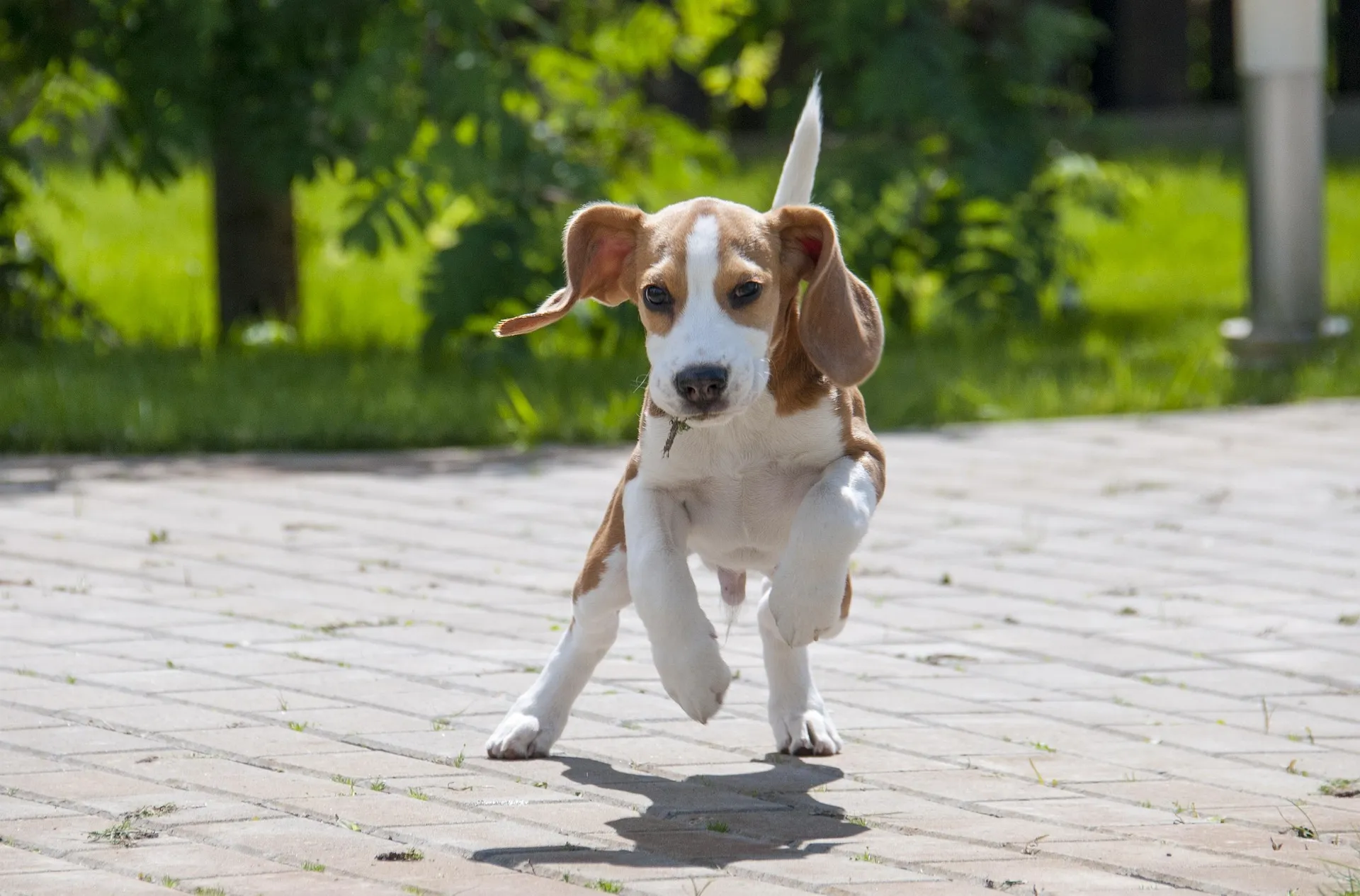
Head
Fairly long and slightly domed, with a square muzzle and a distinctly gentle, pleading expression.
Eyes
Large, brown or hazel, with a soft, appealing expression that's become part of the breed's signature look.
Ears
Long, low-set, and rounded, reaching almost to the nose when pulled forward.
Body
Compact and sturdy, with a level topline and a deep chest built for stamina.
Limbs
Straight and strong, built for sustained walking and trotting rather than speed.
Tail
Moderate length, carried high with a slight curve, historically bred to remain visible above tall grass during a hunt.
Coat
Short, dense, and weatherproof, low-maintenance but genuinely functional.
Size
Typically 33-41 cm (13-16 in) at the shoulder.
Weight
Males around 10-11 kg (22-25 lb) at the smaller size variety; larger Beagles can reach 20 kg (44 lb), per breed standard ranges.
Just welcomed a Beagle?
What to Expect With a Beagle
Vocalisation Level
High. Beagles are known for their distinctive bay, a loud, howl-like bark developed specifically to be heard by hunters over long distances, this is a genuine breed trait, not a training failure.
Energy Level
Moderate to high. Beagles were bred to track and move for hours, and they genuinely need daily exercise to stay both physically and mentally satisfied
Independence Level
Moderate. Beagles are affectionate but were also bred to work somewhat independently of direct human handling while following a scent, which can show up as selective listening during a walk.
Affection Level
High, genuinely people-oriented and known for forming close bonds with their whole family, not just one person.
Compatibility with Children
Generally excellent, their gentle, sturdy, sociable temperament is one of the breed's most valued traits.
Compatibility with Other Pets
Generally very good, Beagles were bred to work in packs and typically do well with other dogs.
Adaptability Level
Moderate. They adjust reasonably well to different living situations, but their vocal nature and exercise needs are worth genuinely planning for in an apartment setting.
Trainability Level
Intelligent, but their nose-driven nature means a strong scent can override recall training in an instant, secure fencing matters more for this breed than most.
Exercise Requirements
At least an hour of daily exercise, ideally including scent-based activities like sniffing walks or scent games, not just physical movement alone.
Mental Stimulation Needs
High. As a scent hound, mental engagement through their nose specifically, not just general play, is genuinely important to their well-being.
Grooming Frequency
Low for the coat itself, but weekly ear checks are a genuine health necessity for this breed, not routine maintenance alone.
Health Concerns of Beagle

How to Groom a Beagle
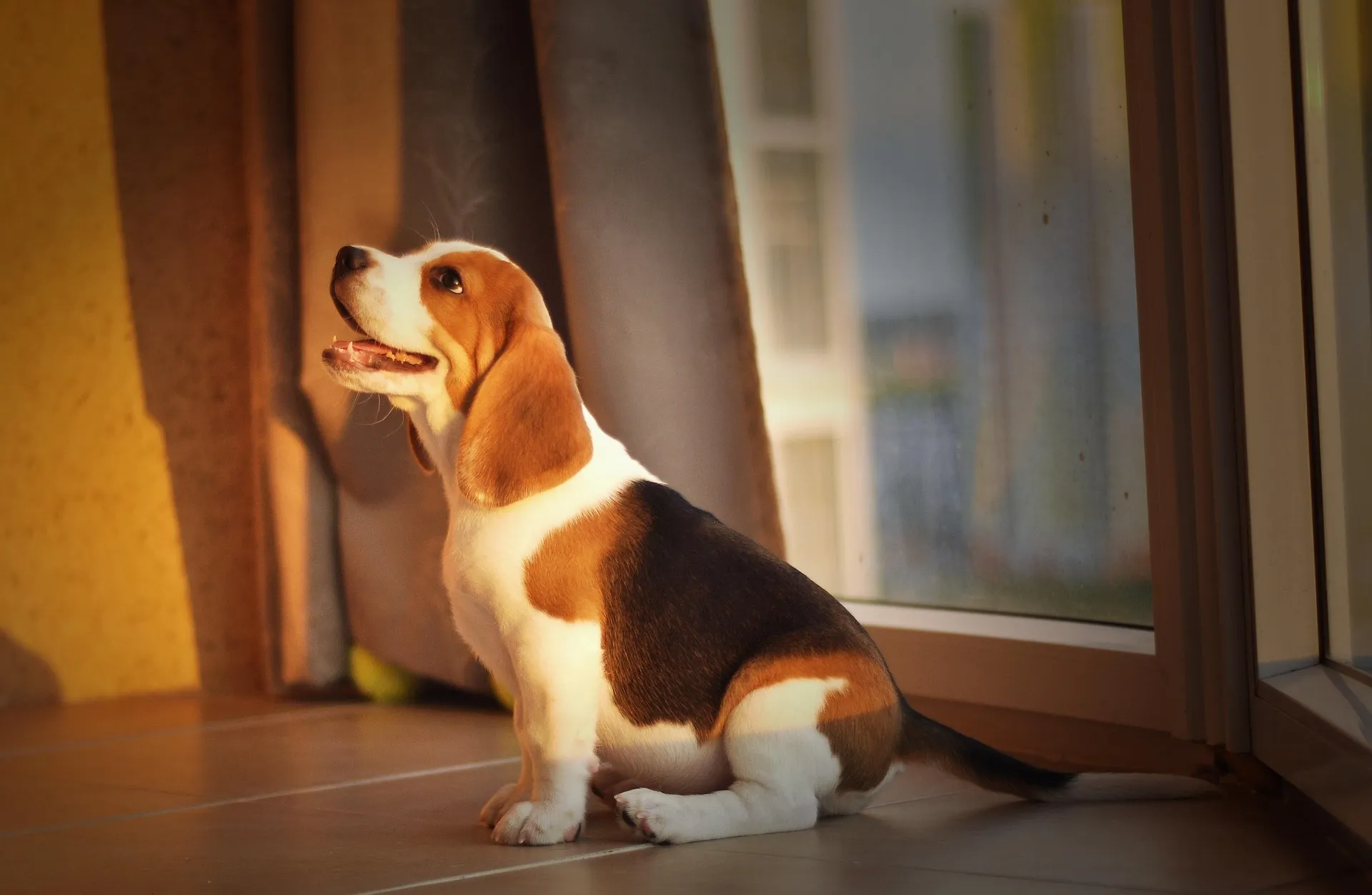
Coat Maintenance
Weekly brushing with a rubber curry brush or grooming mitt manages shedding well for their short, dense coat.
Skin Health
Beagles aren't among the breeds known to be predisposed to skin conditions. A proper skin check during grooming can be enough; run your hands through the coat and check for redness, flaking, odour, or small lumps.
Bathing Routine
Every 6 to 8 weeks, or as needed, using a gentle pet-safe shampoo. Beagles have a naturally weatherproof coat that doesn't need frequent washing.
Nail Trimming
Every 3 to 4 weeks.
Ear Cleaning
Weekly, this is genuinely one of the most important grooming tasks for this breed specifically. Their long, floppy ears trap moisture and reduce airflow, directly contributing to the high rate of ear infections confirmed in breed-specific research. Regular cleaning is real preventive care, not routine upkeep.
Eye Care
Wipe gently as needed and watch for redness, swelling, or a visible pink mass near the inner corner of the eye, an early sign of cherry eye.
Dental Hygiene
Brushing 2 to 3 times weekly, ideally daily. Given how common periodontal disease is in this breed specifically, dental care matters more here than the average dog.
FAQs About Beagle


MORE THAN A VET VISIT