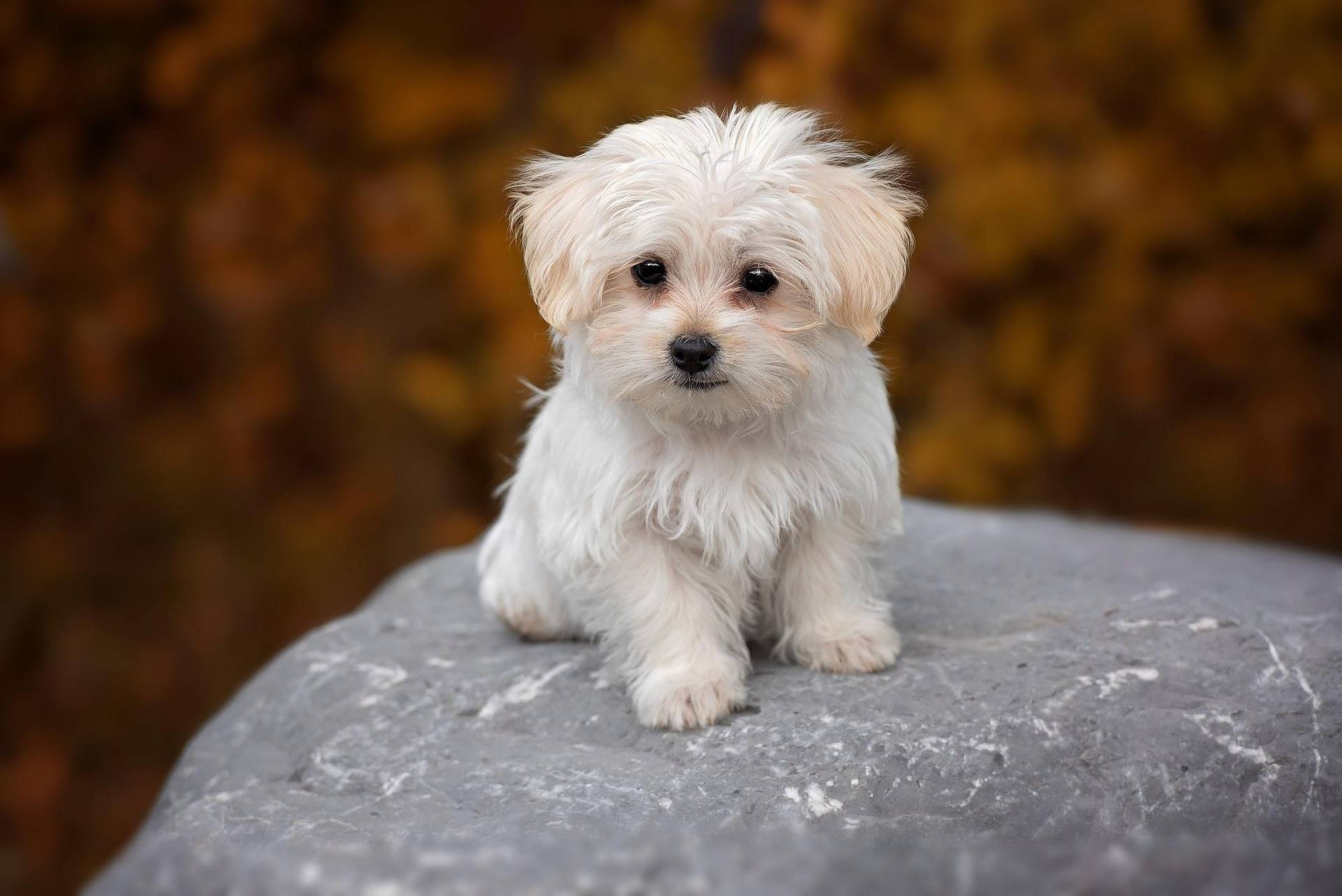
Breed Overview
Personality: Affectionate, intelligent, confident, lively, social, stubborn, and alert
Up to 4 kg or 9 lbs
Coat Colors: Pure white (some have light tan or lemon markings)
Long hair
Coat Patterns: Solid
Eye Color: Dark brown to black
12-15 years
Yes
History of the Maltese
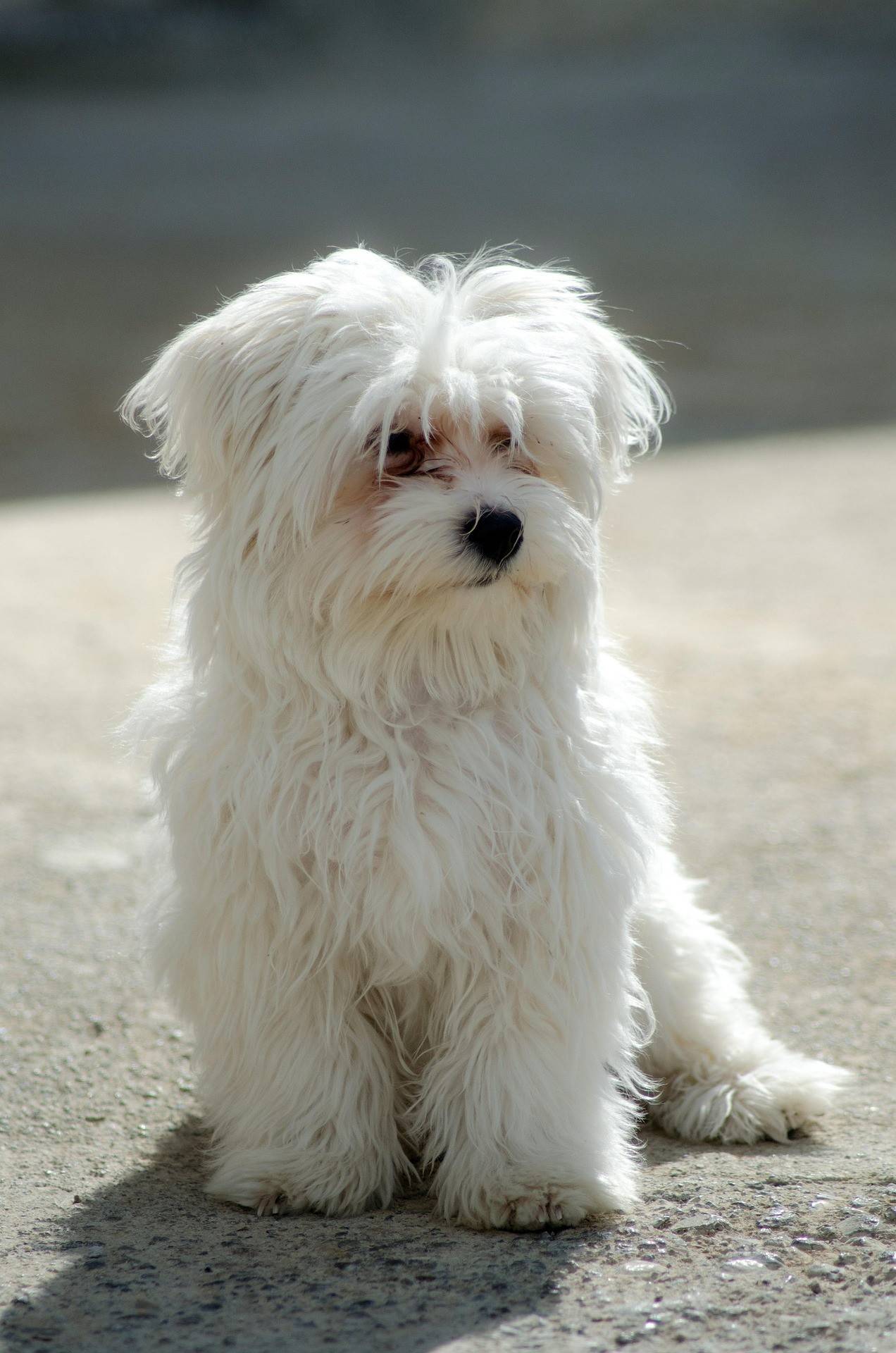
The beautiful breed hails from the Mediterranean island of Malta and was loved by such cultures as the Greeks and Romans. Maltese dogs were lap dogs for the aristocrats and even found some features in literature and art.
These dogs were also referred to in ancient literature and art as status symbols. In the Renaissance era, the Maltese were a favorite among royalty and nobility in Europe. They were also very valuable for medicinal and therapeutic use during this time.
As the years went by, the Maltese turned out to be an extremely sought-after pet for people all over the world. To this day, it still continues to bring warmth and comfort to families and homes.
Physical Characteristics of Maltese
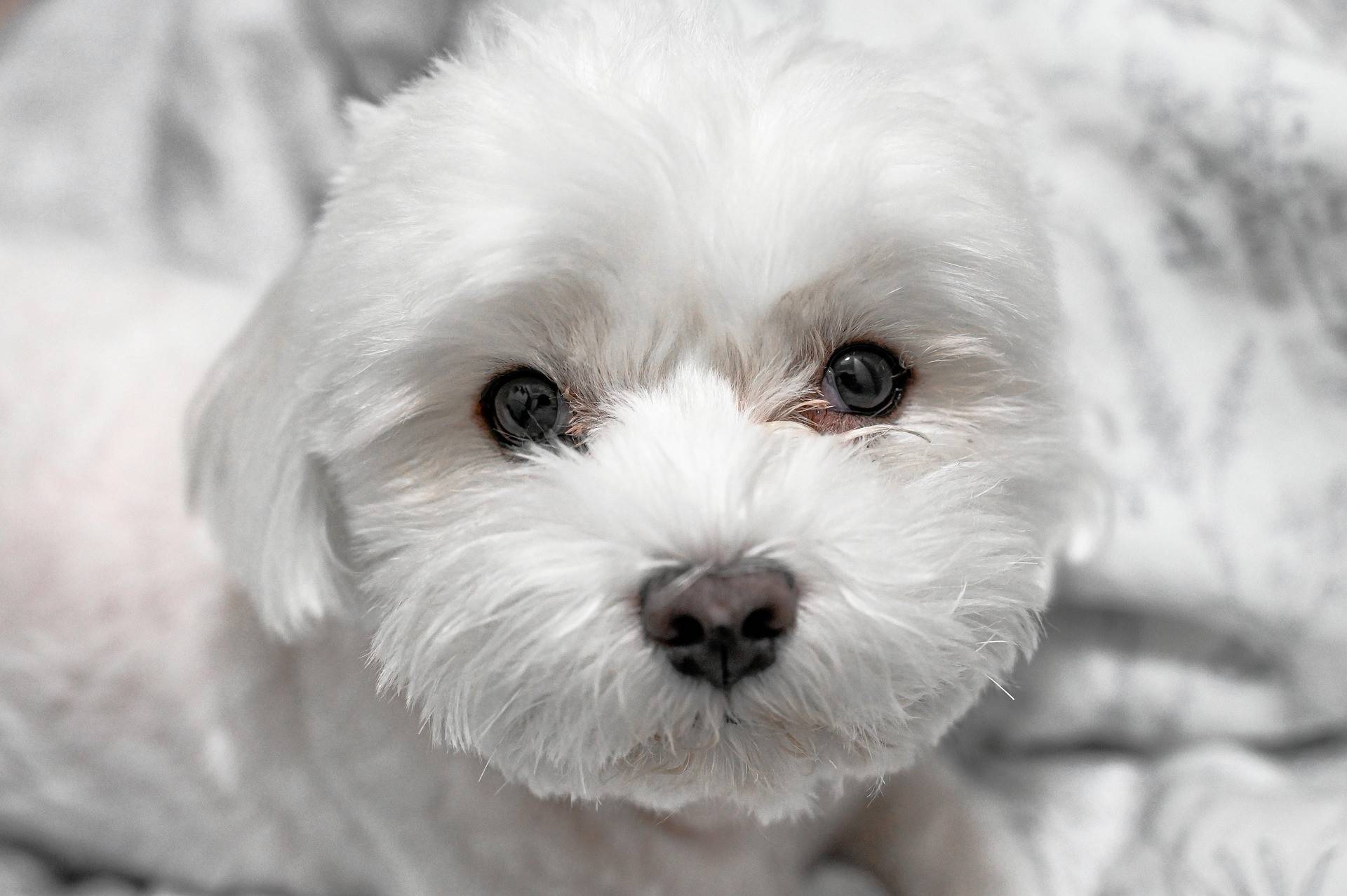
Head
They have a slightly rounded skull with a muzzle that is medium in length. This muzzle tapers toward a cute, black nose.
Eyes
A Maltese’s eyes are almost perfectly round and dark in color.
Ears
Their floppy ears hang close to the head with heavy feathering.
Body
Maltese dogs have a compact body that arches upward a bit. The neck has a sufficient length to carry the head high.
Limbs
Both the front and rear legs are fine-boned and straight. The feet are small, round, and have black pads.
Tail
A Maltese’s tail curves toward the back with feathering.
Coat
Their coat is dense and long with a silky texture. It is commonly known to be white, but other colors are white with slight accents of tan and faint lemon.
Size
Male adults have a height of 21-25 cm (8-10 inches), while females have an average height of 21-23 cm (8-9 inches).
Weight
Male Maltese dogs weigh 2.2-3.2 kg (5-7 lb), while females are usually 1.8-2.7 kg (4-6 lb) heavy.
Just welcomed a Maltese?
What to Expect With a Maltese
Vocalization Level
The Maltese is a talkative breed. They are vocal, expressive, and known for alerting their owners to things they think are essential.
Energy Level
Despite their lively personality, Maltese dogs have a low energy level and are usually just fine to lounge around and relax. They enjoy short play sessions, but they’d rather rest all day.
Independence Level
Maltese don’t do well when left alone for long periods. They’re happy when they’re with their families, often following them around the house to stay close.
Affection Level
They are quite affectionate dogs that love to be cuddled and held. They form strong bonds with their owners and aren’t shy about showing their devotion.
Compatibility with Children
Maltese dogs are delicate and may not be the best for very young children who might play roughly. Older kids who understand how to handle pets can be a good fit, especially during supervised interactions.
Compatibility with Other Pets
They’re generally friendly with other pets, especially when properly socialized from a young age. They enjoy the company of cats and other dogs.
Adaptability Level
They can adjust to new environments and routines with time, but they prefer stability and predictability. Sudden changes or being left alone too often can cause stress.
Trainability Level
Maltese are intelligent and quick learners who respond well to training with positive reinforcement. They can be stubborn, though, so early training and consistency are essential.
Exercise Requirements
They don’t need intense exercises and activities. But daily walks and short play sessions help keep them happy and healthy. Despite their small size, they benefit from regular movement to prevent boredom.
Mental Stimulation Needs
They enjoy puzzle toys, learning tricks, and interactive games, especially when they can spend time with their owners. Mental stimulation helps prevent destructive behaviors as well.
Grooming Frequency
Maltese have long, silky coats that require daily brushing to prevent tangles and mats. This is why regular grooming is a must. It’s also why many pet owners take their pets to professional groomers for a short haircut, making maintenance easier.
Health Concerns of Maltese

How to Groom a Maltese
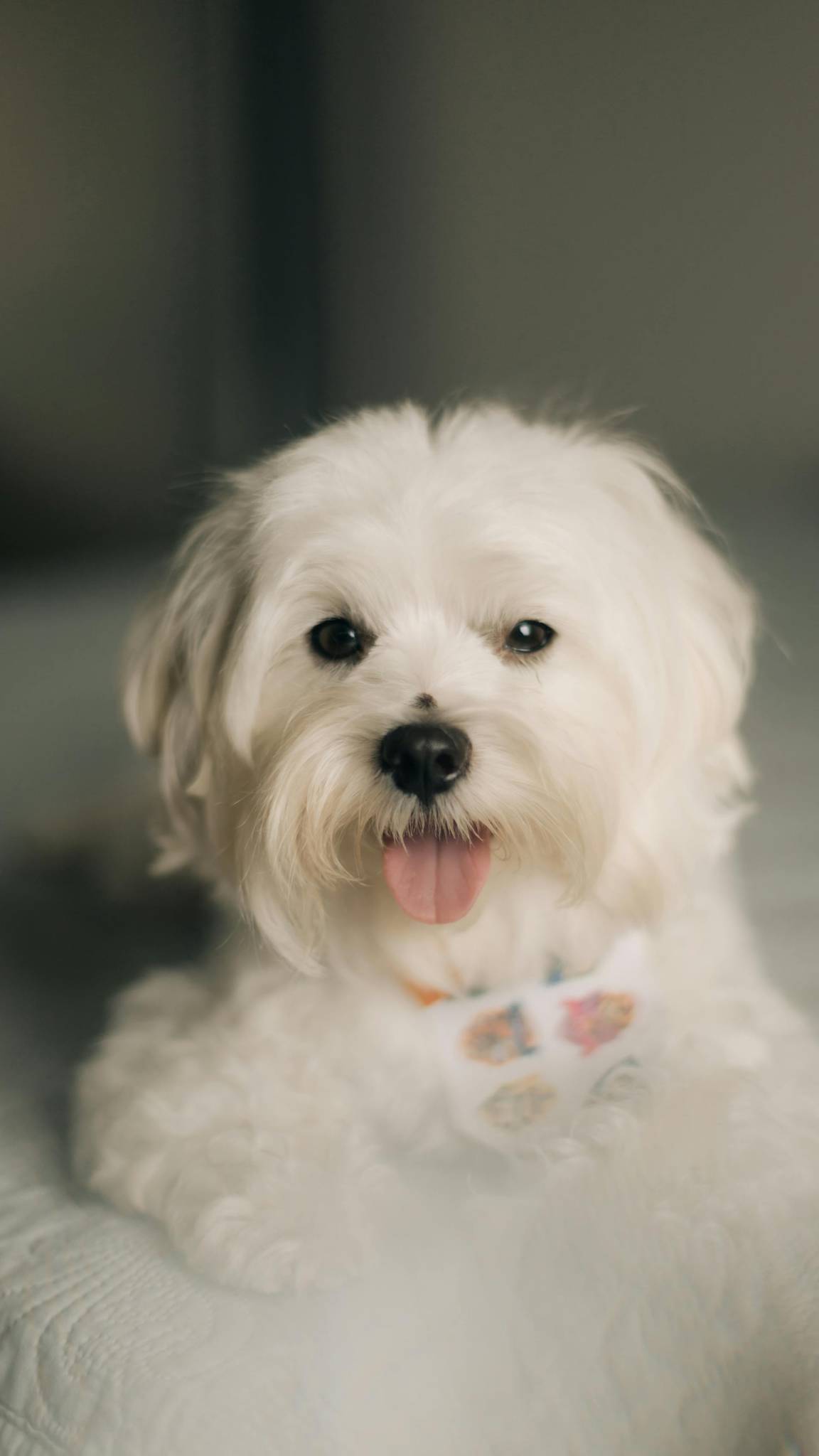
Coat Maintenance
The Maltese has a long, silky, single-layer coat that requires daily brushing to prevent tangles and mats. Use a stainless steel comb and a pin brush to detangle fur, especially behind the ears, under the legs, and around the neck. Many owners choose to keep their dogs and give them a short “puppy cut” for easier maintenance.
Skin Health
Maltese dogs have relatively sensitive skin and can be prone to dryness or irritation if bathed too often or when harsh products are used. Use gentle, hypoallergenic shampoo and keep up with their coat maintenance to prevent skin issues. Also, make sure to rinse them well, as any product buildup can irritate their skin.
Bathing Routine
Maltese needs a bath every one to two weeks, especially if kept in a full coat. Use a mild dog shampoo that’s formulated for sensitive skin and a moisturizing conditioner to keep their coat soft and manageable.
Nail Trimming
Their nails should be trimmed every two to three weeks to prevent issues with walking and discomfort. Use a small dog nail clipper, avoiding the quick (the pink part) of their claws.
Ear Cleaning
Maltese need regular ear cleaning, typically once a week. Their drooping ears can trap moisture and dirt. This makes them prone to infections. Follow your veterinarian's instructions and recommended ear cleaning products to clean your dog’s ears.
Eye Care
Daily eye cleaning is often necessary for this breed. They’re prone to tear staining, which can leave a reddish brown stain under their eyes. To prevent this, you can use a damp cloth or pet wipes to remove tear stains. It’s essential to have the hair around their eyes trimmed shorter to prevent buildup and irritation.
Dental Hygiene
Maltese are vulnerable to dental issues, so it’s vital to brush their teeth at least two to three times a week. You can use dental chews as well in between days that you don’t brush their teeth to maintain good oral hygiene.

MORE THAN A VET VISIT