
Dog Diarrhea: How to Help a Dog With the Runs

When it comes to our dogs' health, we should always be on top of it. From the smallest signs to severe symptoms, each should receive adequate care and attention. One of these is diarrhea.
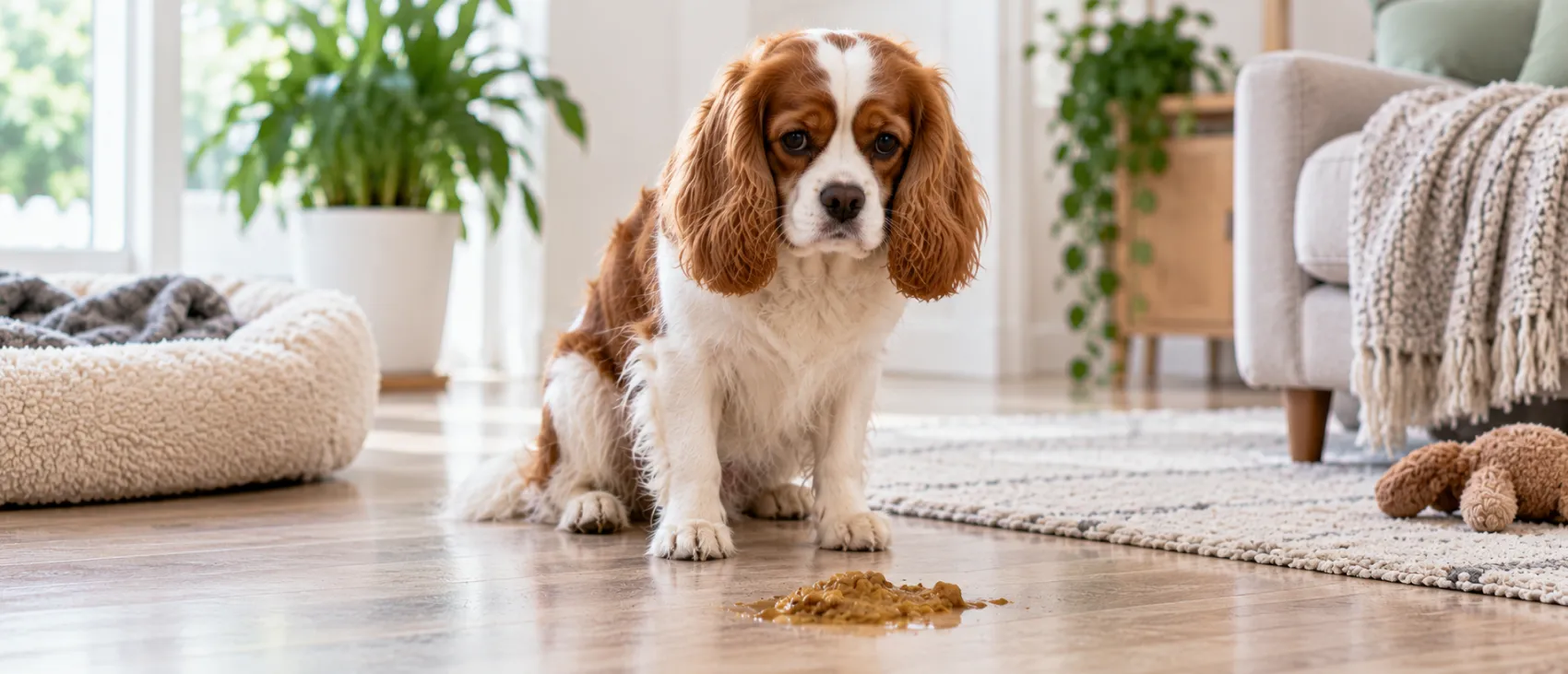
Diarrhea in dogs is a condition characterized by loose, watery stools passed more frequently. It’s not a disease in itself, but a symptom that can mean several different conditions. In this guide, we’ll learn more about it, including the types, main causes, treatment, and prevention.
What Are the Types of Dog Diarrhea?
Diarrhea in dogs can be classified by either the location, duration, or mechanism. Here’s a quick guide:
Location
Small-Bowel Diarrhea. This type originates from the small intestine and involves issues with digestion or absorption. It’s often related to problems such as dietary intolerance and intestinal infections.
Large-Bowel Diarrhea. Large-bowel diarrhea stems from the colon and is often caused by conditions that affect the large intestine. It can include issues such as inflammatory diseases.
Duration
Acute Diarrhea. The sudden onset of loose stool. Acute diarrhea lasts for about a few days, usually triggered by diet changes, stress, and mild gastrointestinal issues.
Chronic Diarrhea. This type persists for weeks and can be caused by more serious diseases and medical conditions. Chronic diarrhea does not resolve on its own.
Mechanism
Osmotic Diarrhea. This happens when fatty foods or food intolerances cause water to move into the gastrointestinal tract, resulting in diarrhea.
Secretory Diarrhea. A type of dog diarrhea in which the intestinal lining secretes excessive amounts of fluid into the gut.
Exudative Diarrhea. This is caused by GI tract damage, which makes blood and other fluids leak into the stool.
Rapid Intestinal Transit Diarrhea. Another type of diarrhea in dogs in which the colon contracts more than it normally does, causing the contents to pass quickly.
What Are the Common Causes of Diarrhea in Dogs?
Dog diarrhea is often caused by diet, infections, chronic health concerns, and stress.
Dietary Factors
Diet is the most common factor in canine diarrhea.
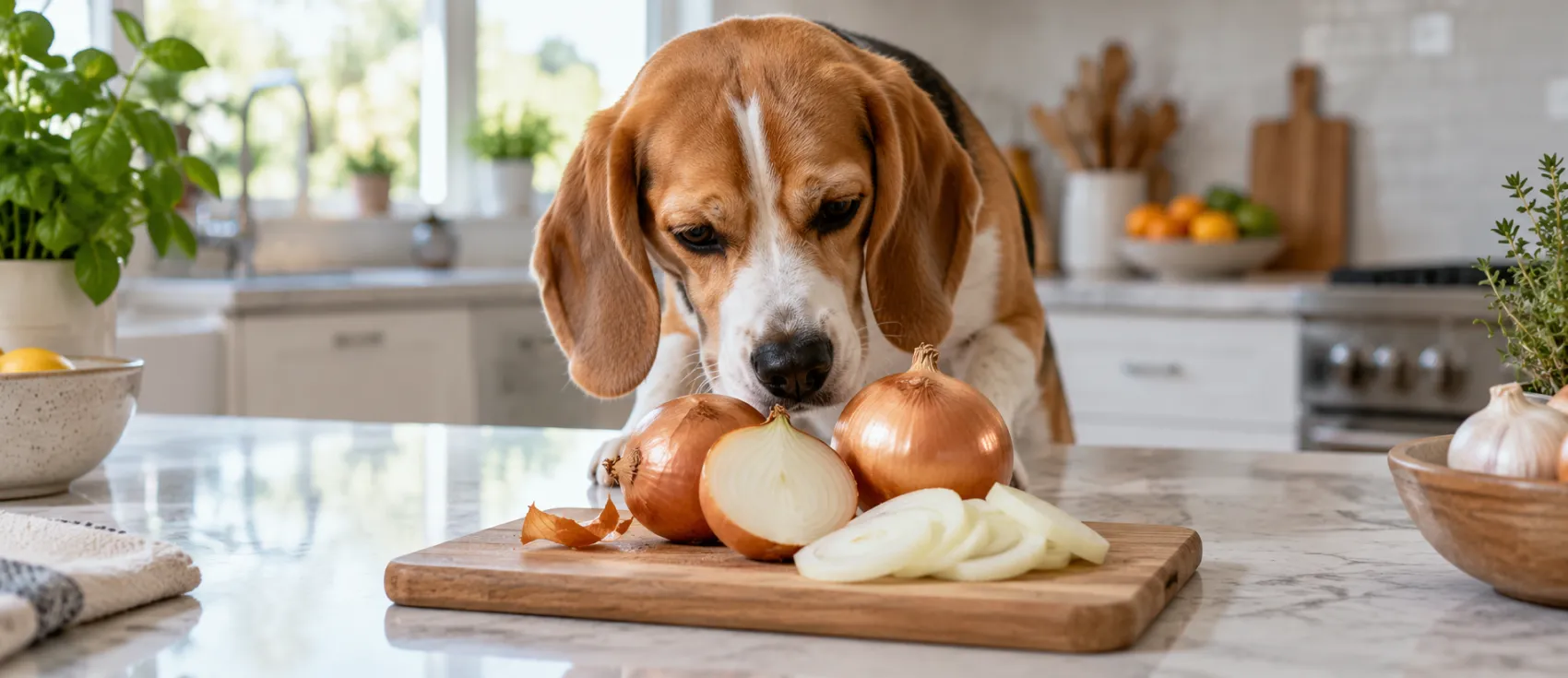
Dietary Indiscretion. This happens when dogs eat something they shouldn’t, including human foods toxic to dogs, such as chocolate, garlic, onions, and grapes. Additionally, eating table scraps and garbage can also contribute.
Toxin Ingestion. Another reason is also ingesting human medications and poisonous substances. Household chemicals and medicines can lead to the same result.
Sudden Changes in Diet. Abrupt and sudden dietary changes can overwhelm the body, leading to the same symptoms. Dogs require a bit of a smooth transition when changing food in order to avoid any gastrointestinal distress and digestive issues.
Food Intolerances and Allergies. Additionally, food intolerances and allergies can cause dog diarrhea. While it doesn’t apply to all dogs, those affected can react poorly to certain foods, such as dairy, chicken, and soy.
Infections
Bacterial, viral, or fungal infections can also cause diarrhea. These can disrupt the normal process of the digestive tract, resulting in increased inflammation and faster movement of fecal matter. One of the most notable pathogens that causes diarrhea in dogs is the canine parvovirus.
These are often brought about by intestinal parasites. Parasites such as hookworms and roundworms can stay in the gastrointestinal tract, most notably the intestines, and bring pathogens. They can also cause diarrhea by irritating the lining of the dog’s digestive system.
Chronic Conditions
Chronic health conditions, particularly those within the digestive system, can also be the cause of your dog’s diarrhea. Problems such as inflammatory bowel disease, pancreatitis, and liver disease are common causes.
Stress and Anxiety
Stress and anxiety can also be the reason. Stressful situations such as car rides, vet visits, new environments, and other humans can make dogs anxious and uncomfortable, resulting in diarrhea.

Can Overfeeding a Dog Cause Diarrhea?
Yes, overfeeding can cause diarrhea in dogs. When they eat more than their bodies can handle, it overwhelms the gut and results in the rapid movement of food through the intestines. This results in loose and unformed stools.
Frequently Asked Questions




Subscribe to Our Newsletter
Worried about your pet?
We’re here for urgent care, wellness checks, or anything in between.