Probiotics for Dogs: What Are They?

Probiotics for Dogs: What Are They?

Probiotics for Dogs: What Are They?

Dr. Soheyl Simaei

Published Date

Published Date

Nov 28, 2025

Nov 28, 2025

Custom Icon
Custom Icon
Custom Icon

As pet parents, we’re always looking for ways to improve our dogs’ health and happiness. One of the growing trends in pet care is the use of probiotics for dogs. These tiny, beneficial microorganisms are known for promoting gut health, but their benefits go far beyond digestion. 

Probiotics for Dogs: What Are They?

Probiotics are becoming a popular supplement in the world of dog health. These supplements help keep your dog’s skin healthy and its immune system strong. Think of canine probiotics as little helpers that keep your dog’s tummy happy.

In this blog, we’ll learn more about probiotics and why they’re good for dogs. 

What Are Probiotics for Dogs?

Your dog’s gut is home to billions of microorganisms.

When everything is in balance, it works like a well-oiled machine. However, stress, illness, medications, or even a poor diet can throw off this balance. This leads to issues like diarrhea, gas, and a weakened immune system. This is where probiotics for dogs come in. 

Probiotics might sound like something you’d find in your own yogurt or kombucha, but they’re just as beneficial for our dogs as well. Simply put, probiotics are live, healthy bacteria and yeasts that naturally live in your dog’s digestive system. 

They help maintain a balance of good bacteria, which helps in digestion, nutrient absorption, and overall health. These supplements restore the natural balance of bacteria in the gut, helping your dog feel better from the inside out.

In conjunction with probiotics, prebiotics are also an important part of gut health. While probiotics are live bacteria, prebiotics are the food that helps those bacteria grow and thrive. Together, they keep your dog’s digestive system healthy.

What Are the Benefits of Probiotics for Dogs?

These supplements have a lot of advantages that can improve your dog’s overall health and life. Here’s why probiotics are good for dogs:

An infographic detailing the benefits of probiotics for dogs.

Improved Digestion

One of the most well-known benefits of probiotics is their ability to support a healthy digestive system. They can help with common issues like chronic diarrhea, constipation, bloating, and gas. Probiotics help dogs break down food and absorb nutrients, making the most out of your dog’s meals.

Strengthened Immune System

A big portion of a dog’s immune system is tied to their gut health. Canine probiotics help keep a healthy balance of good bacteria, which strengthens their natural defenses. This means fewer tummy troubles, a lower risk of infections, and an overall boost to their immune response.

Relief from Allergies

If your dog has trouble with skin allergies or food sensitivities, probiotics might help. By promoting a healthier gut, probiotics can reduce inflammation and minimize allergy symptoms like itching or excessive licking.

Better Skin and Coat Health

Skin issues are often related to imbalances in the gut. Probiotics can reduce skin irritation, dryness, or excessive shedding. Many dog owners report that after starting probiotics, their pup’s coat looks shinier and feels softer.

Reduced Stress and Improved Behavior

Believe it or not, gut health and mental health are connected. A healthy gut can positively impact your dog’s mood, reducing stress and even helping with anxiety-related behaviors. This is often referred to as the gut-brain axis, and it’s just as important for dogs as it is for humans.

Improved Overall Health

From better digestion to enhanced immunity, canine probiotics contribute to your dog’s overall wellness. When their gut is healthy, they’re more likely to have more energy, a better outlook, and fewer health issues overall.

Want to best advice for your dog's nutrition?

Want to best advice for your dog's nutrition?

Speak with our experts.

Speak with our experts.

Should a Dog Have Probiotics?

It will depend. If your dog is generally healthy, then they will be fine with their normal diet and exercise routines. Dogs should have probiotics when they need additional support for their gut, which is usually when they’re having a health or nutritional problem. 

What Are the Common Types of Probiotics for Dogs?

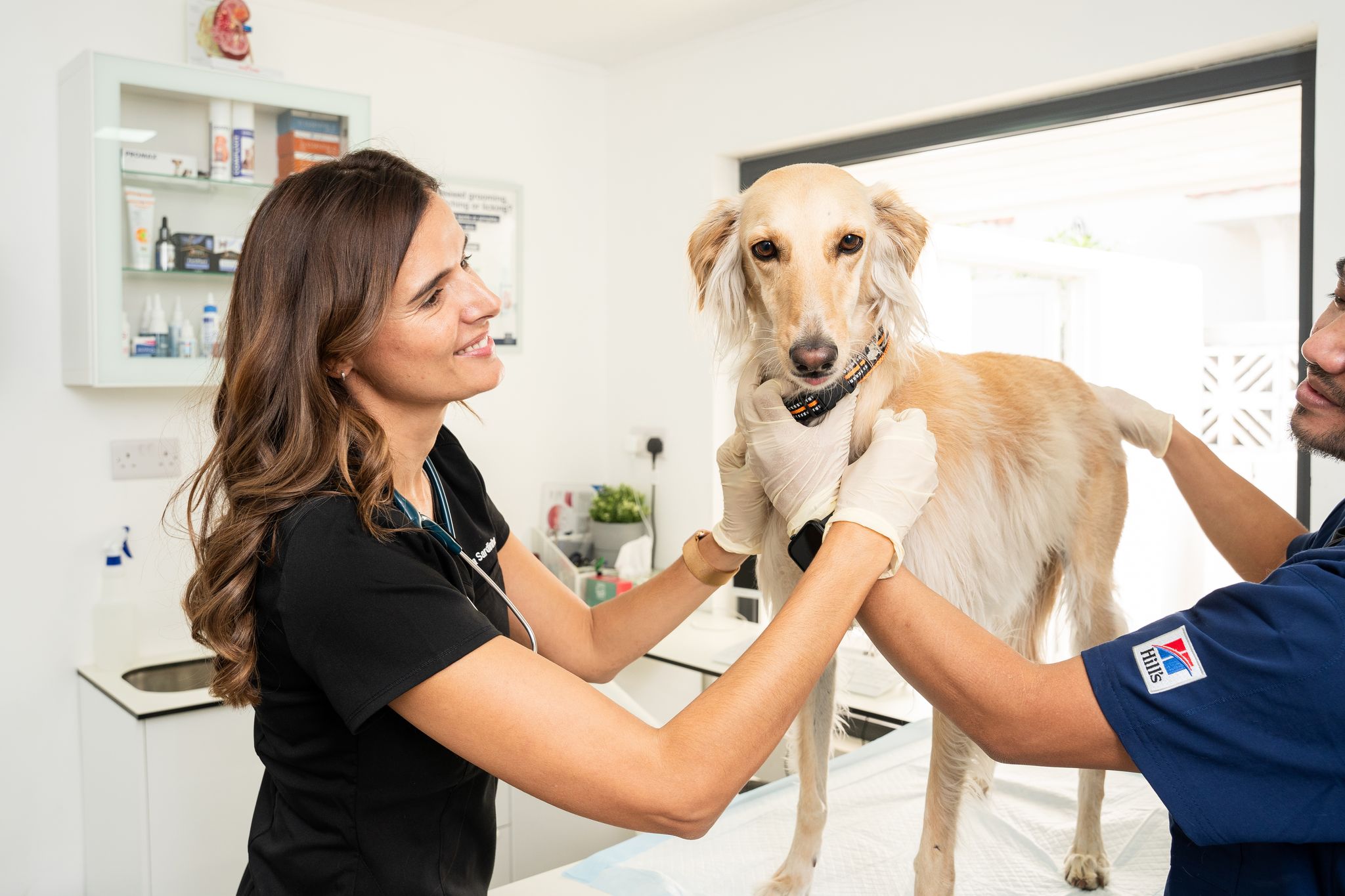
A veterinarian is checking a dog's condition to see if it needs probiotics. Another vet is assisting.

Not all probiotics are the same, and different strains of bacteria provide different benefits. When choosing a probiotic for your dog, it’s helpful to know which types are most commonly used and how they can support your pup’s health. Here are some of the most effective probiotic strains for dogs:

  • Lactobacillus acidophilus. This is one of the most well-known probiotic strains and is great for overall digestive health. This probiotic improves immune function and prevents the growth of unwanted bacteria. It’s also beneficial for reducing diarrhea.

  • Bifidobacterium animalis. Mainly known for its ability to improve stool quality, this strain is particularly effective in managing digestion and constipation. It’s often found in high-quality probiotic supplements for dogs.

  • Enterococcus faecium. Just like the previous probiotic strains, Enterococcus faecium can help restore a good balance of bacteria in your dog’s stomach. It’s particularly helpful for dogs experiencing digestive upset, such as after antibiotic use or during stress.

  • Saccharomyces boulardii. Technically, it is yeast, not bacteria, but this probiotic is excellent for managing diarrhea, inflammation, and other issues with your dog’s GI tract. It’s often used for dogs with chronic gut issues.

  • Bacillus coagulans. This probiotic is known for its ability to support digestion and reduce gas and bloating. It also helps with stool consistency, immune function, and inflammatory digestive diseases.

Sources of Probiotics for Dogs

There are several ways to give your dog the probiotics they need. The important thing is to make sure this probiotic is safe, so we recommend bringing your best friend over to the clinic first. In the meantime, here are the common ones: 

Probiotic Supplements

The most widely used option of probiotics for dogs is a supplement type that is specifically designed for our pups. High-quality supplements often contain specific probiotic strains tailored for dogs. These are:

  • Powders

  • Chews

  • Capsules

Probiotic-Enriched Dog Foods

Some dog food brands now include probiotics in their recipes. These specially formulated foods are designed to support your dog’s gut health as part of their daily diet. Be sure to look for options that list live and active cultures on the label.

Natural Sources of Probiotics

Certain human foods are naturally rich in probiotics and can be shared with your dog in strict moderation. 

  • Plain, unsweetened yogurt. A good source of live culture, but make sure it’s free from artificial sweeteners.

  • Kefir. Similar to yogurt but higher in probiotics, kefir is a fermented milk drink that’s safe for most dogs in small amounts.

  • Fermented vegetables. Small amounts of dog-safe options, like sauerkraut, can offer a probiotic boost.

What Are the Side Effects of Probiotics for Dogs?

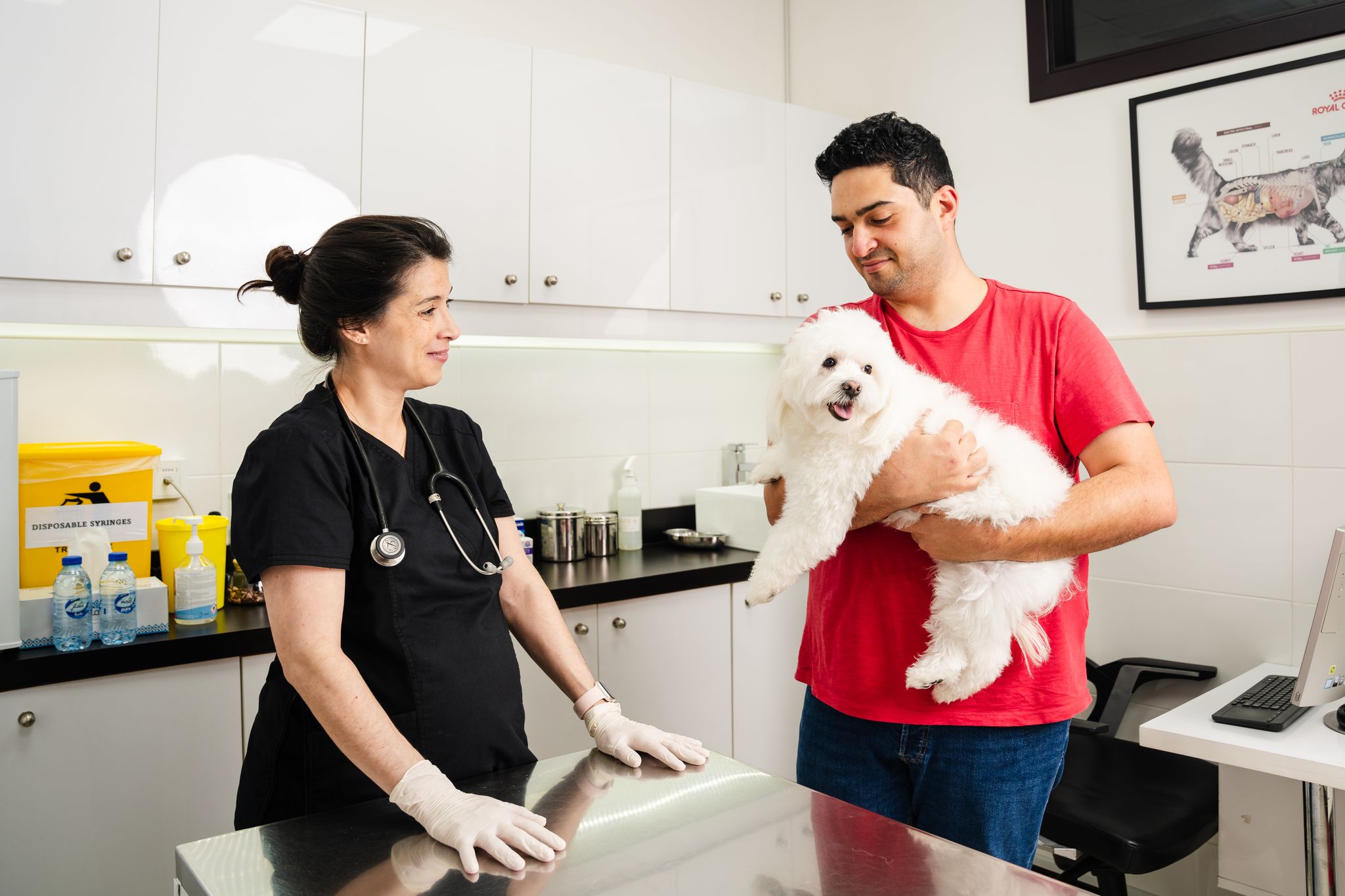
A veterinarian is talking to a pet owner about the side effects of probiotics for dogs. The owner is carrying his white dog in his arms.

Probiotics are generally safe for dogs and provide many health benefits, but like any supplement, there are a few things to keep in mind before introducing them to your pup’s routine. 

When starting probiotics, some dogs may experience mild digestive changes as their gut adjusts to the new bacteria. This could include bloating, gas, or slightly softer stools. These symptoms are usually short-lived and resolve as your dog’s system adapts.

Though rare, some dogs might react to certain ingredients in probiotic products, especially if the supplement includes flavorings or additives. Keep an eye out for signs of allergies, such as itching, chronic vomiting, or diarrhea, and discontinue use if symptoms occur.

Essential Things to Know About Probiotics for Dogs

Before giving your dog probiotics, it’s crucial to understand how they work and what factors to keep in mind. While probiotics offer many benefits, make sure to get the most of them safely.

Here are some key things to consider:

  1. Not All Probiotics Are the Same

Different strains of probiotics serve different purposes. Some target digestion, while others boost the immune system or help with allergies. Visit our vet pharmacy so we can help you decide the most suitable one. 

  1. Stick to Dog-Specific Products

Human probiotics aren’t designed for dogs and may not contain the right strains or dosages. Always choose products formulated specifically for dogs to ensure they’re safe and effective.

  1. Start Slowly

If your dog has never taken probiotics before, introduce them gradually. Starting with the recommended dosage can prevent digestive upset as your dog’s system adjusts.

  1. Check for Side Effects

Although probiotics are generally safe, some dogs can experience potential side effects such as gas, bloating, or soft stools. These symptoms usually resolve quickly. If not, talk to us immediately.

  1. Store Properly

Probiotics are living microorganisms, and their effectiveness depends on proper storage. Many products need to be stored in a cool, dry place or even refrigerated to maintain their potency.

  1. Probiotics Are Not Always Necessary

While probiotics are beneficial for many dogs, they aren’t a must for every pup. Dogs with no digestive issues or a strong immune system may not need probiotics. It all depends on your dog’s current health condition.

  1. Consult the Vets

Before starting your dog on probiotics, let our vets do a wellness check. We can recommend the best strains, dosage, and product for your dog’s unique needs.

“The key to your dog’s health is by helping their gut.”

- Dr. Soheyl Simaei

Final Thoughts

Probiotics for dogs are a simple yet super powerful way to support your best friend’s overall health. These supplements improve your dog’s digestion, strengthen its immunity, and promote a shiner coat. The benefits are pretty endless.

Frequently Asked Questions

How do I tell if my dog needs a probiotic?

You can tell that your dog needs probiotics when they have digestive issues, such as diarrhea, vomiting, and constipation. Other indicators can be seen in their skin and in their overall mood.

How do I tell if my dog needs a probiotic?

You can tell that your dog needs probiotics when they have digestive issues, such as diarrhea, vomiting, and constipation. Other indicators can be seen in their skin and in their overall mood.

How do I tell if my dog needs a probiotic?

You can tell that your dog needs probiotics when they have digestive issues, such as diarrhea, vomiting, and constipation. Other indicators can be seen in their skin and in their overall mood.

Can I give my dog probiotics every day?

Yes, you can give your dog probiotics every day, as it’s generally safe for dogs and can even provide a ton of benefits. However, we recommend working with us first to make sure the type you give doesn’t cause any potential side effects.

Can I give my dog probiotics every day?

Yes, you can give your dog probiotics every day, as it’s generally safe for dogs and can even provide a ton of benefits. However, we recommend working with us first to make sure the type you give doesn’t cause any potential side effects.

Can I give my dog probiotics every day?

Yes, you can give your dog probiotics every day, as it’s generally safe for dogs and can even provide a ton of benefits. However, we recommend working with us first to make sure the type you give doesn’t cause any potential side effects.

What is the best time to give dog probiotics?

You can give your dog probiotics in the morning before they have eaten anything. This is because there is less stomach acid that can destroy the good bacteria, helping them survive and reach the gut. Some owners even give probiotics along with their dogs’ food.

What is the best time to give dog probiotics?

You can give your dog probiotics in the morning before they have eaten anything. This is because there is less stomach acid that can destroy the good bacteria, helping them survive and reach the gut. Some owners even give probiotics along with their dogs’ food.

What is the best time to give dog probiotics?

You can give your dog probiotics in the morning before they have eaten anything. This is because there is less stomach acid that can destroy the good bacteria, helping them survive and reach the gut. Some owners even give probiotics along with their dogs’ food.

Do probiotics help itchy dogs?

Yes, probiotics can help itchy dogs by introducing good bacteria in the system, helping manage the immune system’s response. This can reduce itching and improve the skin’s barrier function.

Do probiotics help itchy dogs?

Yes, probiotics can help itchy dogs by introducing good bacteria in the system, helping manage the immune system’s response. This can reduce itching and improve the skin’s barrier function.

Do probiotics help itchy dogs?

Yes, probiotics can help itchy dogs by introducing good bacteria in the system, helping manage the immune system’s response. This can reduce itching and improve the skin’s barrier function.

How long do probiotics last?

It will depend on the type of probiotics, ranging from a few months to 2 years. Once opened, temperature and moisture can affect the product’s shelf life, so be sure to take note of the expiration date listed.

How long do probiotics last?

It will depend on the type of probiotics, ranging from a few months to 2 years. Once opened, temperature and moisture can affect the product’s shelf life, so be sure to take note of the expiration date listed.

How long do probiotics last?

It will depend on the type of probiotics, ranging from a few months to 2 years. Once opened, temperature and moisture can affect the product’s shelf life, so be sure to take note of the expiration date listed.

Share

Custom Icon
Custom Icon
Custom Icon

Subscribe to Our Newsletter

Sign up for weekly pet health tips and insights from our veterinarians.

Sign up for weekly pet health tips and insights from our veterinarians.

Wellness & Emergency Care

Book Appointment

Book Appointment

Worried about your pet?

We’re here for urgent care, wellness checks, or anything in between. 

We’re here for urgent care, wellness checks, or anything in between. 

Get the best Vet care for your pet

© 2025 Noble Veterinary Clinics

Unique care for your best friends, because they’re family.

© 2025 Noble Veterinary Clinics

© 2025 Noble Veterinary Clinics