Dog Fungal Infection: Types, Symptoms, and Treatment


Dog Fungal Infection: Types, Symptoms, and Treatment

Dog Fungal Infection: Types, Symptoms, and Treatment

Dr. Soheyl Simaei

Published Date

Published Date

Dec 23, 2025

Dec 23, 2025

Custom Icon
Custom Icon
Custom Icon

When it comes to our dogs’ health, they need all the help they can get. The great outdoors can be a hotspot for several pathogens, including fungi.

Two veterinarians are checking a dog's skin for signs of a fungal infection.

Fungal infections in dogs can range from simple skin irritations to serious systemic conditions affecting internal organs. This type of infection can occur when certain types of fungi take hold in a dog’s body, either externally on their skin or internally in their lungs, bones, or other tissues. 

Some dog fungal infections, like ringworm, are superficial and relatively easy to treat. Others, like blastomycosis or histoplasmosis, can be life-threatening if not caught early. 

In this blog, we’re going to talk all about fungal infections in dogs, including the types and symptoms. Next, we’re going to talk about diagnostics, treatment methods, and preventive measures. 

What Are the Common Types of Dog Fungal Infections?

Canine fungal infections differ, which means varying symptoms and different ways of dealing with them. Here’s a quick overview of the common ones. 

Yeast Dermatitis

Yeast dermatitis is a superficial fungal infection caused by the overgrowth of Malassezia pachydermatis, a yeast that naturally resides on a dog’s skin. While typically harmless, this yeast can multiply excessively under certain conditions, such as allergies, humidity, or a weakened immune system. 

The infection often targets areas like the ears, paws, armpits, and skin folds, making it especially common in breeds with floppy ears or wrinkled skin. These breeds include Basset Hounds, Poodles, and Dachshunds. Common symptoms include

  • Persistent itching and scratching

  • Red, inflamed, or irritated skin

  • Oily or greasy patches are often accompanied by scaling or flaking

  • Discoloration of the skin, with a darker appearance in chronic cases

  • A distinct odor emanating from the affected areas

  • Recurring ear infections, with redness, discharge, or head shaking

Ringworm

Despite its name, ringworm isn’t caused by a worm but by dermatophytes such as Microsporum canis. This superficial fungal infection affects a dog’s skin, hair, and nails. It’s highly contagious and can easily spread through physical contact with infected animals and contaminated objects.

Puppies, seniors, and dogs with impacted immune systems tend to be more susceptible to this disease. Ringworm is also zoonotic, meaning it can be transmitted to humans. Some of the common symptoms of ringworm in dogs include: 

  • Circular patches of hair loss

  • Redness or inflammation in the affected areas

  • Brittle or damaged nails if the fungus infects the claws

  • Mild to severe itching accompanied by discomfort

  • Scaly or crusty skin, with dryness and irritation present

Blastomycosis

Blastomycosis is a systemic fungal infection in dogs caused by Blastomyces dermatitis, a fungus found in moist soil, decaying wood, and areas near water. Dogs typically contract the infection by inhaling fungal spores.

These spores then travel to the lungs and may spread to other parts of the body, such as the skin, bones, brain, and lymph nodes. This infection is more common in areas where water is present. Signs include: 

  • Respiratory problems, such as coughing and breathing problems

  • Fever and urinary issues

  • Weight loss and decreased appetite

  • Enlarged lymph nodes

  • Skin lesions or sores that may ooze or crust over

  • Lameness or swelling

Histoplasmosis

Histoplasmosis is caused by Histoplasma capsulatum. Dogs can contract the fungus by inhaling or ingesting them through soil enriched with bird or bat droppings. Because of this, histoplasmosis primarily affects the respiratory system. 

Dogs under the age of 4 are usually the most common victims of this disease. In some cases, the infection can spread to the gastrointestinal system, liver, spleen, or other organs. Common signs of this disease include: 

  • Chronic coughing or difficulty breathing

  • Fever and general lethargy

  • Weight loss and poor appetite

  • Diarrhea and vomiting

  • Enlarged lymph nodes

Coccidioidomycosis

Coccidioidomycosis, also known as Valley Fever, is a systemic dog fungal infection caused by the Coccidioides fungi. These fungi thrive in dry, dusty environments.

Dogs typically contract the infection by inhaling fungal spores from soil, especially after digging or being exposed to windblown dust. The infection primarily affects the respiratory system but can spread to bones, joints, or the nervous system in severe cases. Some of the symptoms are:

  • Persistent coughing or wheezing

  • Fever and lack of energy

  • Weight loss and poor appetite

  • Lameness or swollen joints if the fungus spreads to the bones

  • Neurological symptoms, such as seizures, may occur in rare advanced cases

Cryptococcosis

Cryptococcosis is another fungal infection in dogs caused by Cryptococcus neoformans or Cryptococcus gattii. These fungi are commonly found in soil contaminated with bird droppings, especially from pigeons. 

Dogs can contract the fungal infection by inhaling fungal spores, which primarily affect the respiratory system. In severe cases, the infection can worsen and spread to the central nervous system, eyes, or skin. Here are the common symptoms:

  • Sneezing and nasal discharge, often with blood or mucus

  • Coughing, sneezing, and breathing problems

  • Neurological symptoms, such as head tilt, seizures, or difficulty walking

  • Eye abnormalities, including cloudiness or blindness

  • Lethargy, fever, and weight loss

Aspergillosis

Aspergillosis is a dog fungal infection caused by species of the Aspergillus fungi commonly found in soil, decaying vegetation, and dust. Dogs typically contract the infection by inhaling fungal spores, which primarily affect the nasal passages or, in rare cases, spread to other body parts.

Certain breeds, such as German Shepherds, are more prone to the disseminated form due to a genetic predisposition. Common signs of nasal aspergillosis include: 

  • Nasal discharge with a strong odor

  • Sneezing and frequent nose rubbing

  • Swelling or pain around the nose or face

  • Nasal sores or ulcers

For disseminated aspergillosis, these are the signs:

  • Fever and overall weakness

  • Lameness and lack of coordination

  • Weight loss and poor appetite

  • Neurological symptoms in severe cases
How Do Vets Diagnose Dog Fungal Infections?

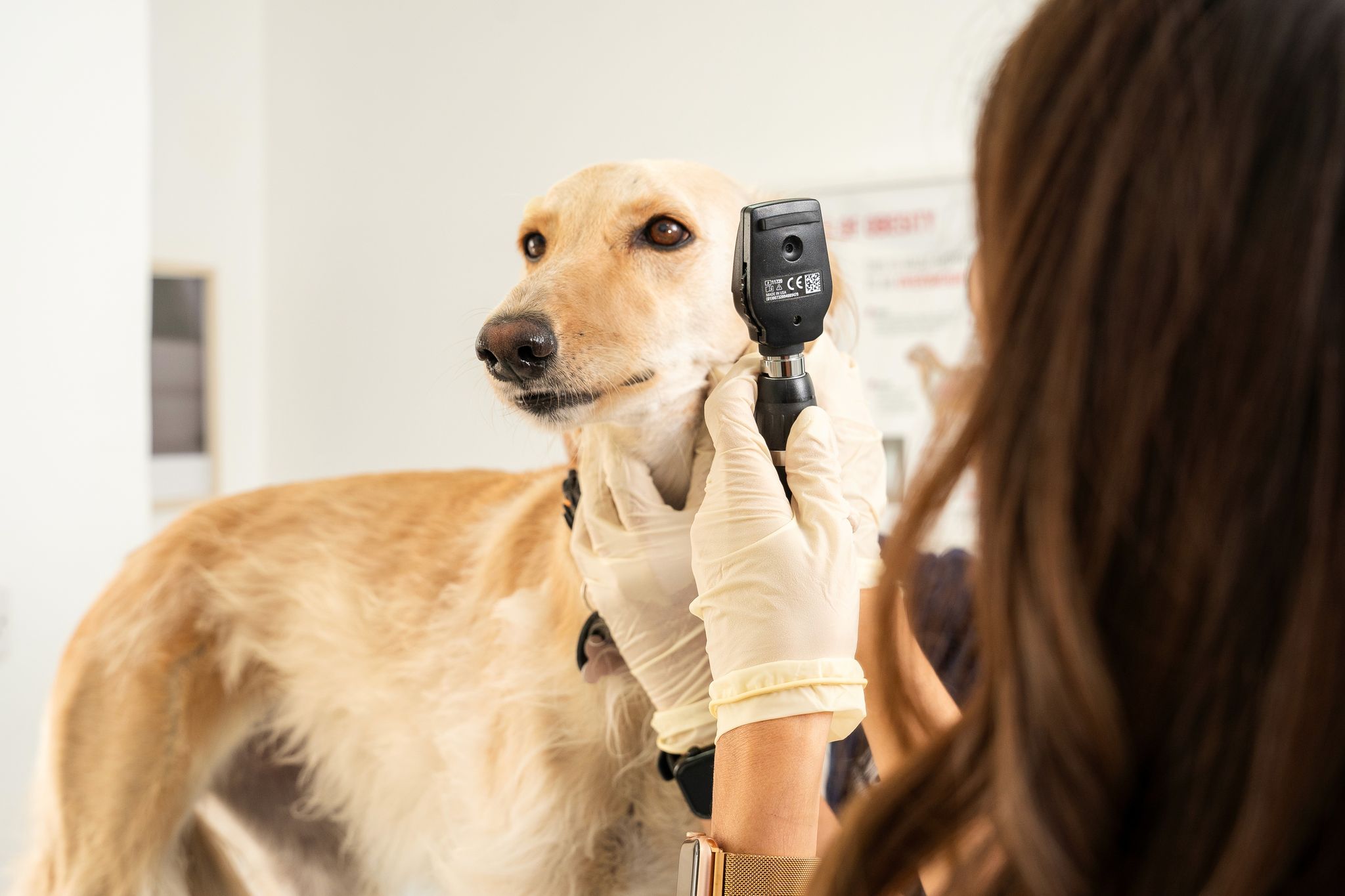
A veterinarian is using a tool to check a dog's eyes.

To diagnose dog fungal infections, we’ll start with a physical exam to look for visible signs. These signs might include skin lesions, nasal discharge, swollen lymph nodes, or hair loss. We’ll also need to ask you questions about symptoms you observe at home.

Laboratory Tests

Lab tests will give us a deeper view of the condition.

Bloodwork and urine tests can reveal markers of systemic infections or detect antibodies and antigens specific to certain fungi.

Additionally, biopsy, cytology, and skin scraping techniques can be used to help us obtain a definitive diagnosis. Once samples are taken from the affected areas, a quick lab examination can help detect the fungi causing the infection.

Fungal cultures can also be used to accurately determine the fungus responsible for the infection. A sample of infected tissue, fluid, or discharge is cultured in a lab to grow and identify the fungus. By doing so, we can identify the specific fungus causing the disease.

Imaging Studies

Imaging techniques like X-rays, CT scans, or MRIs can also be used to evaluate the condition of your dog’s internal organs, lungs, or bones. These are especially useful in cases where dog fungal infections are affecting these organs and structures.

How Are Fungal Infections in Dogs Treated?

The treatment for fungal infections in dogs will include a combination of antifungal medications and supportive care. The specific combination will depend on the type and severity of the infection and your dog's overall health.

Antifungal Medications

For superficial infections like yeast dermatitis or ringworm, these diseases can often be managed with topical treatments such as antifungal shampoos, creams, or sprays. These are designed to reduce fungal growth on the skin.

For systemic infections or severe cases of superficial infections, oral medications are commonly prescribed. These drugs work by targeting fungal cells internally. Additionally, antifungal drugs can be administered intravenously for faster and more effective treatment.

Fungal infections typically require prolonged treatment, often lasting weeks or even months, to ensure the infection is completely eradicated. Be sure to follow our vet’s schedule to make sure your dog gets fully healed and to prevent recurrence. 

Supportive Care

Supportive care will involve a nutritional diet. Ensuring your dog receives proper nutrition can strengthen their immune system and aid recovery. Anti-inflammatory drugs or pain relievers may also be prescribed to improve comfort, especially in cases with severe symptoms.

Vet Tips: How to Prevent Fungal Infections in Dogs

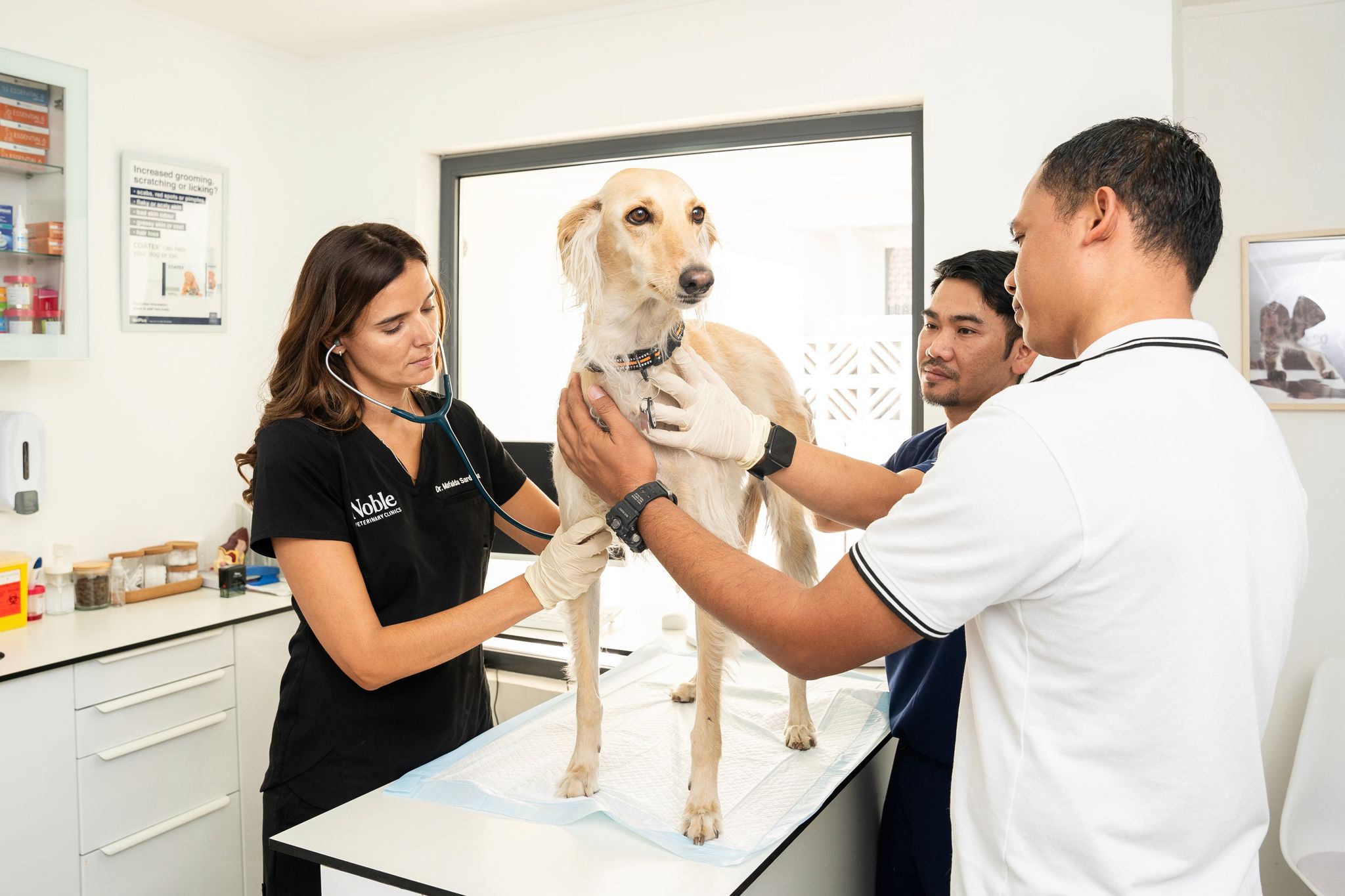
Two veterinarians are examining a dog and talking to the pet owner about fungal infections.

Keeping your dog safe means taking measures to prevent fungal infections. Here’s a quick guide: 

  1. Limit Exposure to Outdoors

Avoid letting your dog dig or play in moist soil, decaying wood, or areas contaminated with bird or bat droppings. If your dog does play in the dirt, make sure to give them a good bath with a good pet-friendly shampoo afterward.

  1. Strengthen Your Dog’s Immune System

A healthy immune system is an important guard for preventing dog fungal infections. Feed your dog a balanced diet to support their nutrition and overall health. 

Make sure your dog has its vaccinations and parasite control treatments in check, as diseases can weaken its immune system.

  1. Maintain Good Hygiene

Regular grooming and bathing keep your dog’s skin healthy and less vulnerable to fungal overgrowth. Additionally, clean your dog’s surroundings, toys, bedding, and bowls to minimize the risk of a fungal infection.

  1. Schedule Routine Vet Visits

Regular visits are some of the best ways to protect your dog. Our wellness exams can help us monitor your dog’s health and catch any issues early, before they worsen. Plus, we can recommend the most helpful products for your dog. 

“Keep your dog healthy, and they’ll thank you with their explosive happiness.”

- Dr. Soheyl Simaei

Final Thoughts

Fungal infections in dogs can lead to serious systemic illnesses, but with awareness and proactive care, many of these infections can be managed and prevented effectively. 

Frequently Asked Questions

Can a dog survive a fungal infection?

Yes, many dogs can survive a fungal infection if it is diagnosed early and treated properly. Recovery depends on the type of fungus, how severe the infection is, and the dog’s overall health. Some will require long-term treatment.

Can a dog survive a fungal infection?

Yes, many dogs can survive a fungal infection if it is diagnosed early and treated properly. Recovery depends on the type of fungus, how severe the infection is, and the dog’s overall health. Some will require long-term treatment.

Can a dog survive a fungal infection?

Yes, many dogs can survive a fungal infection if it is diagnosed early and treated properly. Recovery depends on the type of fungus, how severe the infection is, and the dog’s overall health. Some will require long-term treatment.

How does a dog catch a fungal infection?

Dogs can catch fungal infections from exposure to the fungi. This can come from inhaling or ingesting spores from soil, dust, or decaying organic matter.

How does a dog catch a fungal infection?

Dogs can catch fungal infections from exposure to the fungi. This can come from inhaling or ingesting spores from soil, dust, or decaying organic matter.

How does a dog catch a fungal infection?

Dogs can catch fungal infections from exposure to the fungi. This can come from inhaling or ingesting spores from soil, dust, or decaying organic matter.

Can dog food cause fungal infection?

Dog food cannot directly cause fungal infections, but certain ingredients can create a suitable environment for yeast to thrive. This includes foods with high sugar and carbohydrates.

Can dog food cause fungal infection?

Dog food cannot directly cause fungal infections, but certain ingredients can create a suitable environment for yeast to thrive. This includes foods with high sugar and carbohydrates.

Can dog food cause fungal infection?

Dog food cannot directly cause fungal infections, but certain ingredients can create a suitable environment for yeast to thrive. This includes foods with high sugar and carbohydrates.

Can dogs pass fungus to humans?

Yes, some fungal infections can pass from dogs to humans, especially skin infections like ringworm. This happens when the infected dog directly touches the human, or when the human comes into contact with contaminated objects.

Can dogs pass fungus to humans?

Yes, some fungal infections can pass from dogs to humans, especially skin infections like ringworm. This happens when the infected dog directly touches the human, or when the human comes into contact with contaminated objects.

Can dogs pass fungus to humans?

Yes, some fungal infections can pass from dogs to humans, especially skin infections like ringworm. This happens when the infected dog directly touches the human, or when the human comes into contact with contaminated objects.

What to feed a dog with a fungal infection?

Feed a high-quality, balanced diet that supports the immune system. This will be important for recovery. Be sure to avoid sugars and foods with high carbohydrates.

What to feed a dog with a fungal infection?

Feed a high-quality, balanced diet that supports the immune system. This will be important for recovery. Be sure to avoid sugars and foods with high carbohydrates.

What to feed a dog with a fungal infection?

Feed a high-quality, balanced diet that supports the immune system. This will be important for recovery. Be sure to avoid sugars and foods with high carbohydrates.

Share

Custom Icon
Custom Icon
Custom Icon

Subscribe to Our Newsletter

Sign up for weekly pet health tips and insights from our veterinarians.

Sign up for weekly pet health tips and insights from our veterinarians.

Wellness & Emergency Care

Book Appointment

Book Appointment

Worried about your pet?

We’re here for urgent care, wellness checks, or anything in between. 

We’re here for urgent care, wellness checks, or anything in between. 

Get the best Vet care for your pet

© 2025 Noble Veterinary Clinics

Unique care for your best friends, because they’re family.

© 2025 Noble Veterinary Clinics

© 2025 Noble Veterinary Clinics