Down Syndrome in Cats: Can Cats Have It?

Down Syndrome in Cats: Can Cats Have It?

Down Syndrome in Cats: Can Cats Have It?

Dr. Mafalda Sardinha

Updated Date

Updated Date

10 minutes

10 minutes

Custom Icon
Custom Icon
Custom Icon

Many pet owners often wonder about this, especially since the features may be similar. But in short, cats cannot have Down syndrome.
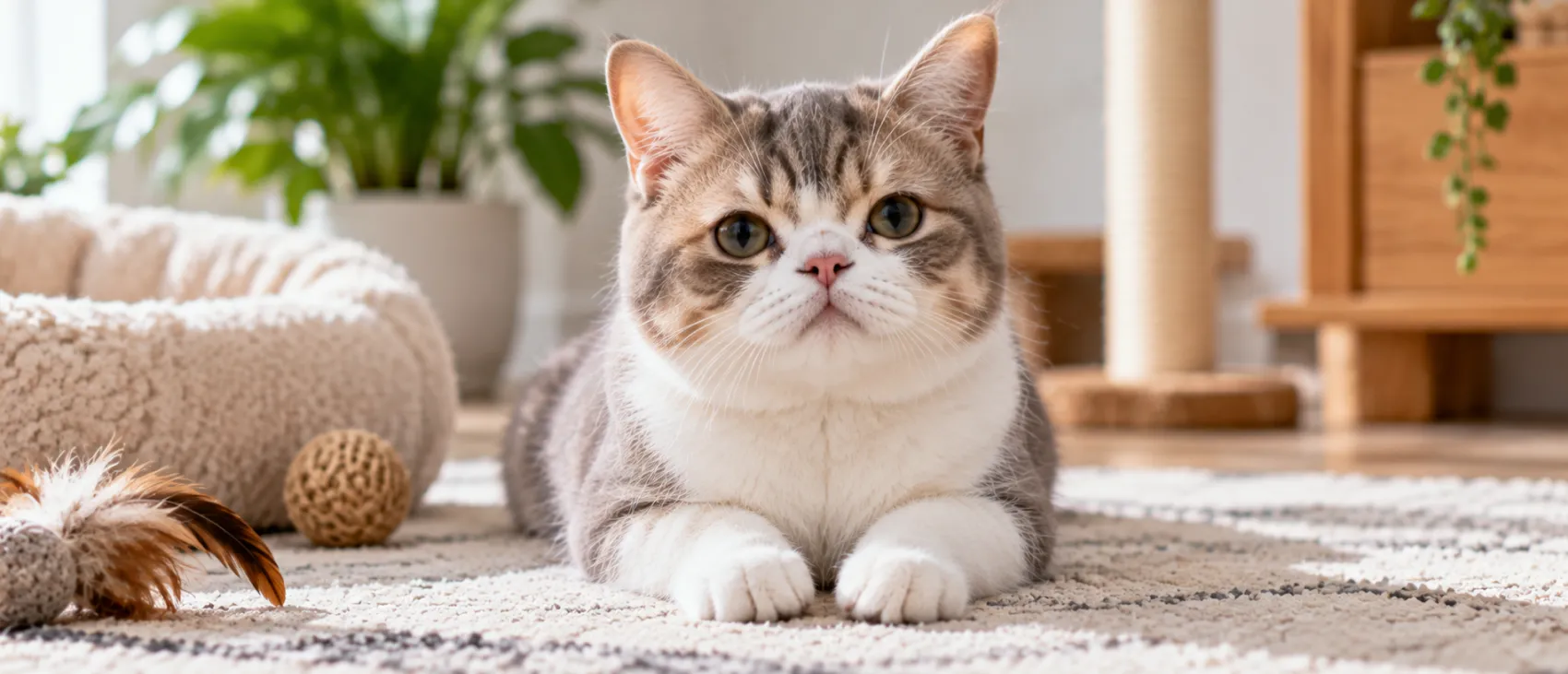
A cat is sitting on the lap of a pet owner inside a veterinary clinic.

In This Article

In This Article

In this guide, we’re going to explain why it's just not possible, what characteristics are similar, and how to care for a cat with special needs.

Key Takeaways

Cats cannot have Down syndrome because they only have 19 pairs of chromosomes.

Characteristics in cats similar to Down syndrome include wide-set eyes, flattened faces, and behavioral differences.

Conditions that may present similar symptoms to Down syndrome include cerebellar hypoplasia, hydrocephalus, and Klinefelter syndrome.

Why Can’t Cats Have Down Syndrome?

Cats cannot have Down syndrome because they lack chromosome 21, which humans have. Down syndrome happens when a person is born with an extra copy of chromosome 21. Normally, humans will have 23 pairs of chromosomes. 

When a third copy of chromosome 21 is present, known as Trisomy 21, it disrupts normal development. This results in physical and cognitive differences. 

Cats, on the other hand, have a unique genetic structure with 19 pairs of chromosomes. This basically means that it’s impossible for them to develop trisomy 21.

What Characteristics Look Like Down Syndrome in Cats?

Some cats may develop physical traits that resemble this condition. Here are Down syndrome-like characteristics in cats that our veterinarians observe:

Wide-Set Eyes

Some cats are born with wide-set eyes. Wide-set eyes can occur in cats with certain craniofacial abnormalities or as a breed-specific trait, as seen in Persian or Russian Blue cats.

Flattened Facial Features

Flattened noses or shortened facial structures are common in brachycephalic breeds like Persians and Exotic Shorthairs. In other cases, congenital deformities may cause a flattened face that can resemble a condition like Down syndrome in cats. 

Clumsy Walking

Cats with conditions that affect their balance and mobility may walk clumsily and uncoordinatedly. This way of walking may come from an underdeveloped or damaged brain. 

Cognitive or Behavioral Differences

Another characteristic similar to Down syndrome in cats is unusual behavior. Some cats may have neurological or developmental disorders that make them appear different. One example is difficulty learning and responding to commands. 

Additionally, cats can have unusual social behaviors, which can include a lack of awareness and excessive vocalization.

Growth or Developmental Delays

Some congenital conditions can result in developmental growth delays in cats. One example is feline panleukopenia, as kittens exposed in utero may experience delayed physical or neurological development. 

Other cats may experience slow learning, difficulty with navigating, and abnormal social behaviors. 

Sensory or Physical Issues

Some cats may experience problems with their heart, vision, and hearing due to physical abnormalities or structural defects. 

A veterinarian is holding a white cat in his arms before a neurological exam.

What Conditions Are Similar to Down Syndrome in Cats?

Although cats cannot have Down syndrome, other health conditions may present similarly

  1. Cerebellar Hypoplasia

Cerebellar hypoplasia is a developmental disorder in which the cerebellum fails to develop properly. It happens when a pregnant mother cat gets infected with feline panleukopenia. The virus then crosses the placenta and destroys the kitten’s nerves in the cerebellum. 

Cats with cerebellar hypoplasia may display motor delays and awkward movements, similar to the poor coordination seen in some individuals with Down syndrome. Symptoms of cerebellar hypoplasia include: 

  • Uncoordinated or wobbly movements

  • Difficulty walking, jumping, or maintaining balance

  • Mild head tremors

  • Loss of balance and falling

  1. Hydrocephalus

Hydrocephalus is a condition in which the brain fills with cerebrospinal fluid, increasing pressure in the area. This may happen due to congenital factors, injuries, or infections. Breeds such as Siamese, Persian, and Manx cats are predisposed. 

Affected cats will experience cognitive impairment and an abnormal skull shape. Other symptoms include: 

  • Enlarged or misshapen head

  • Vision problems or blindness

  • Behavioral changes, including confusion or lethargy

  • Seizures in severe cases

Want to know more about your cat's health?

Want to know more about your cat's health?

Schedule a visit now.

Schedule a visit now.

  1. Klinefelter Syndrome

Klinefelter syndrome in cats is a genetic condition in which the cat is born with an extra X chromosome. This is quite rare in cats, with most cases involving male calico cats. 

Klinefelter cats may experience developmental delays or physical traits that can be mistaken for Down syndrome. Symptoms include: 

  • Sterility or reduced fertility

  • Smaller and reduced muscle tone

  • Higher risk of diabetes, obesity, and UTI

  • Often more docile and affectionate

  1. Genetic Mutations

Genetic mutations in cats can lead to unusual traits and developmental issues. These mutations may affect several parts of a cat’s life, including its appearance and behavior. Many of these may resemble similarities with Down syndrome’s symptoms. 

  • Wide-set eyes or flattened facial features

  • Abnormal jaw or dental structure

  • Unusual head shapes or body proportions

  1. Facial and Neurological Disorders

Some congenital conditions in cats affect both the structure of their face and their neurological function. These issues and disorders can happen because of complications during pregnancy or at birth. As a result, the cat can experience unique facial and neurological issues.

Cats with these disorders might display both physical differences and behavioral changes that superficially resemble the traits of Down syndrome.

  • Unusual facial symmetry or deformities

  • Delayed reflexes or reduced coordination

  • Excessive vocalization or reduced awareness

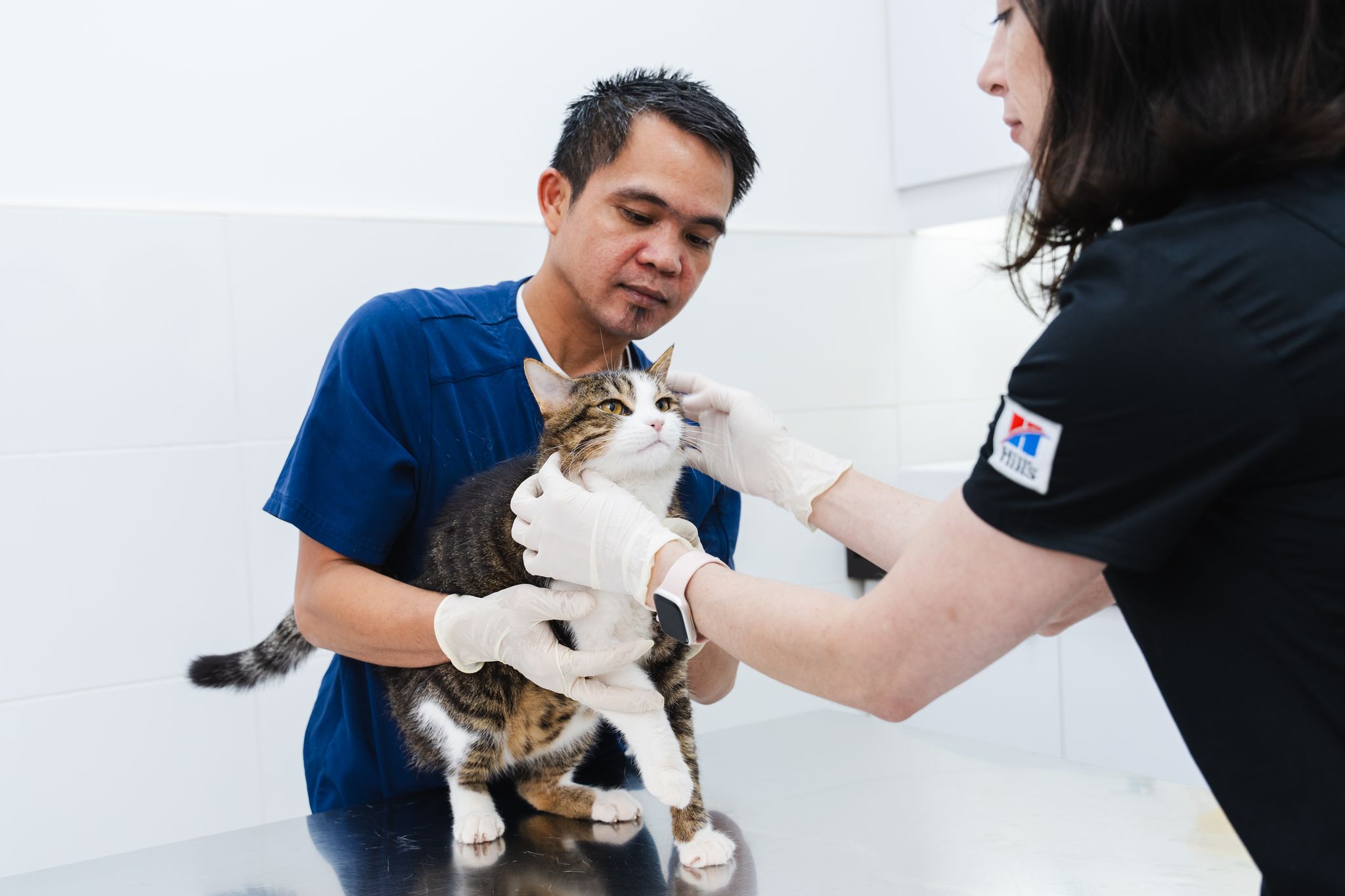
A veterinarian is holding a cat on a metal table while another vet provides a detailed examination.

10 Tips on How to Care for Cats With Special Needs

Even though cats cannot have Down syndrome, they still need our help with other conditions. Here’s how to help. 

  1. Schedule Veterinary Care

Regular checkups with our vets are essential for cats with special needs. We can provide a proper diagnosis, recommend treatments or therapies, and monitor any changes in your cat’s condition. 

This is all possible because of the availability of tools we have, such as imaging technologies and laboratory testing.

  1. Provide a Safe Home

Cats with coordination or mobility issues may be walking clumsily, putting themselves in trouble. To keep them safe, make the home accident-proof. Start by removing sharp items, preparing a secure space for them, and limiting access to risky areas in the house. 

  1. Adjust Diet and Nutrition

Cats may have special dietary needs. These specific conditions might require certain nutrients to help support their bodies. For instance, cats with dental abnormalities may require softer foods to chew more easily.

  1. Help With Grooming

Cats with physical or neurological limitations may struggle to groom themselves properly. Because of this, they may need your help. Regular grooming helps keep your cat healthy and makes them feel good.

Additionally, you can also use professional grooming services to help keep your cat’s coat healthy.

  1. Provide Support and Enrichment

Cats can benefit from mental stimulation and companionship. Spending time with your cats can help create a much better experience for them. Provide interactive cat toys, scratching posts, and climbing equipment to help stimulate their minds.

  1. Monitor Your Cat

Pay attention to your cat’s condition. If you see something that should be addressed, seek help. Signs such as lethargy, pain, and discomfort are obvious signs that your cat needs your help.

  1. Make the Routines Consistent

Cats feel safer when their daily routine is predictable. Our veterinarians recommend keeping a consistent schedule for feeding, cleaning, grooming, and medication. This will significantly reduce stress. 

  1. Give Patience and Affection

Special needs cats may need extra time and understanding. Avoid forcing them to move and play if they seem uncomfortable. They may be having a hard time moving or understanding what you're saying. 

  1. Use Gentle Playtime

If your cat is having trouble moving and playing, keep these sessions calm and comfortable. Always watch your cat’s pace and interact with them accordingly. Gentle games can be fun and build confidence. 

  1. Be Careful With Other Pets

Special needs cats can live with other pets, but they may need a slower introduction and more attention. This is also important when they meet new pets at gatherings, boarding facilities, and parks, as they might have difficulty with this. 

“Each and every cat deserves our love, care, and appreciation.”

- Dr. Mafalda Sardinha

Final Thoughts

While cats cannot have Down syndrome due to their unique genetic structure, they can develop conditions that result in traits resembling the human disorder. It’s always important to show our cats the love and care they deserve.

Frequently Asked Questions

Are cats with Down syndrome-like traits in pain?

They’re not inherently in constant pain, but they do have more difficulty with their lives. This includes mobility problems, grooming difficulties, and the potential for discomfort.

Are cats with Down syndrome-like traits in pain?

They’re not inherently in constant pain, but they do have more difficulty with their lives. This includes mobility problems, grooming difficulties, and the potential for discomfort.

What to feed a cat with special needs?

It depends on the condition, but the focus is always on high-quality protein cat food that’s easily digestible.

What to feed a cat with special needs?

It depends on the condition, but the focus is always on high-quality protein cat food that’s easily digestible.

How often should I bring my cat to the clinic?

If your cat has a developmental issue or is experiencing Down syndrome-like characteristics, then a checkup every 3 to 6 months is recommended. This can change depending on our assessment.

How often should I bring my cat to the clinic?

If your cat has a developmental issue or is experiencing Down syndrome-like characteristics, then a checkup every 3 to 6 months is recommended. This can change depending on our assessment.

Can cats with special needs live with other cats?

Yes, they can live with other cats and pets. However, take note of their specific conditions. For example, if they have mobility issues, then they’re not best paired with pets who are active and extremely playful.

Can cats with special needs live with other cats?

Yes, they can live with other cats and pets. However, take note of their specific conditions. For example, if they have mobility issues, then they’re not best paired with pets who are active and extremely playful.

How do vets diagnose neurological conditions?

We start with a review of your cat’s medical history and a comprehensive neurological exam. From here, we can proceed to other tests such as imaging, CSF analysis, and lab tests.

How do vets diagnose neurological conditions?

We start with a review of your cat’s medical history and a comprehensive neurological exam. From here, we can proceed to other tests such as imaging, CSF analysis, and lab tests.

Share

Share

Custom Icon
Custom Icon
Custom Icon

Subscribe to Our Newsletter

Sign up for weekly pet health tips and insights from our veterinarians.

Sign up for weekly pet health tips and insights from our veterinarians.

Wellness & Emergency Care

Book Appointment

Worried about your pet?

We’re here for urgent care, wellness checks, or anything in between. 
At Noble Vet Clinic, we support lifelong pet wellness and the relationships that make it meaningful.

We’re Hiring! Let’s transform the future of veterinary care together.

We’re Hiring! Let’s transform the future of veterinary care together.

We’re Hiring! Let’s transform the future of veterinary care together.

We’re Hiring!

© 2006-2026 Noble Veterinary Clinics

Noble Vet Clinics logo
Your veterinary practice, always here
Instagram icon
Facebook icon
LinkedIn icon
TikTok icon

© 2006-2026 Noble Veterinary Clinics

Noble Vet Clinics logo

Policies

Contact Us

DIP - 8am to 9pm
JLT - 10am to 7pm

Jumeirah -

Mon-Fri: 8am to 8pm

Sat-Sun: 9am to 6pm

© 2006-2026 Noble Veterinary Clinics