Skin Papillomas in Dogs: Causes, Signs, and Treatment


Skin Papillomas in Dogs: Causes, Signs, and Treatment

Skin Papillomas in Dogs: Causes, Signs, and Treatment

Dr. Soheyl Simaei

Published Date

Published Date

Dec 17, 2025

Dec 17, 2025

Custom Icon
Custom Icon
Custom Icon

Our dogs’ skin is something we should always protect, as it’s often the first line of defense against many kinds of diseases. While many skin issues are severe, some are just plain bothersome. One of these is skin papillomas in dogs.

A veterinarian is checking a dog for skin papillomas. Another vet is assisting by keeping the dog upright.

Skin papillomas in dogs, commonly referred to as dog warts, are benign tumors caused by the canine papillomavirus. These small warts can appear on various parts of a dog’s body, such as the gums, mouth, and paws.

While dog warts are harmless, their appearance and location can be troublesome for dogs. Fortunately, these skin papillomas in dogs will regress on their own within a few weeks or months. 

What Causes Skin Papillomas in Dogs?

Skin papillomas in dogs are caused by the canine papillomavirus, a virus that specifically affects dogs. This virus triggers the growth of benign warts or papillomas on the skin or mucous membranes. 

The canine papillomavirus is highly contagious and typically spreads through direct contact or contaminated surfaces. Once the virus enters the body through small cuts in the skin, it begins to multiply in the outer skin layers, eventually forming papillomas.

How Does a Dog Get Papillomas?

To know more about this skin condition, let’s talk about how the virus spreads. 

Dog-to-Dog Contact

Physical interactions with other dogs are the most common way the virus can spread. This includes playing, fighting, and licking. The risk increases if your dog is always interacting with other dogs.

Shared Objects

Items like food and water bowls, toys, leashes, or bedding can become contaminated with the virus and serve as a transmission source. While the virus does not survive forever in the environment, it can remain infectious long enough to spread in places where many dogs interact.

Environmental Exposure

Communal areas such as unhygienic dog parks, daycare facilities, grooming salons, and animal shelters are hotspots for virus transmission due to the high density of dogs and shared surfaces.

Risk Factors of Canine Papillomavirus

While any dog can contract the canine papillomavirus, certain dogs are more vulnerable and face a much greater risk. 

  • Age. Puppies and adolescent dogs are particularly vulnerable to canine papillomavirus because their immune systems are still developing. Older dogs are also at a much higher risk.

  • Weak Immune Systems. Dogs with weakened immune systems have a much greater risk of developing skin papillomas. 

  • Breed. Certain dog breeds, such as Cocker Spaniels, Pugs, and Miniature Schnauzers, are at a greater risk of skin papillomas.

  • Activity. Dogs that play and spend lots of time with other dogs will have a greater chance of developing skin papillomas. Infected dogs can easily transmit the canine papillomavirus to other dogs.

What Are the Symptoms of Skin Papillomas in Dogs?
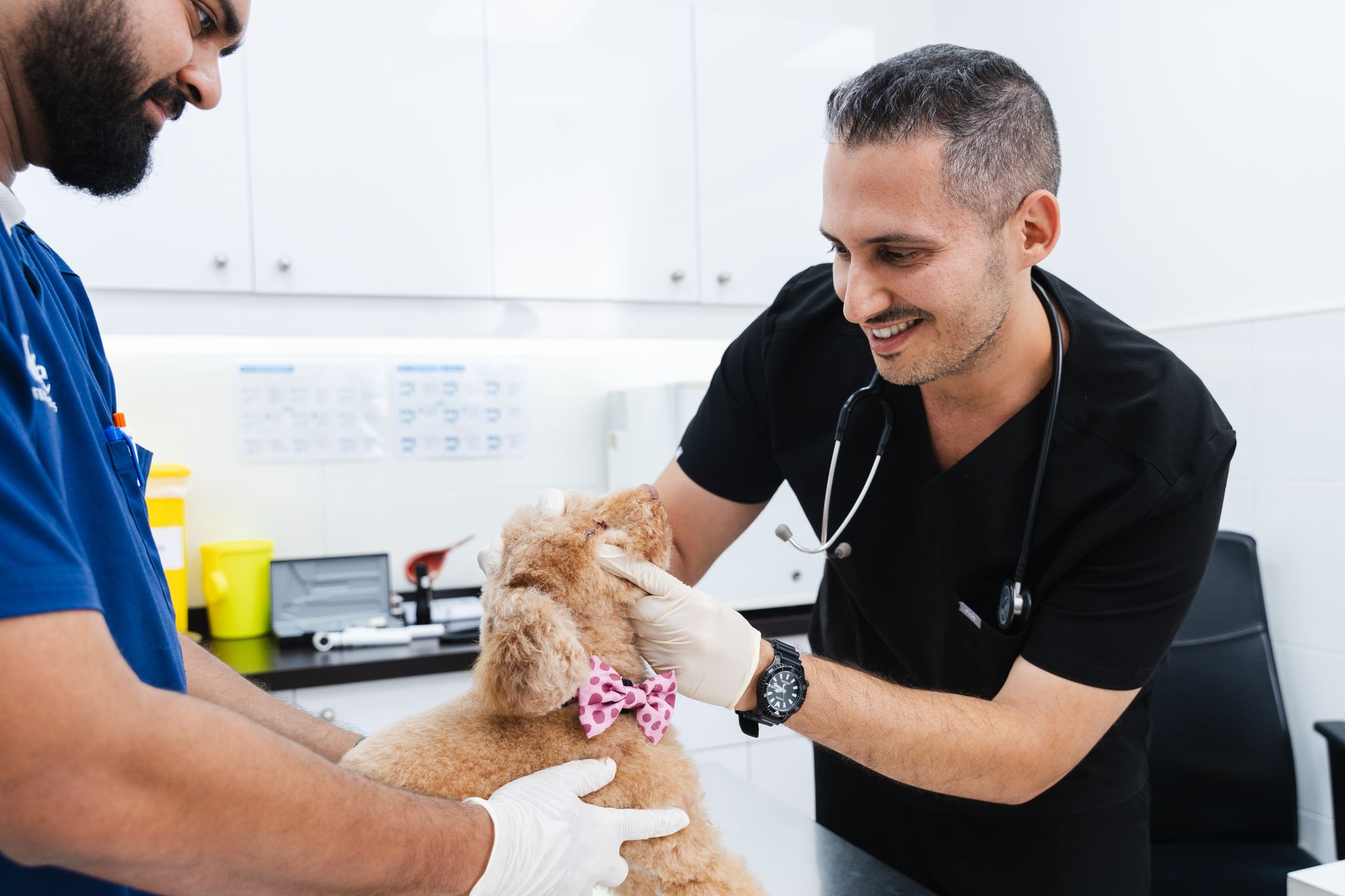
A veterinarian in a black shirt is trying to check a dog's mouth for skin papillomas. Another vet is holding the dog from behind.

While skin papillomas in dogs are usually benign, their presence can cause discomfort for our best friends. Knowing what they look like is the start of getting our dogs the help they need. Here are the key signs of skin papillomas in dogs:

Physical Appearance

Skin papillomas in dogs often have a distinct wart-like appearance, making them relatively easy to spot. Most papillomas are small, round, or oval growths that protrude from the surface of the skin or mucous membranes. 

They typically have a rough, textured surface resembling cauliflower. Their color can vary from pale pink to a gray or dark brown hue, depending on the type of papilloma and the dog’s skin tone.

The type of skin papilloma in your dog will depend on where they are located. Oral papillomas are typically located in the mouth area, such as the tongue, gums, inner cheeks, and edges of the lips.

Common Locations

Papillomas can develop on various parts of a dog’s body. Oral papillomas are frequently found on the lips, tongue, gums, or inside the cheeks. These growths are especially noticeable when your dog is eating, drinking, or yawning. 

Other skin papillomas in dogs may appear on the back, abdomen, limbs, or other parts of the skin.

Potential Secondary Symptoms

While most papillomas are harmless, their location can sometimes lead to discomfort or complications. 

Oral papillomas in dogs can interfere with eating or chewing if they grow too large or become infected. Dogs with oral papillomas may drool excessively, have difficulty picking up food, or accidentally bite the warts.

Growths between the toes or on the paw pads can cause limping or reluctance to walk, especially if the papillomas become irritated or bleed. Papillomas located in areas subject to friction, such as near collars or harness straps, may become red, swollen, or painful.

Persistent scratching or chewing at papillomas can break the skin, which can result in bacterial or fungal infections.

Behavioral Changes

Dogs with skin papillomas may show behavioral changes related to discomfort or irritation. For example, you might notice your dog scratching, licking, or biting at the affected area. Dogs with oral papillomas may paw at their mouths or seem reluctant to eat their usual food.

Limping or losing interest in playing could also be a sign, as the discomfort might be too much for them. You also might see them wanting to lie down more often than be active.
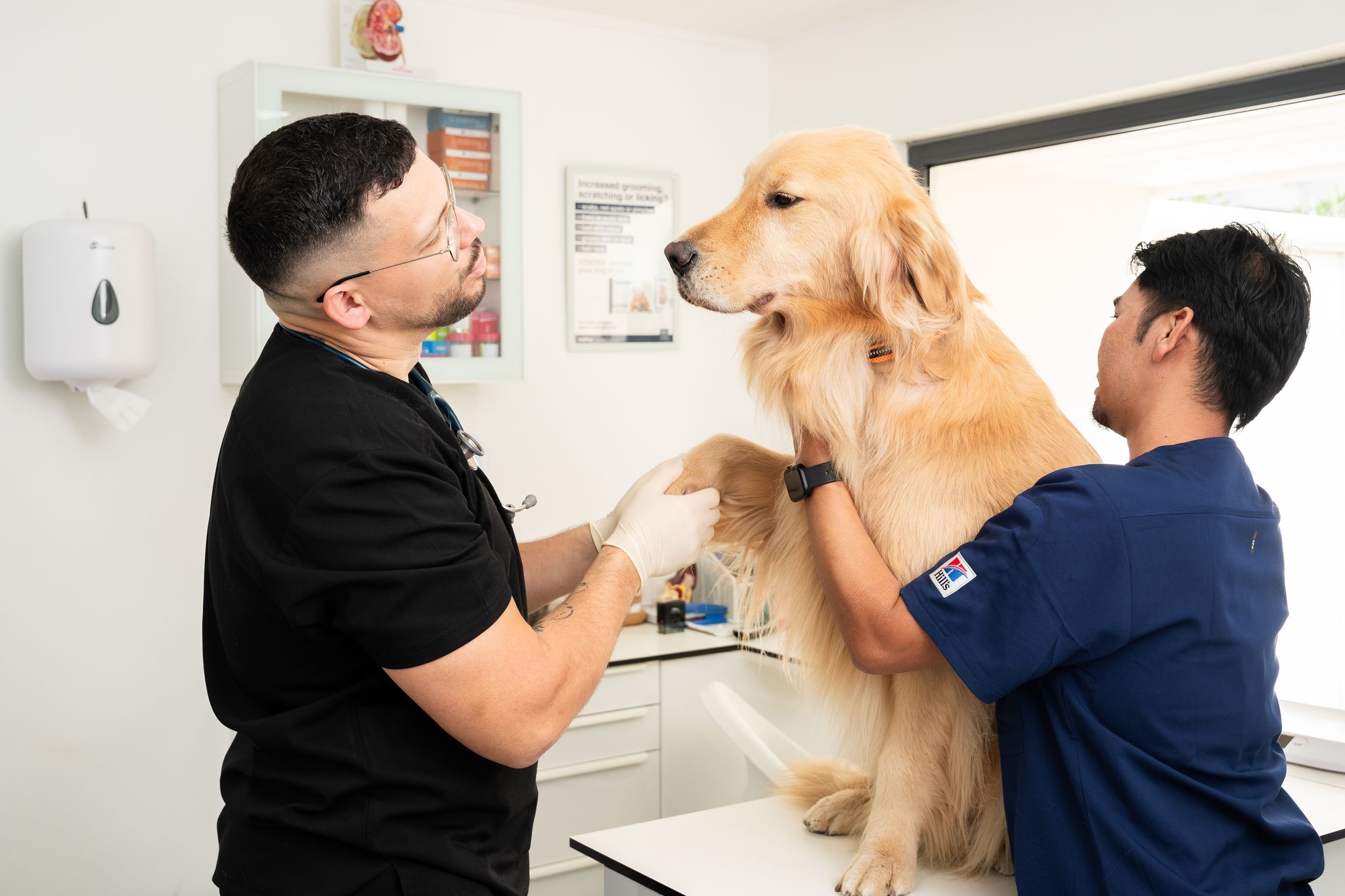
How Do Vets Diagnose Skin Papillomas in Dogs?

Diagnosis will involve a combination of physical examination, medical history review, and diagnostic testing. Here’s how we do it.

Physical Examination

Papillomas often have a characteristic texture, resembling small, cauliflower-like growths, making them relatively easy to identify. During the examination, our vets will note the location, size, and number of growths, as well as any signs of irritation, infection, or discomfort.

We may also ask questions about the dog’s symptoms and behavior. For example, you might have noticed your dog scratching or biting the affected area, which is important information for diagnosis. Changes in walking or eating habits can also help us diagnose skin papillomas in dogs.

Diagnostic Tests

If the appearance of the growth is unusual or its nature uncertain, we may recommend additional tests at our in-house laboratory to confirm the diagnosis. 

  • Cytology. A sample of cells from the growth is collected and examined under a microscope. This test can help determine whether the cells are consistent with a papilloma or another type of growth. This process is minimally invasive.

  • Biopsy. A small portion or the entirety of the growth is surgically removed and sent to a laboratory for histopathological analysis. This is particularly useful for distinguishing benign papillomas from malignant tumors.

How Do You Treat Skin Papillomas in Dogs?

Two veterinarians are preparing a dog for treatment for skin papillomas.

Skin papillomas in dogs often require minimal intervention, as they are typically benign and may resolve on their own. However, certain situations will require our intervention. Here are the ways we treat skin papillomas in dogs:

Natural Regression

In many cases, especially with oral papillomas in young dogs, no active treatment is needed. Skin papillomas in dogs caused by the canine papillomavirus often regress naturally as the dog’s immune system matures and clears the infection. 

This process may take several weeks to months, and during this time, monitoring the growth for changes is important. We make sure to tell owners to keep their dogs from scratching, biting, or licking the skin papillomas. 

Medical Treatments

Medical treatments may be recommended in situations where the skin papilloma is causing problems in dogs. These medications will help fight off the virus and prevent secondary infections from occurring. 

In cases where the dog’s immune system is struggling to clear the virus, medications such as interferons may be prescribed to stimulate the immune response. These drugs help the body fight off the virus more effectively, promoting faster regression of the growths.

Surgical Removal

Surgical intervention is typically reserved for papillomas that are causing significant problems, such as pain, bleeding, or obstruction. For example, oral papillomas that interfere with eating or papillomas located on the feet that cause limping may need to be removed.

Surgery is usually performed under general anesthesia, and our veterinary surgeons carefully excise the growth. However, there are situations where we may have to let the mass grow to its maximum size first before removing it. It all depends on your dog’s situation.

“Your dog’s skin should be protected in order to safeguard their health.”

- Dr. Soheyl Simaei

Final Thoughts

Skin papillomas in dogs, while often benign, can cause concern due to their appearance and potential to impact your dog’s comfort. While these dog warts can go away on their own after a few months, there are treatment options ready to help provide relief and happiness for your dog.

Frequently Asked Questions

Is dog papilloma painful for dogs?

No, dog warts are not usually painful. Some dogs may feel discomfort if the warts are located in certain areas, such as their mouths or between the toes. They can be painful when they get large or infected.

Is dog papilloma painful for dogs?

No, dog warts are not usually painful. Some dogs may feel discomfort if the warts are located in certain areas, such as their mouths or between the toes. They can be painful when they get large or infected.

Is dog papilloma painful for dogs?

No, dog warts are not usually painful. Some dogs may feel discomfort if the warts are located in certain areas, such as their mouths or between the toes. They can be painful when they get large or infected.

Can humans catch papillomas from dogs?

No, humans cannot catch papillomas from dogs. Canine papillomavirus is species-specific, meaning it only infects dogs. It does not spread to people or other pets like cats.

Can humans catch papillomas from dogs?

No, humans cannot catch papillomas from dogs. Canine papillomavirus is species-specific, meaning it only infects dogs. It does not spread to people or other pets like cats.

Can humans catch papillomas from dogs?

No, humans cannot catch papillomas from dogs. Canine papillomavirus is species-specific, meaning it only infects dogs. It does not spread to people or other pets like cats.

Should I take my dog to the vet for papillomas?

Yes, we recommend taking your dog to the vet for papillomas, even if they can potentially go away on their own in mild cases. We can provide a more accurate diagnosis and better treatment solutions if you bring your dog in for a checkup. 

Should I take my dog to the vet for papillomas?

Yes, we recommend taking your dog to the vet for papillomas, even if they can potentially go away on their own in mild cases. We can provide a more accurate diagnosis and better treatment solutions if you bring your dog in for a checkup. 

Should I take my dog to the vet for papillomas?

Yes, we recommend taking your dog to the vet for papillomas, even if they can potentially go away on their own in mild cases. We can provide a more accurate diagnosis and better treatment solutions if you bring your dog in for a checkup. 

What happens if canine papilloma goes untreated?

Most papillomas resolve on their own within weeks to a few months as the dog’s immune system clears the virus. However, if they do not disappear on their own and are left untreated, complications such as infections, inflammation, and irritation can occur.

What happens if canine papilloma goes untreated?

Most papillomas resolve on their own within weeks to a few months as the dog’s immune system clears the virus. However, if they do not disappear on their own and are left untreated, complications such as infections, inflammation, and irritation can occur.

What happens if canine papilloma goes untreated?

Most papillomas resolve on their own within weeks to a few months as the dog’s immune system clears the virus. However, if they do not disappear on their own and are left untreated, complications such as infections, inflammation, and irritation can occur.

Can dogs with papillomas be around other dogs?

No, it’s crucial to keep dogs with papillomas away from other dogs. The virus is highly contagious, which means it can easily spread. It’s best to avoid areas where other dogs are, including dog parks, daycares, and grooming salons.

Can dogs with papillomas be around other dogs?

No, it’s crucial to keep dogs with papillomas away from other dogs. The virus is highly contagious, which means it can easily spread. It’s best to avoid areas where other dogs are, including dog parks, daycares, and grooming salons.

Can dogs with papillomas be around other dogs?

No, it’s crucial to keep dogs with papillomas away from other dogs. The virus is highly contagious, which means it can easily spread. It’s best to avoid areas where other dogs are, including dog parks, daycares, and grooming salons.

Share

Custom Icon
Custom Icon
Custom Icon

Subscribe to Our Newsletter

Sign up for weekly pet health tips and insights from our veterinarians.

Sign up for weekly pet health tips and insights from our veterinarians.

Wellness & Emergency Care

Wellness & Emergency Care

Book Appointment

Book Appointment

Worried about your pet?

We’re here for urgent care, wellness checks, or anything in between. 

We’re here for urgent care, wellness checks, or anything in between. 

Get the best Vet care for your pet

© 2025 Noble Veterinary Clinics

© 2025 Noble Veterinary Clinics

Unique care for your best friends, because they’re family.

© 2025 Noble Veterinary Clinics

© 2025 Noble Veterinary Clinics