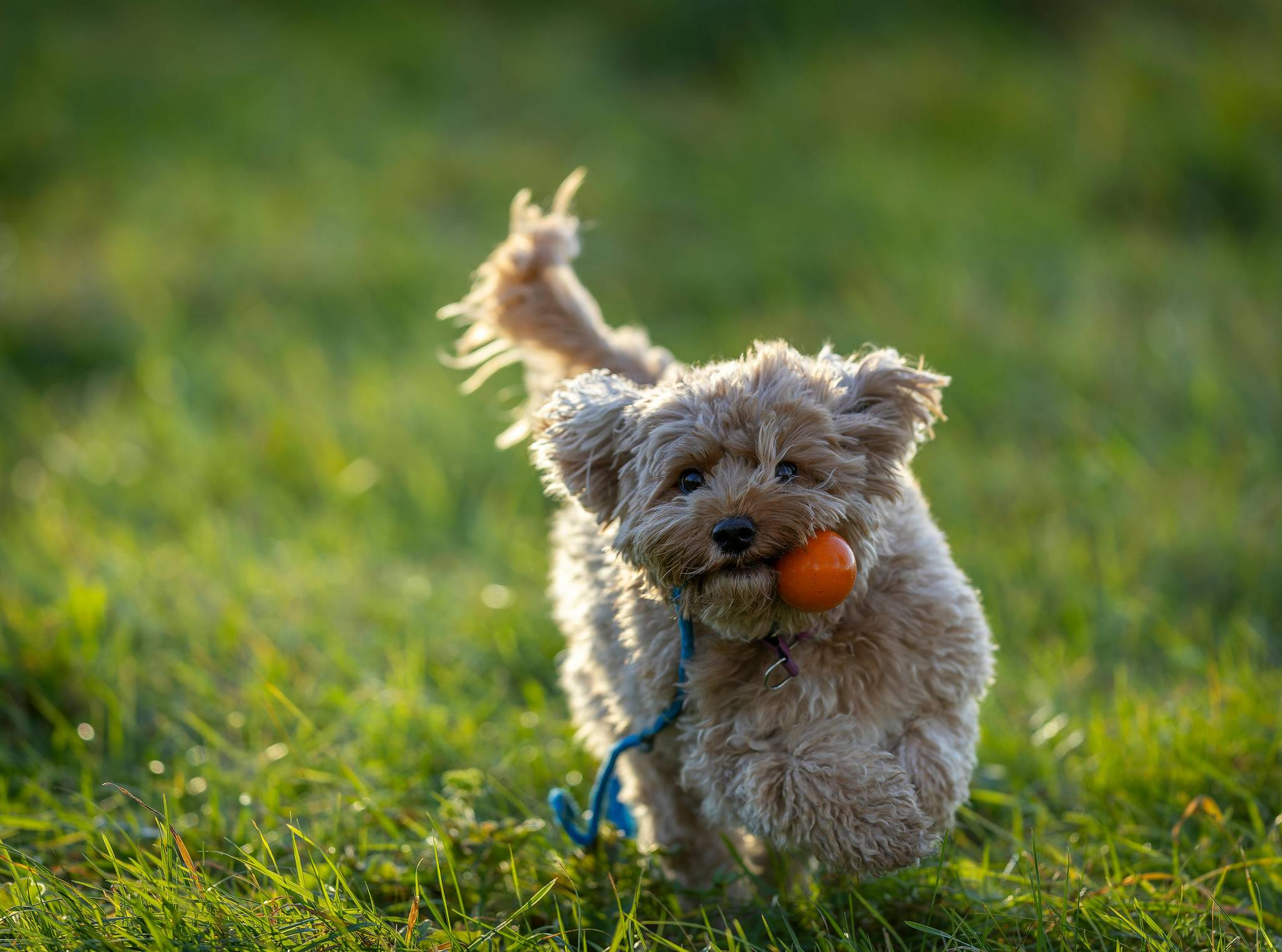
Breed Overview
Personality: Affectionate, social, playful, and eager to please
Up to 11 kg to 25 lbs
Coat Colors: Cream, apricot, red, black, chocolate, white, gold, and tan
Short and long hair
Coat Patterns: Solid, bicolor, tricolor, or abstract markings
Eye Color: Brown or hazel
12-18 years
Yes (low-shedding, but not full allergen-free)
History of the Cavapoo
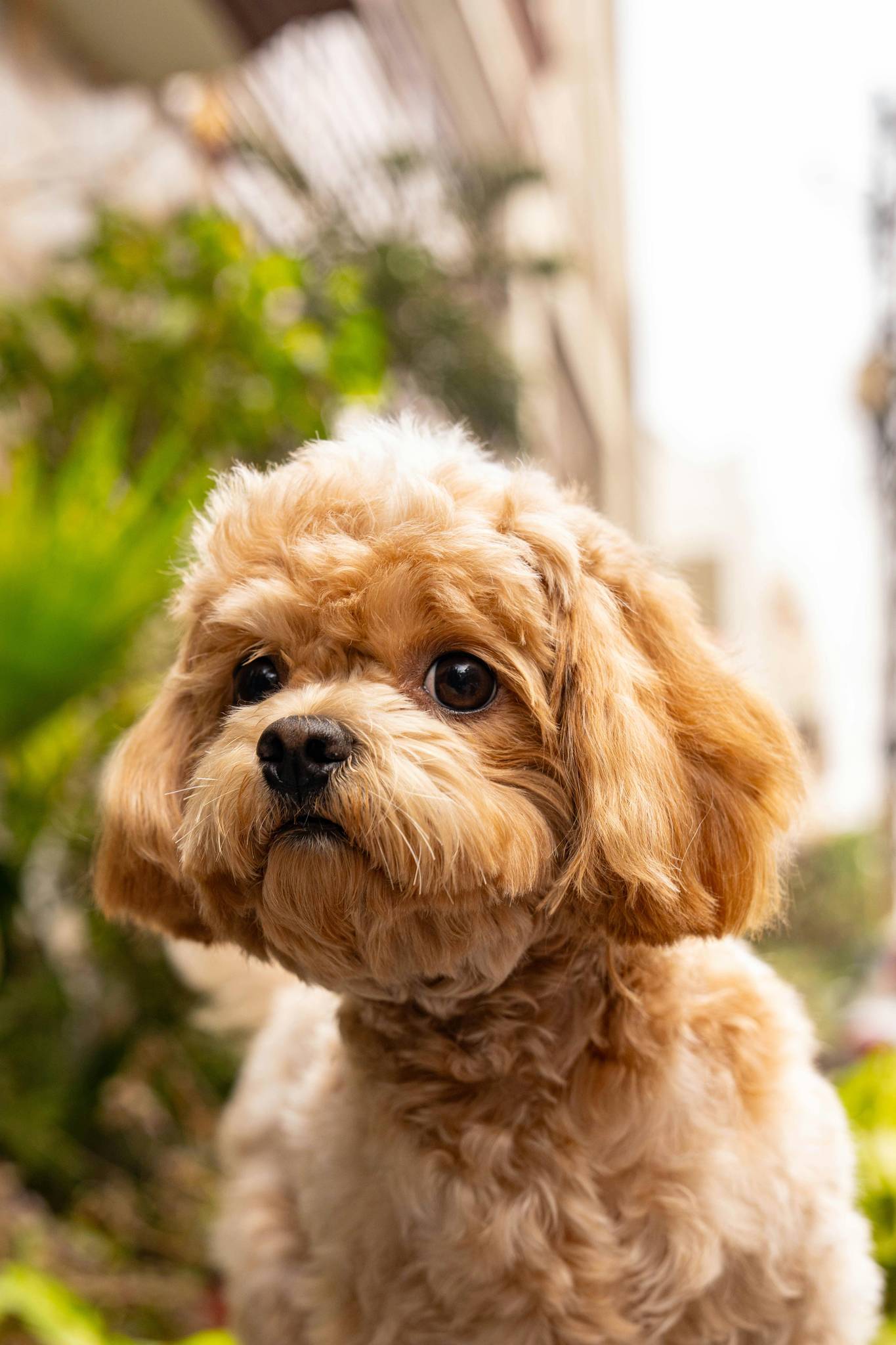
The Cavapoo originated in Australia during the 1990s when breeders set out to create a small, affectionate, and low-shedding companion dog by crossing the Cavalier King Charles Spaniel with the poodle.
The goal was to combine the Cavalier’s sweet nature with the poodle’s intelligence and hypoallergenic coat. This crossbreed quickly gained popularity in Australia, the United States, the United Kingdom, and beyond.
Over time, Cavapoos became a sought-after family pet thanks to their loyal, social, and adaptable personality. Unlike some designer breeds that remain niche, the Cavapoo has continued to grow in popularity. This breed became popular among first-time dog owners and allergy sufferers looking for a low-shedding, affectionate companion.
Today, while not officially recognized by major kennel clubs, the Cavapoo is acknowledged by designer breed registries like the Designer Dogs Kennel Club (DDKC). Their friendly temperament, intelligence, and adorable teddy bear-like appearance have made them one of the most beloved hybrid breeds worldwide.
Physical Characteristics of Cavapoo
Head
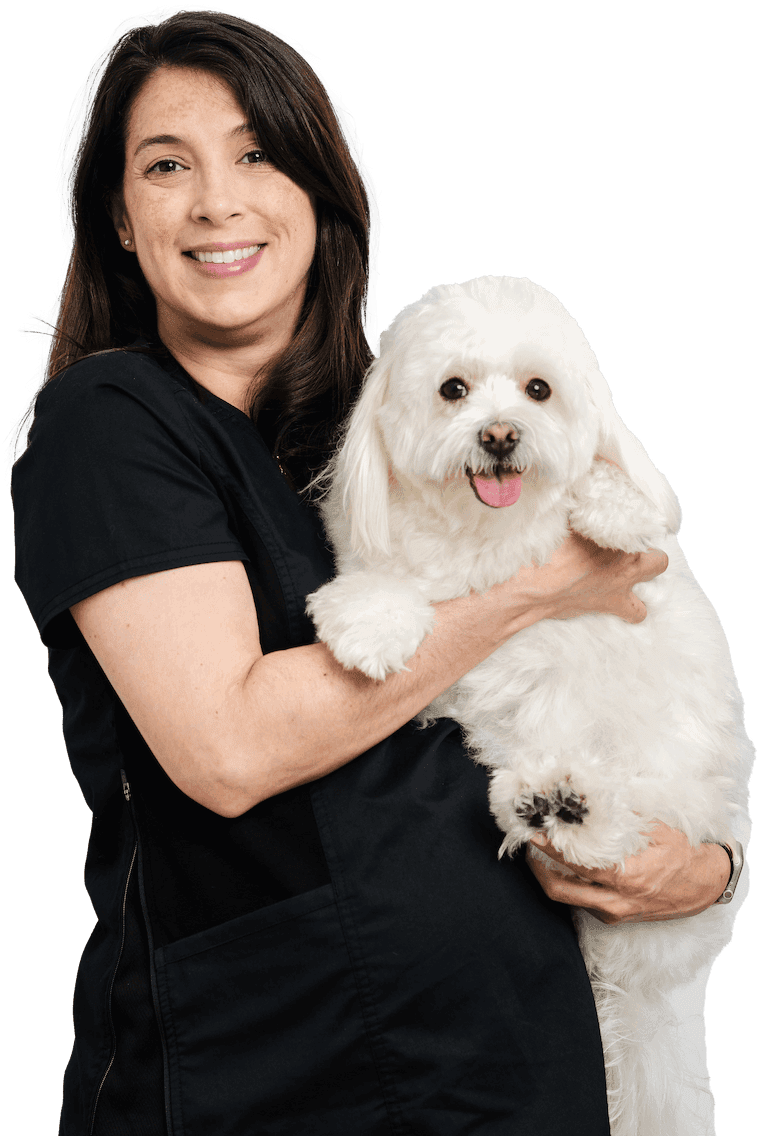
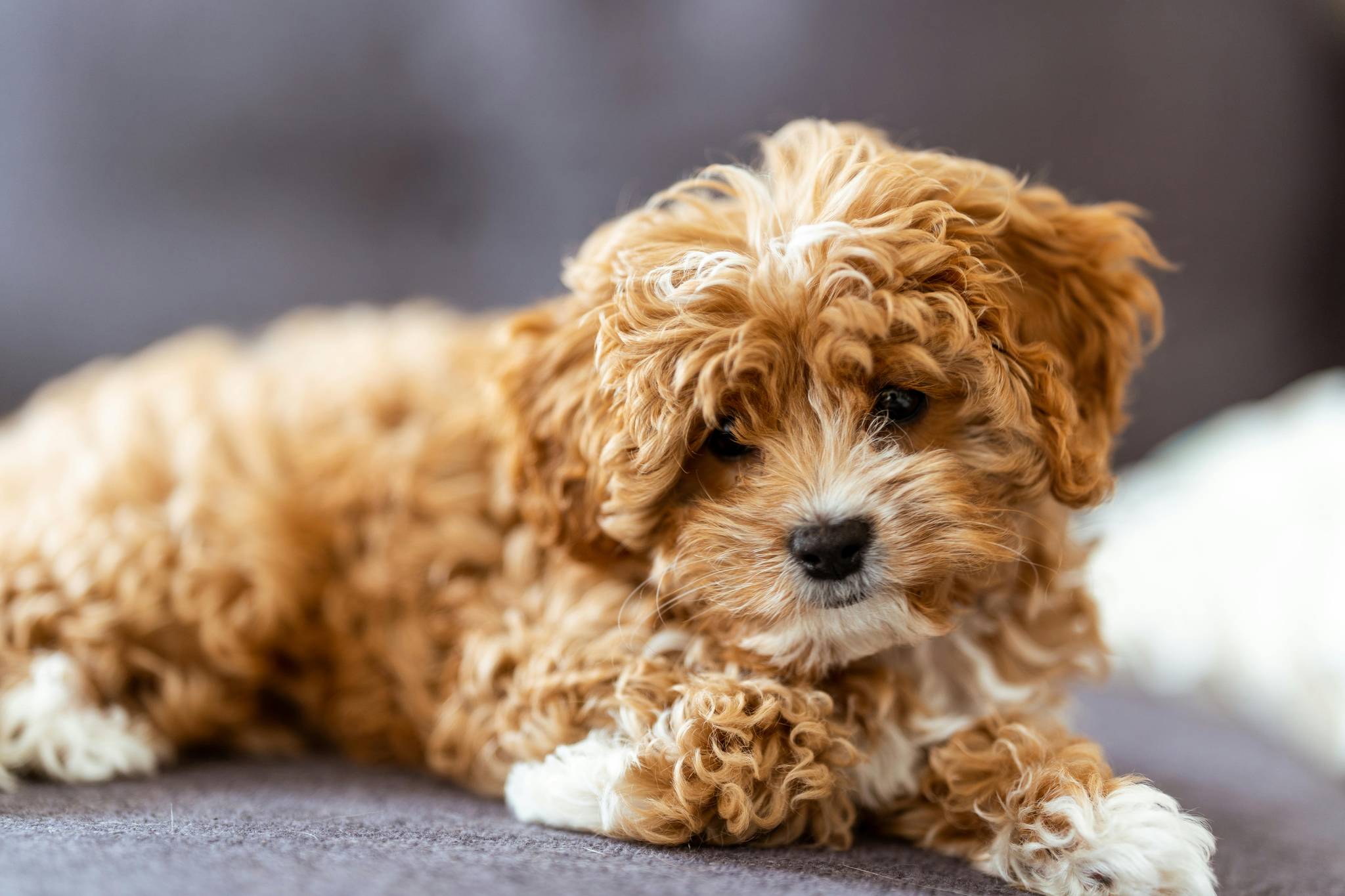
Cavapoos have a rounded head and a well-proportioned skull. They have a short to medium-length muzzle and a black or brown nose that complements their coat color.
Eyes
Their round eyes are typically dark brown or hazel.
Ears
Cavapoos have medium-length, floppy ears that hang close to their cheeks, often covered in soft, wavy fur.
Body
Their body is compact yet sturdy, with a moderate build and a slightly arched neck leading to a well-proportioned torso.
Limbs
They have strong, well-muscled legs that provide agility and endurance, with paws that are small and round.
Tail
Their tail is medium-length and slightly curved, often covered in fluffy fur.
Coat
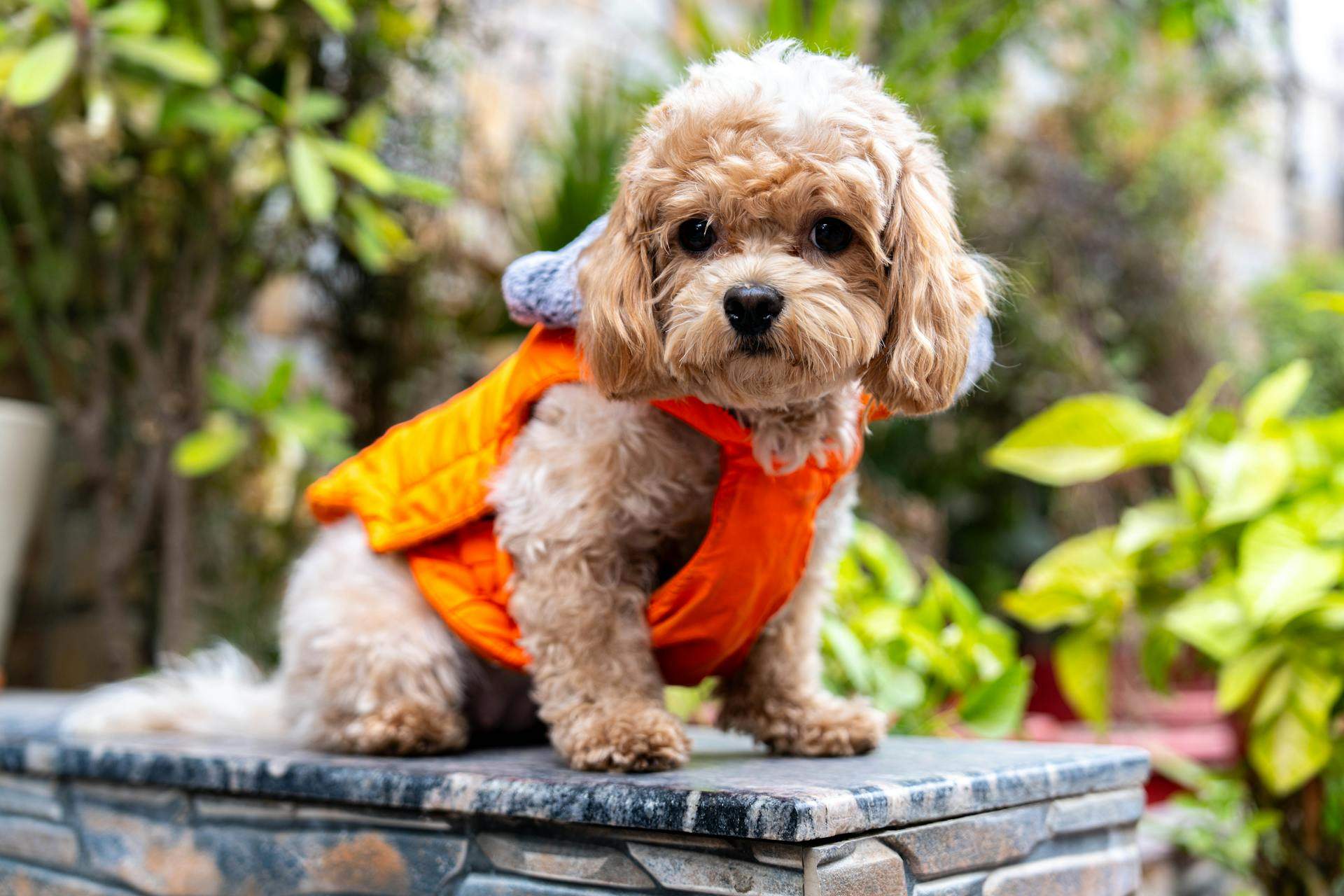
Cavapoos have a soft and curly coat. Their coat comes in cream, apricot, red, black, white, and tricolor combinations.
Size
Males are 23-45 cm (9-18 inches) in height, while females are 23-36 cm (9-14 inches) tall.
Weight
Males weigh 4.5-11 kg (10-25 lbs), while females weigh around 4-7 kg (9-15 lbs).
Just welcomed a Cavapoo?
What to Expect With a Cavapoo
Vocalization Level
Cavapoos occasionally bark or whine to communicate when they’re excited or when they want attention. They aren’t known to be too noisy, but they will vocalize if they feel left out or when something interesting comes by.
Energy Level
They have bursts of playtime, interactive games, and daily walks, but they’re just as happy curling up beside you for a quiet nap. Their balanced energy makes them suitable for both active and laid-back homes.
Independence Level
Cavapoos love companionship and they want they’re owners around them as much as possible. They don’t like being left alone for long hours, and they can develop separation anxiety without setting a proper routine and support from their family.
Affection Level
They love cuddles and being physically close to their owners because they want to be constantly involved in all activities. They're also known to follow their owners around the house whenever possible.
Compatibility with Children
Cavapoos are gentle, playful, and patient with kids, which makes them great family pets. Their affection and tolerance make them an excellent fit for children who are well-supervised.
Compatibility with Other Pets
With proper socialization, they can live well with dogs, cats, and other smaller animals. They like the company of other pets, allowing them to form strong bonds in a multi-pet household.
Adaptability Level
Cavapoos can adapt easily to apartments, houses with yards, and other environments. They can handle changes well as long as the people they trust are there to support them as they adjust.
Trainability Level
Cavapoos are intelligent, eager to please their owners, and fast learners. Positive reinforcement methods work best with them, and they enjoy training sessions as a form of bonding and mental stimulation.
Exercise Requirements
Light activities like short walks and play sessions are enough to keep them content. They also enjoy interactive toys. While they don’t require intense activity, the movement and engagement are still needed to keep them healthy.
Mental Stimulation Needs
Cavapoos benefit from learning tricks, puzzles, and social interactions. Keeping them entertained prevents boredom and unwanted behaviors.
Grooming Frequency
They need regular brushing to prevent matting and, sometimes, professional grooming every four to six weeks. But this may depend on coat type. Their floppy ears and dental needs also need consistent care.
Health Concerns of Cavapoo
How to Groom a Cavapoo
Coat Maintenance
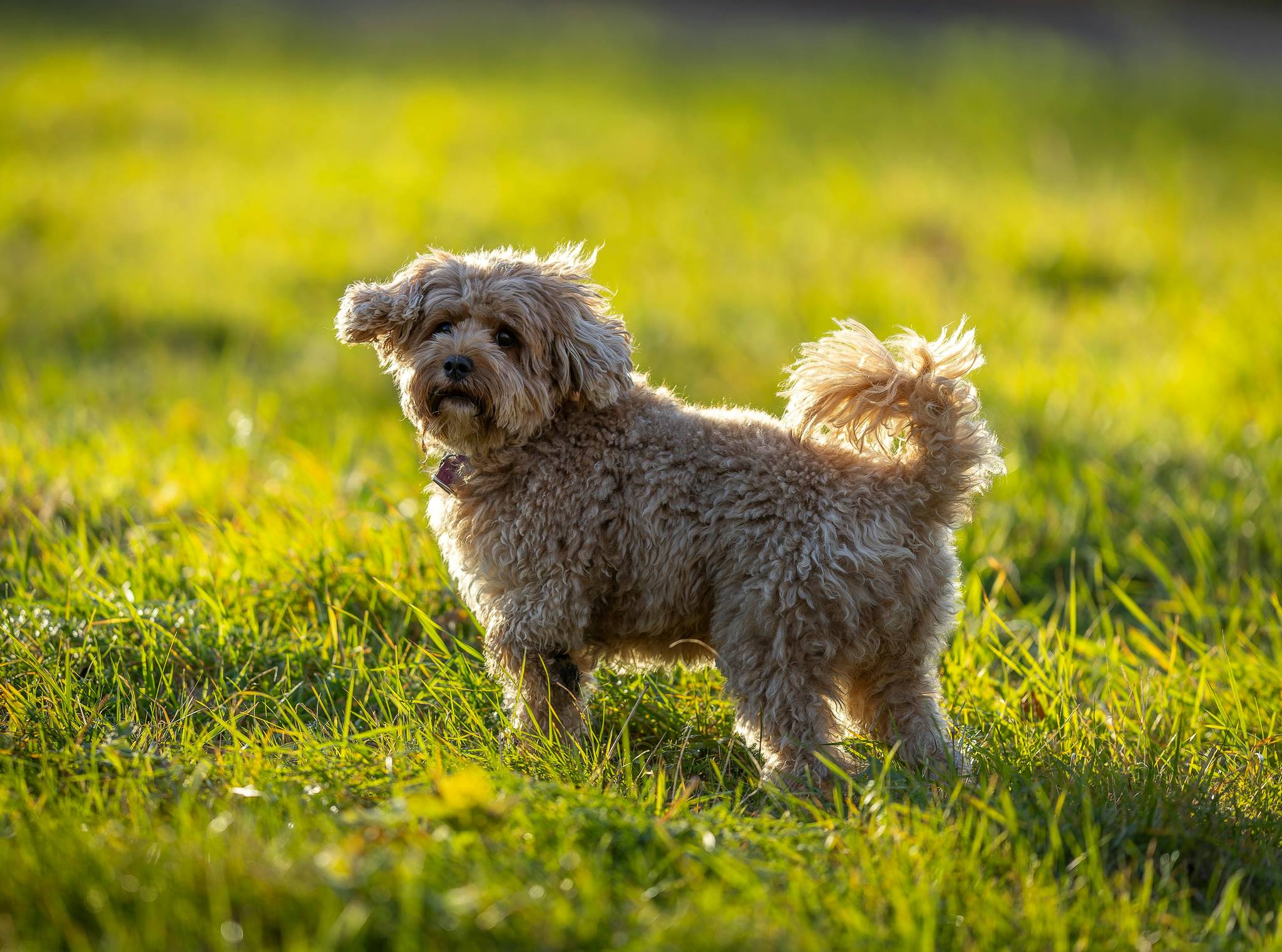
Cavapoos need to be brushed at least three to four times a week, especially those with curlier and longer coats. Their fur can range from wavy to curly, which can be prone to matting, especially around the underarms, chest, and behind the ears. Use a slicker brush and metal comb, or bring them to the professional groomers about once a month for coat trimming and management.
Skin Health
They can have sensitive skin, a trait which is often inherited from their Poodle parent. They can be prone to skin dryness or allergies. It’s essential to use gentle grooming products that are hypoallergenic and specially formulated for sensitive skin.
Bathing Routine
Cavapoos should be bathed once every four to six weeks, or more often if they develop an odor or get dirty. Use a mild and moisturizing shampoo made for sensitive or hypoallergenic coats. It’s essential to avoid overbathing because it can strip natural oils and irritate the skin. Using a gentle conditioner can also keep their coat soft and tangle-free.
Nail Trimming
Their nails must be trimmed every three to four weeks, depending on how much natural wear they get. Using a dog nail clipper and being careful not to cut into the pink part of their nail are proper ways to cut their nails.
Ear Cleaning
They have floppy ears that can accumulate moisture and wax, making them prone to ear infections. Cleaning their ears using an ear cleaner and a cotton ball every week, following your veterinarian’s instructions. However, prevent using cotton swabs and poking in their ears. Keep ears dry after baths and monitor for signs of infection.
Eye Care
Cavapoos can develop ear stains, especially light-coated dogs. Gently wipe around the eyes with pet eye wipes or a soft, damp cloth. This helps prevent irritation and buildup. Check for any signs of underlying conditions like excessive tearing, redness, and discharge.
Dental Hygiene
They are prone to dental diseases, so brushing their teeth at least two to three times a week is best. Use dog-safe toothpaste and toothbrush, along with dental chews, to help prevent plaque buildup.