Dog Dental Care

Dentistry & Oral Surgery

Dogs are at risk of dental problems like periodontal disease, cavities, and gum infections. Our professional dog dentists are experts in cleaning and scaling your dog’s teeth.

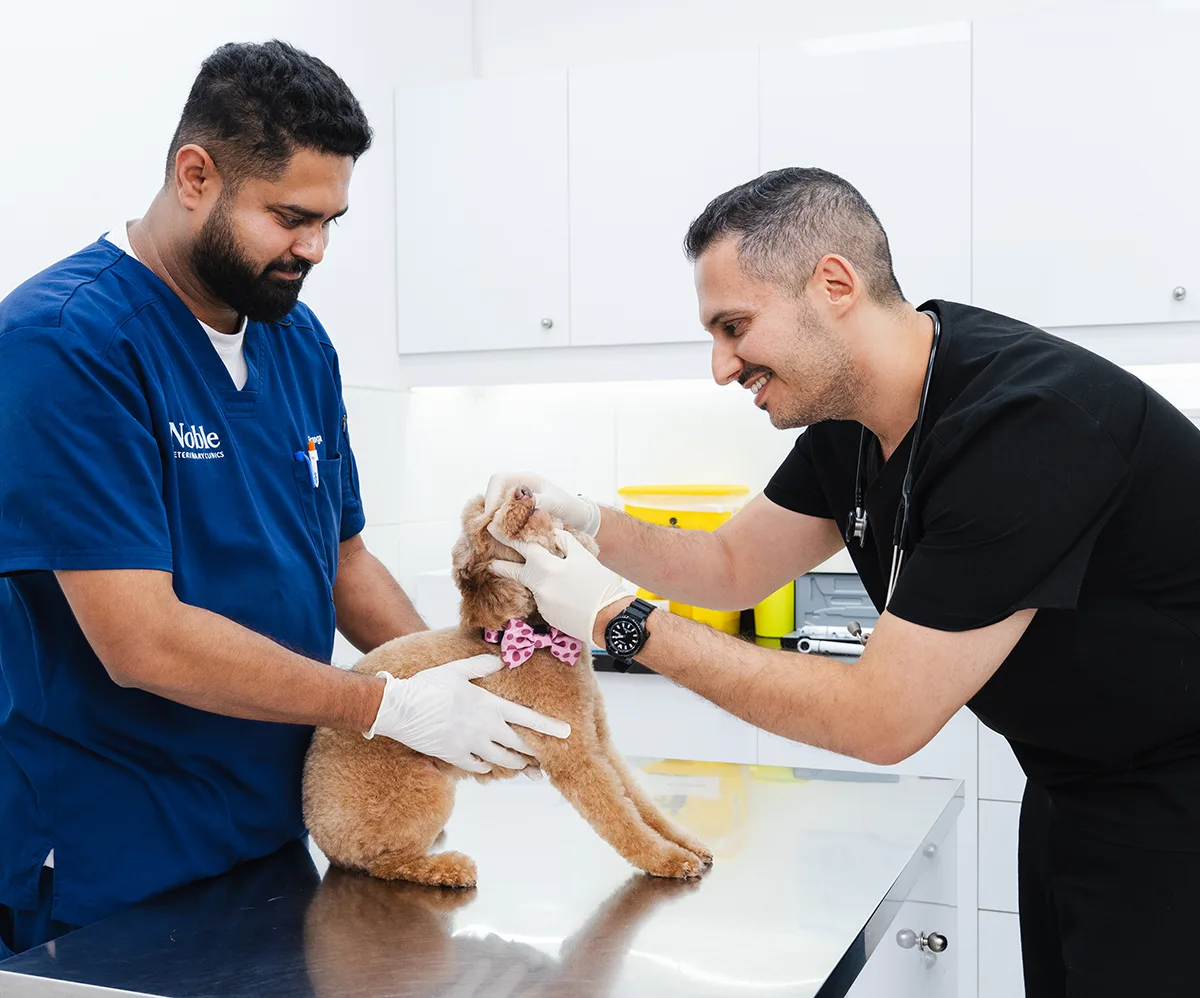
Our head veterinarian checks a Golden Retriever's teeth for dental issues

Dog Dental Care

Dentistry & Oral Surgery

Dogs are at risk of dental problems like periodontal disease, cavities, and gum infections. Our professional dog dentists are experts in cleaning and scaling your dog’s teeth.

Our head veterinarian checks a Golden Retriever's teeth for dental issues

Dog Dental Care

Dentistry & Oral Surgery

Dogs are at risk of dental problems like periodontal disease, cavities, and gum infections. Our professional dog dentists are experts in cleaning and scaling your dog’s teeth.

Our head veterinarian checks a Golden Retriever's teeth for dental issues

Dog Dental Care

Dentistry & Oral Surgery

Dogs are at risk of dental problems like periodontal disease, cavities, and gum infections. Our professional dog dentists are experts in cleaning and scaling your dog’s teeth.

Our head veterinarian checks a Golden Retriever's teeth for dental issues

Why is dental care important for dogs?

Complete dental care goes beyond just fresh breath. It's an essential part of your dog's routine care, protecting vital organs and preventing diseases.


By the age of 3, most dogs will have already shown signs of dental issues. Some breeds are even prone to dental disease in their younger years, which is why dental care should begin as early as possible.


Regular cleanings and dental exams should be core parts of a wellness check, helping your dog stay happy, comfortable, and smiling for years to come.

Why is dental care important for dogs?

Complete dental care goes beyond just fresh breath. It's an essential part of your dog's routine care, protecting vital organs and preventing diseases.


By the age of 3, most dogs will have already shown signs of dental issues. Some breeds are even prone to dental disease in their younger years, which is why dental care should begin as early as possible.


Regular cleanings and dental exams should be core parts of a wellness check, helping your dog stay happy, comfortable, and smiling for years to come.

What dental services do we offer?

What dental services do we offer?

We provide complete dental care for dogs, from preventive cleanings to surgical treatments.

We provide complete dental care for dogs, from preventive cleanings to surgical treatments.

Dental Examinations & Cleanings

Each visit begins with a full oral exam, followed by ultrasonic scaling and polishing to remove plaque and tartar buildup. Routine cleanings help prevent the buildup of bacteria, ensuring good dental health.

Dental Examinations & Cleanings

Each visit begins with a full oral exam, followed by ultrasonic scaling and polishing to remove plaque and tartar buildup. Routine cleanings help prevent the buildup of bacteria, ensuring good dental health.

Tooth Extractions & Oral Surgery

If your dog's teeth are fractured, damaged, or infected, we may recommend safe dental extraction under full anesthesia. Our vets offer advanced oral surgery focused on comfort and recovery.

Tooth Extractions & Oral Surgery

If your dog's teeth are fractured, damaged, or infected, we may recommend safe dental extraction under full anesthesia. Our vets offer advanced oral surgery focused on comfort and recovery.

Oral Disease & Emergency Treatment

For severe cases such as advanced periodontal disease and tooth root abscesses, we provide safe, targeted solutions. Our vets will be with your dog every step of the way, ready for any emergency.

Oral Disease & Emergency Treatment

For severe cases such as advanced periodontal disease and tooth root abscesses, we provide safe, targeted solutions. Our vets will be with your dog every step of the way, ready for any emergency.

How do I know if my dog has dental problems?

Some dogs may not always show pain, so be sure to take note of these significant symptoms:

Bad breath

Yellow or brown tartar

Bleeding gums

Dropping food or chewing only on one side

Avoiding dry kibble or chew toys

Pawing at the face or jaw

Even subtle changes in appetite or behavior could point to dental discomfort. If you're unsure, let our vets do a quick exam.

How much does dental care cost?

We offer transparent pricing based on your dog’s specific needs:

Dental consultation and oral exam - 288.75 AED

Dental consultation and oral exam - 288.75 AED

Dental consultation and oral exam - 288.75 AED

Professional dental scaling - From 1,300 AED (final cost quoted after exam; excludes blood work)

Professional dental scaling - From 1,300 AED (final cost quoted after exam; excludes blood work)

Professional dental scaling - From 1,300 AED (final cost quoted after exam; excludes blood work)

Tooth extractions - Quoted after examination, based on complexity

Tooth extractions - Quoted after examination, based on complexity

Tooth extractions - Quoted after examination, based on complexity

Oral surgery - Custom quote provided following diagnosis

Oral surgery - Custom quote provided following diagnosis

Oral surgery - Custom quote provided following diagnosis

Emergency dental care - Price depends on urgency and severity

Emergency dental care - Price depends on urgency and severity

Emergency dental care - Price depends on urgency and severity

Additional diagnostics like blood tests or dental X-rays may be recommended, especially for senior dogs or those with underlying health conditions. We’ll always explain the plan and costs before we begin any treatment.

What happens during a dental cleaning procedure?

01

Pre-Procedure Evaluation

Our dog dental care services and checkups may include bloodwork and several diagnostic tests to ensure accuracy.

01

Pre-Procedure Evaluation

Our dog dental care services and checkups may include bloodwork and several diagnostic tests to ensure accuracy.

02

Professional Dental Cleaning

We perform ultrasonic scaling above and below your dog's gumline, polish the teeth, and take X-rays, all under safe anesthesia.

02

Professional Dental Cleaning

We perform ultrasonic scaling above and below your dog's gumline, polish the teeth, and take X-rays, all under safe anesthesia.

03

Recovery & Home Care

After cleaning, your dog's dental health will be monitored while they rest. Before you leave, we'll walk you through aftercare, meds, and feeding.

03

Recovery & Home Care

After cleaning, your dog's dental health will be monitored while they rest. Before you leave, we'll walk you through aftercare, meds, and feeding.

Is anesthesia safe for dental cleanings?

Yes, anesthesia is essential to provide a pain-free procedure for your dog. To start, we follow strict safety protocols, including:

Pre-anesthetic blood testing

Tailored anesthesia based on your dog’s breed, weight, and health

Constant monitoring during the entire procedure

After a short stay with us, your dog can usually head home the same day to rest and recover comfortably. Most dogs are ready to go by 6-7 PM.

Can I prevent dental issues at home?

Yes, along with regular dental exams, daily dog dental care at home makes a big difference. We recommend:

Brushing with dog-safe toothpaste (never use human toothpaste)

Dental chews or vet-approved toys

Oral rinses or water additives

Dental diets

If you’re unsure what’s right for your dog, we’ll walk you through options during your next visit.

What are the long-term benefits of dog dental care?

Two veterinarians assess a dog's dental health while talking to the pet owner.

Prevents Tooth Loss and Pain

Routine cleaning sessions protect your dog from tooth decay, painful infections, and severe dental disease.

A veterinarian is holding a dog's face and checking its teeth. Another vet is keeping the dog still.

Protects Vital Organs

By reducing oral bacteria, we minimize the risk of them entering the bloodstream and damaging vital organs.

A veterinarian is checking a dog's mouth while another vet is holding the dog gently.

Improves Appetite and Mood

Good dental health promotes appetite and mood, avoiding painful feeding that may affect their appetite and well-being.

A veterinarian checking a dog's dental health and teeth through a physical exam.

Reduces Emergency Vet Visits

Routine dental care for dogs significantly lowers the risk of unexpected diseases, infections, and costly procedures.

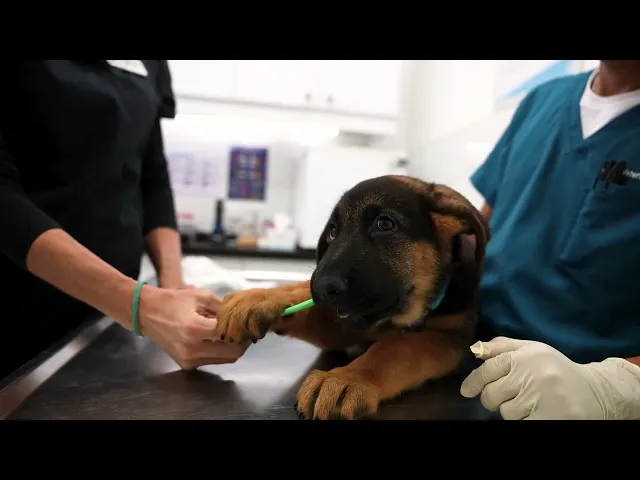
Two veterinarians are holding a dog gently after a dental cleaning session.

Supports a Longer, Healthier Life

Good oral health leads to better overall health and wellness, helping your dog stay happy, comfortable, and protected.

Are some breeds more prone to dental problems?

Yes. Some breeds need more frequent dental care than others because of the specific conditions they may have. Examples include:

Small dogs (like Yorkies, Pomeranians, and Maltese) often have overcrowded teeth and rapid tartar buildup.

Small dogs (like Yorkies, Pomeranians, and Maltese) often have overcrowded teeth and rapid tartar buildup.

Small dogs (like Yorkies, Pomeranians, and Maltese) often have overcrowded teeth and rapid tartar buildup.

Flat-faced breeds (like French Bulldogs and Pugs) have misaligned bites that make them prone to early gum disease.

Flat-faced breeds (like French Bulldogs and Pugs) have misaligned bites that make them prone to early gum disease.

Flat-faced breeds (like French Bulldogs and Pugs) have misaligned bites that make them prone to early gum disease.

Large breeds with strong chewing habits can crack or break teeth more easily.

Large breeds with strong chewing habits can crack or break teeth more easily.

Large breeds with strong chewing habits can crack or break teeth more easily.

If you want to know more about your dog's dental health or breed-specific issues, book a visit with our experts.

Does age affect dental needs?

Yes. Dental needs change over time:

Puppies sometimes retain their baby teeth, which may need removal to prevent crowding.

Puppies sometimes retain their baby teeth, which may need removal to prevent crowding.

Puppies sometimes retain their baby teeth, which may need removal to prevent crowding.

Senior dogs are more prone to gum recession, loose teeth, and infections that can affect overall health.

Senior dogs are more prone to gum recession, loose teeth, and infections that can affect overall health.

Senior dogs are more prone to gum recession, loose teeth, and infections that can affect overall health.

We tailor our dental care plan based on your dog’s age, lifestyle, and medical history.

Looking to keep your dog’s teeth clean and healthy?

Let’s schedule a dental checkup today.

Looking to keep your dog’s teeth clean and healthy?

Let’s schedule a dental checkup today.

Looking to keep your dog’s teeth clean and healthy?

Let’s schedule a dental checkup today.

Words from the Heart

Trusted by more than 100,000 families - with a new story of recovery every day

4.9 Rating from 2,500+ reviews

Everything You Need to Know

Questions? We're Here to Help

Questions? We're Here to Help

A veterinarian is holding a dog after a dental care exam.

Still have questions?

Our team is here to help. Get in touch for personalized answers.

Our team is here to help. Get in touch for personalized answers.

At what age should a dog get their teeth cleaned?

We recommend regular dental checkups for your dog starting at the age of one. Dental cleaning started early on will benefit them greatly, protecting them from painful oral disease and infections. Once at the clinic, we'll create a customized schedule for your dog's dental cleaning sessions.

How painful is teeth cleaning for dogs?

Teeth cleaning sessions aren't painful for dogs. Our pet dentists will first administer general anesthesia depending on your dog's size, age, and weight. This ensures comfort throughout the procedure. After the session, your dog may experience slight discomfort, but this goes away quickly.

How often should dogs go for dental scaling?

Dental scaling should only be performed by a veterinarian as required. Generally, this should be done every 6-12 months. Some dogs, such as seniors and those with dental disease, may require more frequent sessions. We'll plan your dog's schedule after our vets do a full dental exam.

What is the difference between dental cleaning and scaling?

Dental cleaning involves removing plaque and tartar buildup from above the gumline to maintain oral health. On the other hand, dental scaling is part of a much deeper procedure which removes plaque and tartar from below the gumline, preventing gum disease and other oral issues.

What happens if I never brush my dog’s teeth?

If your dog's teeth aren't brushed regularly, they might experience plaque and tartar buildup. This may result in gum disease, tooth decay, oral infections, and other serious health problems. Over time, your dog will have bad breath, dental pain, and tooth loss.

Should I brush my dog’s teeth every day?

Yes, brushing daily is recommended. Even brushing their teeth at least 2-3 times a week can help prevent dental issues and maintain good oral hygiene. Use a pet-safe toothpaste and toothbrush, never products meant for humans.

At what age should a dog get their teeth cleaned?

We recommend regular dental checkups for your dog starting at the age of one. Dental cleaning started early on will benefit them greatly, protecting them from painful oral disease and infections. Once at the clinic, we'll create a customized schedule for your dog's dental cleaning sessions.

How painful is teeth cleaning for dogs?

Teeth cleaning sessions aren't painful for dogs. Our pet dentists will first administer general anesthesia depending on your dog's size, age, and weight. This ensures comfort throughout the procedure. After the session, your dog may experience slight discomfort, but this goes away quickly.

How often should dogs go for dental scaling?

Dental scaling should only be performed by a veterinarian as required. Generally, this should be done every 6-12 months. Some dogs, such as seniors and those with dental disease, may require more frequent sessions. We'll plan your dog's schedule after our vets do a full dental exam.

What is the difference between dental cleaning and scaling?

Dental cleaning involves removing plaque and tartar buildup from above the gumline to maintain oral health. On the other hand, dental scaling is part of a much deeper procedure which removes plaque and tartar from below the gumline, preventing gum disease and other oral issues.

What happens if I never brush my dog’s teeth?

If your dog's teeth aren't brushed regularly, they might experience plaque and tartar buildup. This may result in gum disease, tooth decay, oral infections, and other serious health problems. Over time, your dog will have bad breath, dental pain, and tooth loss.

Should I brush my dog’s teeth every day?

Yes, brushing daily is recommended. Even brushing their teeth at least 2-3 times a week can help prevent dental issues and maintain good oral hygiene. Use a pet-safe toothpaste and toothbrush, never products meant for humans.

Dog Dental Care

Healthy Smiles Start with Proper Dog Dental Care

At Noble Vet Clinic, we support lifelong pet wellness and the relationships that make it meaningful.

Dog Dental Care

Healthy Smiles Start with Proper Dog Dental Care

At Noble Vet Clinic, we support lifelong pet wellness and the relationships that make it meaningful.

Dog Dental Care

Healthy Smiles Start with Proper Dog Dental Care

At Noble Vet Clinic, we support lifelong pet wellness and the relationships that make it meaningful.

© 2006-2026 Noble Veterinary Clinics

Policies

Contact Us

DIP - 8am to 9pm
JLT - 10am to 7pm

Jumeirah -

Mon-Fri: 8am to 8pm

Sat-Sun: 9am to 6pm

© 2006-2026 Noble Veterinary Clinics

Your veterinary practice, always here

© 2006-2026 Noble Veterinary Clinics

We’re Hiring! Let’s transform the future of veterinary care together.

We’re Hiring! Let’s transform the future of veterinary care together.

We’re Hiring!

We’re Hiring! Let’s transform the future of veterinary care together.