


When it comes to our dogs’ health, we must always take steps to make sure they are free from serious diseases. One of these is canine parvovirus.
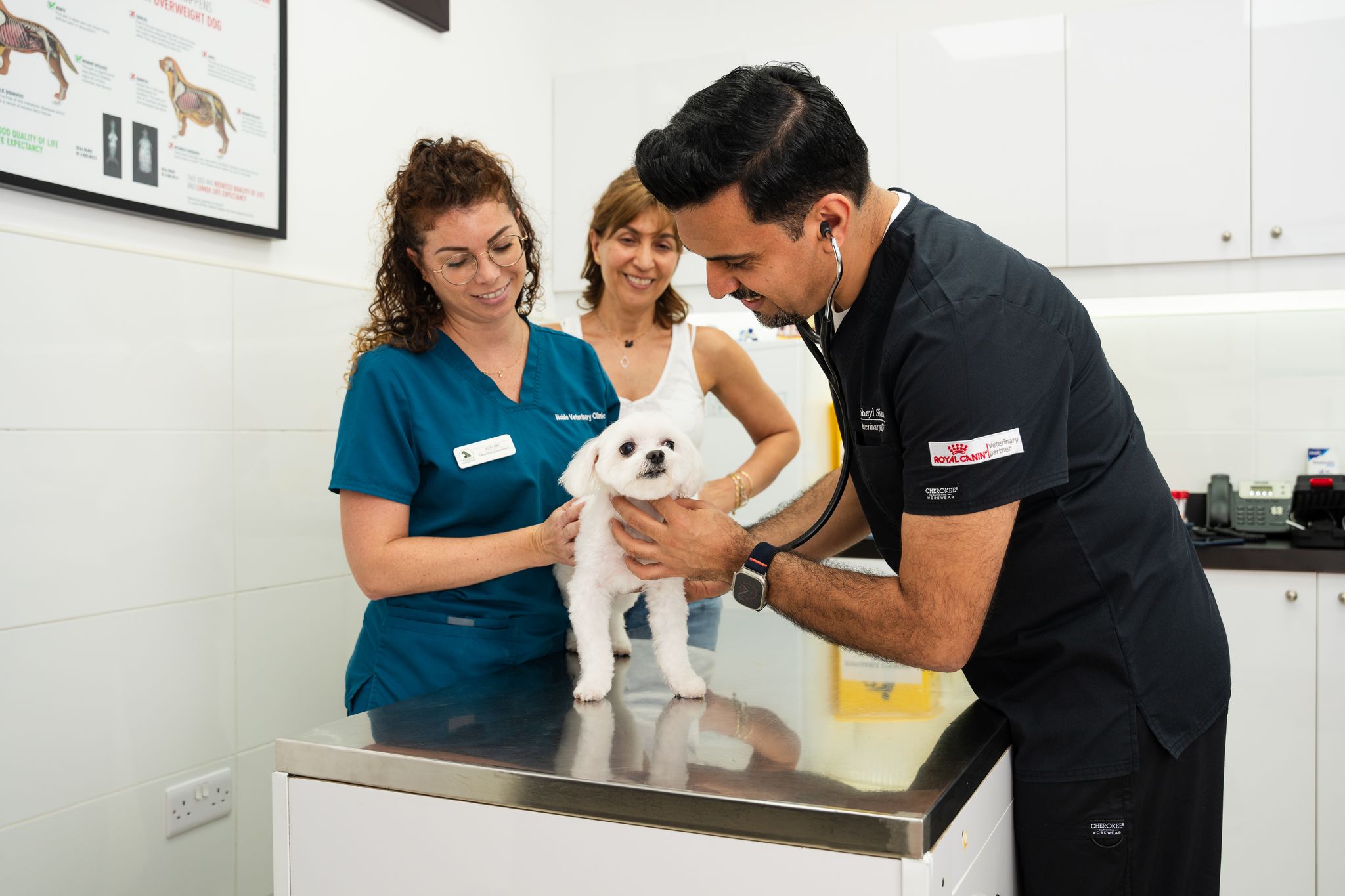
Parvovirus in dogs, otherwise known as CPV, is a highly dangerous viral disease that can lead to severe illness and even death. In this blog, we’re going to talk all about it, from what it is to how we can prevent it.
Key Takeaways
Dogs may contract parvo through direct contact with infected dogs and their feces, as well as contaminated surfaces.
Unvaccinated dogs and young puppies are at risk of this disease.
There is no specific cure for CPV, which is why our veterinarians focus on hospitalization and intensive care.
What Is Parvo in Dogs?
Canine parvovirus is a viral infection that mainly affects a dog’s gastrointestinal system. It was first discovered in the 1970s and has since become a common issue for dogs worldwide.
CPV has multiple strains, but it is species-specific. Even so, CPV-2 is the primary cause of the highly infectious disease. CPV-1 is considered to be significantly less severe, with only relatively mild symptoms in puppies.
How Do Dogs Get CPV?
The main method of transmission is direct contact.
Because infected dogs shed the virus, other healthy dogs may contract it upon contact with contaminated waste. This often happens when they lick or touch the feces with their noses.
CPV can also live in soil, grass, and on surfaces for months, increasing the risk of dogs coming into contact with it. It can withstand freezing and high temperatures.
As expected, areas that are unclean or unhygienic, such as poorly maintained boarding facilities and grooming salons, are risk areas. People may also indirectly infect dogs when they carry the virus in their shoes and clothes.
What Dogs Are at Risk of Parvo?
While all dogs are at risk, some have a higher chance of contracting the virus. This includes:
Unvaccinated Dogs. Dogs without complete and up-to-date vaccinations are at higher risk of infection with the virus.
Puppies. Young pups under 5 months old are most vulnerable to CPV because their immune systems are still developing. Plus, they also haven’t finished their vaccinations by this age.
High-Risk Breeds. Certain dog breeds are more susceptible, including Dobermans, Rottweilers, German Shepherds, English Springer Spaniels, and American Pit Bull Terriers.
Symptoms of Parvovirus in Puppies and Adult Dogs
The signs typically manifest within 3-7 days after exposure to the virus. Our veterinarians often record CPV symptoms such as:
Lethargy. Affected dogs may start to appear noticeably tired all the time, compared to their usual energy levels. Some dogs may sleep more frequently. Others may lose interest in playtime.
Loss of Appetite. A reduced appetite can be expected, even when given their favorite treats.
Fever. Your dog might have an elevated body temperature. This indicates that the immune system is trying to fight off the infection.
Abdominal Pain. Because the virus infects the dog’s gastrointestinal system, stomach aches and bloating are common symptoms.
Vomiting and Diarrhea. These signs indicate gastrointestinal irritation and discomfort. In severe cases, diarrhea can appear bloody.
If your dog’s symptoms worsen, we recommend seeking emergency veterinary care.
How Do Our Vets Diagnose Parvo in Dogs?
We start our process with a physical checkup. Next, our veterinarians will perform specialized tests.
Complete Blood Count
A CBC allows us to check for your dog’s white blood cell count. If this is low, then an infection from parvo is possible. Combined with symptoms such as vomiting and diarrhea, CPV is highly likely.
Fecal ELISA
We may use an ELISA test, particularly the Parvo SNAP Test (Fecal SNAP Test). This test is commonly used to detect parvo by using a stool sample from a dog. The sample is then mixed with a reagent and placed into the device. This mixture will flow across the test strip.
If the test strip brings a darker color, then the parvovirus antigen is present. This confirms the infection.
The Parvo SNAP Test is highly accurate. However, it can still show a negative result for infected dogs even when they haven’t started shedding the virus.
PCR Test
Another test our vets can use is the PCR test. Here, a fecal sample will be collected. In just a few hours, even a small amount of viral DNA will be amplified, allowing our vets to confirm the infection. The downside of this method is its high cost.
How Do You Treat CPV in Dogs?
There’s no specific cure for canine parvovirus. The focus shifts to prompt, aggressive treatment with IV fluids, antibiotics, and medications.
Immediate Treatments
Dogs with parvovirus are often hospitalized at our veterinary clinic to ensure recovery. Isolating them in the pet hospital will also prevent the spread of the virus. Here, our vets will provide IV fluids to treat dehydration and electrolyte imbalance caused by severe vomiting and diarrhea.
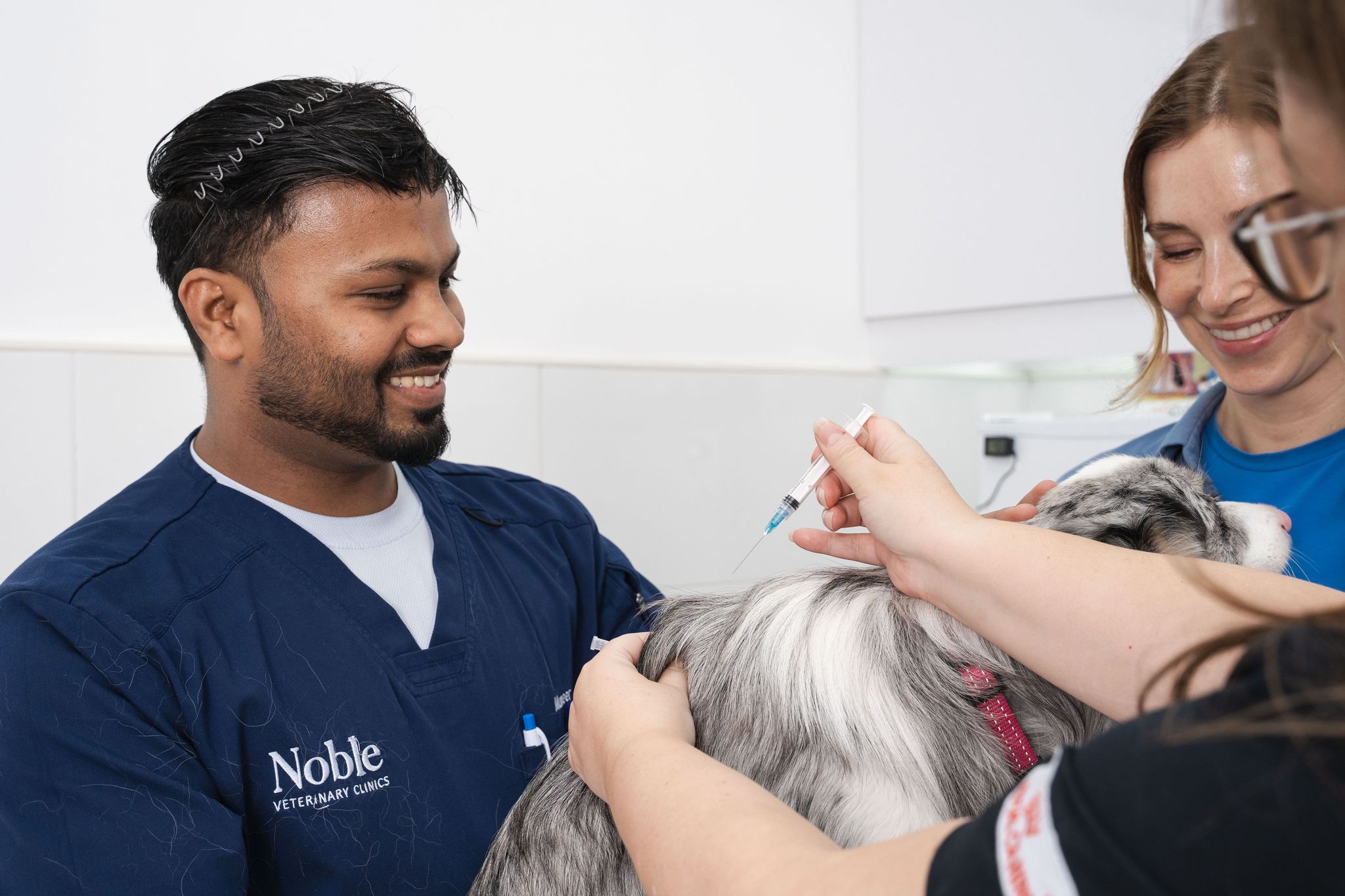
In the early stages of the infection, we can do Monoclonal Antibody Therapy. This method involves a one-time injection that has components that bind to the virus. These components help neutralize CPV and mitigate its effects on your dog. It can also speed up recovery.
In many cases, our veterinarians will prescribe anti-nausea medications and other appropriate medicines to help your dog recover.
Intensive Care
When a dog's parvovirus infection worsens, sepsis or blood infection can occur. In this case, more intensive medical care is needed.
Plasma transfusions can help replenish immunoglobulins, clotting factors, and blood proteins lost. Nutritional support through a feeding tube may also be done.
Recovery and Prognosis for Dogs With Parvo
Prompt treatment delivers a survival rate of about 85-95%. Since the virus has no known cure, early and extensive treatment from early detection will significantly improve recovery rates. The first 3-4 days of treatment are critical.
Full recovery may take about 2-3 weeks. Our veterinarians recommend these for the recovery process at home:
Feeding highly digestible meals
Administering the prescribed medications
Monitoring symptoms and condition
Regular home sanitation
Vet Tips: How to Prevent Parvovirus in Dogs
Prevention is always better than treatment, which is why our veterinarians always recommend effective measures.
Schedule Regular Vaccinations
Routine vaccinations are the best way to prevent parvo in dogs. Puppies should receive their first parvovirus vaccine at 6 to 8 weeks of age. Booster shots will be provided every 2-4 weeks until they reach 16-20 weeks of age. From then on, adults should receive annual booster shots.
Clean Your Dog’s Spaces
In addition to vaccination, it's important to clean and sanitize your dog's living areas. The virus can survive on surfaces, bedding, and toys for months. This means that your dog will be at risk.
Bleach and cleaners with accelerated hydrogen peroxide are effective at eliminating the virus that resides within the environment. Also, be sure to pick up feces daily.
Limit Exposure
Generally, we recommend limiting your dog’s exposure to feces from other dogs and unvaccinated dogs. Plus, if your puppy is still unvaccinated, then keep them off public spaces until they have completed the full round of doses.
"Vaccinating your dog against parvo is one of the best gifts you can give to make sure they stay happy and healthy."
- Dr. Soheyl Simaei
Final Thoughts
Parvovirus in dogs is a deadly disease that affects your canine companions, but a few effective preventive measures can be helpful.
By keeping your dog’s vaccinations up to date, avoiding contact with infected animals, and maintaining a clean living environment, you can greatly reduce the risk of your dog contracting this dangerous virus.
Frequently Asked Questions


Subscribe to Our Newsletter
Worried about your pet?
We’re here for urgent care, wellness checks, or anything in between.