If you notice your dog's breath smelling foul and strong, it might be time to take a look. While a little bit of odor is to be expected, a strong odor for long periods of time should be taken into consideration.
Bad breath in dogs, or halitosis, can sometimes indicate a serious health issue waiting to be addressed.
In this guide, we’ll discuss everything you need to know. We'll talk about why your dog has bad breath and how to easily fix this problem. With our help, your dogs will be beaming with fresh breath.
Why Does My Dog Have Bad Breath?
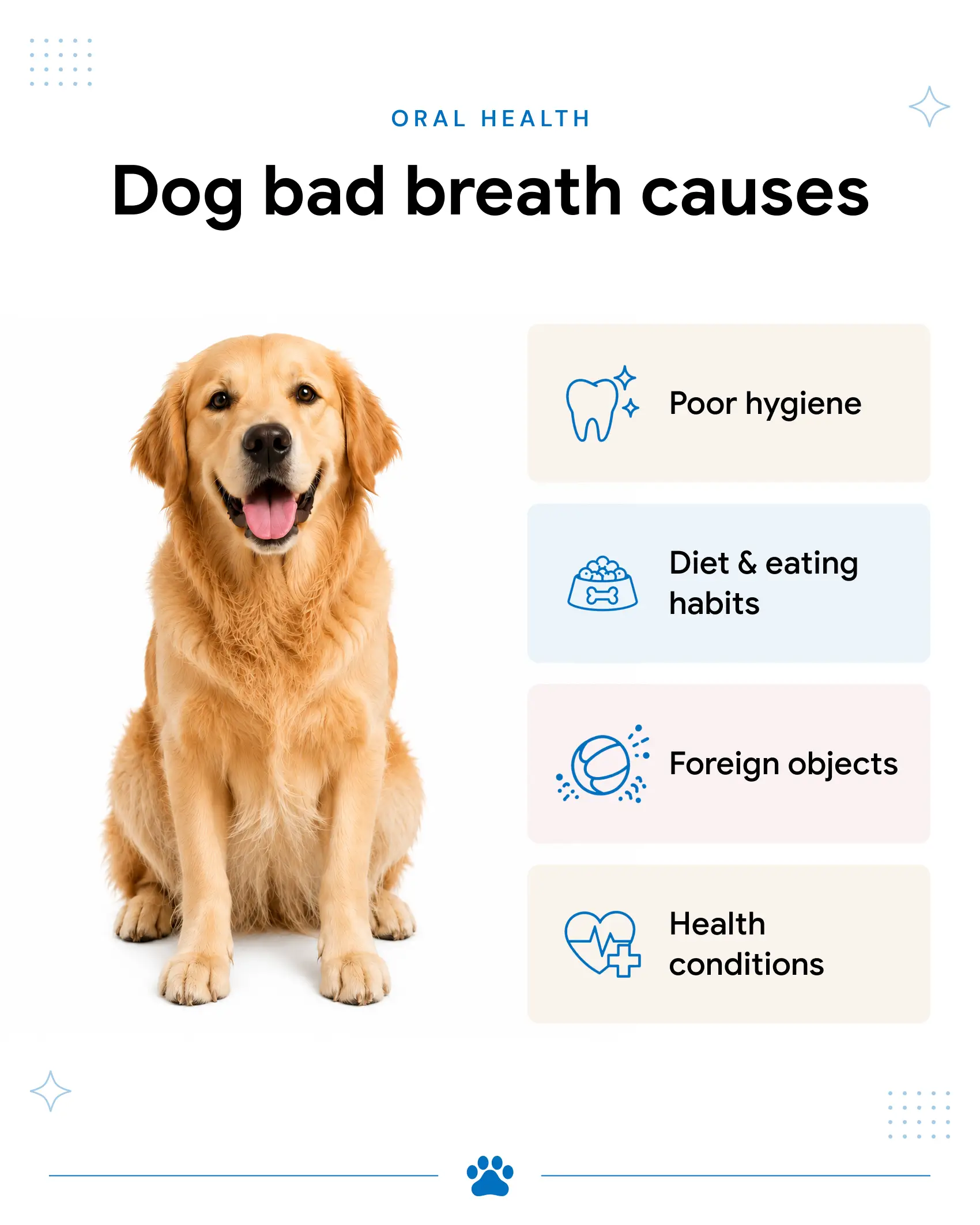
Generally, canine halitosis is caused by poor oral hygiene, dental diseases, diet, and other factors. Here are the most common causes of bad breath in dogs:
Poor Oral Hygiene and Dental Diseases
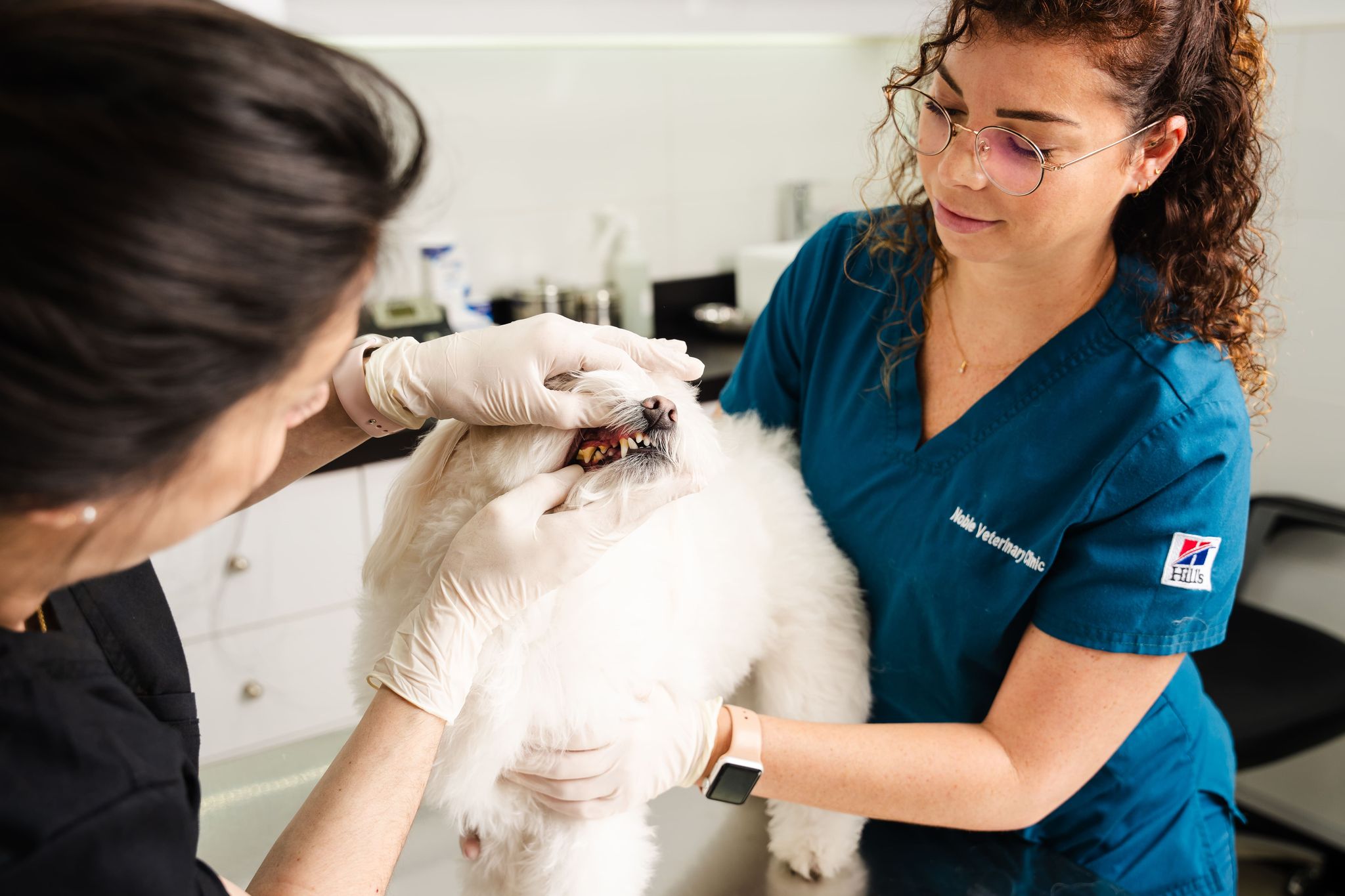
Dental problems are the number one cause of bad breath in dogs. When your dog's mouth isn't cleaned regularly, plaque can accumulate. Over time, this leads to tartar buildup.
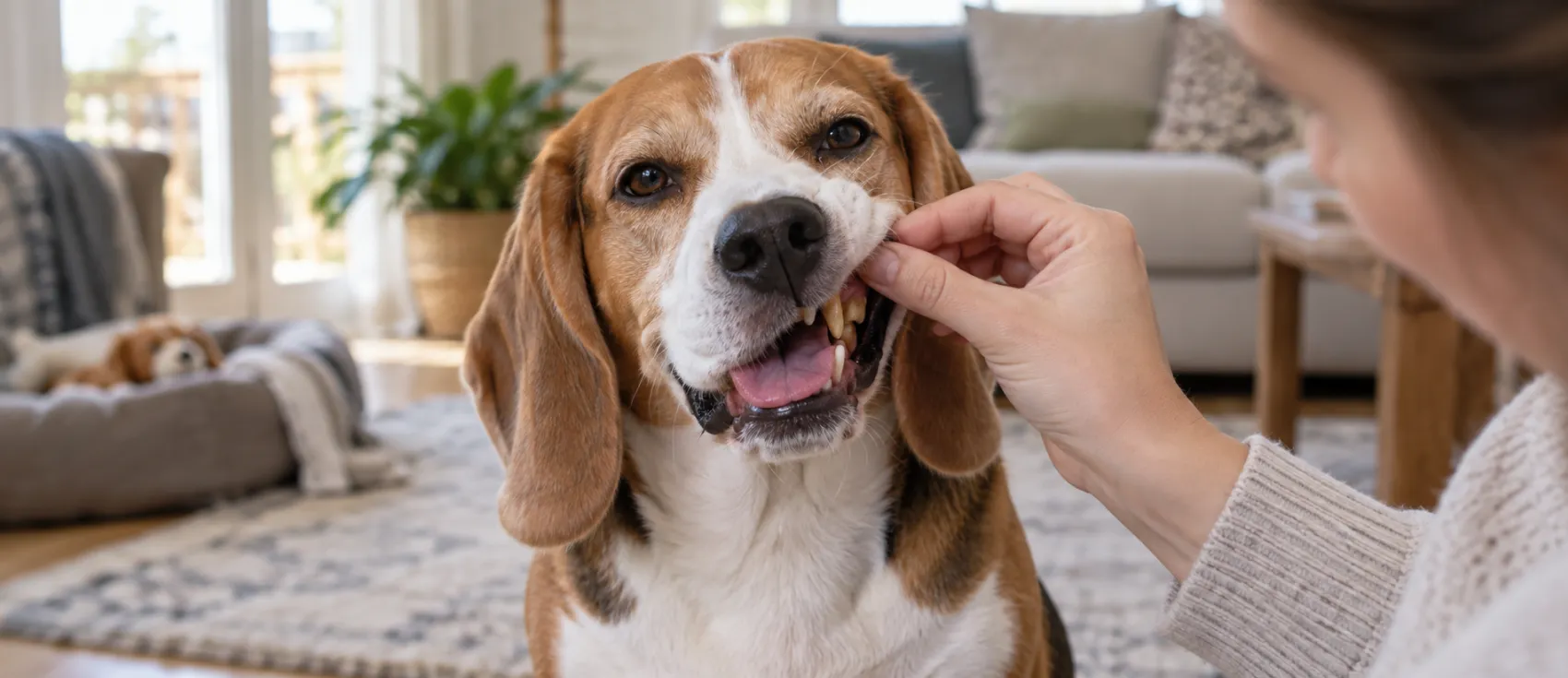
Bacteria that remain in the dog's mouth can cause gum disease, infections, and even tooth decay. All these cause bad breath in dogs. Here’s how you can tell if your dog has any kind of dental disease:
Yellow or brown tartar buildup on teeth.
Red and swollen gums.
Difficulty chewing or chewing on just one side.
Pawing at the mouth.
Excessive drooling.
Diet and Eating Habits
Some foods, such as wet food, can contribute to stronger mouth odors because they stick easily to the dog's teeth. Dry kibble is less likely to get stuck in the mouth, making it a better choice when it comes to reducing bad breath in dogs.
Feeding your dog a raw diet also slightly contributes to bad breath due to the presence of bacteria.
Some treats also have strong odors. For instance, fish-based diets can leave a bad smell in a dog's mouth. Additionally, dogs have a knack for eating things they shouldn't. This includes garbage, decomposing food, or even feces. These could be the cause of a dog's bad breath.
Foreign Objects
Bad breath in dogs can also be caused by bone fragments or foreign objects lodged in their mouth. When foreign objects get stuck, they can potentially cause injuries to dogs. These injuries can serve as ideal spaces for bacteria to grow.
When bacteria grow, it can lead to a concerning infection that not only makes a dog’s breath smell bad but also threatens its health. Some of the common signs of this injury include:
Pawing at the mouth.
Excessive drooling.
Pain and discomfort.
Vocalization.
Difficulty eating.
Health Conditions
Some dogs may also get bad breath due to specific issues within their systems.
Diabetes. Canine diabetes, specifically diabetic ketoacidosis, leads to the formation of ketones. This happens when the body breaks down fat. The ketones are then released into the bloodstream, and when exhaled, they produce an acetone-like odor.
Kidney Disease. When the kidneys fail to filter out waste, toxins can accumulate in the bloodstream. Excess urea breaks down into ammonia and can also cause ulcers to form on the tongue and mouth. These result in a severe, urine-like odor.
Liver Disease. Like the kidneys, when the liver is damaged, it cannot effectively filter out toxins from the blood. These sulfur compounds and other toxins build up and release a foul and musty odor.
Oral Tumors. Growths and masses can also cause bad breath in dogs because of decaying tissue, growing infections, and food accumulation.
When to Worry About Your Dog’s Bad Breath?
Occasional bad breath isn’t unusual, but if this goes on for long periods of time or the breath becomes too foul, then it’s time to get worried. Here are some concerning signs:
Rotten, fishy, musty, or severe odor
Red, swollen, or bleeding gums
Excessive drooling
Difficulty chewing and eating
Pawing at the mouth
Loose or missing teeth
Behavioral changes
Pain and discomfort
How Do You Treat Bad Breath in Dogs?

Addressing your dog’s bad breath means observing regular dental care at home and treating the underlying issue.
At-Home Dental Care
Daily brushing is always recommended to keep your dog’s breath fresh, but brushing 3-4 times a week is also good. You must always use a toothpaste and toothbrush meant for dogs to easily remove plaque and food debris.
In addition to regular brushing, dental chews can help remove plaque and tartar as your dog chews on them. It’s an easy and entertaining way for dogs to maintain their dental health.
High-Quality Diet
Aside from dental care, choosing the right dog food can also be a big help. For example, low-quality commercial food can cause bad breath in dogs because the high amounts of grain, artificial ingredients, and low-quality protein can promote bacterial growth in the mouth.
Always choose high-quality diets with nutrient-dense components. Additionally, the food type matters. Wet food can easily get stuck between the teeth, causing plaque buildup if not brushed regularly. If you choose them, be sure to maintain your dog’s dental routine.
Additionally, fresh herbs such as parsley and mint can also be added to dog food to provide fresh breath. Just be sure to chop them properly.
Professional Care
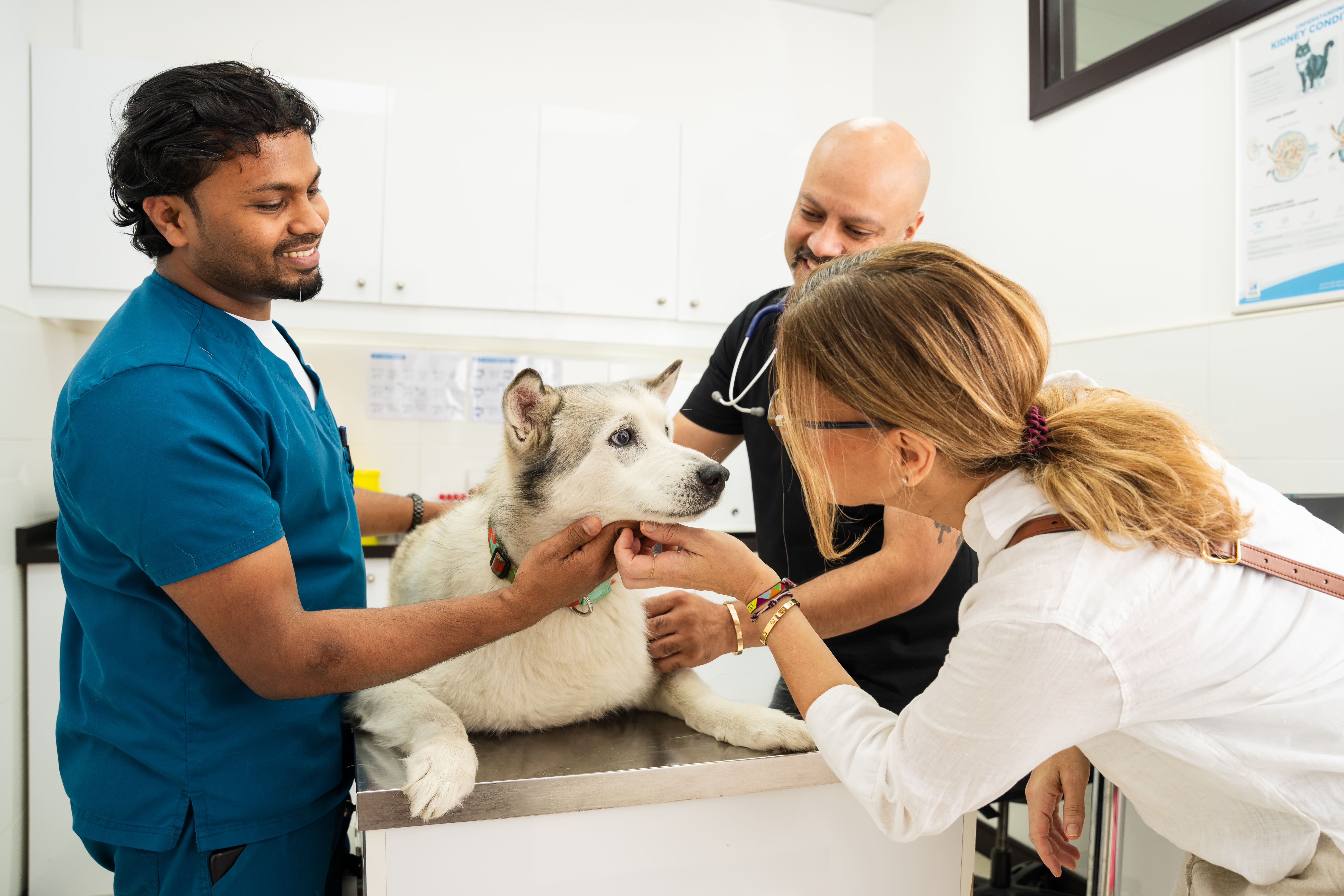
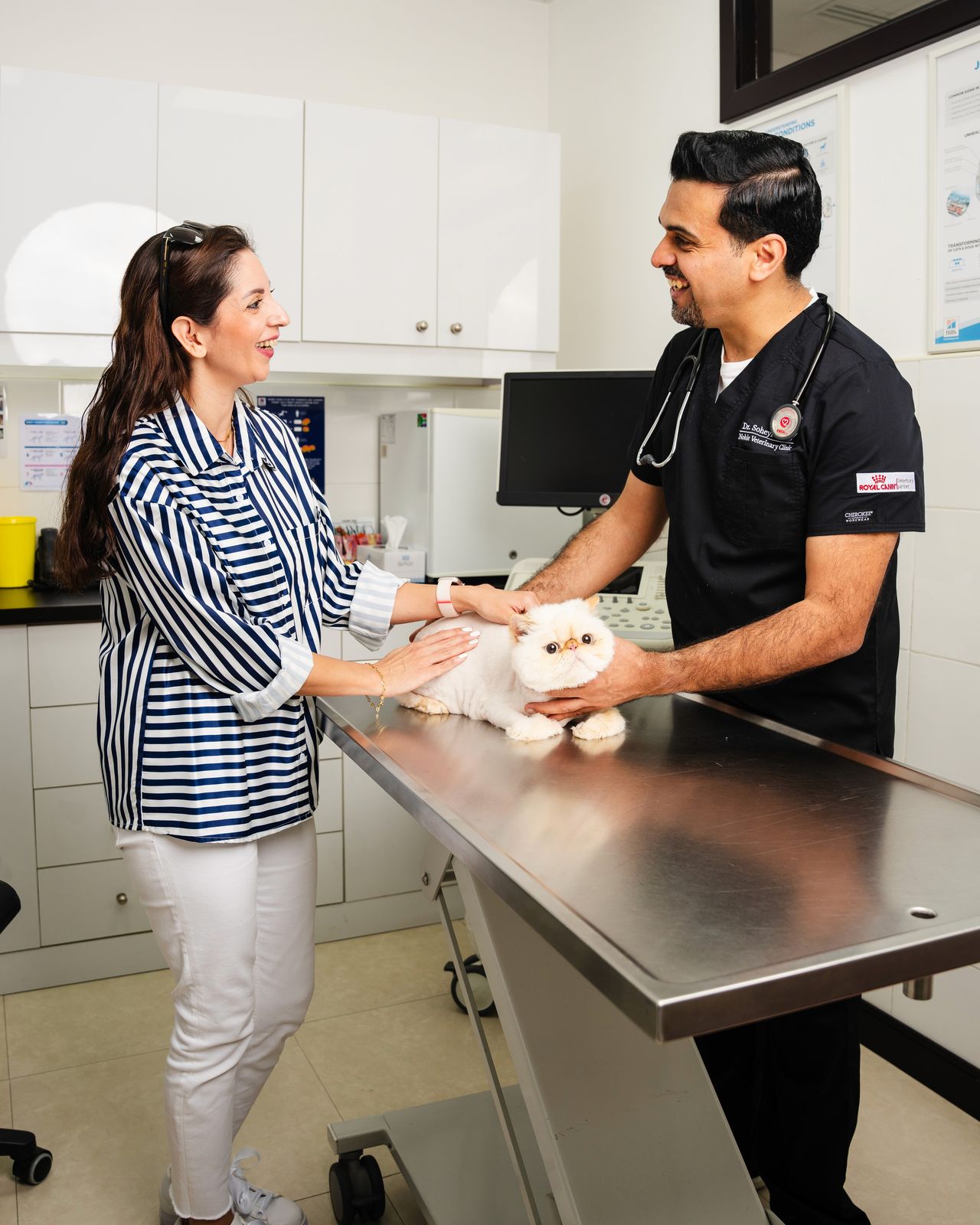
If your dog’s bad breath comes from issues such as gum infections, dental disease, or other health problems, seek professional care. Our pet dentists can help treat the underlying issue and give your dog a professional deep cleaning session, focusing on their teeth, gums, cheeks, and tongue.
For health issues outside of the dental area, we’ll include precise diagnostics and personalized treatments. These may include specific medications, antibiotics, fluid therapy, surgery, dietary changes, and more.
What Is the Best Way to Brush a Dog’s Teeth?
If it’s your first time brushing a dog’s teeth, or you want to learn how to do it right, follow these tips. These can significantly improve your dog's breath and prevent any bad odors.
Gather the Essentials
Grab all the tools you need. These include a dog-specific toothbrush, vet-approved toothpaste, and a nearby source of water. The toothbrush can be a traditional dog toothbrush or a finger toothbrush, whatever you prefer.
Keep Your Dog Comfortable
In many cases, your dog will move around a lot when touched, so it’s important to first start by placing your hand on the chin, then the mouth, then the snout. Afterward, you can proceed to touch their teeth by slowly lifting their lips. Be gentle at all times.
Practice Brushing the Teeth
If your dog seems ready, start brushing without toothpaste in circular motions, but do this slowly and in short intervals. Think of it like a practice session so they’ll know what to expect. Continue until they are used to it.
Brush the Teeth
Start slow and introduce the toothbrush with the toothpaste to your dog. Let them sniff it and gradually bring it to their mouths. Next, brush some parts of the teeth first and slowly pull away. Then repeat. For dogs used to it, you can brush their teeth for longer periods.
Reward Your Dog
After a job well done, reward your dog with a dental chew, praise, and a few moments of playtime. It’s good practice to let them know that they’ve done a good job, helping them associate regular dental brushing with a positive experience.
How to Prevent Bad Breath in Dogs?

Preventing bad breath in dogs is essentially the same as treating it. Consistency is important.
Brush Your Dog’s Teeth Regularly
Feed a High-Quality Diet
Provide Fresh Water
"Fresh breath and good health go paw in paw. A little care keeps your pup feeling great and smelling fresh every day."
- Dr. Soheyl Simaei
Final Thoughts
If your dog has bad breath, there must be a reason why. While the occasional odor is normal, chronic foul breath often translates to a health issue. Fortunately, you can help your dog keep its breath fresh through regular brushing and diet improvements.
Preventing bad breath in your dogs also helps keep them safe from painful diseases. This means they can spend more time playing than worrying about the pain.
Frequently Asked Questions
Share