Blood in Dog Stool: What It Looks Like, Causes, and Treatment


Blood in Dog Stool: What It Looks Like, Causes, and Treatment

Blood in Dog Stool: What It Looks Like, Causes, and Treatment

Dr. Rokas Proscevicius

Published Date

Published Date

Custom Icon
Custom Icon
Custom Icon

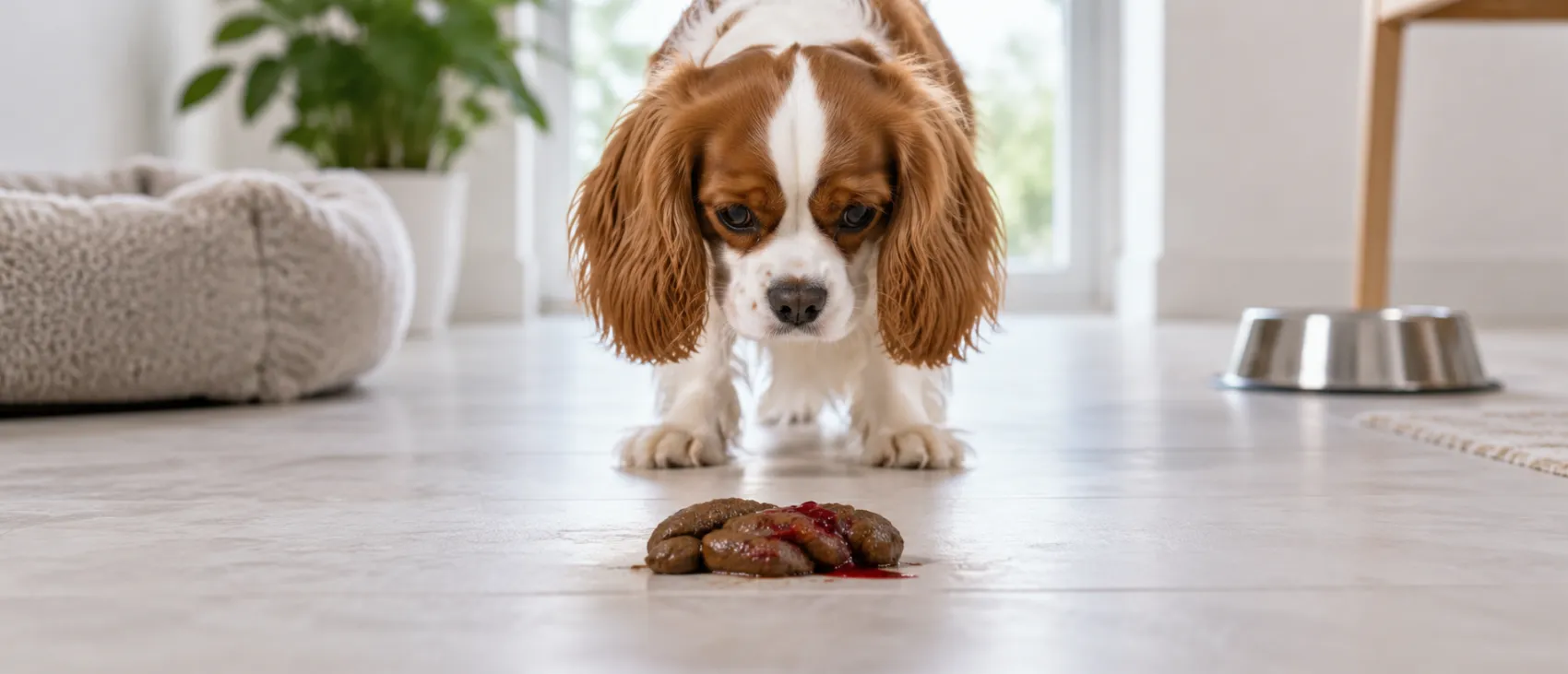
Blood in your dog’s stool is never a good sign. It’s something that can be concerning and should be addressed. But what does this mean?
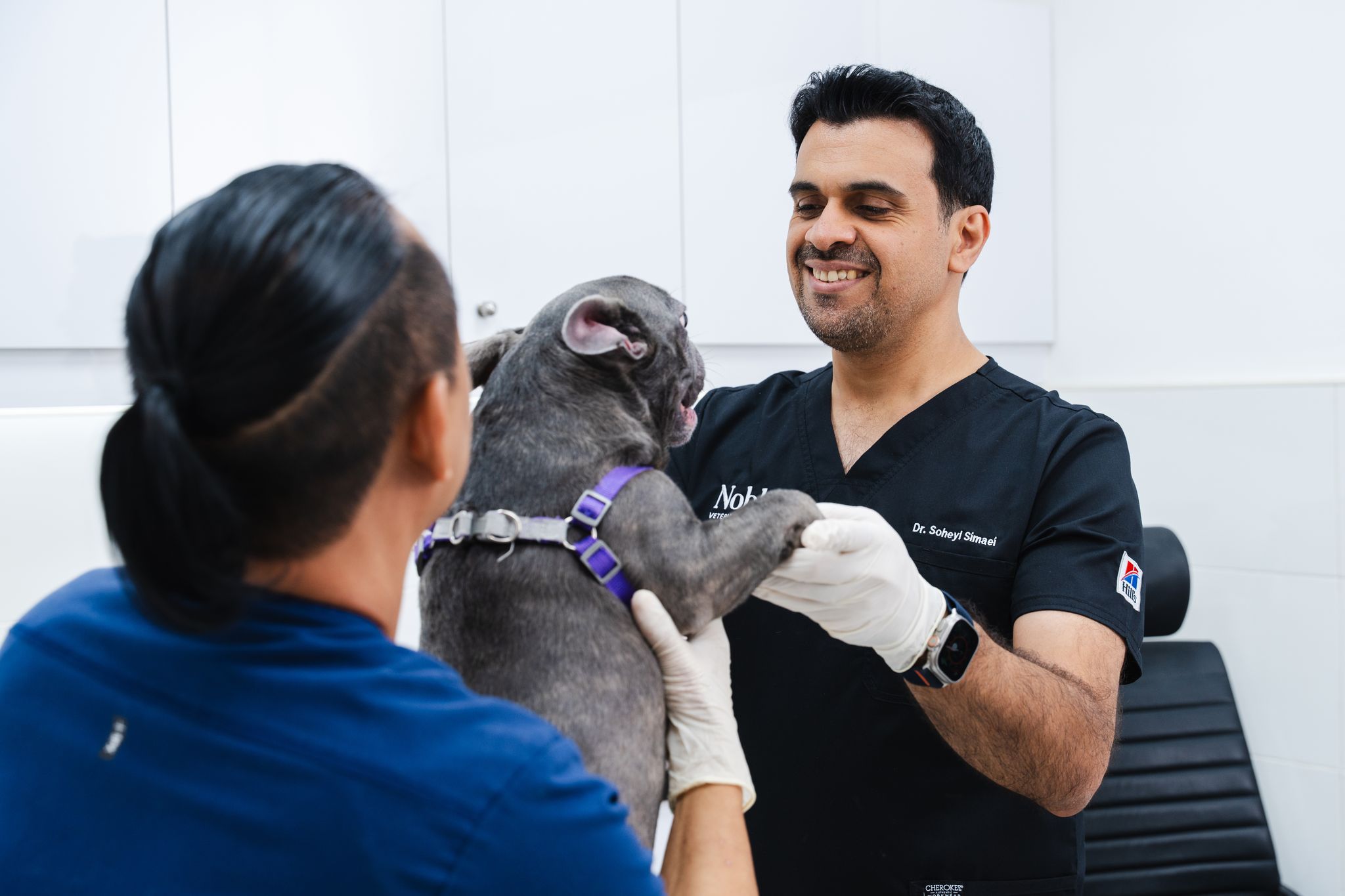
A veterinarian is carefully keeping a dog calm at the clinic while another vet holds the dog gently.

Essentially, it means that your dog needs help. Blood in your dog’s poop indicates a serious medical issue that needs to be addressed immediately. While the causes may vary, the response should be the same: prompt vet care. 

In this guide, we’re going to learn more about the blood in dog stool, including what it means, what causes it, and how we can help.

What Does the Color of Dog Poop Tell Us?

Dog poop can mean different things, let’s go over all of the possible ones. 

  • Brown. This is the gold standard. A rich, chocolate-brown color means your dog’s digestion is on track and their bile is doing its job. 

  • Yellow or Mustard. A pale yellow stool might suggest issues with the liver, food passing too quickly, food intolerances, parasites, and even digestive upset. 

  • Green. Green stool may indicate that the dog has eaten a lot of grass, consumed excessive amounts of green, leafy vegetables, has a rapid transit time, or has intestinal parasites.  

  • Black or Tarry. This one may mean internal bleeding in the esophagus, stomach, or upper small intestine. It may also indicate severe infections, IBD, liver or kidney disease, toxins, or foreign objects. 

  • Gray or Clay-Colored. If your dog’s poop looks dull gray or pale and chalky, it might suggest problems with the pancreas, liver, or gallbladder. These conditions can interfere with the absorption of nutrients.

  • Red Streaks or Bright Red. Fresh blood on the surface of the stool usually comes from the lower digestive tract, the colon, or the rectum. This indicates a serious medical concern.

  • Speckled or White Rice-Like Segments. These tiny white spots could actually be tapeworm segments. If you notice them moving or appearing regularly, a deworming treatment is likely needed.

  • Orange. Bright orange poop might be harmless. Perhaps your dog ate carrots or sweet potatoes. However, in some cases, it may be related to bile acid deficiency or liver issues.

  • Purple or Magenta. This is rare, but if your dog has consumed something like beets or red cabbage, it can cause their stool to turn purple. However, in extremely rare cases, unusual colors can indicate internal bleeding when combined with certain foods.
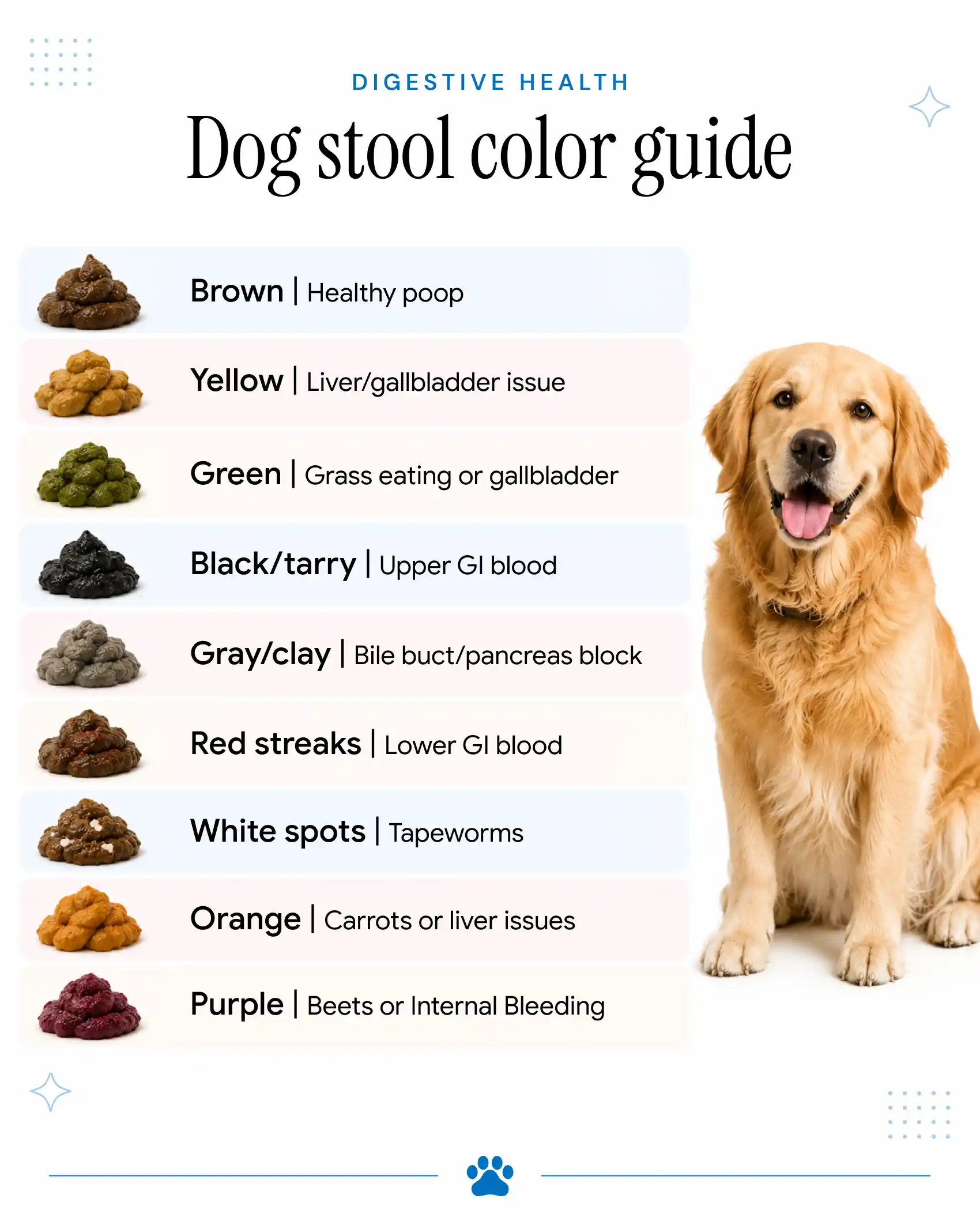
An infographic showing the different colors of dog poop and their meanings.

What Does Blood in Dog Stool Look Like?

This can present as hematochezia or melena, each with distinct meanings.

  • Hematochezia. This refers to bright red blood in the stool, liquid-red diarrhea, or jelly-like poop. Hematochezia often indicates bleeding in the lower digestive tract, such as the colon or rectum.

  • Melena. This presents as dark, tarry stools, suggesting bleeding in the upper digestive tract, like the stomach or small intestines.

  • Bloody Mucus. Blood mixed with mucus, often in diarrhea. 

  • Pure Blood. In severe cases, your dog may pass blood or blood clots, indicating significant irritation.

Worried about blood in your dog’s stool?

Worried about blood in your dog’s stool?

Seek the help of our vets.

Seek the help of our vets.

What Causes Blood in Dog Stool?

The reasons why there’s blood in your dog’s stool can range from mild causes to severe diseases.

General Causes

  • Dietary Indiscretion. Dogs that eat spoiled food, garbage, non-edibles, or basically anything that shouldn’t be eaten may experience blood in their stool. This happens when these foreign objects irritate the gastrointestinal lining. 

  • Food Intolerances or Allergies. Certain ingredients like dairy, grains, or artificial additives may not sit well with your dog’s digestive system. This can result in inflammation. 

  • Stress or Anxiety. High-stress situations, such as loud fireworks and new environments, can result in blood-tinged poop. This is called stress-induced colitis. 

Infectious Causes

  • Bacterial Infections. Harmful bacteria such as Salmonella and Clostridium perfringens can cause blood in dog stool when they severely inflame the gut lining. 

  • Viral Infections. Canine parvovirus is perhaps one of the most common causes of bloody diarrhea in dogs. This virus attacks the dog’s intestinal lining, causing severe symptoms, especially in young and unvaccinated dogs. 

  • Intestinal Parasites. A parasite infestation in dogs can also be the cause of bloody diarrhea. This can involve hookworms, tapeworms, whipworms, and even Giardia. 

Health Conditions

  • Colitis. Inflammation of the colon, often due to infection, stress, or poor diet, can cause frequent, urgent diarrhea with blood or mucus. It’s a very painful condition for dogs. 

  • Inflammatory Bowel Disease. IBD is a chronic condition involving the persistent inflammation of the gastrointestinal tract, caused by genetics, autoimmune disease, diet, parasites, or infections. 

  • Acute Hemorrhagic Diarrhea Syndrome. A life-threatening disease that involves severe vomiting and the rapid onset of bloody diarrhea. It’s caused by Clostridium perfringens bacteria, dietary indiscretion, high stress levels, or immune-mediated conditions. 

  • Polyps or Tumors. These growths can erode the healthy blood vessels within the intestinal wall, causing chronic or acute bleeding. When they grow, they can develop open ulcers that may bleed. 

  • Blood Clotting Disorders. By preventing blood from clotting properly, there’ll be uncontrolled internal bleeding into the gastrointestinal tract. 

  • Toxins or Poisoning. Toxic substances such as rodenticides, human medicines, and household chemicals can cause severe irritation and damage to the gastrointestinal lining. 

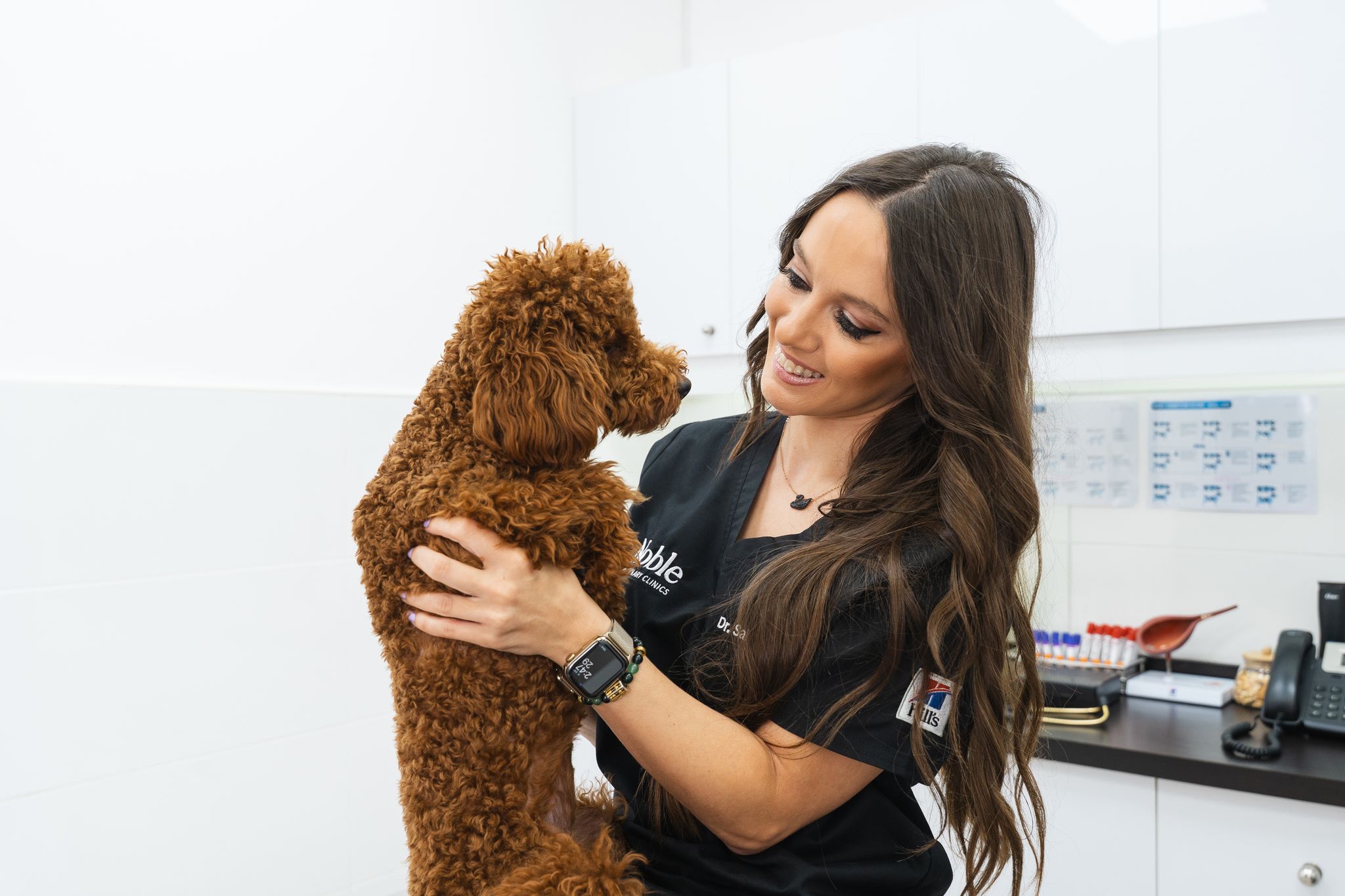
A veterinarian is trying to keep a dog happy during the checkup while another vet holds the dog.

Is Blood in Dog Stool an Emergency?

Yes, if you see blood in your dog’s poop, then it’s a medical emergency that should be addressed immediately. Plus, if there are other symptoms that accompany your dog’s bloody diarrhea, such as vomiting, extreme lethargy, or weakness, seek vet care right away.

How Do Vets Diagnose the Cause of Blood in Dog Stool?

We’ll start with a physical assessment and rectal exam to check your dog’s overall health and identify any obvious external signs. From here, we’ll proceed to perform a few laboratory tests

Fecalysis

We take a fresh sample of your dog’s stool to determine the cause of the bleeding, which may be parasites, bacteria, or dietary issues. There are several methods available, including a fecal floatation test, fecal smear, fecal ELISA, and fecal cytology. 

Bloodwork

Full blood panels can help us identify factors such as low red blood cell count, dehydration, or high protein loss. They can also allow us to evaluate for infections, inflammation, organ failure, and bleeding disorders. 

Imaging

X-rays and ultrasounds help us look for tumors, polyps, foreign objects, or inflammation. They can also allow us to check your dog’s organs and internals. 

Other Tests

Depending on the observations, we may do other tests such as parvovirus testing, an endoscopy, or a colonoscopy.

How to Treat Blood in Dog Stool?

The first step is to let the digestive system rest, which means you’ll need to help your dog fast for about 12-24 hours or as recommended. Their first meals should involve something bland and easily digestible, such as boiled chicken and rice. This diet should be consistent for 3-7 days. 

Medications

Specific medications will be prescribed to help your dog recover. This may include antibiotics, dewormers, anti-nausea meds, or antacids. 

Surgery

When dealing with foreign objects, obstructions, or growths, we may have to surgically remove the problem to allow your dog to recover. 

Supportive Care

To complement other treatments, our vets will administer IV fluids for rehydration, provide close monitoring, offer dietary support, and even hospitalize if needed. 

A veterinarian with a black shirt is holding a brown dog during a checkup.

How to Prevent Blood in Your Dog’s Stool

To ensure your dog’s health and happiness, follow these essential tips. 

  1. Keep Diets Consistent

Avoid abrupt changes in your dog’s diet. If you’re planning on changing some things, do it slowly and over the course of 7-10 days. This will avoid any significant digestive trouble. You can also provide probiotics.

  1. Remove Table Scraps and Toxins

Keep table scraps, foreign objects, and toxins away from your dog’s reach. Store items accordingly to avoid any complications. 

  1. Schedule Vaccinations and Deworming

Book regular visits with us so we can keep your dog’s vaccinations and parasite control up to date. Our vets will also provide a full examination for complete health transparency. 

  1. Manage Stress Levels

Provide a comfortable space for your dog, especially if they get stressed easily. Put a few toys, give some treats, and make them happy. 

“When you notice something as serious as blood in your dog’s stool, seek expert help immediately.”

- Dr. Rokas Proscevicius

Final Thoughts

Seeing blood in your dog’s stool can be alarming, but it’s also a signal worth paying attention to. They can range from simple digestive problems to a more serious disease. When you notice it, be sure to seek immediate veterinary care. 

Frequently Asked Questions

What can I feed my dog with bloody stool?

The most common option is boiled chicken with rice. You can also do pureed pumpkin, boiled potatoes, and boiled eggs. You can also add probiotics.

Will this go away on its own?

In mild cases, yes. It might resolve without intervention. But relying on hope isn’t a substitute for diagnosis. If the symptom continues or if it returns intermittently, don’t wait. Recurring or persistent bleeding often indicates a more serious underlying issue.

How long does it take to heal?

Dogs with bloody stool often start improving within 24 to 72 hours after treatment. Minor cases may resolve faster, while severe cases may take longer.

Is a small amount of blood in dog stool normal?

No, even a small amount of blood is not considered normal. It warrants monitoring and professional checkups.

Can I treat my dog at home?

Your dog must be checked at the clinic first to get a full picture of the cause. For mild cases, we may provide advice and medications for recovery at home, while severe cases will require treatment at the clinic.

Share

Custom Icon
Custom Icon
Custom Icon

Subscribe to Our Newsletter

Sign up for weekly pet health tips and insights from our veterinarians.

Sign up for weekly pet health tips and insights from our veterinarians.

Wellness & Emergency Care

Book Appointment

Worried about your pet?

We’re here for urgent care, wellness checks, or anything in between. 

Get the best Vet care for your pet

© 2006-2026 Noble Veterinary Clinics

Your veterinary practice, always here

© 2006-2026 Noble Veterinary Clinics

© 2006-2026 Noble Veterinary Clinics