Dog Anal Gland Expression: A Comprehensive Guide

Dog Anal Gland Expression: A Comprehensive Guide

Dog Anal Gland Expression: A Comprehensive Guide

Dr. Nenad Misura

Published Date

Published Date

Dec 4, 2025

Dec 4, 2025

Custom Icon
Custom Icon
Custom Icon

If you’ve ever caught your dog scooting across the floor or obsessively licking their rear, you may have wondered what’s going on. These behaviors are often linked to a common but sometimes overlooked canine health issue: anal gland expression.
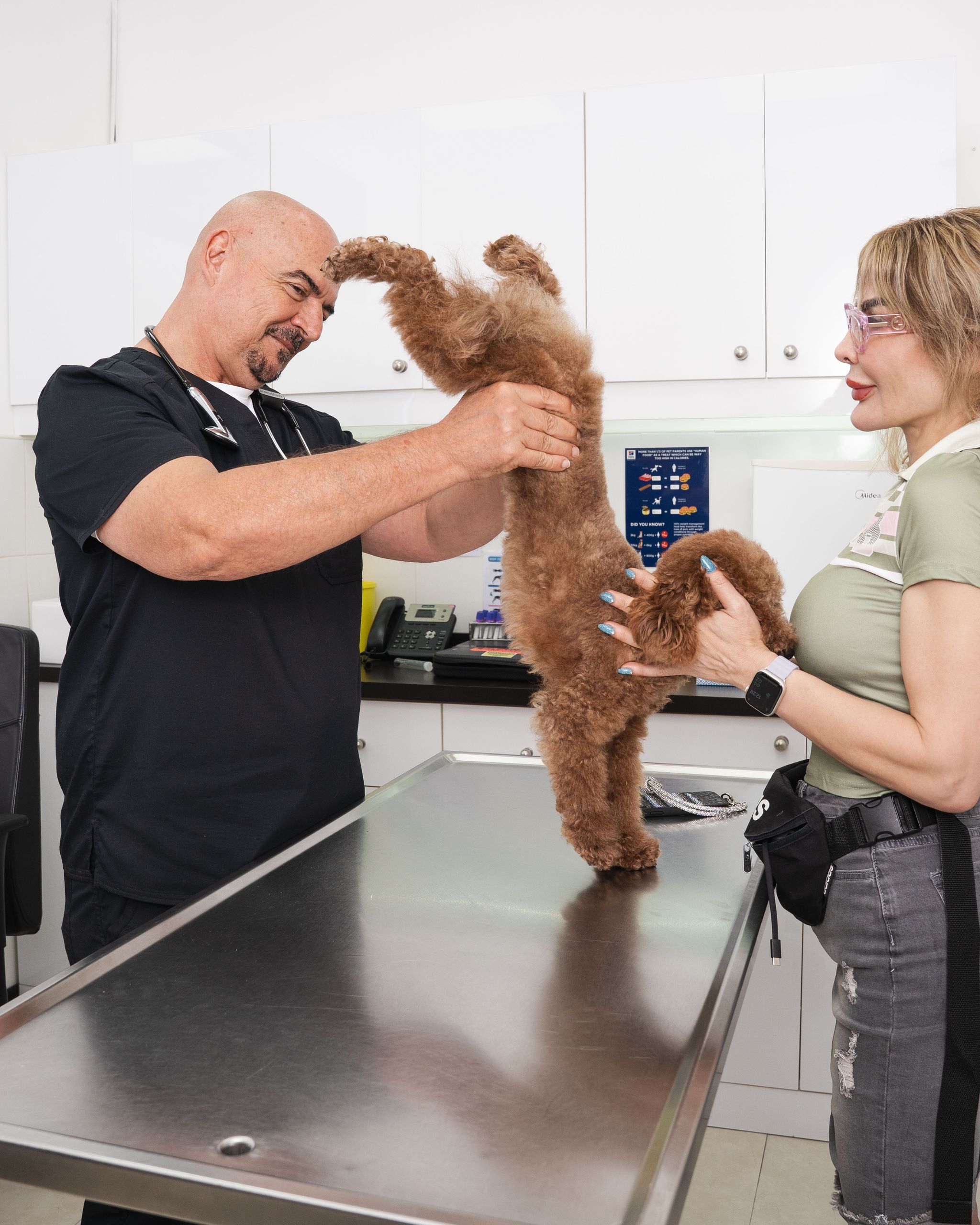
A veterinarian is checking a brown dog's bottom to see if its anal glands need expression. The pet owner is holding the dog's head.

Anal glands, otherwise known as anal sacs, are small structures located on each side of your dog’s anus. 

While these glands naturally release a small amount of fluid when your dog defecates, they can sometimes become impacted, causing discomfort and even leading to serious health problems if left untreated.

But before we teach you how to express your dog’s anal glands, let’s first talk more about them.

How Do Dog Anal Glands Work?

Anal glands are two small, pea-shaped sacs located just on each side of your dog’s anus. These glands produce a strong-smelling fluid that is naturally released when your dog defecates. This fluid is used for marking territory and communication with other dogs.

When your dog poops, the pressure of the stool passing through the rectum squeezes the anal glands, naturally expressing a small amount of fluid. However, if the glands don’t empty properly, the fluid can build up and cause problems.

Several factors can lead to the anal glands not functioning as they should. In some cases, the openings of the glands can become blocked, or the fluid may become too thick to pass. This is when manual expression or medical intervention becomes necessary.

Issues with Dog Anal Glands

When a dog’s anal gland issues go untreated, they can lead to more health issues that may require medical intervention. 

Impacted Anal Glands

One common problem is impacted anal glands, which occur when the glands fail to empty properly, causing fluid to build up inside. This causes significant swelling, pain, discomfort, and a potential for bacterial infections.

This can be very painful for your dog and often results in behaviors like scooting, swelling around the anus, or straining during bowel movements.

Infections and Abscesses

Infections happen when bacteria grow inside the impacted glands, leading to swelling, redness, and significant discomfort. Infected anal glands are painful for your dog, and they may avoid sitting or show distress during defecation. 

If infections go untreated, they can escalate to abscesses. An abscess is a pocket of pus that is formed in or around the anal glands, creating a swollen, painful lump near the anus. This can further increase the blockage. In severe cases, the abscess can rupture, leading to bleeding and further complications. 

How Do You Know if Your Dog Needs Anal Glands Expressed?
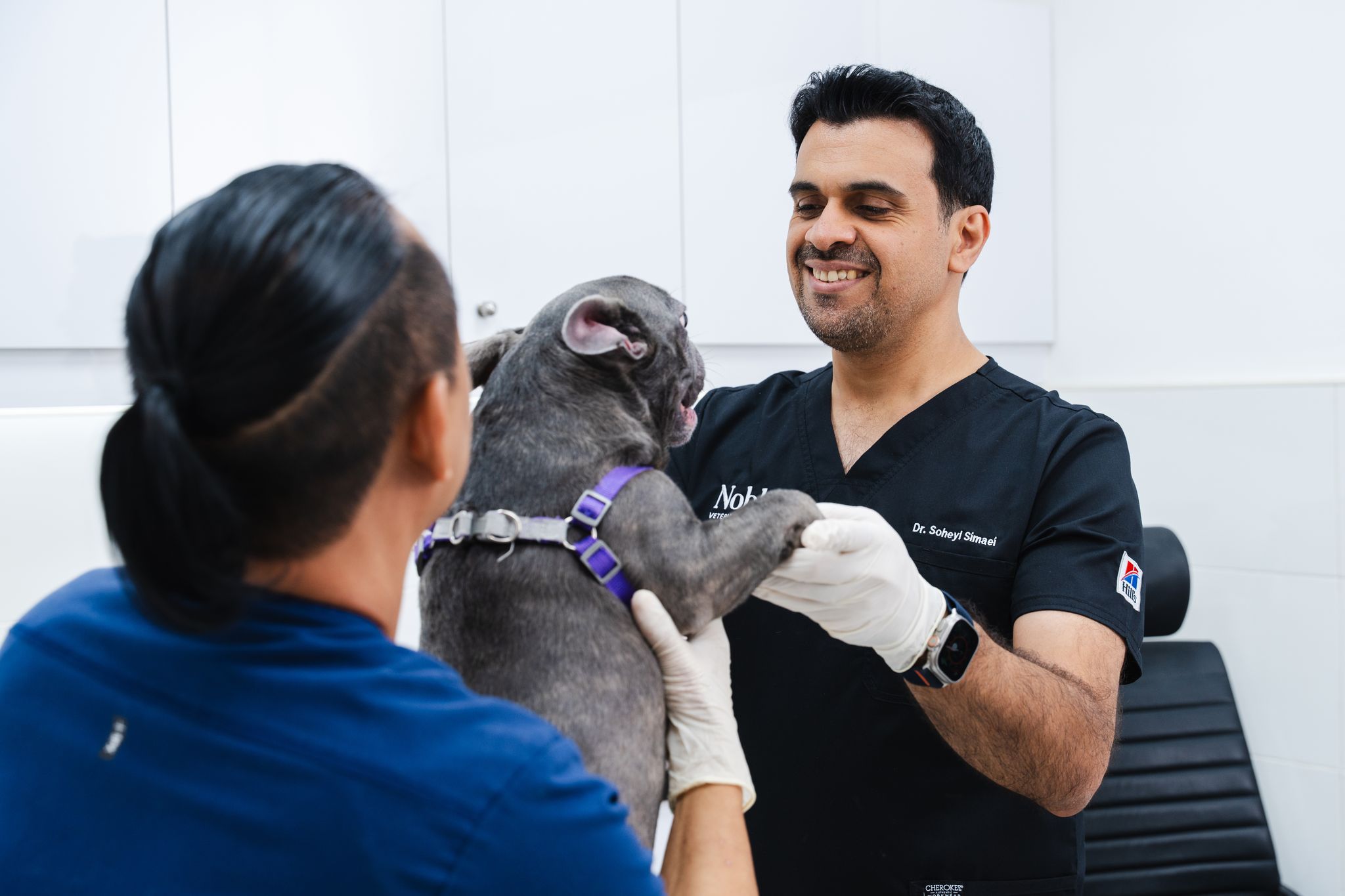
A veterinarian is holding a dog up to check its bottom. Another vet is assisting.

It’s not always obvious when your dog’s anal glands need attention, but there are a few telltale signs to watch for. Here are the signs of problems with your dog’s anal glands.

  • Scooting Behavior. If you see your dog dragging its bottom end across the floor, it’s often a sign that something is bothering them back there. While scooting can sometimes be caused by worms or irritation, it’s most commonly linked to anal gland issues.

  • Excessive Licking or Biting. Dogs may lick or bite around their rear end to relieve discomfort caused by full or impacted anal glands. If you see this behavior frequently, it’s worth investigating further.

  • Foul Odor. One of the most noticeable signs of anal gland problems is a strong, fishy smell. This odor comes from the fluid inside the glands and is a sign that they may be full or infected.

  • Swelling or Redness. Take a quick look under your dog’s tail. If you notice swelling, redness, or any signs of irritation around the anus, it could mean the glands are impacted or inflamed.

  • Difficulty Defecating. When the anal glands are overly full, they can cause discomfort during bowel movements. If your dog seems to strain or act uncomfortable while pooping, this may be another clue.
Need help expressing your dog's anal glands?

Need help expressing your dog's anal glands?

Let our vets help.

Let our vets help.

What Causes Anal Gland Issues in Dogs?

While some dogs are naturally more prone to these issues, certain factors can increase the likelihood of problems. Here’s what causes dog anal gland issues:

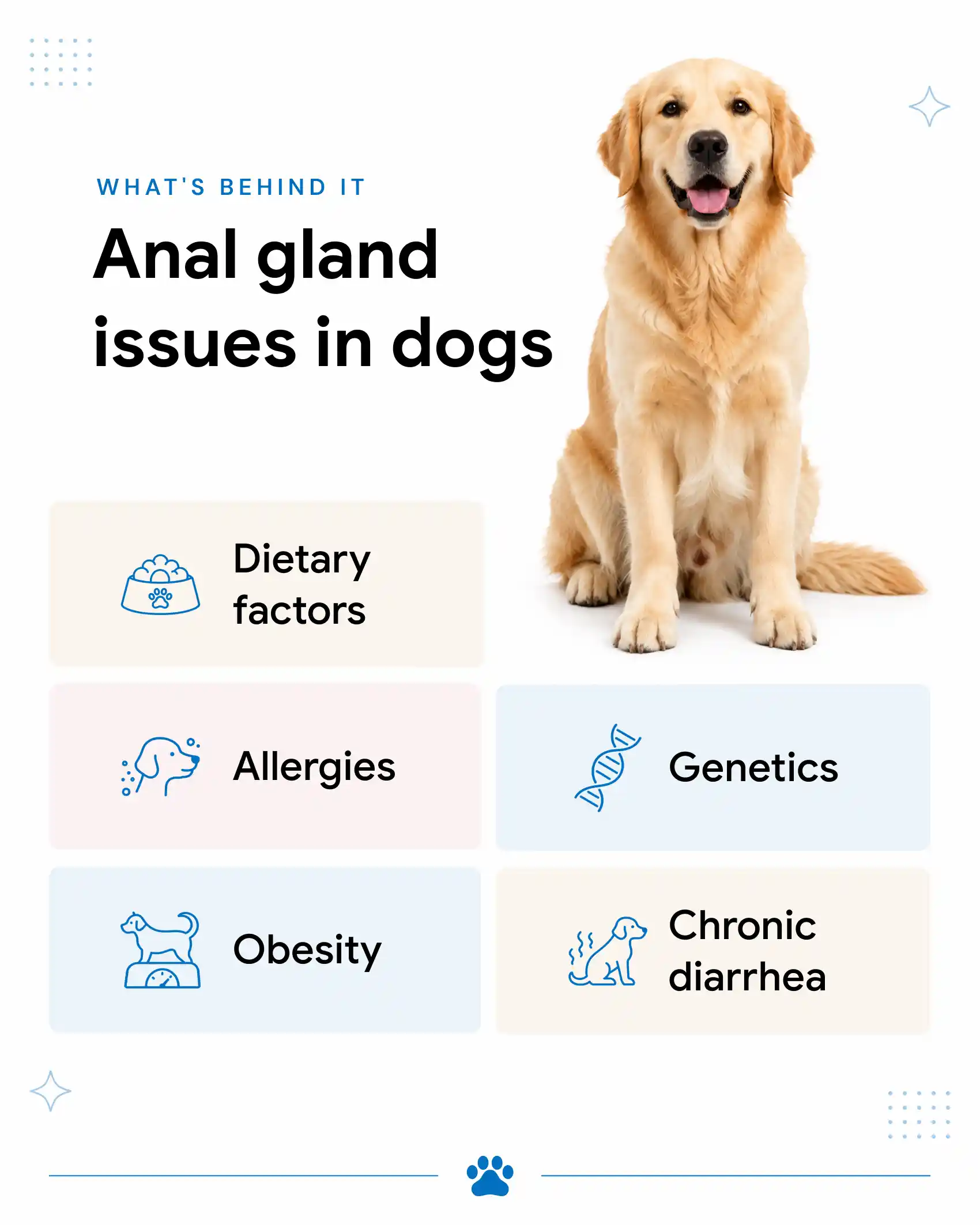
An infographic that highlights the causes of anal gland issues in dogs
  • Dietary Factors. A dog’s diet is a big part of its digestive health, including the function of the anal glands. Poor-quality diets that lack sufficient fiber can result in soft stools, which don’t apply enough pressure to the glands to empty them naturally.

  • Allergies. Dogs with food or environmental allergies are vulnerable to anal gland issues. Allergies can cause inflammation in the body, which includes the anal glands, making it harder for them to empty properly.

  • Obesity. Just like with other health issues, overweight dogs have a higher chance of getting anal gland problems. An excess of weight can place extra pressure on your dog’s anal glands, making it hard to empty naturally during bowel movements.

  • Genetic Predisposition. Certain breeds, particularly smaller dogs like Chihuahuas, Dachshunds, and Cocker Spaniels, are more prone to anal gland issues. These dogs may require more frequent monitoring and manual expression of their glands.

  • Chronic Diarrhea or Soft Stools. If your dog has chronic diarrhea or loose stools, their anal glands may not receive the necessary pressure to empty properly. This can lead to fluid buildup and eventual impaction.

How to Express Your Dog’s Anal Glands at Home?

If you’re unsure about doing this yourself, it’s best to seek professional help. Improper technique can cause pain or injury to your dog. For a quick guide, here’s how you can express your dog’s anal glands at home:

Step 1: Prepare the Equipment

The first step is to prepare the things you need to express your dog’s anal glands. 

  • Disposable gloves

  • Paper towels or tissues

  • A bowl of water and mild soap

  • Petroleum jelly or a water-based lubricant

  • A second person to help if needed

Step 2: Prepare the Space

Choose a bathroom or an area that’s easy to clean. Wear gloves and have paper towels ready. Be careful. This process can be messy.

Step 3: Position Your Dog

Have your dog stand on a non-slip surface like a towel or rubber mat. If you have a person ready to help, ask them to hold your dog gently but firmly.

Step 4: Locate the Anal Glands

Apply a small amount of petroleum jelly to your index finger. Lift your dog’s tail and look for two small bulges at the 4 o’clock and 8 o’clock positions around the anus. These are the anal glands, and they may feel firm if they’re full.

Step 5: Express the Glands

Place your thumb and forefinger around one gland. Gently squeeze inward and upward toward the anus. A small amount of fluid should be released. Repeat on the other side.

Step 6: Clean Up

When you are done, throw away the used equipment. Make sure to wipe the area with a damp paper towel or baby wipe. Wash your hands thoroughly after, even if you wore gloves during the process. Use the prepared bowl of clean water and soap to clean your dog’s anal area.

Vet Tips: How to Prevent Anal Gland Issues in Dogs

A veterinarian is teaching a pet owner how to manually express his dog's anal glands at home.

Preventing anal gland issues is often easier than treating them. Small lifestyle changes can create a big difference in your dog’s comfort and health. By focusing on diet, exercise, and regular care, you can lessen the risk of your dog experiencing anal gland problems.

Here are a few tips to get started:

  1. Focus on a Fiber-Rich Diet

A diet high in fiber helps firm up your dog’s stool, which naturally applies the pressure needed to empty their anal glands during defecation. Many high-quality dog foods include fiber specifically formulated for digestive health.

  1. Maintain a Healthy Weight

Obesity can increase the risk of dog anal gland issues by putting extra pressure on the glands and surrounding tissues. Keeping your dog at a healthy weight through a good diet and proper exercise is important. 

Regular exercise is one way to do this, and it also stimulates digestion. Use measuring cups to prevent overfeeding, and limit high-calorie treats.

  1. Groom Your Dog Regularly

Dogs with long hair around their anus may experience matting, which can trap bacteria and irritate the anal area. Regular grooming can help prevent infections and keep the area clean. Trim the fur around the anus if it becomes too long. Bathe your dog periodically to remove dirt and debris.

  1. Monitor Your Dog’s Behavior

Be proactive in spotting early signs of anal gland discomfort, such as scooting, licking, or biting at the rear. Early detection often prevents minor issues from escalating into infections or abscesses.

  1. Schedule Regular Vet Visits

Even if your dog seems fine, routine checkups are an excellent way to monitor their anal gland health. Our vets can express the glands during these visits if necessary and provide advice tailored to your dog’s needs. We can also teach you if ever you need to do it at home.

"Keeping your dog healthy starts with simple, everyday care. A happy, well-cared pup means more joyful moments and a lifetime of memories with your best friend!"

- Dr. Nenad Misura

Final Thoughts

A dog’s anal gland expression is an often-overlooked but essential part of your best friend’s overall well-being. These small but significant glands play a role in their natural biology, and when issues arise, they can cause your dog discomfort, pain, and even serious health problems if left untreated.

By following our guide, you can help minimize the risk of anal gland issues in your dogs. While you can express your dog’s anal glands at home, it’s important to have them checked by a professional first.

Frequently Asked Questions

What happens if I don't express my dog's glands?

If you don’t express your dog’s anal glands, they can become irritated, infected, or even develop painful abscesses that may rupture. Affected dogs can experience severe irritation and pain, making them scoot and lick on these areas, causing more problems.

What happens if I don't express my dog's glands?

If you don’t express your dog’s anal glands, they can become irritated, infected, or even develop painful abscesses that may rupture. Affected dogs can experience severe irritation and pain, making them scoot and lick on these areas, causing more problems.

What happens if I don't express my dog's glands?

If you don’t express your dog’s anal glands, they can become irritated, infected, or even develop painful abscesses that may rupture. Affected dogs can experience severe irritation and pain, making them scoot and lick on these areas, causing more problems.

How often should a dog get his glands expressed?

Most dogs do not need this to be done manually, but if there are problems, expression may be done every 1 to 3 months. Visit our vets so we can determine the right schedule for your dog. Plus, we can show you how best to express your dog’s anal glands.

How often should a dog get his glands expressed?

Most dogs do not need this to be done manually, but if there are problems, expression may be done every 1 to 3 months. Visit our vets so we can determine the right schedule for your dog. Plus, we can show you how best to express your dog’s anal glands.

How often should a dog get his glands expressed?

Most dogs do not need this to be done manually, but if there are problems, expression may be done every 1 to 3 months. Visit our vets so we can determine the right schedule for your dog. Plus, we can show you how best to express your dog’s anal glands.

Can dogs empty their own glands?

Yes, most dogs can empty their own glands naturally, especially when they poop. This works when the pressure from the firm stool squeezes the glands and releases a small amount of fluid. Dogs may also involuntarily express their own glands when they get stressed or scared.

Can dogs empty their own glands?

Yes, most dogs can empty their own glands naturally, especially when they poop. This works when the pressure from the firm stool squeezes the glands and releases a small amount of fluid. Dogs may also involuntarily express their own glands when they get stressed or scared.

Can dogs empty their own glands?

Yes, most dogs can empty their own glands naturally, especially when they poop. This works when the pressure from the firm stool squeezes the glands and releases a small amount of fluid. Dogs may also involuntarily express their own glands when they get stressed or scared.

Can dogs express their own glands by licking?

Yes, dogs can express their own glands when they lick or rub them across the floor. However, these actions are often common signs of irritation, which can mean that their anal glands are impacted or infected.

Can dogs express their own glands by licking?

Yes, dogs can express their own glands when they lick or rub them across the floor. However, these actions are often common signs of irritation, which can mean that their anal glands are impacted or infected.

Can dogs express their own glands by licking?

Yes, dogs can express their own glands when they lick or rub them across the floor. However, these actions are often common signs of irritation, which can mean that their anal glands are impacted or infected.

Do dogs feel better after their glands are expressed?

Yes, dogs will often feel better after the glands are expressed. Anal gland expression in dogs provides relief from discomfort and pain. You can see this once your dog stops scooting and licking its rear.

Do dogs feel better after their glands are expressed?

Yes, dogs will often feel better after the glands are expressed. Anal gland expression in dogs provides relief from discomfort and pain. You can see this once your dog stops scooting and licking its rear.

Do dogs feel better after their glands are expressed?

Yes, dogs will often feel better after the glands are expressed. Anal gland expression in dogs provides relief from discomfort and pain. You can see this once your dog stops scooting and licking its rear.

Share

Custom Icon
Custom Icon
Custom Icon

Subscribe to Our Newsletter

Sign up for weekly pet health tips and insights from our veterinarians.

Sign up for weekly pet health tips and insights from our veterinarians.

Wellness & Emergency Care

Book Appointment

Book Appointment

Worried about your pet?

We’re here for urgent care, wellness checks, or anything in between. 

We’re here for urgent care, wellness checks, or anything in between. 

Get the best Vet care for your pet

© 2025 Noble Veterinary Clinics

Unique care for your best friends, because they’re family.

© 2025 Noble Veterinary Clinics

© 2025 Noble Veterinary Clinics