Cherry Eye in Dogs: Causes, Symptoms, and Treatment

Cherry Eye in Dogs: Causes, Symptoms, and Treatment

Cherry Eye in Dogs: Causes, Symptoms, and Treatment

Dr. Mafalda Sardinha

Published Date

Published Date

Feb 11, 2026

Feb 11, 2026

Custom Icon
Custom Icon
Custom Icon

Our dogs’ eyes are delicate and sensitive. It takes a lot of care and effort to protect them, which includes constant monitoring. When they get hit with eye problems, it’s something that should always be taken seriously. One of these is cherry eye in dogs. 

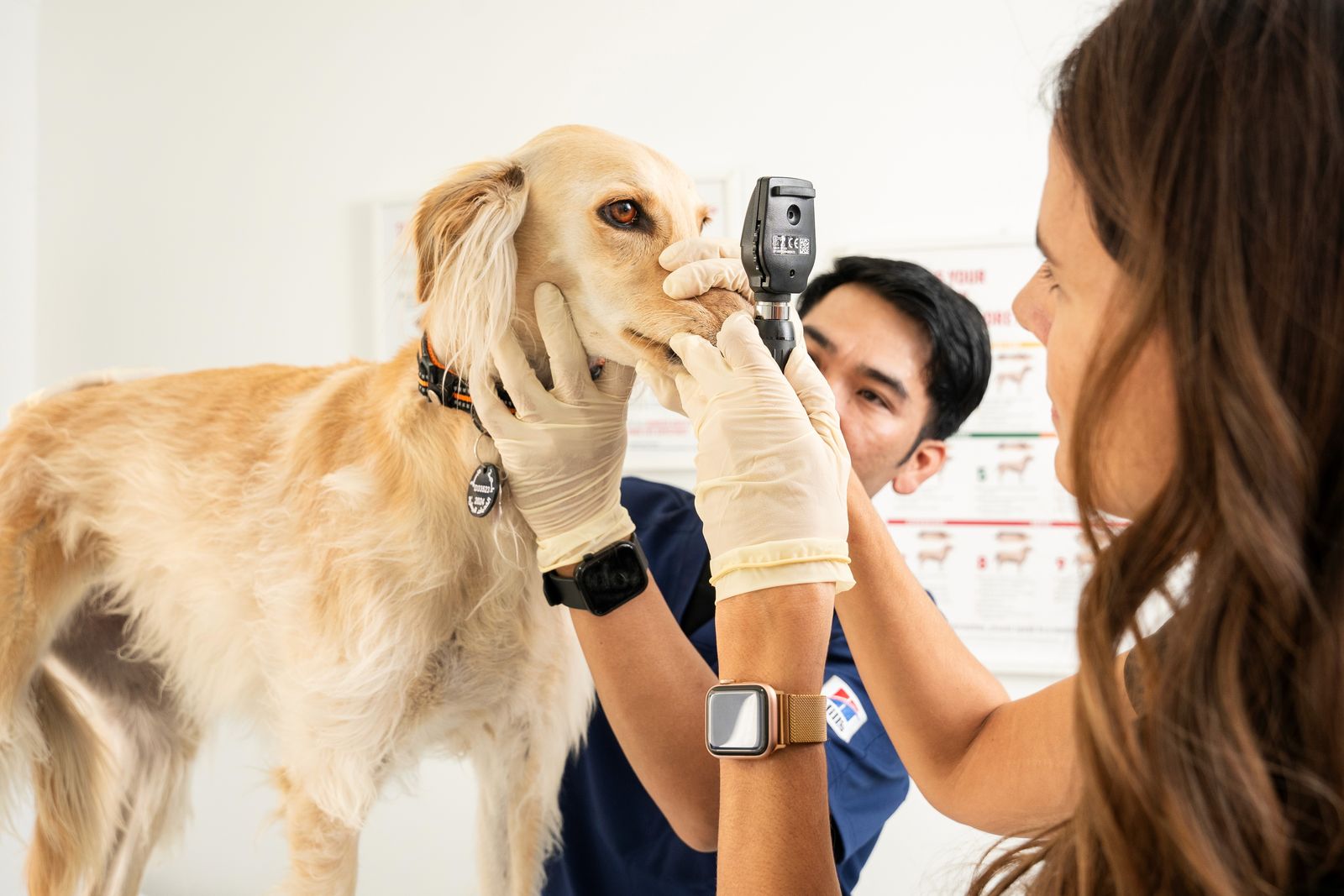
A veterinarian is checking a dog's eyes for the early signs of cherry eye.

Although it might look alarming, cherry eye is a treatable condition when it gets the right care and attention. In this guide, we’re going to guide you all the way from what causes it to how it’s treated and prevented. 

What Is Cherry Eye in Dogs?

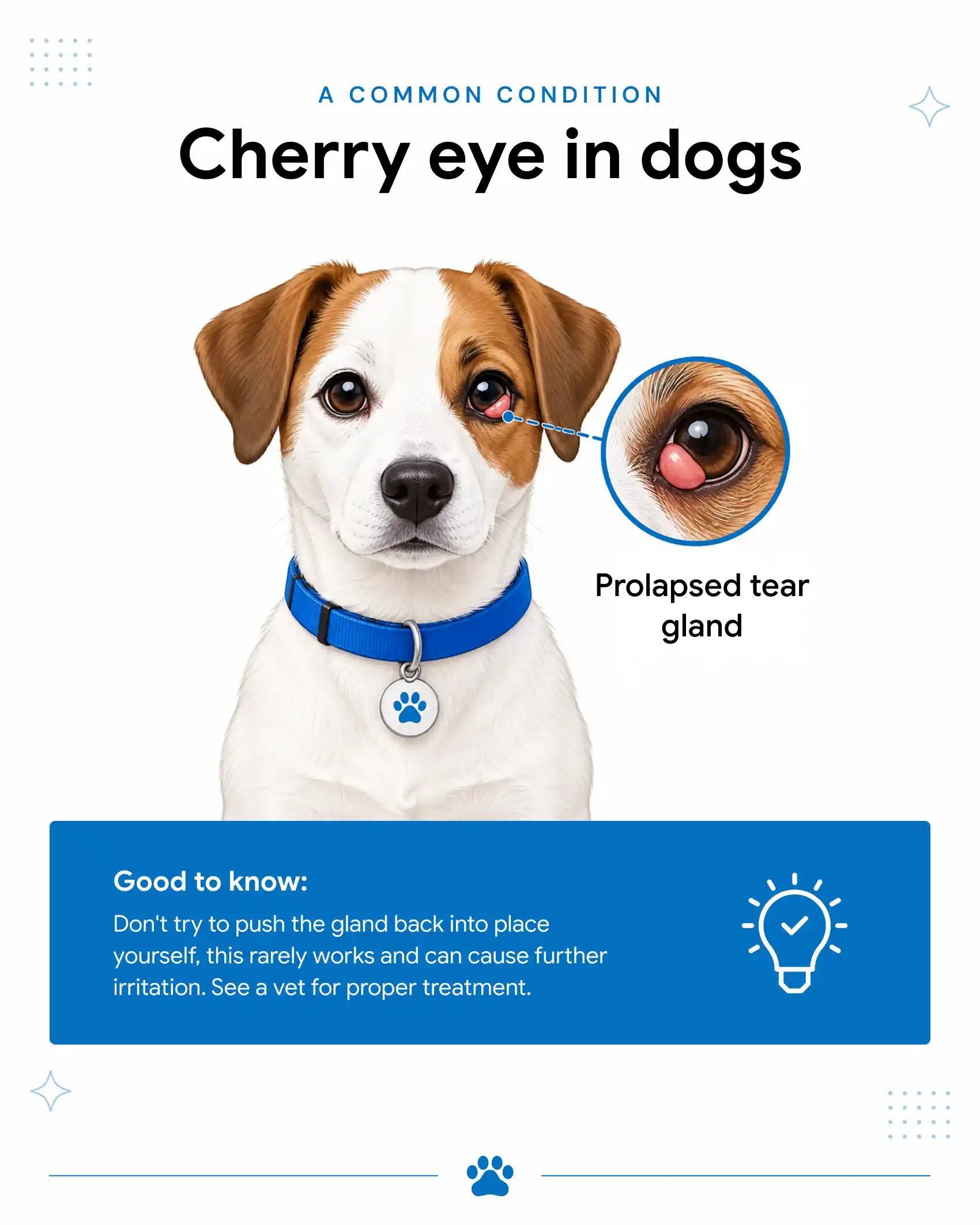
Dogs have a protective layer in their eyes that shields them from dust and debris. This third eyelid is called the nictitating membrane and holds a specific tear gland that is responsible for tear production. When this third eyelid gland’s tissues weaken, the gland itself may pop out.

In other words, your dog’s nictitating membrane may become displaced, causing the appearance of a red, swollen mass at the corner of the eye. This is the prolapsed gland that gives cherry eye its name due to its resemblance to a small cherry.

Even if it's not painful during the early stages, the exposed gland can experience irritation, discomfort, and other problems. 

Potential Complications of Cherry Eyes in Dogs

If left untreated, cherry eye in dogs can lead to more serious complications. 

Chronic Irritation

Chronic irritation to the prolapsed gland can happen long-term because of its exposed nature. This makes it vulnerable to dirt, dust, and debris. 

Secondary Infections

Because the tear gland is exposed, the chance of secondary infections developing is increased. This means bacteria, fungi, and other pathogens can irritate the tissue, causing pain, swelling, and discomfort.

Dry Eye

Dry eye in dogs is another area of concern. The gland responsible for producing a large portion of the eye’s tears will be exposed. If it remains out of place for an extended period, it may lose its functionality, hindering tear production.

What Causes Cherry Eye in Dogs?

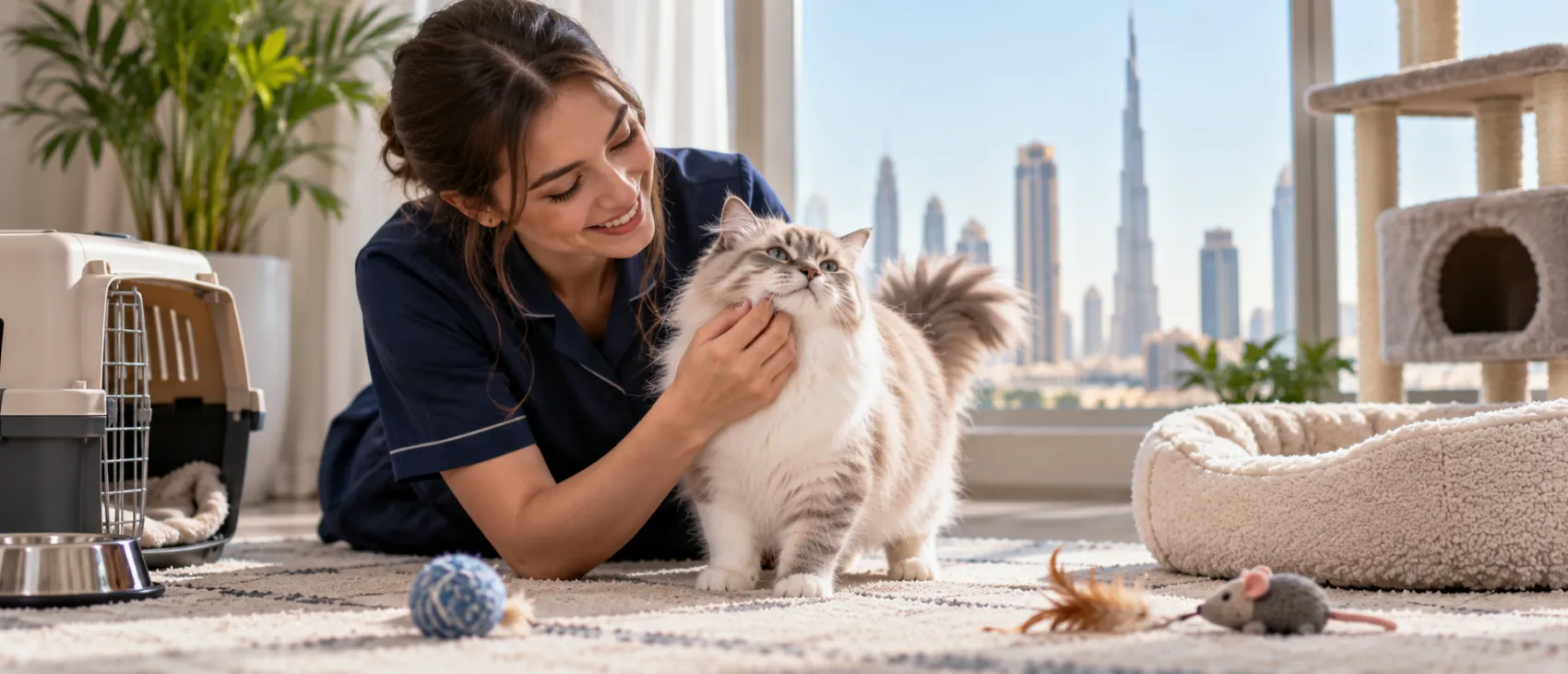
A veterinarian is keeping a dog happy before an eye exam.

When it comes to how dogs get it, there are a couple of main causes. 

Genetic Predisposition

Some dog breeds are genetically predisposed to cherry eye. Essentially, they have inherited weaknesses in connective tissue. Brachycephalic breeds are also among the dogs prone to developing cherry eye because of their facial structures.

Here are some breeds prone to cherry eye:

Because their third eyelid gland is less securely anchored, these breeds are more likely to develop the condition at a young age. 

Age

Cherry eye is common in pups under two years old. It's generally because their connective tissues are not yet fully developed, making them prone to a prolapsed tear gland. While the condition is less common in older dogs, it’s still possible, especially due to external factors. 

Trauma to the Eye

Trauma or excessive strain on the eye can weaken the ligaments holding the nictitating membrane in place. Activities such as rough play, accidents, animal fights, and excessive scratching can result in cherry eye in dogs.

Inflammation and Eye Infections

Eye problems such as conjunctivitis, corneal ulcers, and eye infections can result in swelling, which increases the risk of cherry eye in dogs. This happens when the inflammation puts stress on the gland and its supporting tissues. 

Allergies

Allergic reactions from food and environmental allergens can lead to excessive eye rubbing or scratching. As this goes on, it can strain the third eyelid’s connective tissues.

What Are the Symptoms of Cherry Eye in Dogs?

The usual signs can often be noticeable, especially when they worsen. Here are the common ones: 

  • Visible Red or Pink Mass. The most obvious sign is the appearance of a red or pink bulge in the corner of the dog’s eye. This bulge is the prolapsed gland of the nictitating membrane. Its size can vary, from small and subtle to large and unmistakable.

  • Eye Irritation or Discomfort. Dogs with cherry eye can also experience constant irritation, which makes them want to scratch it. They may also use nearby furniture and objects to try to relieve the discomfort. However, this can only make things worse.

  • Tearing or Eye Discharge. Cherry eye often leads to excessive tearing or a watery discharge from the affected eye. This happens because the tear gland can't function properly because of the displacement. 

  • Swelling and Inflammation. The surrounding tissues may appear swollen, looking red and inflamed.

  • Behavioral Changes. Due to the persistent discomfort and sensitivity, affected dogs might become more withdrawn, sensitive to bright light, and stressed.

Need help with your dog's eye health?

Need help with your dog's eye health?

A quick visit can help you get started.

A quick visit can help you get started.

How Is Cherry Eye in Dogs Diagnosed?

Our pet ophthalmologists focus on checking your dog's eyes and searching for the exposed tear gland and other signs. 

Eye Stain Test

An eye stain test is done by applying a special dye to the eyes and using a blue light to highlight any damage. This test is especially useful for cases that involve a lot of squinting and scratching. 

Schirmer Tear Test

This test helps us assess the ability of the eyes to produce tears. We can measure if the gland is still producing enough tears and determine if the eyes have developed dry eye syndrome.

How Is Cherry Eye in Dogs Treated?

A veterinarian is checking a dog's eyes up close while holding its face. Another vet is holding the dog's body.

The goal is to treat cherry eye by restoring the tear gland to its proper position.

Surgical Gland Reposition

The most reliable way to treat cherry eye in dogs is to reposition the tear gland, preserving its function. It works by creating a small pocket in the conjunctiva to hold the displaced gland. Next, the gland is tucked gently into this pocket and stitched inside with dissolvable sutures. 

This holds the third eyelid securely, effectively treating the condition.

Non-Surgical Treatments

Medication alone is not enough to fully correct cherry eye. Surgery will always be the definitive treatment option. However, medications can relieve the pain and provide comfort before and after treatment.

Post-Surgical Care

After surgery, special care is essential to ensure a smooth recovery and prevent recurrence. We prescribe anti-inflammatory or antibiotic eye drops to reduce swelling and prevent infection.

Elizabethan collars are also super helpful in preventing your dog from touching the operated area. Dogs will also need a relaxing space at home to recover.

How to Prevent Cherry Eye in Dogs?

While it can’t be completely prevented, there are some ways you can help reduce the risk.

  1. Manage Allergies 

Allergens and irritants can make your dog want to scratch their eyes, so be sure to control their environment and seek help when needed. 

  1. Schedule Checkups

Routine visits help us check for eye issues before they get worse, helping avoid a lot of problems in the future. 

  1. Monitor Your Dog

Always keep an eye on your dog, especially when they keep on scratching or pawing at their eyes. Watch them whenever they playwith other dogs.

"Clear and unobstructed vision is the core of how our dogs experience the world."

- Dr. Nenad Misura

Final Thoughts

The good news is that cherry eye in dogs is manageable and treatable. With the right diagnosis, surgical technique, and post-care, your best friend can regain their comfort and experience clear vision all throughout. 

Frequently Asked Questions

Will cherry eye go away on its own?

No, cherry eye rarely goes away on its own. While the prolapsed gland might temporarily shrink or shift, it typically reappears without treatment. The longer it remains exposed, the greater the risk of complications.

Will cherry eye go away on its own?

No, cherry eye rarely goes away on its own. While the prolapsed gland might temporarily shrink or shift, it typically reappears without treatment. The longer it remains exposed, the greater the risk of complications.

Will cherry eye go away on its own?

No, cherry eye rarely goes away on its own. While the prolapsed gland might temporarily shrink or shift, it typically reappears without treatment. The longer it remains exposed, the greater the risk of complications.

What happens if a dog has a cherry eye and is left untreated?

If left untreated, cherry eye can lead to chronic irritation, inflammation, and recurring infections. The exposed nictitating membrane becomes vulnerable to environmental irritants, and the tear gland may lose its ability to produce tears, causing dry eye.

What happens if a dog has a cherry eye and is left untreated?

If left untreated, cherry eye can lead to chronic irritation, inflammation, and recurring infections. The exposed nictitating membrane becomes vulnerable to environmental irritants, and the tear gland may lose its ability to produce tears, causing dry eye.

What happens if a dog has a cherry eye and is left untreated?

If left untreated, cherry eye can lead to chronic irritation, inflammation, and recurring infections. The exposed nictitating membrane becomes vulnerable to environmental irritants, and the tear gland may lose its ability to produce tears, causing dry eye.

Can a dog live comfortably with cherry eye?

While some dogs may seem unaffected at first, cherry eye often causes discomfort, itchiness, and eye dryness over time. Dogs might paw at their eyes or rub against furniture, leading to further damage. Quality of life may decline without proper care.

Can a dog live comfortably with cherry eye?

While some dogs may seem unaffected at first, cherry eye often causes discomfort, itchiness, and eye dryness over time. Dogs might paw at their eyes or rub against furniture, leading to further damage. Quality of life may decline without proper care.

Can a dog live comfortably with cherry eye?

While some dogs may seem unaffected at first, cherry eye often causes discomfort, itchiness, and eye dryness over time. Dogs might paw at their eyes or rub against furniture, leading to further damage. Quality of life may decline without proper care.

What can be mistaken for cherry eye in dogs?

These can be cartilage eversion, conjunctivitis, tumors, and entropion. These conditions often present pink or red masses, swelling, and irritation.

What can be mistaken for cherry eye in dogs?

These can be cartilage eversion, conjunctivitis, tumors, and entropion. These conditions often present pink or red masses, swelling, and irritation.

What can be mistaken for cherry eye in dogs?

These can be cartilage eversion, conjunctivitis, tumors, and entropion. These conditions often present pink or red masses, swelling, and irritation.

How painful is cherry eye in dogs?

Generally, cherry eye is not painful for dogs. However, it does cause significant discomfort, irritation, and dryness. When it’s left untreated, it can result in painful complications.

How painful is cherry eye in dogs?

Generally, cherry eye is not painful for dogs. However, it does cause significant discomfort, irritation, and dryness. When it’s left untreated, it can result in painful complications.

How painful is cherry eye in dogs?

Generally, cherry eye is not painful for dogs. However, it does cause significant discomfort, irritation, and dryness. When it’s left untreated, it can result in painful complications.

Share

Custom Icon
Custom Icon
Custom Icon

Subscribe to Our Newsletter

Sign up for weekly pet health tips and insights from our veterinarians.

Sign up for weekly pet health tips and insights from our veterinarians.

Wellness & Emergency Care

Wellness & Emergency Care

Book Appointment

Book Appointment

Worried about your pet?

We’re here for urgent care, wellness checks, or anything in between. 

We’re here for urgent care, wellness checks, or anything in between. 

Get the best Vet care for your pet

© 2006-2026 Noble Veterinary Clinics

© 2006-2026 Noble Veterinary Clinics

Unique care for your best friends, because they’re family.

© 2006-2026 Noble Veterinary Clinics

© 2006-2026 Noble Veterinary Clinics