Hair Loss in Cats: Causes and Treatments for Feline Alopecia

Hair Loss in Cats: Causes and Treatments for Feline Alopecia

Hair Loss in Cats: Causes and Treatments for Feline Alopecia

Dr. Paulina Czerska

Published Date

Published Date

10 minutes

10 minutes

Custom Icon
Custom Icon
Custom Icon

A cat’s coat is a sign of behavior and overall health. When it’s clean and well-maintained, cats are generally happy and healthy. However, when it’s unkempt or missing a few patches, then it indicates something concerning. 
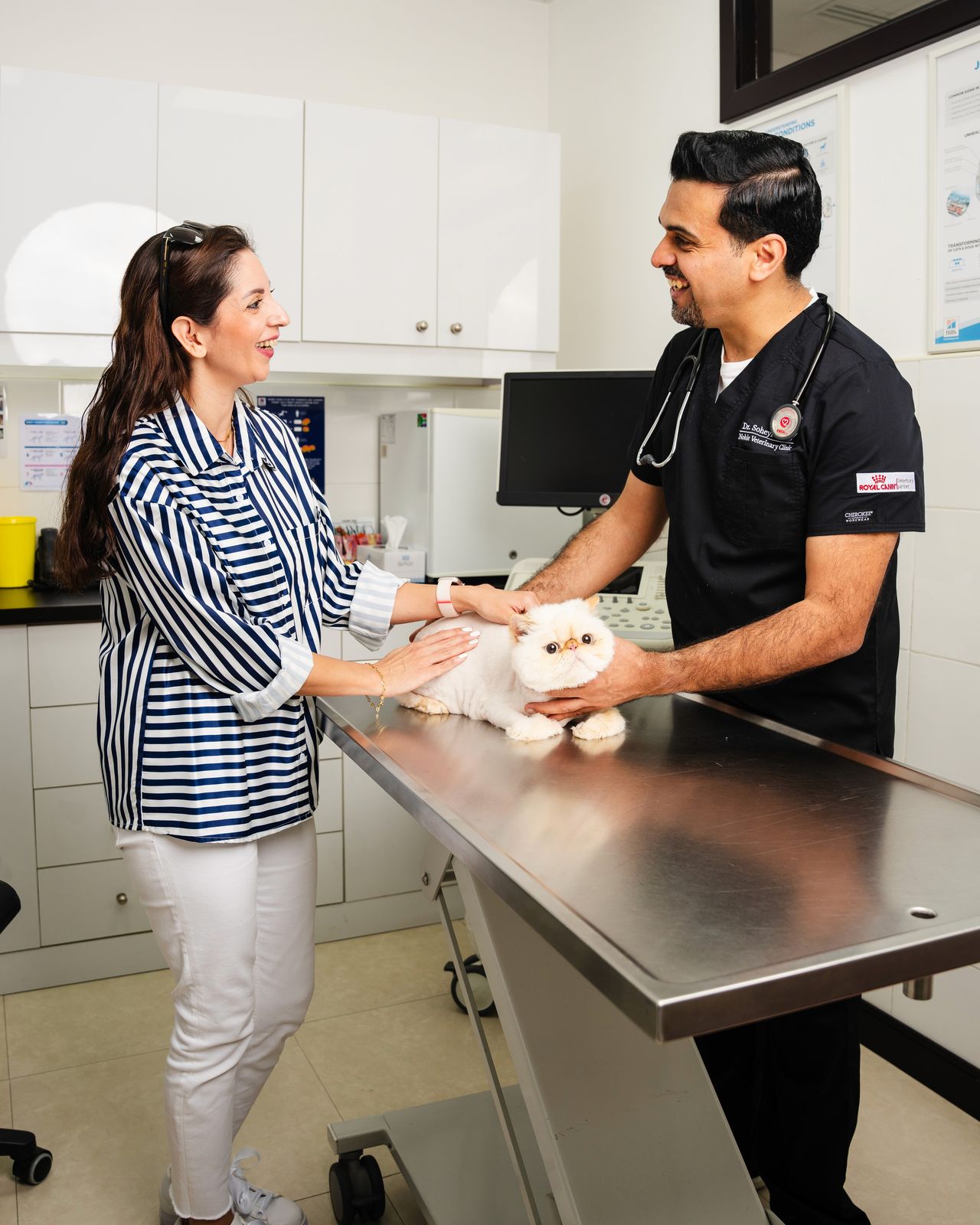
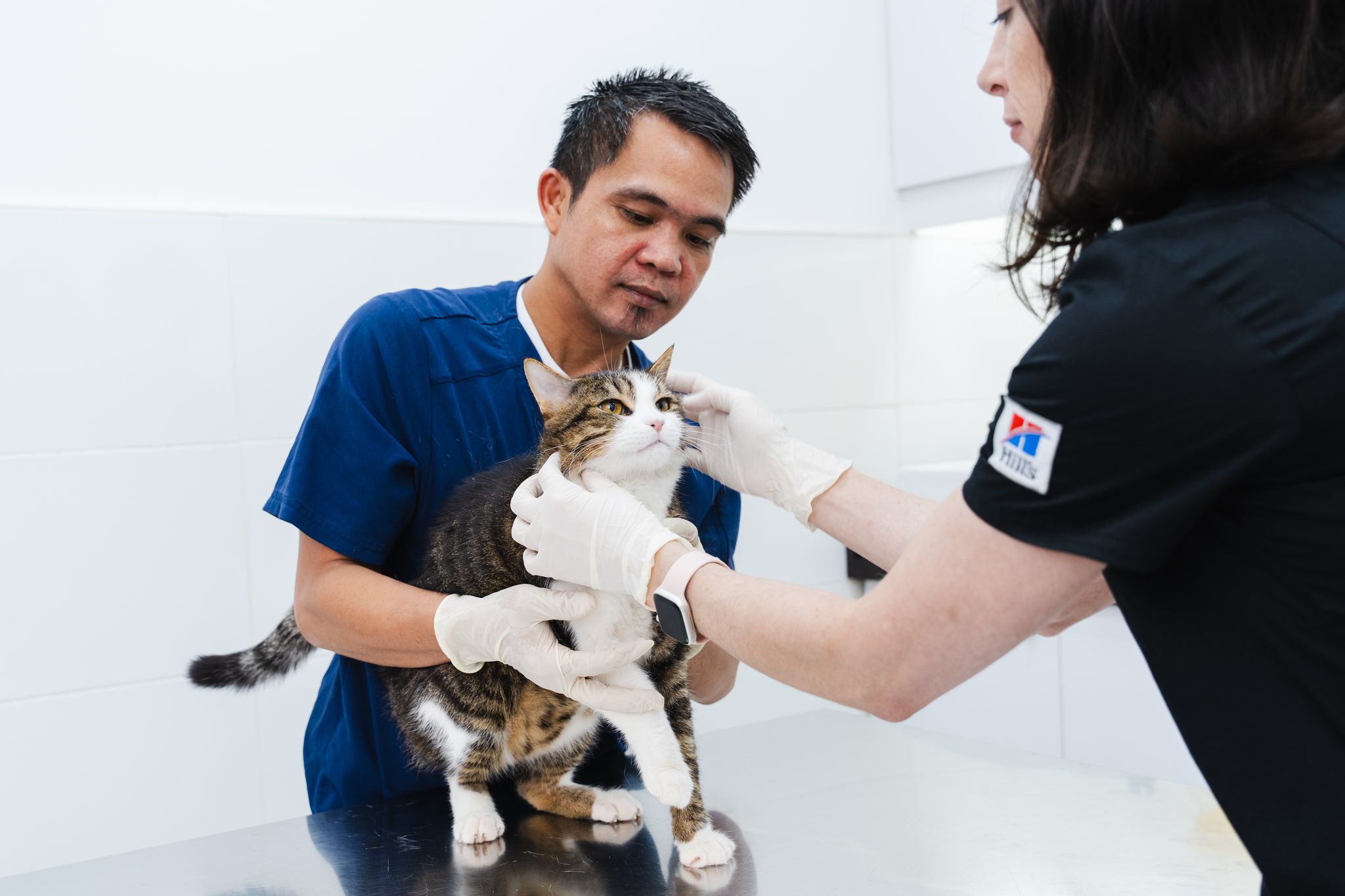
A veterinarian is checking a cat for hair loss on a metal table.

Hair loss in cats, also called alopecia, is a common concern that involves their coat. It can be caused by a variety of issues, all of which should be addressed by pet owners. 

In this blog, we’ll talk about everything you need to know about cats and hair loss, from what causes it to how it can be treated. 

What Does Hair Loss Look Like?

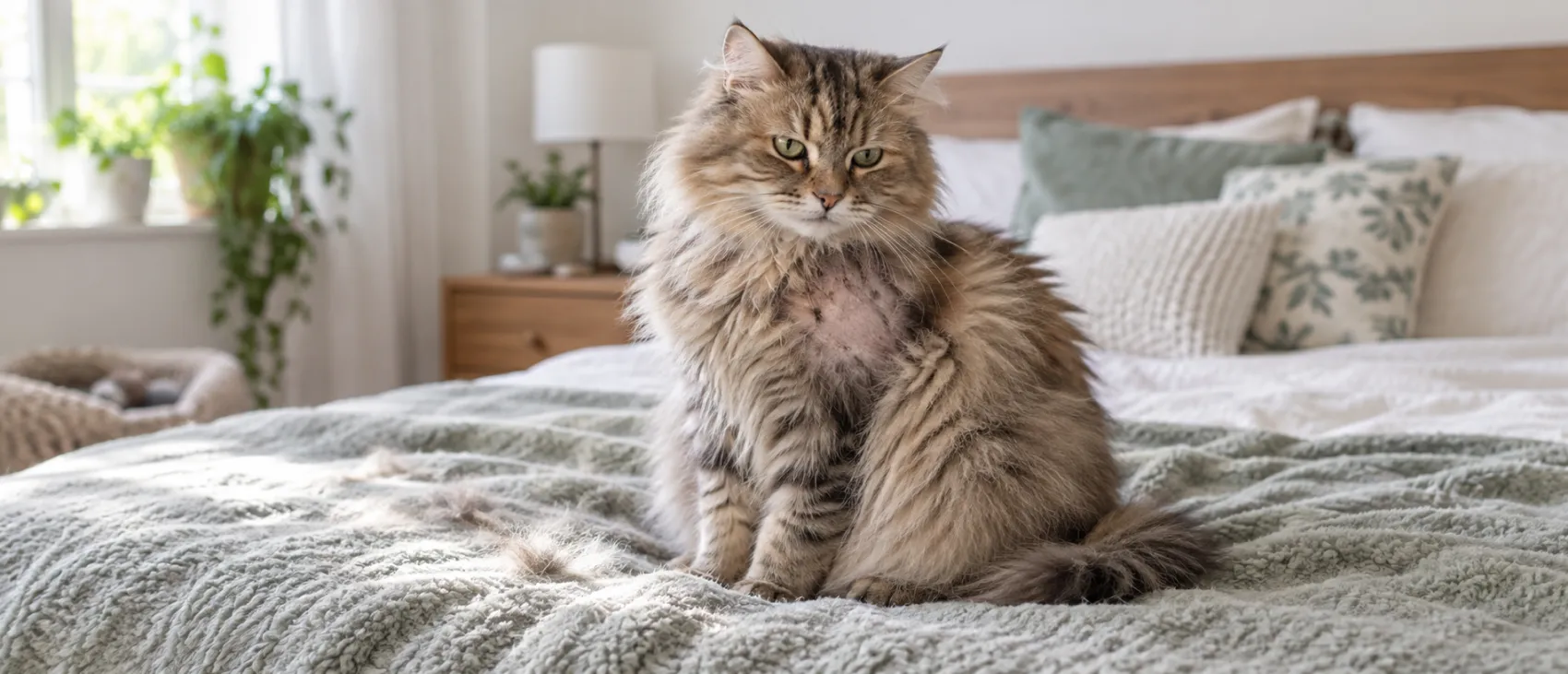
If you notice these signs, your cat may be losing hair. 

  • Patches of baldness. You’ll notice areas where your cat’s coat has bald patches. 

  • Fur mowing. Excessive grooming that makes the coat look “mowed.”

  • Symmetrical hair loss. Thinning hair that appears on both sides of the cat’s body. 

  • Thinning hair. The cat’s coat appears thinner and lighter, rather than completely or partially bald. 

  • Scabs or rashes. The presence of scabs or rashes on the skin, often on the back or base of the tail. 

Normal Shedding vs Hair Loss in Cats

Shedding is a natural process wherein a cat’s old fur is replaced with new growth. Normal shedding helps regulate a cat's temperature and keeps its skin in good condition.

Shedding tends to follow seasonal patterns, increasing in the spring and autumn as cats adjust to changing daylight and temperature. In contrast, hair loss is not normal. It's a symptom of a health issue or can come from emotional distress. 

Plus, when hair loss occurs, it usually appears as patchy, localized, or uneven bald spots.

Two veterinarians are examining a gray cat for hair loss. The cat is lying down on the metal table.

What Causes Hair Loss in Cats?

There are several reasons why cats experience hair loss. Some may cause it suddenly, while others progress gradually. 

External Parasites

Parasites such as fleas, ticks, and mites are common reasons why cats experience hair loss. They can cause severe itching and irritation, which can prompt affected cats to overgroom. From here, cats can experience hair loss in the areas they overly scratch or chew.

Fleas are particularly more serious, as many cats can have severe allergic reactions to the saliva they leave behind. 

Allergies

Cats can also experience hair loss from allergic reactions. Common allergens include foods, environmental factors such as pollen and dust mites, and certain materials like plastic and wool.

Allergic reactions often manifest as itching, redness, and hair loss, particularly around the face, neck, and tail. Food allergies are particularly challenging to diagnose, as they can develop at any stage of life. 

Skin Infections

Skin infections can also cause hair loss in cats as one of the symptoms. One of the more common ones is ringworm, a fungal infection that results in circular patches of hair loss. 

Other common issues include pyoderma and flea allergy dermatitis, which may make cats excessively scratch themselves. 

Hormonal Imbalances

Disorders that can result in hormonal imbalances, such as hypothyroidism, can result in hair loss in cats. These often result in the symmetrical loss of hair, characterized by thinning on both sides. 

This happens because the normal hair growth cycle is disrupted as the hormone balance is altered.

Stress and Anxiety

A cat's emotional well-being can also affect coat health. When cats feel stressed, especially for extended periods, their bodies release stress hormones. These stress hormones can disrupt the normal hair growth cycle. This can cause hair loss in cats.

Common situations include changes in the house, new pets, and even boredom. Additionally, cats with anxiety issues for long periods of time tend to groom excessively, which can result in bald patches across the coat. This is called psychogenic alopecia. 

Nutritional Deficiencies

A cat's diet is also another essential factor that can cause hair loss in cats. Cats that lack adequate nutrition for growth and development may develop a poor coat condition and some hair loss. 

This is quite common in cats eating low-quality meals. It can also affect those with nutrient absorption issues. Common ones include inflammatory bowel disease, exocrine pancreatic insufficiency, and malabsorption. 

Genetics and Age

Some cats are predisposed to hair loss. Breeds like the Sphynx cat, Devon Rex, and Cornish Rex are genetically prone to hair loss or thinning. Others may even have a genetic predisposition to certain skin conditions that lead to hair loss.

Additionally, age is also a factor. This is generally a natural thinning of the coat rather than an actual health issue. However, senior cats may also be prone to skin issues that can trigger hair loss.

Cancer and Immune Disorders

Other conditions, such as cancer and immune disorders, can also cause hair loss in cats. Some of these conditions include mast cell tumors, alopecia areata, and pemphigus foliaceus.
Worried about your cat's hair loss?

Worried about your cat's hair loss?

Let our vets lend a helping hand.

Let our vets lend a helping hand.

How Do Vets Diagnose the Cause of Hair Loss in Cats?

When diagnosing the cause of your cat’s hair loss, we take several distinct approaches.

To start, our vets will thoroughly assess your cat and its coat’s condition. This means checking for potential symptoms and asking you for your observations at home. After a complete examination, we may proceed to the following diagnostic and laboratory tests

  • Skin Scrapings. Our vets will gently scrape your cat’s skin surface to collect samples. Once we have a sample, we’ll use a microscope to determine the cause. Through this, we can identify common causes such as mites, bacteria, and fungi. 

  • Culture and Sensitivity Test. By collecting a sample, we can create a culture that will help us identify the bacteria or fungi involved. Our vets can also determine the best medication to use through this method. 

  • Blood Tests. Bloodwork helps us diagnose hormonal imbalance, detect infections, and assess your cat’s overall health. 

  • Allergy Testing. If we suspect any allergies, our vets can recommend an intradermal skin test or a food elimination trial. 

  • Biopsy. In some cases where the initial tests are inconclusive, we may do a skin biopsy. This can reveal inflammatory responses, autoimmune diseases, infections, and certain types of cancer. 

A veterinarian in a blue shirt is holding a cat securely while another vet is checking the cat's fur around its face.

How Is Hair Loss in Cats Treated?

Treating alopecia in cats means treating the main cause of it. We’ll focus on medications, allergy management, nutritional support, and other specific treatments. 

Medications and Medicated Products

For external parasites, we’ll focus on recommending the appropriate topical or oral medications. Common ones include selamectin and fluralaner. This can also include medicated shampoos to alleviate the symptoms and help your cat’s skin and coat heal. 

Skin infections will be treated with antibacterials or antifungals, depending on what caused the disease. Like with parasitic infestations, we’ll also recommend medicated shampoos.

When it comes to allergies, our vets will consider antihistamines, corticosteroids, or allergy shots if needed.

Specific Treatments

For issues related to hormonal imbalances, we may need to provide targeted treatments for the underlying cause. This may include hormone therapy, surgery, or medications. The same will be done for other severe diseases that affect the cat’s skin and coat. 

Stress Reduction

If stress or anxiety is the cause, then our pet behaviorists will help with further assessments, recommendations, and techniques. We’ll look into environmental changes at home, pheromone diffusers, or even anti-anxiety medications. 

Nutritional Support

Feeding a healthy diet that covers skin and coat health is also an important part of recovery. We’ll construct a diet plan that focuses on vitamins A and E, as well as other high-quality nutrients your cat needs. Our team can also recommend supplements and probiotics for skin health. 

Vet Tips: How to Prevent Hair Loss in Cats

The best ways to prevent your cat from losing hair include grooming, preventive treatments, a healthy diet, stress reduction, and regular checkups. 

  1. Groom Your Cat Regularly

Keeping your cat clean and well-groomed is an essential part of preventing hair loss. This will include regular brushing routines and occasional bathing. If you need help, you can let our professional cat groomers tend to your cat’s coat health. 

  1. Protect Your Cat From Diseases

Another effective way to prevent hair loss is by protecting your cat from the possible causes. This includes parasite preventives and vaccinations, which shield your cat from severe diseases that can cause more than just hair loss.  

  1. Provide a Balanced Diet

A good and healthy diet helps keep your cat’s skin and coat healthy. Start by giving protein-rich foods that also have a good amount of vitamins and minerals. You can also provide commercial cat food that specializes in skin and coat health. 

  1. Reduce Stress at Home

One key tip is to keep your cat stress-free at home. You can start doing this by establishing consistent routines and keeping the home clean. These can prevent a lot of unnecessary issues. 

  1. Schedule Vet Visits

Regular vet visits can allow us to monitor your cat’s health and check for any potential issues that might cause hair loss and many more. We always recommend scheduling annual checkups at the clinic. 

“Protecting your cat’s coat is one of the many ways we can protect their health.”

- Dr. Paulina Czerska

Final Thoughts

Hair loss in cats can be caused by a multitude of reasons, with many of them preventable. Let’s work on protecting our cats and their coats through simple yet effective methods. Start with a vet checkup, and we’ll go from there. 

Frequently Asked Questions

How to help a cat with hair loss?

The best way is to visit the vet. Our team can help you understand your cat’s condition and recommend the most effective ways for treatment and recovery. Plus, we can work on preventive care at the clinic.

What food causes alopecia in cats?

These are generally foods the cat is allergic to, which can be chicken, beef, dairy, and grains. When cats get an allergic reaction to these foods, they may overly groom themselves, leading to hair loss.

When should I worry about cat hair loss?

If you notice other symptoms such as redness, sores, lesions, lethargy, constant vomiting, and behavioral changes, then it’s serious. These situations may require veterinary attention.

Can alopecia resolve on its own?

It can resolve on its own if it’s caused by mild stress, hormonal changes, and other temporary factors. However, then hair loss is caused by factors like parasites and infections, medical treatment is required.

Will older cats experience more hair loss?

Yes, older cats often experience more hair loss because of reduced grooming capabilities, chronic health conditions that affect the coat, and skin sensitivities.

Share

Custom Icon
Custom Icon
Custom Icon

Subscribe to Our Newsletter

Sign up for weekly pet health tips and insights from our veterinarians.

Sign up for weekly pet health tips and insights from our veterinarians.

Wellness & Emergency Care

Book Appointment

Worried about your pet?

We’re here for urgent care, wellness checks, or anything in between. 

Get the best Vet care for your pet

© 2006-2026 Noble Veterinary Clinics

Your veterinary practice, always here

© 2006-2026 Noble Veterinary Clinics

© 2006-2026 Noble Veterinary Clinics