Proven Protection from Parasites

Flea, Tick & Worm Treatment

We ensure that your pet is free from disease-causing infestations using gentle, yet effective, medications.

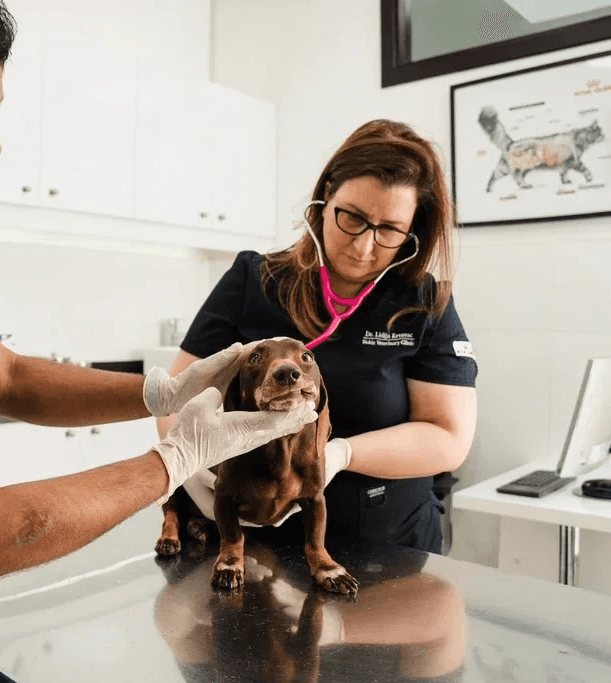
Our professional veterinarian checks a dog for any signs of parasite infestation, a condition that requires pet deworming

Proven Protection from Parasites

Flea, Tick & Worm Treatment

We ensure that your pet is free from disease-causing infestations using gentle, yet effective, medications.

Our professional veterinarian checks a dog for any signs of parasite infestation, a condition that requires pet deworming

Proven Protection from Parasites

Flea, Tick & Worm Treatment

We ensure that your pet is free from disease-causing infestations using gentle, yet effective, medications.

Our professional veterinarian checks a dog for any signs of parasite infestation, a condition that requires pet deworming

Proven Protection from Parasites

Flea, Tick & Worm Treatment

We ensure that your pet is free from disease-causing infestations using gentle, yet effective, medications.

Our professional veterinarian checks a dog for any signs of parasite infestation, a condition that requires pet deworming

Why parasite prevention matters

Pets are easily exposed to parasites such as fleas, ticks, worms, and mites from the environment. Coupled with Dubai's warm climate, these pests cause a lot of discomfort for our pets, with many causing serious diseases.


From persistent skin issues to chronic infections that may affect the lungs, heart, and digestive system, parasites are troublesome. Some of the parasites that affect our pets may also endanger our families and us.


By deworming pets, you're protecting them, your family, and yourself. When you start early and continue consistently, you can ensure your best friend's protection and comfort.

What parasites affect pets in the UAE

What parasites affect pets in the UAE

External Parasites

External Parasites

Fleas, ticks, and mites feed on your pet's blood, causing itching, skin irritation, and serious disease. In the UAE's humid climate, these parasites are active year-round. Consistent pet deworming prevents these issues.

Internal Parasites

Internal Parasites

Roundworms, tapeworms, hookworms, and whipworms are dangerous parasites that infect your pet's digestive system, causing vomiting, diarrhea, and discomfort. They may also interfere with nutrient absorption and affect internal organs.

Vector-Borne Parasites

Vector-Borne Parasites

Mosquitos and ticks may transmit highly serious diseases such as heartworm and bobcat fever. Heartworms, for instance, infect the heart and lungs of affected cats, causing severe cardiopulmonary symptoms.

  • External Parasites

    Fleas, ticks, and mites feed on your pet's blood, causing itching, skin irritation, and serious disease. In the UAE's humid climate, these parasites are active year-round. Consistent pet deworming prevents these issues.

  • Internal Parasites

    Roundworms, tapeworms, hookworms, and whipworms are dangerous parasites that infect your pet's digestive system, causing vomiting, diarrhea, and discomfort. They may also interfere with nutrient absorption and affect internal organs.

  • Vector-Borne Parasites

    Mosquitos and ticks may transmit highly serious diseases such as heartworm and bobcat fever. Heartworms, for instance, infect the heart and lungs of affected cats, causing severe cardiopulmonary symptoms.

How do you know if your pet has parasites?

Some pets don't show any significant signs, so be sure to check for the subtle and common ones.

Constant scratching, licking, or biting

Small black specks in fur (flea dirt)

Visible worms in dog's stool or around the anus

Scooting, bloating, or digestive upset

Unexplained weight loss or fatigue

Pale gums or general weakness

If you're seeing any of these symptoms, visit our clinic. We can examine a stool sample or perform skin exam to help confirm and treat the issue early with a targeted treatment plan.

When should pets get dewormed?

When should pets get dewormed?

When should pets get dewormed?

Dog

Cat

2

Weeks

Dog

Treating your puppy starts at 2 weeks old, repeating every 2 weeks until 12 weeks of age.

12

Weeks

Dog

After 12 weeks, deworm your puppy monthly until they are 6 months old.

6

Months

Dog

From 6 months onward, administer dewormers every 3 to 4 months, based on your dog’s lifestyle and exposure risks.

Dog

Cat

2

Weeks

Dog

Treating your puppy starts at 2 weeks old, repeating every 2 weeks until 12 weeks of age.

12

Weeks

Dog

After 12 weeks, deworm your puppy monthly until they are 6 months old.

6

Months

Dog

From 6 months onward, administer dewormers every 3 to 4 months, based on your dog’s lifestyle and exposure risks.

Dog

Cat

2

Weeks

Dog

Treating your puppy starts at 2 weeks old, repeating every 2 weeks until 12 weeks of age.

12

Weeks

Dog

After 12 weeks, deworm your puppy monthly until they are 6 months old.

6

Months

Dog

From 6 months onward, administer dewormers every 3 to 4 months, based on your dog’s lifestyle and exposure risks.

Dog

Cat

2

Weeks

Dog

Treating your puppy starts at 2 weeks old, repeating every 2 weeks until 12 weeks of age.

12

Weeks

Dog

After 12 weeks, deworm your puppy monthly until they are 6 months old.

6

Months

Dog

From 6 months onward, administer dewormers every 3 to 4 months, based on your dog’s lifestyle and exposure risks.

How can you prevent parasites?

Prevention starts with consistent pet deworming and year-round flea and tick control. Our vets can help your best friend get started on a deworming medication tailored to their specific needs.


In addition, we recommend practicing good overall hygiene at home, including washing bedding, limiting outdoor exposure, and washing your hands regularly to help prevent the spread of parasites.


Coupled with routine wellness exams and stool sample testing, infections can be detected early and treated promptly.

Why is consistent protection so important?

Two veterinarians are checking a cat's condition while talking to a pet owner about deworming.

Maintains Digestive Health

Deworming helps keep the gut functioning properly and protects your pet against nutrient loss caused by internal parasites.

A veterinarian is checking a dog's skin for signs of parasites while talking to the pet owner about deworming.

Supports Healthy Growth in Puppies & Kittens

Parasite-free pets grow stronger and faster, without unnecessary problems interfering with their overall development.

A veterinarian is talking to a pet owner about her cat's deworming treatment plan.

Improves Skin & Coat Comfort

Preventing fleas, ticks, and mites can help reduce inflammation, itching, and stress, improving overall skin and coat quality.

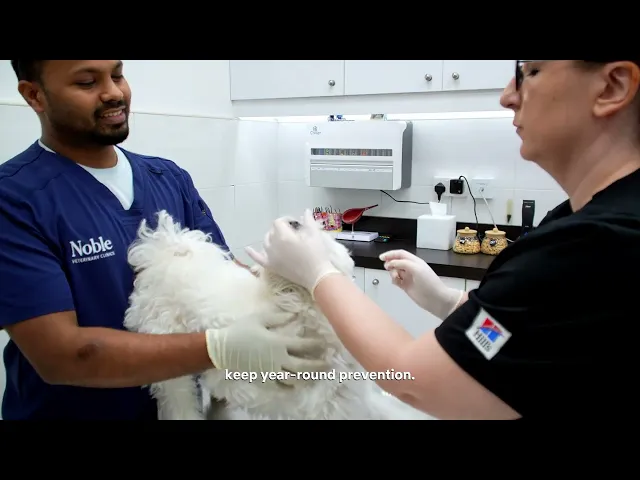
Two veterinarians are preparing a dog for deworming treatment while speaking to the pet owner.

Reduces Risk of Transmission

Treating and deworming one pet protects the entire family, significantly reducing the spread of parasites and disease.

Two veterinarians are examining a cat for signs of parasites.

Avoids Complications

Consistent deworming eliminates parasites can affect internal organs, avoiding long-term, severe, and even fatal damage.

Want to protect your pet from fleas, ticks, and worms?

Discuss your pet's deworming with our experts.

Want to protect your pet from fleas, ticks, and worms?

Discuss your pet's deworming with our experts.

Want to protect your pet from fleas, ticks, and worms?

Discuss your pet's deworming with our experts.

Everything You Need to Know

Questions? We're Here to Help

Questions? We're Here to Help

Still have questions?

Our team is here to help. Get in touch for personalized answers.

Our team is here to help. Get in touch for personalized answers.

How do I know if my pet has worms?

Common signs of internal parasites in pets include frequent diarrhea, vomiting, blood in stool, scooting, and visible worms in poop. General signs include poor appetite, lethargy, and poor coat quality.

What happens if I miss an appointment?

If you miss your pet's deworming schedule, visit us as soon as possible and we'll help them get back on track. We'll adjust the treatment plan accordingly depending on your pet's specific needs.

Do indoor pets still need deworming?

Yes, even pets staying indoors need deworming as some parasites may enter the home through our clothes, bags, and items. Other pets living in the same household may also transmit the parasites.

Is it safe to deworm pregnant or nursing pets?

Pet deworming is generally safe for pregnant or nursing cats and dogs. Always consult with our experts so we can prescribe veterinarian-approved products for your pet.

Are there side effects from these treatments?

It's possible for your pet to experience mild side effects, including dizziness, abdominal upset, nausea, fatigue, and itching. However, these usually subside within 24-72 hours.

How often should my pet get dewormed?

Adults cats and dogs should be dewormed every 3-4 months, which can vary based on lifestyle, location, and activities. Our vets can help determine the exact schedule and send timely reminders for your pet's deworming.

How do I know if my pet has worms?

Common signs of internal parasites in pets include frequent diarrhea, vomiting, blood in stool, scooting, and visible worms in poop. General signs include poor appetite, lethargy, and poor coat quality.

What happens if I miss an appointment?

If you miss your pet's deworming schedule, visit us as soon as possible and we'll help them get back on track. We'll adjust the treatment plan accordingly depending on your pet's specific needs.

Do indoor pets still need deworming?

Yes, even pets staying indoors need deworming as some parasites may enter the home through our clothes, bags, and items. Other pets living in the same household may also transmit the parasites.

Is it safe to deworm pregnant or nursing pets?

Pet deworming is generally safe for pregnant or nursing cats and dogs. Always consult with our experts so we can prescribe veterinarian-approved products for your pet.

Are there side effects from these treatments?

It's possible for your pet to experience mild side effects, including dizziness, abdominal upset, nausea, fatigue, and itching. However, these usually subside within 24-72 hours.

How often should my pet get dewormed?

Adults cats and dogs should be dewormed every 3-4 months, which can vary based on lifestyle, location, and activities. Our vets can help determine the exact schedule and send timely reminders for your pet's deworming.

Effective Flea, Tick, & Worm Treatments

Tailored Parasite Protection That Works

At Noble Vet Clinic, we support lifelong pet wellness and the relationships that make it meaningful.

Effective Flea, Tick, & Worm Treatments

Tailored Parasite Protection That Works

At Noble Vet Clinic, we support lifelong pet wellness and the relationships that make it meaningful.

Effective Flea, Tick, & Worm Treatments

Tailored Parasite Protection That Works

At Noble Vet Clinic, we support lifelong pet wellness and the relationships that make it meaningful.

© 2006-2026 Noble Veterinary Clinics

Policies

Contact Us

DIP - 8am to 9pm
JLT - 10am to 7pm

Jumeirah -

Mon-Fri: 8am to 8pm

Sat-Sun: 9am to 6pm

© 2006-2026 Noble Veterinary Clinics

Your veterinary practice, always here

© 2006-2026 Noble Veterinary Clinics

We’re Hiring! Let’s transform the future of veterinary care together.

We’re Hiring! Let’s transform the future of veterinary care together.

We’re Hiring!

We’re Hiring! Let’s transform the future of veterinary care together.