
TARGETED CARE

Allergy Relief for Cats and Dogs

These conditions need real, specific care to manage well. Our team provides precise diagnoses and treatment built around your pet's actual triggers.

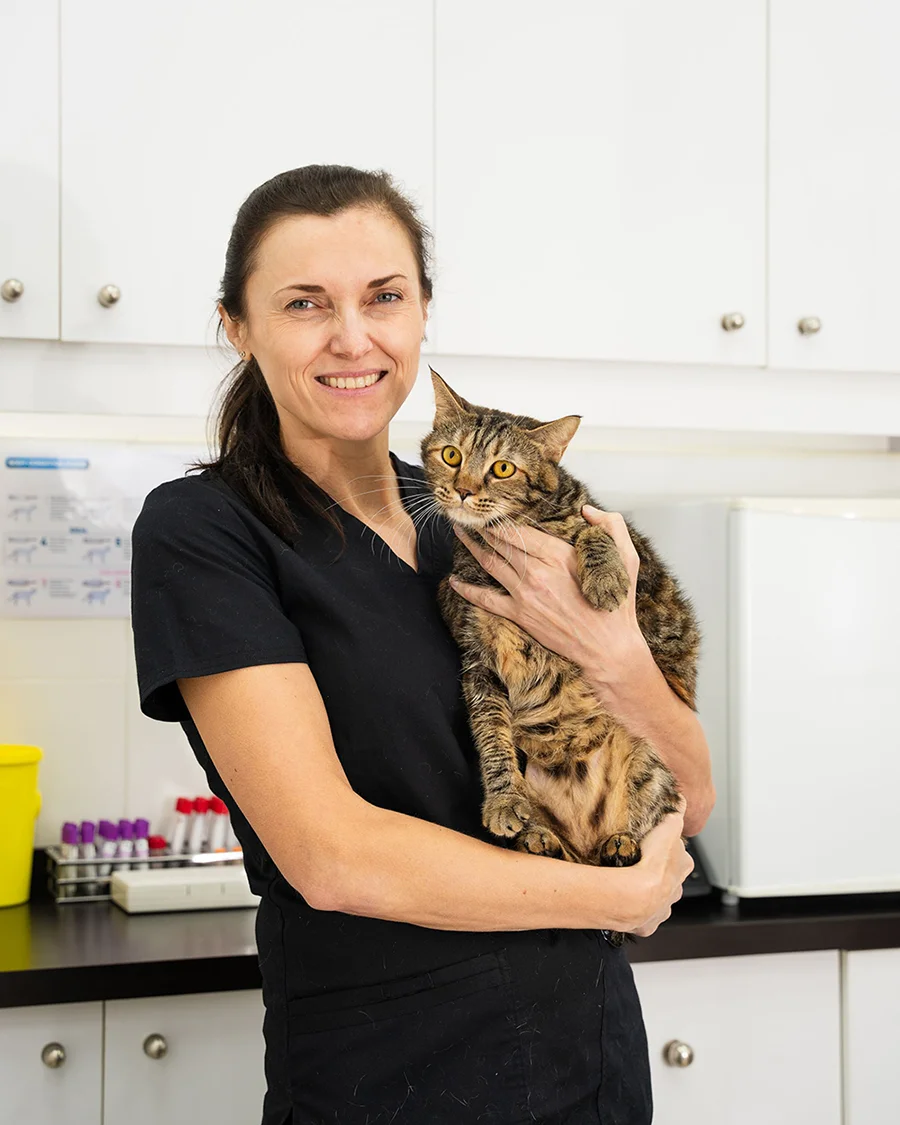
Dr. Paulina Czerska holding a tabby cat after an allergy test in the clinic.

TARGETED CARE

Allergy Relief for Cats and Dogs

These conditions need real, specific care to manage well. Our team provides precise diagnoses and treatment built around your pet's actual triggers.

Dr. Paulina Czerska holding a tabby cat after an allergy test in the clinic.

TARGETED CARE

Allergy Relief for Cats and Dogs

These conditions need real, specific care to manage well. Our team provides precise diagnoses and treatment built around your pet's actual triggers.

Dr. Paulina Czerska holding a tabby cat after an allergy test in the clinic.

TARGETED CARE

Allergy Relief for Cats and Dogs

These conditions need real, specific care to manage well. Our team provides precise diagnoses and treatment built around your pet's actual triggers.

Dr. Paulina Czerska holding a tabby cat after an allergy test in the clinic.

LED BY

Dr. Paulina Czerska

Dermatology & internal medicine

DIAGNOSIS

Skin & blood tests

Identifies the specific allergen

COMMON SIGNS

Itchy skin & more

Often mistaken for something else

FOLLOW-UP

Ongoing care

Allergies are managed, not cured

KNOW THE SIGNS

Is your pet struggling with allergies?

Itchy skin, ear infections, and constant chewing can seem minor, but they're often signs of something bigger. Allergic reactions can come from food, the environment, parasites, or even a grooming product.

Persistent itchy skin or licking

Recurring ear infections

Red or inflamed skin

Hair loss or skin thickening

Raised red patches or hives

Coughing or shortness of breath

If any of these persist or worsen over time, it's worth an early diagnosis rather than waiting to see if it resolves on its own. Our team focuses on finding the actual root cause, not just easing the symptoms temporarily.

COMMON TRIGGERS

What are the most common allergens in Dubai?

Living in the UAE exposes pets to a genuinely unique mix of triggers. Dubai's climate plays a real role, heavy AC use concentrates dust and mould indoors, while the sparse local vegetation still carries seasonal pollen outdoors.

Environmental

Dubai's heavy AC use concentrates dust and mould indoors. Grass and plant pollen, dust mites, and air pollutants also contribute.

Food

Chicken, beef, dairy, and grains are the most common culprits, usually after repeated exposure to the same protein over time, not right away.

Parasitic

Flea saliva and insect bites are the main triggers here. Even one bite can cause a bad reaction; flea allergy dermatitis is common in pets.

Contact

Grooming products, cleaning agents, and synthetic fabrics can trigger a reaction on contact, usually right where the skin touched the trigger.

Dr. Soheyl talks about pet allergy triggers

Understanding pet allergies with Dr. Soheyl Simaei | Noble Veterinary Clinics - Dubai

Noble Veterinary Clinics

Dr. Soheyl talks about pet allergy triggers

Understanding pet allergies with Dr. Soheyl Simaei | Noble Veterinary Clinics - Dubai

Noble Veterinary Clinics

Dr. Soheyl talks about pet allergy triggers

Understanding pet allergies with Dr. Soheyl Simaei | Noble Veterinary Clinics - Dubai

Noble Veterinary Clinics

TREATMENT OPTIONS

How are pet allergies managed?

Our team offers a full range of services for dogs and cats with suspected allergies, because long-term relief depends on identifying the trigger, not just controlling symptoms.

Symptom relief

Antihistamines, steroids, or anti-itch medication

Dietary adjustments

Prescription or novel protein diets

Immunotherapy

Gradual allergen tolerance, over time

Symptom relief

Antihistamines, steroids, or anti-itch medication

Dietary adjustments

Prescription or novel protein diets

Immunotherapy

Gradual allergen tolerance, over time

Topical care

Medicated shampoos, creams & ear treatments

Environmental changes

Air filters, allergen-free bedding

Ongoing monitoring

Follow-up visits to track what's working

Topical care

Medicated shampoos, creams & ear treatments

Environmental changes

Air filters, allergen-free bedding

Ongoing monitoring

Follow-up visits to track what's working

Not sure which treatment your pet needs?

We'll build a plan around their specific triggers.

THE PROCESS

What to expect during your allergy visit

Getting to the real cause takes a few clear steps, not a single guess. Here's how the process actually unfolds.

Step one

Step one

Assessment & history

We start by learning about your pet's symptoms, lifestyle, and medical history, followed by a full physical exam.

Step two

Step two

Testing or food trials

If allergies are suspected, we may recommend elimination diet trials, intradermal testing, or serum testing.

Step three

Step three

A treatment plan built for your pet

Once we have a diagnosis, we'll walk you through treatment options, long-term management, and prevention.

OUR SPECIALIST

Dr. Paulina Czerska

She is a skilled veterinary surgeon with deep expertise in dermatology, internal medicine, and diagnostic imaging.


Holding a Master of Veterinary Science, she's known for a calm, thoughtful approach, taking real time to understand each pet's condition before building a treatment plan.

Master of Veterinary Science

Real depth in dermatology and internal medicine

Experience across international veterinary missions

Dr. Paulina Czerska holding a brown dog after an allergy test in the clinic.

Is your pet showing signs of an allergic reaction?

Talk to our team, and we'll schedule a consultation.

Is your pet showing signs of an allergic reaction?

Talk to our team, and we'll schedule a consultation.

Is your pet showing signs of an allergic reaction?

Talk to our team, and we'll schedule a consultation.

Everything You Need to Know

Frequently Asked Questions

How long does it take to manage my pet's allergies?

Allergies can't be cured, only managed, and consistent results usually take a few weeks to a few months. This typically involves a combination of environmental control, medication or allergy shots, and regular grooming.

How often should I take my pet to the allergist?

It depends on the specific condition. Annual exams are generally recommended, though chronic cases needing closer monitoring may warrant a visit every 6 to 12 months.

Can indoor pets experience allergic reactions?

Yes, even pets who never go outside can be affected; dust mites, mould spores, and household cleaning products are all common indoor triggers.

Can allergy medications make my pet drowsy?

Yes, some medications (like diphenhydramine, cetirizine, and loratadine) can cause drowsiness or lethargy, though this usually subsides within 24 hours.

Can stress make my pet's allergies worse?

Yes, Chronic stress suppresses the immune system and triggers a release of cortisol and histamines, both of which can worsen inflammation and skin issues.

Everything You Need to Know

Frequently Asked Questions

How long does it take to manage my pet's allergies?

Allergies can't be cured, only managed, and consistent results usually take a few weeks to a few months. This typically involves a combination of environmental control, medication or allergy shots, and regular grooming.

How often should I take my pet to the allergist?

It depends on the specific condition. Annual exams are generally recommended, though chronic cases needing closer monitoring may warrant a visit every 6 to 12 months.

Can indoor pets experience allergic reactions?

Yes, even pets who never go outside can be affected; dust mites, mould spores, and household cleaning products are all common indoor triggers.

Can allergy medications make my pet drowsy?

Yes, some medications (like diphenhydramine, cetirizine, and loratadine) can cause drowsiness or lethargy, though this usually subsides within 24 hours.

Can stress make my pet's allergies worse?

Yes, Chronic stress suppresses the immune system and triggers a release of cortisol and histamines, both of which can worsen inflammation and skin issues.

Everything You Need to Know

Frequently Asked Questions

How long does it take to manage my pet's allergies?

Allergies can't be cured, only managed, and consistent results usually take a few weeks to a few months. This typically involves a combination of environmental control, medication or allergy shots, and regular grooming.

How often should I take my pet to the allergist?

It depends on the specific condition. Annual exams are generally recommended, though chronic cases needing closer monitoring may warrant a visit every 6 to 12 months.

Can indoor pets experience allergic reactions?

Yes, even pets who never go outside can be affected; dust mites, mould spores, and household cleaning products are all common indoor triggers.

Can allergy medications make my pet drowsy?

Yes, some medications (like diphenhydramine, cetirizine, and loratadine) can cause drowsiness or lethargy, though this usually subsides within 24 hours.

Can stress make my pet's allergies worse?

Yes, Chronic stress suppresses the immune system and triggers a release of cortisol and histamines, both of which can worsen inflammation and skin issues.

Everything You Need to Know

Frequently Asked Questions

How long does it take to manage my pet's allergies?

Allergies can't be cured, only managed, and consistent results usually take a few weeks to a few months. This typically involves a combination of environmental control, medication or allergy shots, and regular grooming.

How often should I take my pet to the allergist?

It depends on the specific condition. Annual exams are generally recommended, though chronic cases needing closer monitoring may warrant a visit every 6 to 12 months.

Can indoor pets experience allergic reactions?

Yes, even pets who never go outside can be affected; dust mites, mould spores, and household cleaning products are all common indoor triggers.

Can allergy medications make my pet drowsy?

Yes, some medications (like diphenhydramine, cetirizine, and loratadine) can cause drowsiness or lethargy, though this usually subsides within 24 hours.

Can stress make my pet's allergies worse?

Yes, Chronic stress suppresses the immune system and triggers a release of cortisol and histamines, both of which can worsen inflammation and skin issues.

Noble Vet Clinics logo