10 Dog Training Tips: Benefits and Ways to Train Your Dog


10 Dog Training Tips: Benefits and Ways to Train Your Dog

10 Dog Training Tips: Benefits and Ways to Train Your Dog

Dr. Soheyl Simaei

Published Date

Published Date

7 minutes

7 minutes

Custom Icon
Custom Icon
Custom Icon

Dog training is a popular topic for pet owners worldwide, and it’s something that all families can learn a lot from. Many owners either do it themselves or hire professionals to train their dogs. Either way, dog training is so much more than just calling "sit" and "roll over". 
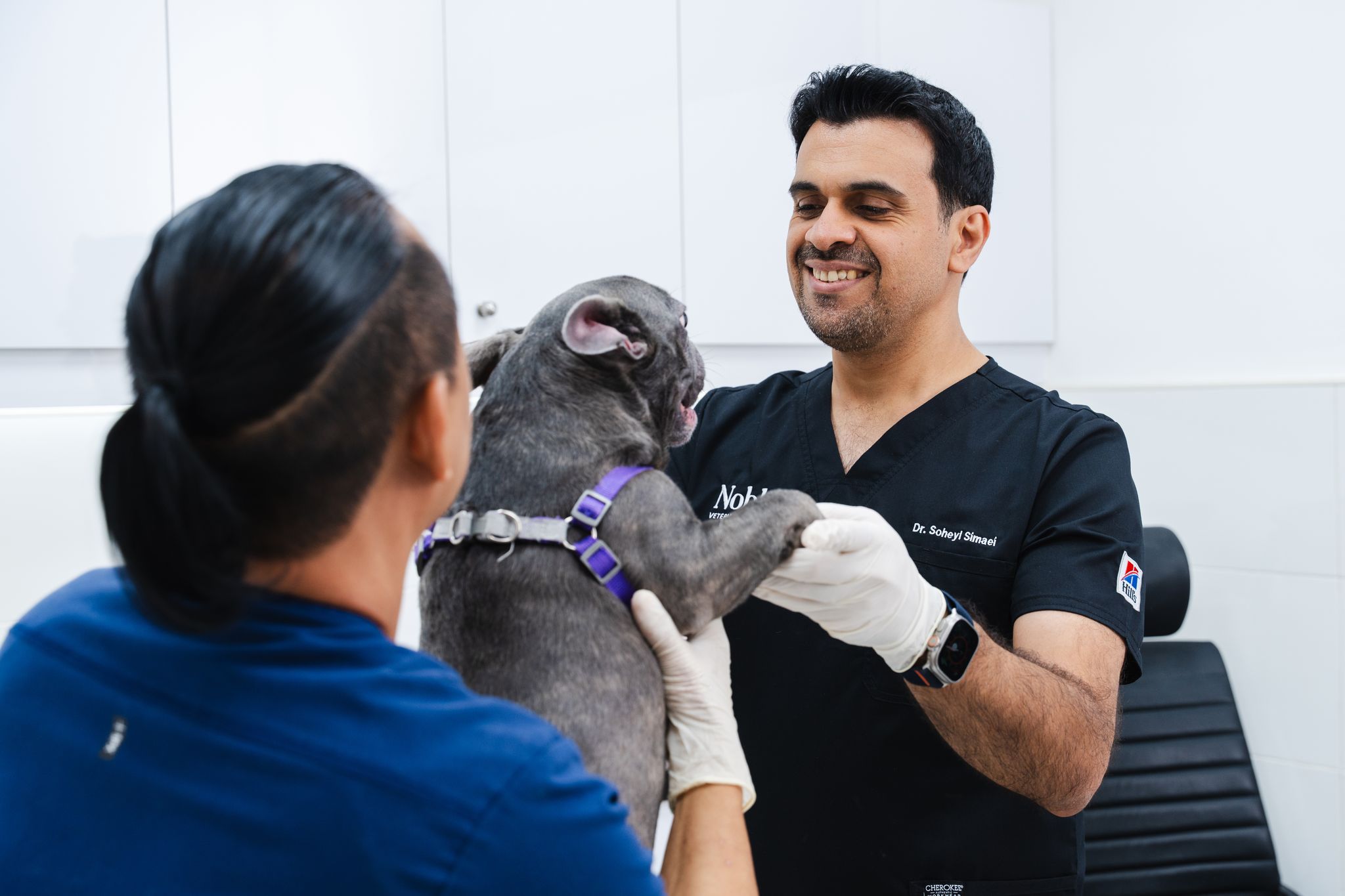
A veterinarian is holding a dog and giving a checkup while another dog keeps the dog steady.

In this guide, we’re going to talk all about what dog training is, including the main benefits and many ways to do so. We’ll share practical tips so you can get started in your dog’s training. 
Key Takeaways

Dog training improves communication, behavior, safety, relationships, mental stimulation, and routines.

Starting slowly, consistently, and positively works best.

Short sessions with manageable steps help dogs learn more efficiently.

Why Should You Train Your Dog?

Before we talk about the tips, let’s discuss the main benefits of dog training. 

Improves Communication

Training your dog means both of you operate at the same level and understand each other more clearly. Your dog learns which behaviors are good and which to avoid. This reduces confusion and makes your interactions smoother and easier. Plus, when they understand, they become happier. 

Helps With Behavior

A trained dog is much less likely to develop unwanted behaviors such as aggressive barking, chewing furniture, or jumping on strangers. Training provides a consistent structure that dogs tend to respond to positively, becoming more well-mannered at home and in public. 

Increases Safety

Teaching commands can prevent dangerous situations for you, your dog, and the community. These help you control your dog in emergencies and unpredictable situations. This is a key benefit many dog training professionals emphasize. 

Creates a Stronger Bond

When you train your dog, you spend quality time with them. This helps build trust, respect, and a deeper mutual connection. A well-trained dog becomes more responsive with its owner and is more likely to engage positively. 

Provides Mental Stimulation

While training improves behavior, it also challenges them and keeps them mentally active. All dogs need regular stimulation, and training is one of many ways to provide it. This reduces boredom, significantly benefiting their mental state. 

Makes Routines Easier

Simple house training and socialization make routines and everyday tasks more manageable. Activities such as walking, feeding, and grooming become much more seamless. Plus, previously challenging routines such as vet visits can become much less stressful.

Need help with your dog's training?

Need help with your dog's training?

Feel free to ask our vets and partner dog trainers.

Feel free to ask our vets and partner dog trainers.

10 Dog Training Tips

Now that we know why training is good for your dog, we’ll share the tips you can follow easily. 

  1. Set Realistic Expectations

Every dog learns at a different pace, from puppies and adults to those of different breeds. It’s always important to keep your expectations grounded. Progress is sure to be slow at first, especially during the early days or when learning new commands. 

When you set realistic expectations, you can accurately track your dog’s progress. 

  1. Start Slow and Steady

One dog training tip we can recommend is to start slowly. Begin with simple commands before moving on to advanced training. Rushing the process can confuse your dog, especially when they have no prior experience with this activity. A good foundation brings good progress.

If you need help or a detailed routine, feel free to reach out to our partner dog trainers

  1. Find a Comfortable Space

Choose a quiet and familiar space for your dog’s training. Fewer distractions will help with focus and learning. As they improve, you can gradually show them new environments and more challenging scenery. 

  1. Use Positive Reinforcement

Always show your appreciation when they get something right. This is a big mood booster that helps them know that they did a good job, which can significantly improve your dog’s training. Over time, this encourages them to repeat those behaviors and commands consistently. 

You can use a specific marker word, such as “yes,” or you can also play with your dog after. 

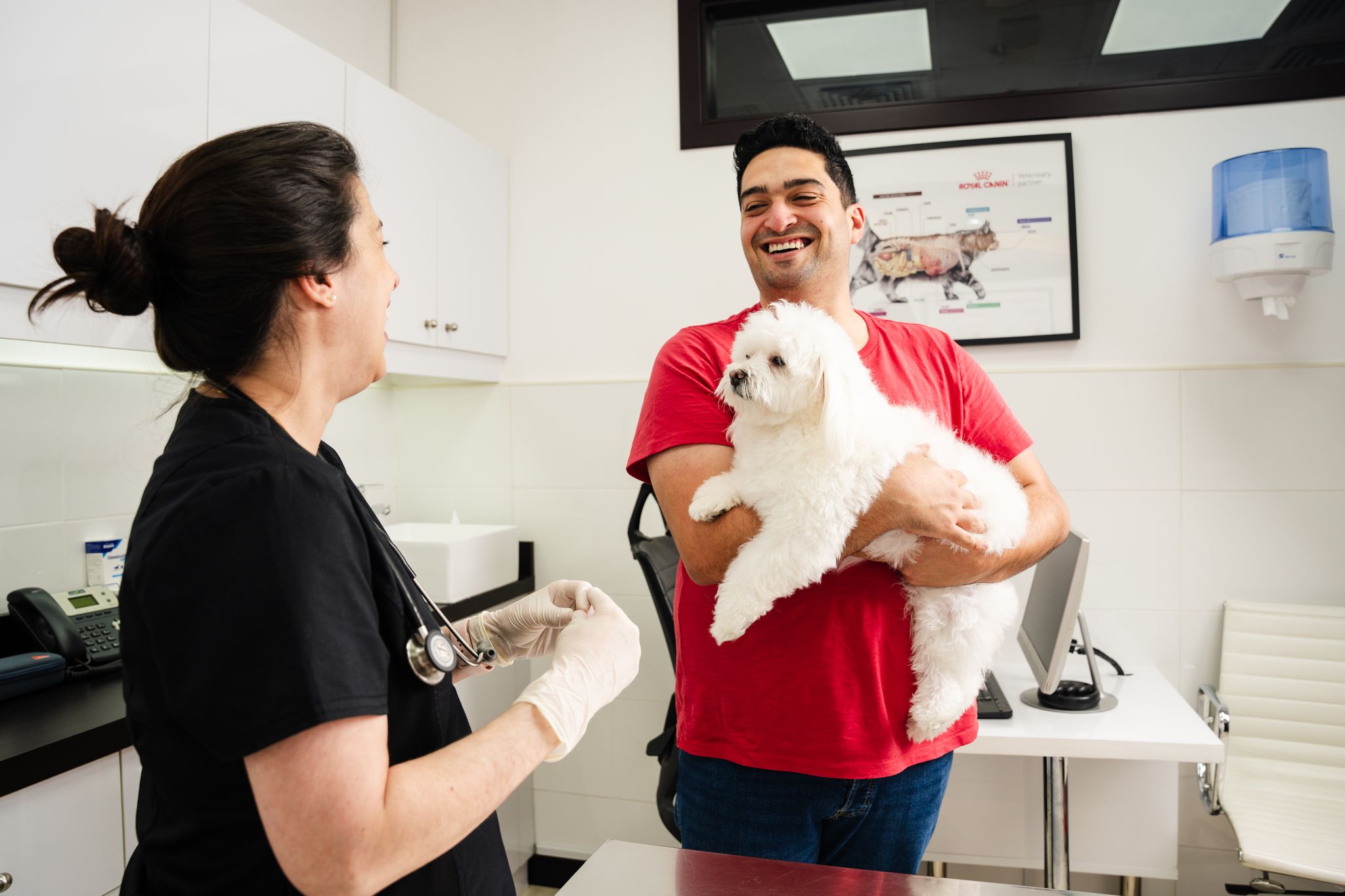
A pet owner is talking to a veterinarian about dog training tips.
  1. Reward With Treats

Another dog training tip we can recommend is to reward your best friend’s progress. Along with positive reinforcement, use treats and high-value foods to build their confidence and shape their behavior. This helps them know that by doing this consistently, they can also get a yummy treat. 

  1. Keep Sessions Short and Consistent

When training your dog, one crucial tip is to keep the sessions short but consistent. Aim for regular practice rather than long, exhausting sessions. Short sessions are perfect for engagement, and consistency promotes learning. 

  1. Break Down Manageable Steps

Complex behaviors should be taught in small, simple steps. This makes it easier for your dog to understand what to do to succeed. Along with keeping the sessions short, separating the lesson into parts helps build confidence and avoids overwhelming your dog. 

  1. Be Patient and Stay Positive

Dog training requires time and repetition, so always remember to stay positive and be patient with your best friend. Dogs respond better to encouragement, rather than punishment. A positive mindset benefits both you and your dog. 

  1. End on a Positive Note

Always finish each training session with a reward. This helps your dog feel happy, motivated, and excited for the next sessions. Positive endings pave the way for more success in future training sessions. 

  1. Have Fun With Your Dog

The final dog training tip we want to share is to have fun while training your dog. Training shouldn’t be a stressful activity or a mandatory session. It should be fun and fulfilling, a chance to spend quality time with your best friend. 

“Training your dog is a key part of pet ownership, helping relationships thrive.”

- Dr. Soheyl Simaei

Final Thoughts

Training your dog is a fun activity that must be consistent and enjoyable. It helps you and your dog in several ways, serving as an activity both of you can cherish. The key to success is to stay patient, positive, and productive. 

Frequently Asked Questions

When should I start training my dog?

We recommend starting training as soon as possible. For puppies, this may be when they’re about 8 weeks of age. Early training helps promote positive behaviors. 

When should I start training my dog?

We recommend starting training as soon as possible. For puppies, this may be when they’re about 8 weeks of age. Early training helps promote positive behaviors. 

What are the basic commands to start with?

The commands you should start with include sit, stay, come, and leave it. These core commands focus on control, safety, and behavioral management. 

What are the basic commands to start with?

The commands you should start with include sit, stay, come, and leave it. These core commands focus on control, safety, and behavioral management. 

How long does it take to fully train a dog?

It depends, but it can take about 3-6 months for basic obedience and house training. Comprehensive training may take about 1-2 years for advanced commands.

How long does it take to fully train a dog?

It depends, but it can take about 3-6 months for basic obedience and house training. Comprehensive training may take about 1-2 years for advanced commands.

Is professional training needed?

It’s not technically necessary for dogs, but it’s recommended for behavior issues, safety, and strengthening socialization. Dog trainers help those with severe behavioral problems. 

Is professional training needed?

It’s not technically necessary for dogs, but it’s recommended for behavior issues, safety, and strengthening socialization. Dog trainers help those with severe behavioral problems. 

Can older dogs be trained? 

Yes, they can absolutely be trained. They are highly capable of learning new behaviors, adapting to new routines, and breaking old habits.

Can older dogs be trained? 

Yes, they can absolutely be trained. They are highly capable of learning new behaviors, adapting to new routines, and breaking old habits.

Share

Custom Icon
Custom Icon
Custom Icon

Subscribe to Our Newsletter

Sign up for weekly pet health tips and insights from our veterinarians.

Sign up for weekly pet health tips and insights from our veterinarians.

Wellness & Emergency Care

Book Appointment

Worried about your pet?

We’re here for urgent care, wellness checks, or anything in between. 

Get the best Vet care for your pet

We’re Hiring! Let’s transform the future of veterinary care together.

We’re Hiring! Let’s transform the future of veterinary care together.

We’re Hiring! Let’s transform the future of veterinary care together.

We’re Hiring!

Your veterinary practice, always here

© 2006-2026 Noble Veterinary Clinics